 Jia Lissa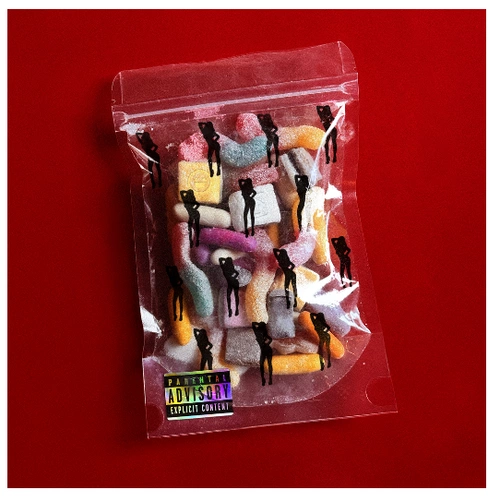
The release of Little Simz’s latest EP, “Sugar Girl,” marks a significant and exhilarating stylistic departure for the acclaimed UK rapper, signaling an intensified foray into experimental, alt-rap and electronic soundscapes. Collaborating once again with producer Jakwob, “Sugar Girl” follows hot on the heels of 2024’s “Drop 7,” solidifying what appears to be a deliberate and bold pivot in Simz’s artistic trajectory. This new project, characterized by AutoTuned vocals, intricate electronic textures, and a bracingly direct sonic palette, challenges listener expectations and firmly establishes Simz in a vibrant, risk-taking phase of her career, far removed from the organic, soulful richness that defined her earlier, highly celebrated works.
The Evolution of a UK Rap Icon: From Acclaim to Experimentation
Little Simz, born Simbiatu Ajikawo, has long been revered as one of the most compelling and articulate voices in contemporary UK rap. Her career, spanning over a decade, has been characterized by profound lyrical depth, introspective storytelling, and an unwavering commitment to artistic integrity. Early projects like "A Curious Tale of Trials + Persons" (2015) and "Stillness in Wonderland" (2016) garnered critical attention, showcasing her intricate flow and conceptual ambition. However, it was her partnership with producer Inflo (born Dean Josiah Cover) that truly propelled her to global superstardom.
The synergy between Simz and Inflo was widely regarded as one of the most fruitful collaborations in modern UK music history. Inflo’s signature sound—a meticulously crafted blend of live instrumentation, lush orchestration, soulful samples, and often cinematic grandeur—provided the perfect canvas for Simz’s lyrical prowess. This collaboration reached its zenith with two monumental albums: "Grey Area" (2019), which won the Mercury Prize, and "Sometimes I Might Be Introvert" (2021), a critically acclaimed masterpiece that earned her the Mercury Prize, a BRIT Award for Best New Artist, and widespread international recognition. "No Thank You" (2022), her most recent full-length album with Inflo, further cemented this legacy, continuing the tradition of sophisticated, introspective, and expansive sound design. These albums were lauded for their sophisticated narratives, often exploring themes of identity, societal pressures, and the complexities of fame, all delivered with an emotional honesty that resonated deeply with audiences and critics alike. The sound was distinct: rich, organic, often orchestral, and deeply rooted in soul and jazz influences, allowing Simz’s sharp, insightful rhymes to take center stage without distraction.
The Dawn of the Post-Inflo Era: A Deliberate Sonic Shift
The decision to explore new creative partnerships and sonic territories post-Inflo, while a testament to Simz’s relentless artistic curiosity, was met with keen interest across the music industry. For an artist of Simz’s stature, with a firmly established and highly successful sonic identity, a significant stylistic pivot is a calculated risk. It signals a desire to avoid stagnation, to challenge her own creative boundaries, and to explore new facets of her artistry. This "post-Inflo era" began to take tangible shape with the release of "Drop 7" in 2024.
"Drop 7" served as the initial blueprint for Simz’s new direction, introducing listeners to a more electronic, club-oriented sound. The EP, also produced by Jakwob, presented seven tracks that marked a sharp left turn from her previous work, incorporating elements of UK garage, house, and more abstract electronic production. It was a clear signal that Simz was not content to rest on the laurels of her past successes but was actively seeking to redefine her sound. This EP, while shorter in form, was crucial in preparing her audience for the even more pronounced experimentation evident in "Sugar Girl." The release strategy, utilizing EPs for these initial explorations, is common for artists seeking to test new waters without committing to a full-length album’s conceptual and thematic weight, offering a more agile platform for sonic evolution.
Jakwob: The Architect of Simz’s New Sound
Central to this new sonic chapter is the partnership with Jakwob, a producer known for his versatile approach to electronic music, spanning dubstep, house, and more experimental genres. Born James Jacob Williams, Jakwob first rose to prominence in the late 2000s and early 2010s with releases that showcased a knack for intricate beatmaking and atmospheric sound design. His work, often characterized by a blend of melodic sensibilities and rhythmic drive, stands in contrast to Inflo’s more organic, live-instrumentation-heavy style. This difference is precisely what makes the collaboration with Simz so compelling; it offers a fresh perspective and pushes her vocal delivery and lyrical content into uncharted territory.
Jakwob’s production on "Drop 7" and now "Sugar Girl" is instrumental in crafting Simz’s "mad scientist era." He provides the framework for the "club-ready" tracks and the "robotic, liquid melodies" that define this new sound. His expertise in electronic textures and rhythmic complexity allows Simz to explore vocal manipulation, syncopated flows, and a more abstract approach to songwriting, where the instrumental often carries as much narrative weight as the lyrics themselves. The choice of Jakwob indicates a deliberate move towards a more synthetic, digitally processed sound, contrasting sharply with the analogue warmth of her Inflo-produced albums.
"Sugar Girl": An Audacious Sonic Exploration
"Sugar Girl" takes the experimental foundations laid by "Drop 7" and expands upon them with even more surprises and heightened intensity. The EP immediately asserts its distinct identity with the opener, "That’s a No No," which kicks off with an AutoTuned, alt-rap roar. This track is a surprising but thrilling introduction to Simz’s altered vocal persona. The use of Auto-Tune, a tool often associated with pop and trap music, is deployed here not for pitch correction but as an expressive effect, twisting and distorting her voice to create a robotic yet undeniably compelling quality. This vocal treatment, coupled with a harder-hitting, often industrial-tinged beat, signals a departure from the raw, unadorned vocal delivery that characterized much of her previous work.
The "robotic, liquid melodies" introduced in "That’s a No No" are not merely a fleeting experiment but a consistent thread that carries through subsequent tracks like "Open Arms" and "Telephone." On "Open Arms," the electronic textures become more fluid, creating a sense of dynamic movement that complements Simz’s evolving flow. Her delivery adapts to the pulsating rhythms, demonstrating her versatility as an MC capable of navigating diverse sonic landscapes. "Telephone" further showcases this synergy, weaving intricate electronic patterns with Simz’s processed vocals, resulting in a track that feels both futuristic and viscerally immediate. The production on these tracks is meticulously layered, often featuring syncopated drum patterns, shimmering synths, and deep basslines that provide a powerful, almost punishing, sonic impact.
For listeners accustomed to the soulful, organic richness of albums like "Sometimes I Might Be Introvert" and the Mercury Prize-winning "Grey Area," or even the introspective depth of "Lotus" (a track often cited for its lush instrumentation), "Sugar Girl" represents a stark contrast. The deliberate move away from live instrumentation and towards digital synthesis and vocal manipulation is a bold artistic statement. It is Simz in her "risk-taking, mad scientist era"—an artist unafraid to dismantle expectations and reconstruct her sound from the ground up. This era is defined by a willingness to embrace sounds that might initially seem abrasive or unconventional, pushing the boundaries of what UK rap can be. The EP’s impact is described as "punishingly hard," a testament to its aggressive sonic energy and the uncompromising nature of its artistic vision. It’s a sound designed to hit with immediate force, demanding attention and challenging preconceived notions of Simz’s artistry.
Artistic Intent and Potential Industry Reception
Little Simz’s consistent evolution is not merely a whim but likely stems from a profound artistic imperative. For an artist who has achieved such critical and commercial success, the pressure to innovate and avoid artistic stagnation is immense. The shift demonstrated on "Sugar Girl" suggests a deliberate choice to explore new creative avenues, to prevent her craft from becoming predictable, and to tap into different wells of inspiration. This era of experimentation allows her to showcase a different facet of her versatility—not just as a lyricist, but as a vocalist and a conceptual artist capable of adapting her entire persona to a new sonic environment.
The music industry and critical landscape are likely to view "Sugar Girl" through multiple lenses. Long-time fans, deeply attached to the cinematic soul-rap of her Inflo collaborations, might initially be surprised, perhaps even divided. However, the broader critical consensus is likely to commend her bravery and willingness to evolve. Such bold shifts often cement an artist’s legacy as a true innovator rather than someone content to repeat a successful formula. Industry observers may also see this as a strategic move to broaden her appeal, potentially reaching new audiences who gravitate towards electronic and alternative hip-hop sounds. The choice to release these experimental works as EPs provides a testing ground, allowing for immediate feedback and iterative development of this new sound, without the immense pressure or grand narrative expectations typically associated with a full-length album cycle. This agile approach to release is indicative of an artist deeply engaged with the contemporary music landscape and its consumption patterns.
Chronology of Simz’s Post-Inflo Trajectory
The chronological progression of Little Simz’s recent releases clearly illustrates her journey into this new sonic territory.
- 2019: "Grey Area" – First Mercury Prize-winning album with Inflo, establishing their iconic sound.
- 2021: "Sometimes I Might Be Introvert" – Second Mercury Prize, BRIT Award, global acclaim, cementing the soulful, orchestral sound.
- 2022: "No Thank You" – Continued collaboration with Inflo, maintaining the established sonic identity, further solidifying her position.
- Early 2024: "Drop 7" – The pivotal release introducing Jakwob as a new primary producer and signaling the sharp left turn into club-ready, electronic sounds. This EP served as the crucial bridge, preparing listeners for a new chapter.
- Mid-2024: "Sugar Girl" – The latest evolution, deepening the experimental sound with Jakwob, pushing AutoTuned vocals and alt-rap into the forefront, further solidifying the "mad scientist era."
This timeline demonstrates a clear, intentional, and rapid succession of releases that showcase an artist in dynamic transition, using shorter-form projects to navigate and define a new creative phase.
Broader Implications for UK Rap and Beyond
Little Simz’s artistic choices on "Sugar Girl" carry significant implications for the landscape of UK rap and contemporary music at large. Her willingness to genre-bend and challenge conventions reinforces her status as a trailblazer. In an era where genre lines are increasingly blurred, Simz’s embrace of alt-rap, electronic music, and vocal manipulation serves as an example for other artists to push their own creative boundaries. It demonstrates that artistic integrity does not necessitate adherence to a single sound, even a wildly successful one, but rather an ongoing commitment to exploration and growth.
This move also highlights the increasing sophistication and diversity within UK hip-hop, showcasing its capacity to absorb and reinterpret global sonic trends while maintaining its unique identity. By incorporating elements often found in electronic music or more experimental corners of rap, Simz positions herself at the vanguard of a broader movement towards genre fluidity. Her ability to execute such a dramatic shift with confidence and artistic credibility will undoubtedly inspire future generations of artists to defy categorization. "Sugar Girl" is not just an EP; it is a statement of artistic independence, a testament to the power of creative evolution, and a compelling glimpse into the exciting, unpredictable future of one of music’s most respected talents.
In conclusion, "Sugar Girl" is a powerful and assertive declaration from an artist at the peak of her powers, demonstrating a fearless pursuit of new sonic horizons. It solidifies Little Simz’s standing not merely as an exceptional rapper, but as a dynamic and ever-evolving artist whose work continues to challenge, surprise, and ultimately enrich the musical landscape. The partnership with Jakwob on "Sugar Girl" is more than a collaboration; it is a reinvention, promising an even more diverse and thrilling future for Little Simz’s already illustrious career.