Aveline Kirana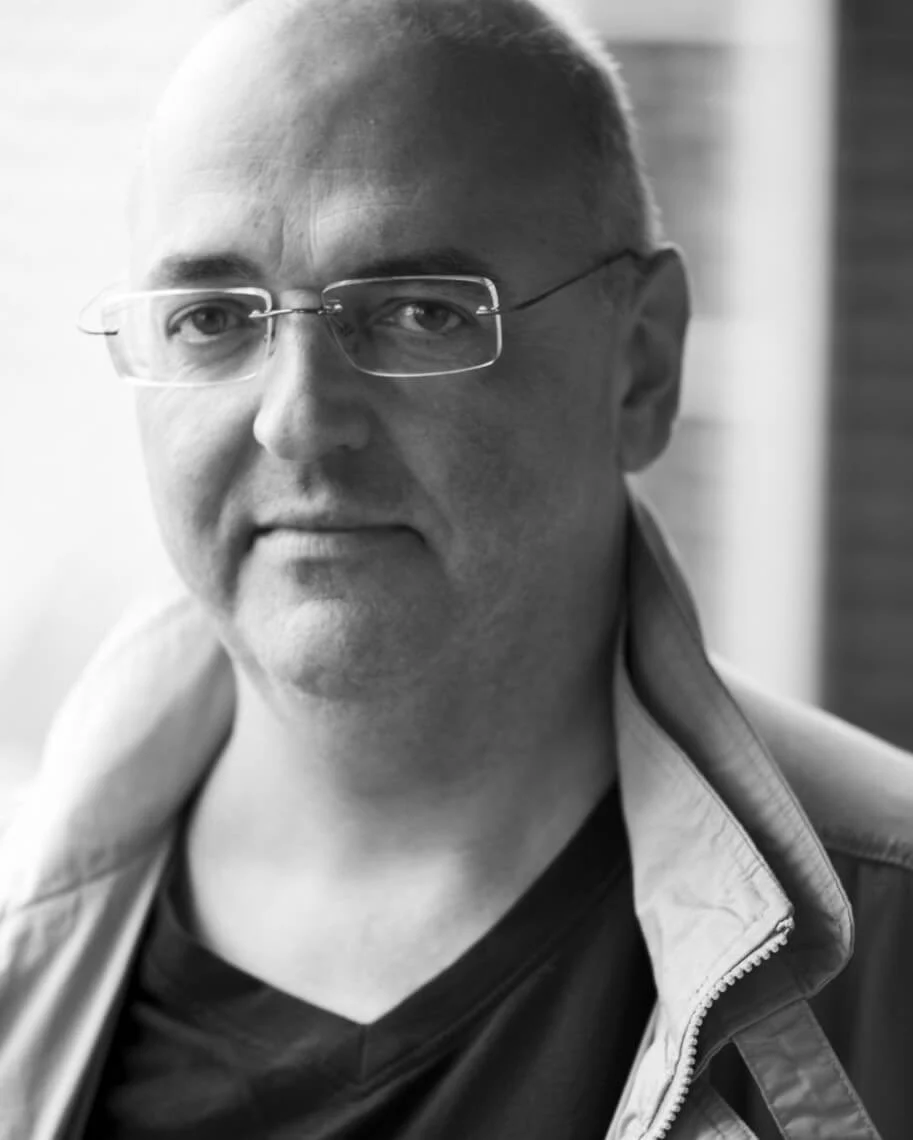
The world of classical music is mourning the loss of British-Ukrainian bass-baritone Pavlo Hunka, who passed away on May 5 at the age of 67. Hunka, celebrated for his powerful voice and extensive repertoire, left an indelible mark on opera stages and through his pioneering work in preserving and promoting Ukrainian art song. His death marks the end of a distinguished career that spanned decades and continents, characterized by a deep commitment to musical excellence and cultural heritage.
Born in England on April 7, 1959, Hunka’s early life offered no immediate indication of the operatic path he would eventually forge. His academic pursuits initially led him to linguistics, a field that honed his appreciation for language and its nuances, a skill that would later serve him profoundly in his operatic interpretations. Following his linguistic studies, Hunka embarked on a career in law in the United Kingdom. This unconventional trajectory from legal practice to the operatic stage is a testament to his passionate pursuit of artistic expression and his willingness to embrace a significant career change later in life. This transition, while uncommon, underscores a deep-seated drive to connect with audiences on an emotional and intellectual level, which he found through music.
His formal vocal training commenced at the prestigious Royal Northern College of Music in Manchester, a cornerstone of musical education in the UK. He subsequently completed his studies in Switzerland, immersing himself in the rigorous European operatic tradition. This period of advanced training was crucial in shaping his vocal technique and dramatic sensibility, preparing him for the demanding roles that would define his career.
Hunka’s professional debut on the international opera circuit was marked by performances at the Basel Opera Company. From this foundation, his career rapidly ascended, leading him to grace the stages of many of the world’s leading opera houses. His extensive performance history includes appearances in renowned cultural centers such as Paris, Vienna, Munich, Florence, Amsterdam, London, and Salzburg. These engagements placed him among an elite cadre of operatic artists, performing alongside and under the direction of some of the most respected figures in the industry.
A Legacy of Ukrainian Art Song
Beyond his individual performance achievements, Pavlo Hunka was a passionate advocate for Ukrainian musical culture. He founded the Ukrainian Art Song Project in Toronto, a visionary initiative dedicated to unearthing, preserving, and disseminating the vast and often underrepresented body of art songs by Ukrainian composers. This project aimed to introduce an estimated thousand or more art songs to a global audience, spanning a wide array of composers and styles. Hunka’s dedication to this cause was not merely a professional endeavor but a deeply personal mission to ensure that this rich musical heritage received the international recognition it deserved. Through recitals, recordings, and educational outreach, the Ukrainian Art Song Project under his leadership has become a vital conduit for understanding and appreciating a significant, yet historically overlooked, segment of classical music. This commitment is particularly poignant given the ongoing geopolitical landscape, underscoring the enduring power of culture to connect and preserve identity.
Notable Roles and Repertoire
Throughout his illustrious career, Pavlo Hunka commanded a diverse and challenging repertoire, showcasing his versatility as a performer. He was particularly recognized for his powerful portrayals of significant bass-baritone roles. Among his most acclaimed performances were:
- Barak in Richard Strauss’s Die Frau ohne Schatten. This demanding role requires immense vocal stamina and a profound understanding of the opera’s psychological complexities, which Hunka delivered with notable authority.
- The title role in Alban Berg’s Wozzeck. A landmark of 20th-century opera, Wozzeck is a character steeped in psychological torment and societal alienation, a role Hunka inhabited with compelling intensity.
- Golaud in Claude Debussy’s Pelléas et Mélisande. This role, known for its subtle dramatic nuances and intricate vocal lines, showcased Hunka’s interpretive depth.
- Bluebeard in Béla Bartók’s A kékszakállú herceg vára (Duke Bluebeard’s Castle). A dark and enigmatic character, Hunka’s portrayal of Bluebeard was often cited for its chilling power.
- Don Pizarro in Ludwig van Beethoven’s Fidelio. As the tyrannical governor, Hunka brought a formidable presence to this iconic villain.
- Kaspar in Carl Maria von Weber’s Der Freischütz. This role, central to German Romantic opera, allowed Hunka to display his command of the repertoire’s dramatic and vocal requirements.
In addition to these cornerstone operatic roles, Hunka possessed a broad command of Italian and Russian repertoire, demonstrating his fluency in the vocal traditions of these rich musical cultures. His engagement with the works of Richard Wagner was also a significant feature of his career, a testament to his ability to navigate the epic scale and profound philosophical underpinnings of Wagnerian opera. This extensive and varied repertoire highlights his exceptional vocal prowess, dramatic intelligence, and deep musicality.
A Life Dedicated to Music: Chronology
Pavlo Hunka’s journey from academic and legal pursuits to international operatic stardom can be understood through a chronological lens:
- April 7, 1959: Born in England to a Ukrainian father and an English mother.
- Early Adulthood: Pursued and qualified as a linguist, followed by a career as a lawyer in the UK.
- Mid-Career Transition: Made the significant decision to pursue a career in singing, a testament to his artistic calling.
- Vocal Training Begins: Commenced vocal studies at the Royal Northern College of Music in Manchester.
- Advanced Studies: Completed vocal training in Switzerland, immersing himself in European operatic traditions.
- Operatic Debut: Began his professional operatic career at the Basel Opera Company.
- International Engagements: Performed at leading opera houses in Paris, Vienna, Munich, Florence, Amsterdam, London, and Salzburg, establishing himself as a prominent bass-baritone.
- Founding of Ukrainian Art Song Project: Established the Toronto-based initiative dedicated to promoting Ukrainian art songs.
- Notable Role Performances: Over the years, performed key roles in operas such as Die Frau ohne Schatten, Wozzeck, Pelléas et Mélisande, Duke Bluebeard’s Castle, Fidelio, and Der Freischütz.
- May 5, [Year of Death]: Pavlo Hunka passed away at the age of 67.
This timeline illustrates a life dedicated to the transformative power of music, marked by a late but impactful career shift and a profound commitment to cultural preservation.
Wider Context and Implications
The passing of Pavlo Hunka reverberates through the classical music community, not only for the loss of a gifted artist but also for the potential impact on the future of Ukrainian art song advocacy. His establishment of the Ukrainian Art Song Project was a crucial step in bringing this rich repertoire to a wider audience. In an era where cultural narratives are increasingly vital, Hunka’s work served as a powerful means of cultural diplomacy and preservation, particularly in light of Ukraine’s ongoing struggle for sovereignty and recognition. The project’s success has paved the way for future initiatives and has inspired a new generation of artists and scholars to engage with Ukrainian musical traditions.
The data surrounding the scope of his project – aiming to introduce over a thousand art songs – speaks to the immense depth of Ukrainian musical output that was previously largely inaccessible to international audiences. This effort is particularly significant as it combats historical underrepresentation and provides a more complete picture of the global classical music landscape. Hunka’s dual identity as British and Ukrainian also positioned him uniquely to bridge cultural divides and foster cross-cultural understanding through his art.
While specific statements from family or close colleagues were not immediately available at the time of reporting, the depth of his contributions suggests that his legacy will be honored through continued performances of his repertoire and the ongoing work of the Ukrainian Art Song Project. The operatic world has lost a significant voice, and the cultural world has lost a dedicated champion. His life serves as an inspiration for those who believe in the power of art to transcend borders and preserve the essence of a nation’s identity. The impact of his work will undoubtedly continue to be felt for years to come, ensuring that the voices of Ukrainian composers are heard on the world’s most esteemed stages.