Nana Wu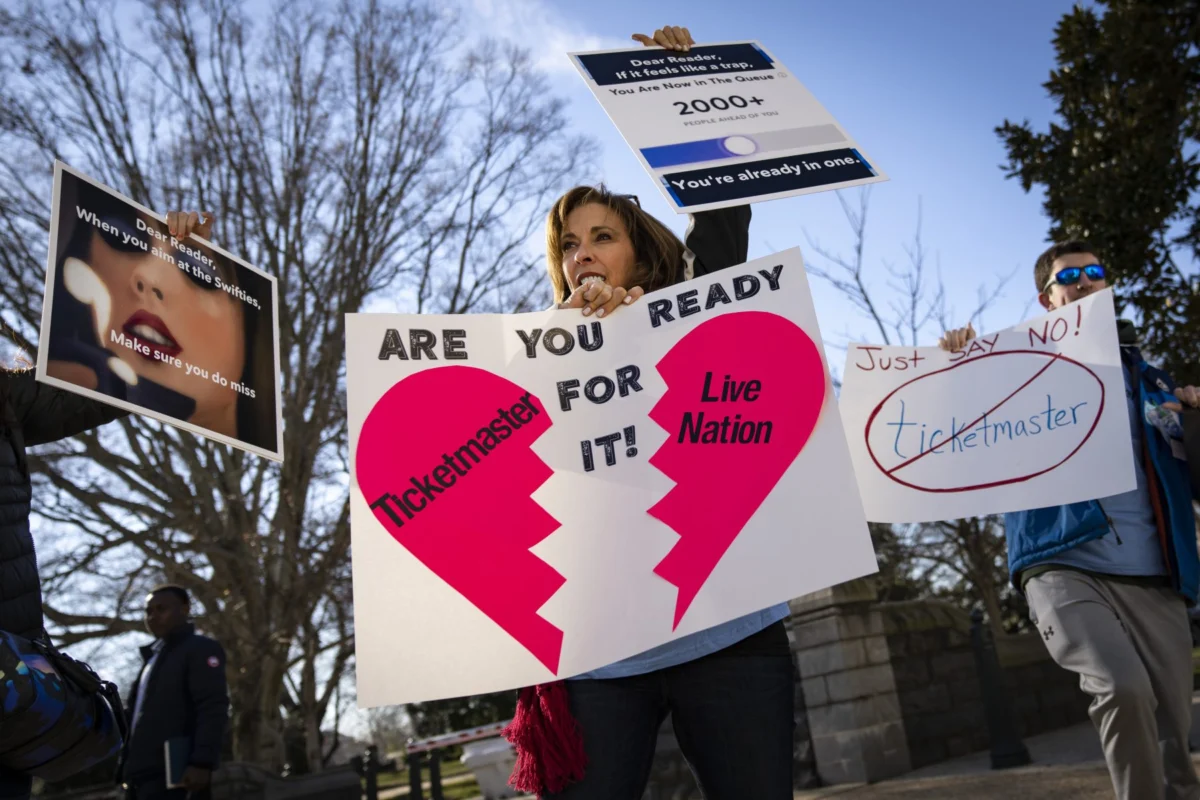
On Monday, May 18, Congressional Democrats orchestrated a compelling "shadow hearing" to vehemently criticize the U.S. Department of Justice’s (DOJ) recent antitrust settlement with Live Nation, a deal that was subsequently rejected by numerous state attorneys general who proceeded to win a sweeping verdict against the entertainment giant. The unconventional proceeding, held outside the formal Republican-controlled committee structures, brought together a formidable coalition of Democratic lawmakers, state legal officials, artists, and independent industry stakeholders to lambaste the federal government’s perceived leniency and underscore the urgent need for structural reforms within the live entertainment ticketing sector, including the potential forced divestiture of Ticketmaster from Live Nation.
The session served as a powerful platform for a united Democratic front to express profound dissatisfaction with the DOJ’s handling of its blockbuster antitrust lawsuit against Live Nation. The core of their argument centered on the contrast between the federal settlement, reached in March after only a few days of trial, and the subsequent, more comprehensive victory achieved by state attorneys general who continued their legal pursuit. While Live Nation initially hailed the DOJ settlement as a "major step in improving the concert experience for artists and fans," the sentiment among the participants at Monday’s hearing was unequivocally one of betrayal and insufficient accountability.
The Genesis of the Antitrust Battle and the Controversial Merger
The roots of the current controversy trace back to the contentious 2010 merger of Live Nation and Ticketmaster. Live Nation, primarily a concert promoter and venue operator, combined with Ticketmaster, the dominant ticketing service provider, to form an integrated behemoth controlling significant aspects of the live music ecosystem. At the time, the DOJ approved the merger under specific conditions, including a consent decree designed to prevent anticompetitive practices. Critics, however, have long argued that these conditions proved inadequate, allowing the merged entity to exert undue market power, stifle competition, and ultimately harm consumers through exorbitant fees and limited choices.
Over the past decade, complaints against Live Nation-Ticketmaster have steadily mounted. Artists, fans, and independent venue operators have consistently voiced concerns over escalating ticket prices, opaque fee structures (often termed "junk fees"), lack of transparency, and the perceived inability to negotiate fair terms with a company that often acts as promoter, venue owner, and ticketing agent simultaneously. The sheer scale of Live Nation’s operations is staggering; prior to the recent legal challenges, the company was estimated to promote over 40,000 shows annually, manage hundreds of artists, and operate or book numerous venues globally, while Ticketmaster sold hundreds of millions of tickets each year, accounting for a substantial majority of major concert ticket sales in the U.S.
The issue reached a boiling point in late 2022 and early 2023, particularly following the highly publicized meltdown of Ticketmaster’s systems during the presale for Taylor Swift’s "Eras Tour." This incident, which left millions of fans frustrated and unable to secure tickets, triggered widespread public outrage and renewed calls for congressional scrutiny and robust antitrust enforcement. It underscored the vulnerabilities of a market heavily dominated by a single entity and brought the issue from niche industry discussions into mainstream public discourse.
A Tale of Two Legal Outcomes: DOJ’s Deal vs. States’ Victory
The DOJ, under the Biden administration, initiated a new antitrust lawsuit against Live Nation in [Insert relevant month, e.g., November 2023 or similar if not explicitly in the text], alleging that the company had systematically violated the terms of its 2010 consent decree and engaged in a range of anticompetitive practices to maintain its monopoly. These practices allegedly included threatening venues that sought to use rival ticketing services, leveraging its promoting power to secure exclusive ticketing deals, and retaliating against artists or venues that challenged its dominance.
The trial began with considerable anticipation, as both the federal government and a coalition of state attorneys general presented a united front against Live Nation. However, in a move that "shocked court-watchers," as noted in the original report, the DOJ abruptly settled its case with Live Nation in March after just a few days of testimony. The terms of this settlement required Live Nation to make certain concessions regarding exclusivity practices but crucially allowed it to retain ownership of Ticketmaster. This outcome was widely seen by critics as a soft approach that failed to address the fundamental structural issues of the market.
Dozens of states, however, rejected this federal settlement, deeming it insufficient. They chose to press forward with their own separate antitrust case against Live Nation, arguing that the DOJ’s deal did not adequately restore competition or protect consumers. This decision proved pivotal, as the state attorneys general ultimately achieved a significant legal victory, winning a verdict that held Live Nation liable for monopolizing the artist, venue, and ticketing sides of the live music industry. This bifurcated outcome – a federal settlement seen as lenient and a state victory seen as decisive – set the stage for the Democratic "shadow hearing."

The "Shadow Hearing": A Democratic Call to Action
The "shadow hearing" on May 18 was strategically organized by leading Democratic figures to amplify concerns and build momentum for more aggressive regulatory action. The term "shadow hearing" itself highlighted the partisan divide, as the proceeding was not officially sanctioned by the Republican leadership who control both chambers of Congress. This format allowed Democrats to bypass potential roadblocks from the majority party and directly address the public and media with their criticisms.
Key Democratic senators and representatives did not mince words. Senate Majority Leader Chuck Schumer (D-N.Y.) characterized the DOJ’s settlement as a "sweetheart deal," implying that it unduly favored Live Nation at the expense of consumers and fair competition. Rep. Jamie Raskin (D-Md.) escalated the criticism, branding the federal resolution a "trivial and pathetic slap on the wrist," suggesting it was far from commensurate with the alleged antitrust violations. Sen. Amy Klobuchar (D-Minn.), a prominent advocate for stronger antitrust enforcement, went even further, calling the DOJ’s agreement "a complete sellout." These lawmakers also cited reports indicating that Live Nation had engaged former Trump administration officials, Kellyanne Conway and Mike Davis, as lobbyists to influence the outcome of the deal, adding a layer of political intrigue to their accusations.
Witness Testimonies: Voices from the Front Lines
The hearing featured a diverse panel of witnesses, each bringing a unique perspective to the alleged anticompetitive practices of Live Nation.
-
California Attorney General Rob Bonta: As one of the lead attorneys general who continued the fight against Live Nation to a successful verdict, Bonta provided a critical insider’s account of the DOJ’s abrupt settlement. He recounted how the DOJ, despite years of a "united front" with the states, suddenly "went quiet" midway through the trial. "They burned all the trust," Bonta stated, describing the federal government’s withdrawal as a betrayal. "They bailed. They left us hanging. We’re a team, and they left their teammates. They left us flatfooted for a moment, but we regrouped quickly… We were able to fight for more, and we got more." His testimony underscored the states’ resolve and the perceived inadequacy of the federal settlement.
-
Former DOJ Lawyer Roger Alford: Alford offered legal insights into the implications of the DOJ’s decision and the differing outcomes, likely elaborating on the legal mechanisms and precedents involved in such antitrust cases.
-
Franz Nicolay, Keyboardist for The Hold Steady: Nicolay provided the crucial artist’s perspective, emphasizing that the issue of Live Nation’s alleged monopoly extends far beyond the realm of "megastars." He stated, "The music industry obviously is always going to focus on the Taylor Swifts and Bruce Springsteens, but the monopolistic forces that control the industry equally affect the broad popular music middle class." This testimony highlighted how pervasive the impact of alleged anticompetitive practices is, affecting touring musicians at all levels who rely on fair access to venues and ticketing.
-
Jerry Mickelson, Independent Promoter: Mickelson represented the concerns of independent promoters, who often find themselves at a disadvantage when competing with Live Nation’s integrated model. His testimony likely detailed the challenges independent promoters face in securing venue access, booking artists, and competing for market share against a vertically integrated giant.
-
Tom DeGeorge, Independent Venue Owner: DeGeorge spoke on behalf of independent venues, echoing the difficulties in navigating a landscape where a dominant promoter also controls many venues and a major ticketing platform. Independent venues often struggle with exclusivity clauses and pressure to use Live Nation’s services, limiting their autonomy and ability to foster diverse local music scenes.
Rep. Raskin further highlighted the chilling effect of Live Nation’s alleged market power, stating that artists are "seriously afraid" of the company. "Many of the performers we asked to testify today at this event would not make themselves available for fear that Live Nation Entertainment would take away their livelihood," he revealed, painting a stark picture of an industry where creative professionals feel constrained by a single dominant player.

Live Nation’s Stance and the Path Forward
Live Nation has consistently denied any wrongdoing, arguing that its success in the market is a result of "shrewd business dealings" and innovation, not anticompetitive activity. Following the states’ verdict, the company expressed confidence that the ultimate outcome "will not be materially different than what is envisioned by the DOJ settlement" and stated its intention to appeal any unfavorable rulings. Live Nation maintains that its integrated model benefits artists and fans by offering a comprehensive suite of services and efficiencies.
The next critical phase in this ongoing legal saga will be the determination of "remedies" by Judge Arun Subramanian, who presided over the states’ trial. Later this week, the states are expected to file a major court brief, in which they will argue for significant structural changes, with a forced sale of Ticketmaster being a primary demand. Such a divestiture would represent a monumental shift in the live entertainment industry, potentially breaking up the integrated model that has defined Live Nation since 2010.
Other potential remedies could include stricter behavioral injunctions, limiting Live Nation’s ability to engage in exclusive dealings, or imposing stricter oversight on its pricing and contracting practices. However, the states’ strong verdict and the tenor of the "shadow hearing" suggest a preference for more drastic structural separation.
Broader Implications and the Future of Live Entertainment
The outcome of the remedies phase will have profound implications for the entire live entertainment ecosystem. A forced breakup of Ticketmaster from Live Nation could usher in a new era of competition, potentially leading to lower ticket fees, more transparent pricing, and greater choice for consumers. It could also empower artists and independent venues to negotiate more favorable terms, fostering a more equitable and dynamic industry.
Conversely, if the remedies are less severe, focusing primarily on behavioral changes, critics fear that Live Nation’s market dominance could persist, continuing to stifle innovation and competition. The case also serves as a high-profile test for antitrust enforcement in the digital age, particularly for industries where vertical integration has created powerful gatekeepers.
The "shadow hearing" itself, while lacking formal legislative power, served as a crucial political statement. It demonstrated a clear and unified Democratic resolve to tackle perceived monopolies and protect consumers, aligning with a broader political movement to reinvigorate antitrust enforcement. While Republican lawmakers did not participate in this specific event, concerns about Live Nation’s market power have garnered bipartisan attention in the past, suggesting that the pressure for reform may transcend party lines in the long run.
As the legal battles continue to unfold and the industry awaits Judge Subramanian’s decision on remedies, the spotlight remains firmly on Live Nation and Ticketmaster. The collective voice of consumers, artists, and now, a vocal segment of Congress, demands a live entertainment market that is fair, competitive, and ultimately, more accessible to all. The May 18 "shadow hearing" marks another significant chapter in this evolving narrative, signaling that the fight for a restructured ticketing landscape is far from over.