Lana Akmaluna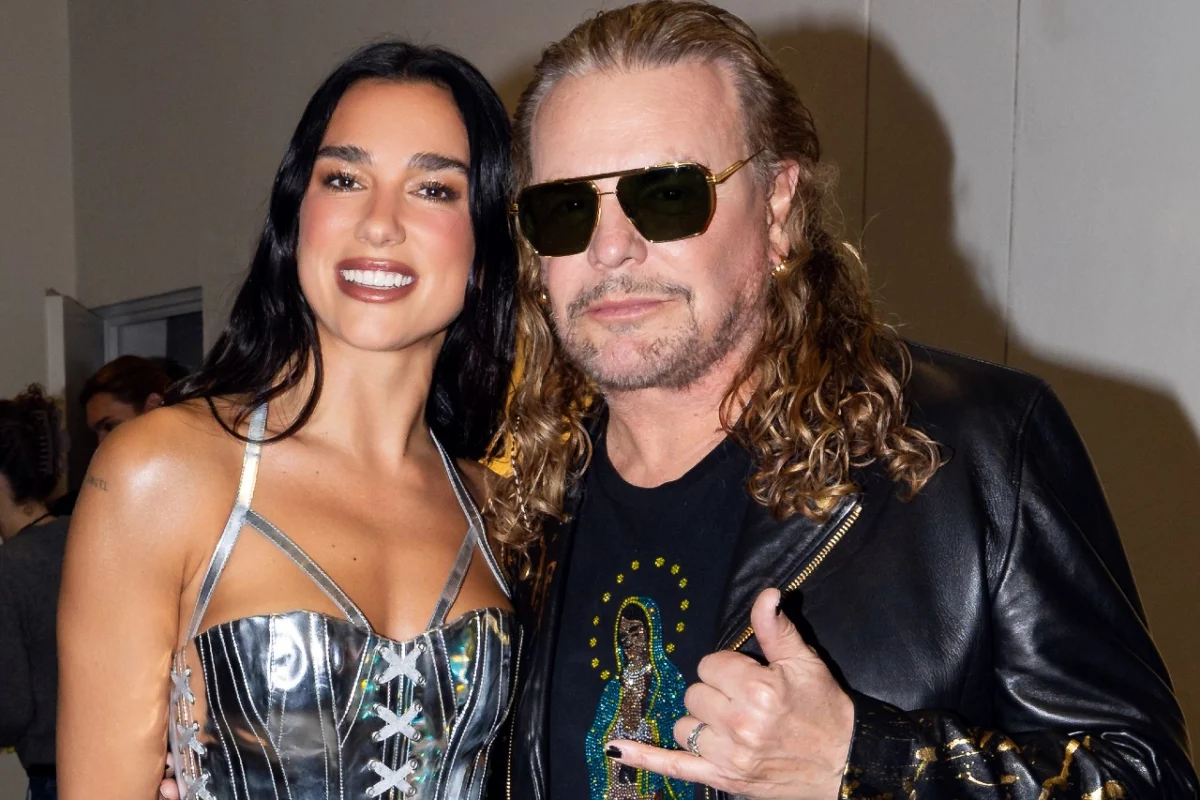
The global music landscape witnessed a significant cultural intersection on Friday, May 22, as British-Albanian pop powerhouse Dua Lipa officially released her latest project, Live From Mexico City. The live album, which serves as a definitive audio-visual document of her highly successful Radical Optimism Tour, captures the electric energy of her performances at the GNP Seguros Stadium. While the tracklist is primarily a showcase of Lipa’s chart-topping discography, it has garnered international headlines for the inclusion of a singular guest collaboration: a high-octane rendition of "Oye Mi Amor" featuring Fher Olvera, the lead singer of the legendary Mexican rock band Maná. This track stands as the only song on the album not written or originally performed by Lipa, signaling a profound gesture of respect toward the host nation’s musical heritage.
The recording originates from the second night of Lipa’s three-show residency in the Mexican capital, specifically the concert held on December 2, 2025. The Radical Optimism Tour, which supported her third studio album of the same name, saw the artist transitioning from the disco-adjacent sounds of her previous era into a more psychedelic, organic pop aesthetic. By choosing Mexico City as the site for her live album and concert film, Lipa has solidified her long-standing "love story" with a country that has served as a cornerstone of her global fan base since her debut.
The Cultural Significance of Oye Mi Amor
The inclusion of "Oye Mi Amor" is more than a mere concert surprise; it is a bridge between generations and genres. Originally released in 1992 as the second single from Maná’s seminal album ¿Dónde Jugarán Los Niños?, the song was co-written by Fher Olvera and drummer Álex González. Over the last three decades, it has evolved into a cornerstone of the "Rock en Español" movement, achieving a status that transcends simple commercial success to become a part of the Latin American cultural canon.
Fher Olvera, speaking via a video statement released by his press office in Mexico, expressed the gravity of the moment. "Singing ‘Oye Mi Amor’ with an international artist of the caliber of Dua Lipa was very special," Olvera remarked. He emphasized that the song has historically functioned as a global ambassador for Mexican music, noting that its appeal reaches far beyond Spanish-speaking borders. "It’s a track that transcended boundaries and reached many parts of the world. Many people who don’t speak Spanish, who speak other languages, have embraced it as part of the soundtrack of their lives."
For Lipa, the collaboration was an opportunity to engage with the local audience on a visceral level. Before introducing Olvera to the stage on that December night, she addressed the capacity crowd of over 60,000 fans in Spanish, stating, "Tonight we are very lucky because we have someone very special who is going to sing with us." The subsequent performance turned the GNP Seguros Stadium into what critics described as a "massive karaoke event," as the unmistakable reggae-tinged rock chords of the 1992 classic resonated through the venue.
A Timeline of the Radical Optimism Tour in Mexico
The Mexican leg of the Radical Optimism Tour was characterized by Lipa’s deliberate efforts to integrate local musical history into her setlists. Rather than delivering a standardized global show, the artist curated specific "surprises" for each night of her residency, showcasing a deep appreciation for the various facets of Mexican music.
On December 1, 2025, during the opening night of the residency, Lipa surprised the audience with a rendition of "Bésame Mucho." Written by Consuelito Velázquez in 1940, the bolero is arguably the most famous Mexican song in history, having been covered by everyone from Nat King Cole to The Beatles. Lipa’s version was praised for its vocal restraint and reverence for the source material.
The following night, December 2, saw the aforementioned collaboration with Fher Olvera. This move targeted the "Rock en Español" demographic, bridging the gap between Lipa’s Gen Z and Millennial audience and the classic rock traditions of their parents.

The residency concluded on December 5, 2025, with a tribute to the "Queen of Tejano," Selena Quintanilla. Lipa performed "Amor Prohibido," one of Selena’s most enduring hits. This choice was particularly resonant, as Selena remains a foundational figure in the crossover between Latin and English-language pop—a path that Lipa herself navigates as a global superstar.
The Evolution of the GNP Seguros Stadium
The venue itself, the GNP Seguros Stadium, plays a vital role in the narrative of the live album. Formerly known as the Foro Sol, the stadium underwent a massive renovation and rebranding shortly before Lipa’s tour arrived. Historically, the venue has been the premier destination for international acts in Mexico City, hosting legends such as Madonna, The Rolling Stones, and Paul McCartney.
Mexico City has frequently been cited by streaming platforms like Spotify as the "world’s streaming capital," with more monthly listeners for major pop acts than London, New York, or Los Angeles. By recording her live album here, Lipa tapped into one of the most active and passionate music markets on the planet. The technical production of Live From Mexico City reflects the scale of the venue, utilizing advanced spatial audio mixing to capture the roar of the Mexican crowd, which has become a hallmark of live recordings in the region.
Broader Industry Implications and the Live Album Trend
The release of Live From Mexico City comes at a time when live albums are experiencing a resurgence in the streaming era. For artists of Dua Lipa’s stature, these releases serve multiple purposes: they extend the life cycle of an album cycle (in this case, Radical Optimism), provide content for fans who could not attend the physical tour, and offer a "prestige" product that showcases vocal ability and stage presence without the aid of studio polish.
Furthermore, the strategic inclusion of "Oye Mi Amor" highlights a growing trend of "localization" in global touring. As the music industry becomes increasingly decentralized, Western pop stars are finding that direct engagement with regional cultures—through language, local covers, or collaborations—is essential for maintaining long-term brand loyalty. Lipa’s tour was notable for her "tourist" approach to each city; she was frequently spotted visiting local museums, eating at traditional restaurants, and interacting with fans in the streets of Mexico City, all of which built a narrative of authentic connection rather than a purely commercial transaction.
Analysis: The "Dua Lipa Effect" on Latin Catalogues
The "Dua Lipa Effect" is likely to have a measurable impact on the streaming numbers of the original Maná tracks. Data from previous instances where major pop stars covered classic songs—such as Miley Cyrus covering "Jolene" or various artists covering Fleetwood Mac—shows a significant "halo effect" on the original artist’s catalog. For Maná, an already established powerhouse with over 16 million monthly listeners on Spotify, the exposure to Lipa’s younger, global audience provides a unique opportunity for catalog revitalization.
The collaboration also reinforces the status of "Oye Mi Amor" as a global standard. By placing it alongside modern hits like "Houdini" and "Training Season," Lipa validates the song’s timelessness. As Fher Olvera noted, the pride of seeing Mexican music shared on such a platform is immense. "It’s a source of pride for us, for me, for all Mexicans, to be able to share this Mexican, Latin music with all our fans around the world," he stated.
Conclusion and Future Outlook
Live From Mexico City is more than a souvenir for concert-goers; it is a strategic document of a superstar at the peak of her powers, consciously expanding her cultural reach. The "love story" between Dua Lipa and Mexico, which began with her 2017 appearance at the Corona Capital festival and deepened during her 2022 Future Nostalgia Tour, has reached a new zenith with this release.
As Lipa moves forward into the next phase of her career, the success of this live album and the "Oye Mi Amor" collaboration may serve as a blueprint for future tours. The emphasis on cultural exchange, linguistic effort, and mutual respect between international icons and regional legends sets a high standard for the industry. For now, fans can relive the December nights where the British "Alpha" of pop and the "Fher" of Mexican rock united to celebrate a song that, decades after its release, continues to prove that music is a universal language.