Aveline Kirana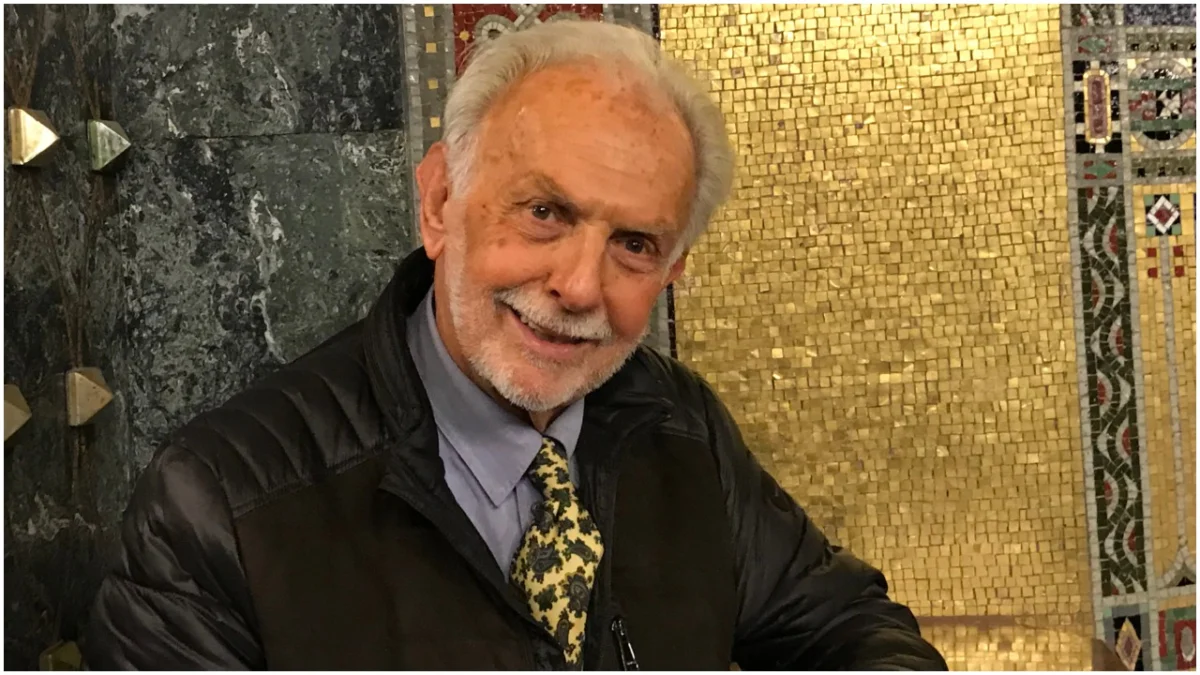
Brian James Large, a towering figure in the world of opera and a groundbreaking television director whose work brought the grandeur of the stage to millions, passed away on May 23, 2026, at the age of 87. His death marks the end of an era for opera broadcasting and leaves a profound legacy in the art form’s accessibility and preservation.
Born in London, England, on February 16, 1939, Large’s early life was steeped in the rich cultural landscape of his native city. His prodigious talent and passion for music led him to study at the prestigious Royal Academy of Music in London. This foundational period of academic rigor and artistic immersion culminated in his appointment as a Fellow of the Royal Academy in 1991, a testament to his enduring contributions and esteemed position within the musical community.
Large’s intellectual curiosity extended beyond pure musical study. He pursued advanced academic degrees, earning doctorates in both music and philosophy from the University of London. This dual expertise provided him with a unique analytical framework, allowing him to approach musical works with both scholarly depth and philosophical insight. His postgraduate studies took him to Vienna and Prague, centers of European musical heritage. It was during this formative period that Large developed a deep fascination with Czech and Slavic operas. This passion would later blossom into significant scholarly work, resulting in the publication of two seminal volumes dedicated to the music of Bedřich Smetana and Bohuslav Martinů, composers whose works are cornerstones of the operatic repertoire. These publications not only demonstrated his academic prowess but also his dedication to illuminating the contributions of composers often less known in Western Europe.
The year 1965 marked a pivotal shift in Large’s career as he joined BBC2 television, embarking on a distinguished tenure that would redefine the televised opera experience. For fifteen years, from 1965 to 1980, he served as a director, with his responsibilities specifically encompassing music and opera programming. His visionary leadership and keen artistic eye quickly propelled him to higher echelons within the BBC, culminating in his appointment as chief opera producer in 1970. This role placed him at the forefront of an ambitious initiative to bring high-quality operatic productions to a wider audience through the medium of television.
During his influential tenure at BBC2, Large was instrumental in bringing a remarkable array of operatic masterpieces to television screens. His directorial work spanned critically acclaimed productions of staples such as Mozart’s Idomeneo, Benjamin Britten’s Peter Grimes, Verdi’s La traviata and Macbeth, and Gian Carlo Menotti’s Amahl and the Night Visitors, among many others. These productions were not merely filmed stage performances; Large, with his unique understanding of both theatrical and cinematic language, crafted broadcasts that were engaging, intimate, and artistically faithful to the original works, captivating audiences who might not otherwise have had access to live opera.
A significant milestone in his BBC career occurred in 1966 when the BBC commissioned a television opera from the celebrated British composer Benjamin Britten. The result was Owen Wingrave, a work that premiered on television in August 1970. Brian Large was entrusted with the directorial vision for this significant commission, a testament to his growing reputation and the trust placed in him by both the BBC and its commissioning artists. His sensitive and impactful direction of Owen Wingrave further solidified his standing as a preeminent interpreter of opera for the screen.
Large’s directorial reach extended far beyond the BBC. He became a sought-after collaborator for some of the world’s most prestigious opera houses and festivals. His extensive work for the Royal Opera House in London included memorable broadcasts of Verdi’s Don Carlo, Puccini’s La bohème and Tosca, and Verdi’s Aida and Otello, as well as Offenbach’s Les Contes d’Hoffmann and Verdi’s Il trovatore. He also helmed productions for the legendary Bayreuth Festival, most notably the groundbreaking Patrice Chéreau production of Richard Wagner’s epic Der Ring des Nibelungen, a monumental undertaking that continues to be discussed and analyzed for its innovative staging and profound artistic vision.
The breadth of his international engagements further underscores his global influence. Large directed for the Vienna State Opera, the Salzburg Festival, the Vienna Volksoper, Theater an der Wien, Glyndebourne, Teatro alla Scala in Milan, the Bregenz Festival, the Arena di Verona, and the Mariinsky Theatre in St. Petersburg. Each of these venues represents a pinnacle of operatic achievement, and Large’s consistent presence and success across such a diverse range of institutions speak volumes about his exceptional talent and adaptability.
From 1979 onwards, Large embarked on a prolific and enduring relationship with the Metropolitan Opera in New York, arguably the most famous opera house in the United States. Over the subsequent decades, he directed an astonishing array of over 80 operas, recitals, and gala telecasts from the Met. This sustained collaboration not only provided a continuous stream of high-quality operatic content for a global audience but also allowed Large to hone his craft in one of the world’s most demanding and prestigious operatic environments. His work with the Met also extended to other major American opera companies, including the Los Angeles Opera, San Francisco Opera, Houston Grand Opera, Lyric Opera of Chicago, Washington National Opera, and Philadelphia Opera, further cementing his impact on the American operatic landscape.
Brian Large’s contributions were not merely artistic but also recognized with numerous prestigious awards. He garnered two Primetime Emmy Awards, first for the 1992 Metropolitan Opera Silver Anniversary Gala, and again in 1993 for the live transmission of Puccini’s Tosca, conducted by the esteemed Zubin Mehta. These awards highlight his mastery of live broadcast direction and his ability to translate the dramatic intensity of opera for the television medium. Further accolades included the Peabody Award, a testament to his excellence in broadcasting, and the British Television Society award for "Best Television Director," an honor that underscored his critical acclaim within the television industry. In recognition of his significant contributions to the arts and culture, the French government bestowed upon him the title of Chevalier de l’Ordre des Arts et des Lettres in 1985, a distinguished honor that reflects his international artistic standing.
In a poignant interview with OperaWire in 2020, Large reflected on his extensive career, particularly his work documenting the Metropolitan Opera. He expressed a deep sense of fulfillment, stating, "I feel especially honored to have created what I consider to be a piece of ‘television history’ that documents the musical quality and standards of Met productions in the last years of the 20th century." This statement encapsulates his understanding of his role not just as a director, but as a preserver of artistic heritage, using the power of television to capture and share exceptional operatic performances for posterity.
The impact of Brian Large’s work is immeasurable. By bringing opera to television with such artistic integrity and technical brilliance, he democratized access to an art form that can often seem exclusive. His productions introduced countless individuals to the power and beauty of opera, fostering new generations of enthusiasts and patrons. Furthermore, his extensive archive of televised performances serves as an invaluable historical record, documenting the artistry of singers, conductors, and directors at the peak of their powers. These recordings are not just entertainment; they are vital cultural artifacts, preserving for future generations the definitive interpretations of operatic masterpieces.
His passing at the age of 87 signifies the loss of a titan in the field of opera broadcasting. However, his legacy endures through the vast body of work he leaves behind, a testament to a career dedicated to sharing the profound emotional and intellectual richness of opera with the world. The visual and auditory chronicles he meticulously crafted will continue to inspire, educate, and entertain, ensuring that Brian James Large’s vision and dedication will resonate for years to come.
Early Life and Academic Foundations
Born in London on February 16, 1939, Brian James Large’s formative years were shaped by the vibrant cultural milieu of the British capital. His early aptitude for music was recognized and nurtured, leading him to pursue formal training at the esteemed Royal Academy of Music. This period of intensive study provided him with a robust understanding of musical theory, performance practice, and the historical context of classical music. The Academy’s rigorous curriculum, coupled with his inherent talent, laid the groundwork for his future success. In recognition of his significant contributions to music, he was later honored as a Fellow of the Royal Academy in 1991, a distinction reserved for those who have made exceptional advancements in their field.
His academic pursuits did not cease with his musical education. Large’s intellectual curiosity led him to the University of London, where he earned doctorates in both music and philosophy. This interdisciplinary approach offered him a unique lens through which to analyze and interpret the complexities of opera. The philosophical underpinnings of his studies allowed him to delve into the narrative structures, psychological depths, and thematic resonances of operatic works, while his doctoral work in music provided the scholarly rigor to dissect their compositional intricacies.
Developing an International Operatic Perspective
Following his doctoral studies in London, Large expanded his horizons with postgraduate work in Vienna and Prague. These cities, steeped in centuries of musical history and opera tradition, proved to be profoundly influential. Vienna, the imperial capital, was the cradle of many operatic innovations and the home of legendary composers like Mozart, Beethoven, and Strauss. Prague, a city with a rich Slavic heritage, offered a different but equally compelling operatic landscape, particularly in its connection to Czech composers. It was during his time in these culturally resonant cities that Large’s interest in Czech and Slavic operas intensified. This deep engagement with the music of composers like Bedřich Smetana and Bohuslav Martinů, whose works form a vital part of the national operatic canons of their respective countries, led to the publication of two influential volumes. These scholarly works served to introduce and illuminate the music of these composers to a broader international audience, demonstrating Large’s commitment to expanding the global appreciation of operatic diversity.
Pioneering Opera on BBC Television
The year 1965 marked a significant turning point in Brian Large’s career when he joined BBC2 television. His appointment was part of a broader initiative by the British Broadcasting Corporation to elevate the quality and accessibility of operatic programming. For fifteen years, from 1965 to 1980, Large served as a director, holding significant responsibility for the music and opera output of the channel. His innovative approach and dedication to artistic excellence quickly set him apart. In 1970, he was appointed chief opera producer, a position that placed him at the helm of BBC’s ambitious opera broadcasting efforts.
During this transformative period, Large was instrumental in televising a remarkable number of seminal operatic productions. His directorial credits include critically acclaimed broadcasts of Mozart’s Idomeneo, Benjamin Britten’s Peter Grimes, Giuseppe Verdi’s La traviata and Macbeth, and Gian Carlo Menotti’s charming holiday opera, Amahl and the Night Visitors. These productions were notable for their sophisticated visual storytelling, effectively translating the dramatic and emotional power of opera for a television audience. Large understood the nuances of both theatrical performance and the intimate nature of the medium, ensuring that his televised operas were not simply recordings but engaging cinematic experiences.
A particularly significant event during his tenure was the BBC’s commission of a television opera from Benjamin Britten. In August 1970, Large directed Owen Wingrave, a powerful and psychologically complex work that premiered on BBC2. This commission underscored Britten’s and the BBC’s confidence in Large’s ability to handle significant new operatic works, further solidifying his reputation as a visionary director capable of bridging the worlds of contemporary composition and television broadcasting.
An International Director of Renown
Large’s reputation as a masterful opera director extended far beyond the United Kingdom. He became a highly sought-after figure by leading opera houses and festivals worldwide. His extensive work for the Royal Opera House in London included memorable broadcasts of iconic productions such as Offenbach’s Les Contes d’Hoffmann, Puccini’s La bohème, Verdi’s Don Carlo and Il trovatore, Verdi’s dramatic tragedy Tosca, and his monumental opera Aida, as well as Verdi’s intense Shakespearean tragedy Otello.
His involvement with the Bayreuth Festival, the hallowed ground of Richard Wagner’s music dramas, was particularly significant. He directed the famed Patrice Chéreau production of Richard Wagner’s monumental cycle, Der Ring des Nibelungen. This production, renowned for its innovative staging and profound reinterpretation of Wagner’s epic, was a landmark event in operatic history, and Large’s role in bringing it to a wider audience through television was crucial.
The sheer breadth of Large’s international engagements is a testament to his unparalleled skill and adaptability. He directed for prestigious institutions including the Vienna State Opera, the Salzburg Festival, the Vienna Volksoper, Theater an der Wien, Glyndebourne Festival Opera, Teatro alla Scala in Milan, the Bregenz Festival, the Arena di Verona, and the Mariinsky Theatre in St. Petersburg. Each of these venues represents a different tradition, aesthetic, and technical challenge, and Large’s consistent success across such a diverse array of operatic landscapes speaks volumes about his mastery of the art form.
The Metropolitan Opera Era and Lasting Impact
From 1979 onwards, Brian Large embarked on a prolific and defining chapter of his career at the Metropolitan Opera in New York. Over the ensuing decades, he directed an astonishing output of over 80 operas, recitals, and gala telecasts from this iconic institution. His sustained presence at the Met not only provided a continuous stream of high-quality operatic programming for a global audience but also allowed him to refine his directorial techniques within one of the world’s most demanding and prestigious operatic environments. His work with the Met solidified his reputation as the foremost opera director for television, capturing the grandeur and dramatic intensity of performances on the world’s most celebrated stage.
Large’s influence also extended to other major American opera companies. He contributed his directorial talents to productions for the Los Angeles Opera, San Francisco Opera, Houston Grand Opera, Lyric Opera of Chicago, Washington National Opera, and Philadelphia Opera, further embedding his impact within the American operatic ecosystem.
Accolades and Recognition
Brian Large’s exceptional contributions to the arts and broadcasting were widely recognized with numerous prestigious awards. He earned two Primetime Emmy Awards, highlighting his exceptional skill in television direction. The first was for the 1992 Metropolitan Opera Silver Anniversary Gala, a star-studded event celebrating a significant milestone for the company. The second Emmy was awarded in 1993 for the live transmission of Puccini’s Tosca, conducted by the renowned Zubin Mehta, a production that captivated audiences with its dramatic power and vocal brilliance.
Beyond the Emmys, Large was also a recipient of the Peabody Award, one of broadcasting’s highest honors, recognizing his excellence and public service in media. The British Television Society acknowledged his talent with an award for "Best Television Director," underscoring his critical acclaim within the television industry. In a further testament to his international standing, the French government honored him in 1985 by naming him a Chevalier de l’Ordre des Arts et des Lettres, a distinguished order recognizing significant contributions to the arts and literature.
A Legacy of Preservation and Accessibility
In a reflective interview with OperaWire in 2020, Brian Large articulated the profound significance of his work, particularly his extensive documentation of Metropolitan Opera productions. He expressed a deep sense of pride, stating, "I feel especially honored to have created what I consider to be a piece of ‘television history’ that documents the musical quality and standards of Met productions in the last years of the 20th century." This sentiment underscores his understanding of his role not merely as a director but as a cultural archivist, using the powerful medium of television to preserve exceptional artistic achievements for future generations. His work ensures that the artistry of singers, conductors, and stage directors from a pivotal era in opera can be studied, appreciated, and enjoyed long after the performances have concluded.
The impact of Brian Large’s career is multifaceted. He played an instrumental role in democratizing opera, making it accessible to a global audience that might not have had the opportunity to attend live performances. His visually engaging and artistically faithful broadcasts introduced countless individuals to the profound emotional and intellectual richness of the operatic art form, cultivating new audiences and fostering a deeper appreciation for its complexities. Furthermore, the vast archive of televised operas he meticulously curated stands as an invaluable historical record, preserving definitive interpretations of operatic masterpieces and documenting the evolution of operatic performance and production over several decades. His legacy is not just in the films he directed, but in the enduring access and appreciation he facilitated for one of the world’s most profound art forms. Brian James Large’s passing marks the end of a remarkable career, but his contributions will continue to resonate, inspire, and educate for generations to come.