 Kholidah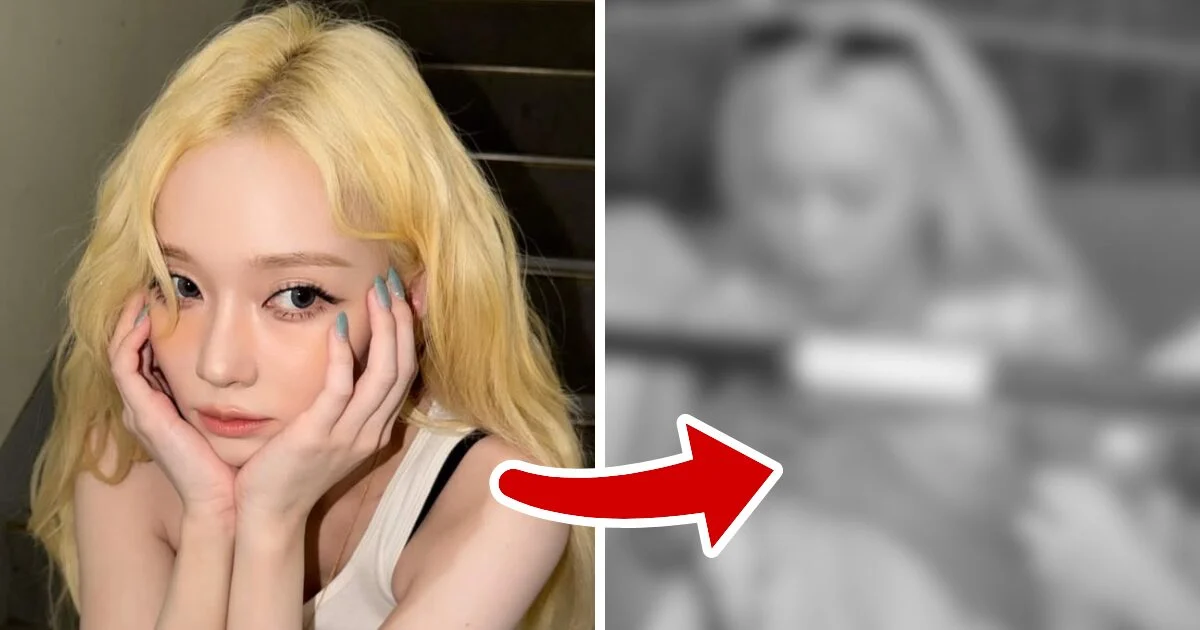
The intersection of celebrity endorsements and public behavior has once again become a focal point of intense scrutiny within the South Korean entertainment industry. At the center of the current discourse is Winter, a prominent member of the globally recognized K-pop quartet aespa, who recently found herself at the heart of an online controversy regarding her professional obligations as a brand ambassador. The incident, which unfolded during the Seoul Jazz Festival, has sparked a complex debate concerning the legalities of advertising contracts, the ethical expectations placed upon idols, and the competitive landscape of the South Korean beverage market.
The Incident at the Seoul Jazz Festival
During the late May weekend of the Seoul Jazz Festival, an event renowned for attracting high-profile celebrities and music enthusiasts alike, Winter was spotted enjoying the performances in a casual capacity. As is common for idols of her stature, her presence was documented by numerous fans and attendees, with photographs quickly circulating across social media platforms. However, one specific set of images caught the attention of eagle-eyed netizens and industry observers.
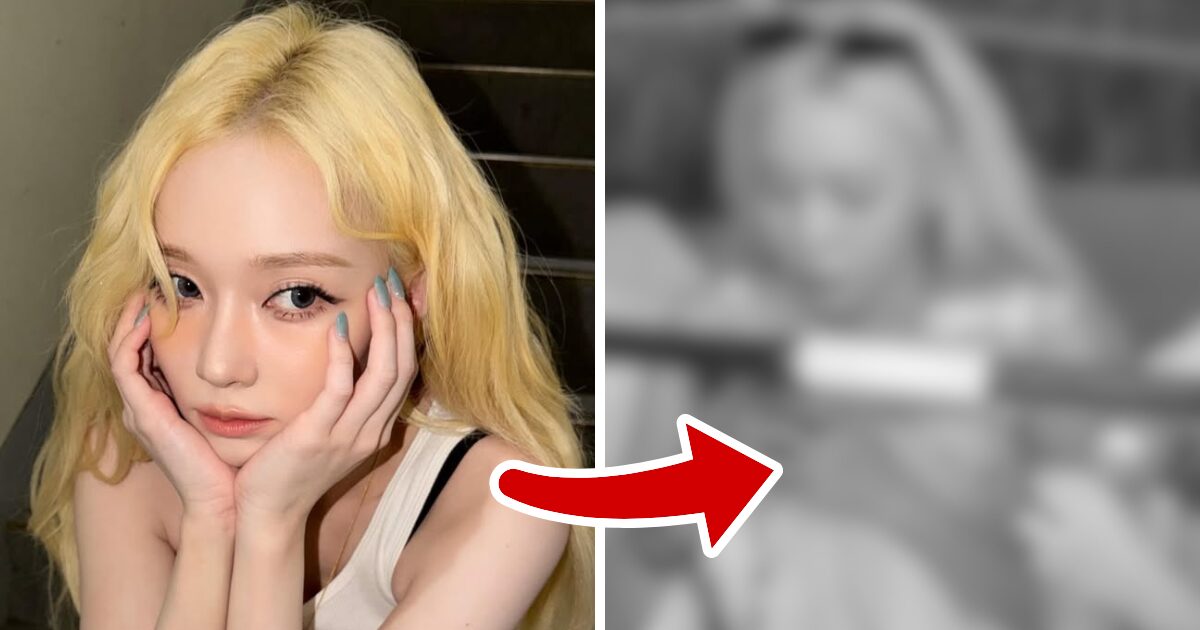
In these photographs, Winter was seen holding a bottle of Pocari Sweat, a popular ion supply drink. While such an act would typically be considered mundane, it immediately raised questions due to Winter’s current professional status. She is the official face and primary brand model for Toreta, a rival electrolyte beverage produced by Coca-Cola Korea. The visibility of a competing product in the hands of a high-profile spokesperson is often viewed as a "faux pas" in the rigid world of South Korean corporate endorsements, leading some to speculate whether this constituted a breach of contract or a violation of broader advertising regulations.
The Viral Allegation and Online Reaction
The controversy gained significant momentum following a post on the popular Korean community portal Pann. The original poster (OP) shared the images of Winter with the Pocari Sweat bottle and questioned the legality of her actions. The post, titled with a provocative inquiry into whether Winter had violated advertising laws, suggested that her endorsement deal with Toreta could be in jeopardy.
"Isn’t this a violation of advertising laws?" the post questioned. "She’s a Toreta model, but yesterday at the Seoul Jazz Festival, she was repeatedly photographed holding Pocari Sweat. Looks like one of her few endorsement deals is going to disappear."
The post quickly went viral, garnering thousands of views and hundreds of comments. However, rather than joining in the criticism, a substantial majority of the Korean netizen community rallied to Winter’s defense. Many users pointed out the absurdity of the "legal" claim, noting that personal consumption at a public event rarely falls under the jurisdiction of national advertising laws, which are primarily designed to prevent deceptive marketing and unfair trade practices. Furthermore, commenters emphasized that at large-scale festivals, beverage choices are often limited by the event’s specific sponsors, meaning Winter may not have had a choice in what hydration was available to her.
Market Dynamics: Toreta vs. Pocari Sweat
To understand the sensitivity of the situation, one must look at the competitive landscape of the functional beverage market in South Korea. Pocari Sweat, manufactured by Dong-A Otsuka, has long been the dominant player in the electrolyte and ion drink category. Its blue-and-white branding is iconic, and it has a decades-long history of utilizing top-tier Hallyu stars for its marketing campaigns.

Toreta, launched by Coca-Cola Korea, was positioned as a lighter, more refreshing alternative with a focus on "daily hydration." Since its inception, Toreta has aggressively marketed itself to younger demographics, often selecting "it-girls" of the moment to serve as its brand ambassadors. Winter was selected as the face of Toreta due to her "pure and refreshing" image, which aligns with the brand’s identity.
In the world of high-stakes corporate marketing, "exclusivity" is a standard clause. While these contracts typically prohibit a model from appearing in official advertisements for a competitor, the gray area of "private life visibility" remains a point of contention. Brands pay a premium for an idol’s image, expecting that the idol will embody the brand’s lifestyle both on and off the clock.
Legal vs. Contractual Implications
The original allegation conflated two distinct issues: "advertising laws" and "contractual obligations." In South Korea, the Fair Labeling and Advertising Act governs how products are promoted to the public. This law gained notoriety in recent years during the "Dwit-gwango" (backdoor advertising) scandal, where influencers and celebrities were penalized for promoting products without disclosing that they were paid to do so.
In Winter’s case, there is no evidence of "backdoor advertising" for Pocari Sweat. She was simply a consumer at a public event. Therefore, the claim that she "broke advertising laws" is factually inaccurate from a legislative standpoint.

The more pertinent question involves her civil contract with Coca-Cola Korea. Most endorsement contracts for K-pop idols include "image maintenance" or "non-compete" clauses. These clauses often stipulate that the model should avoid being seen publicly using a direct competitor’s product, as it can dilute the brand’s messaging and provide "free advertising" to the rival. However, legal experts note that unless the act was a deliberate, paid promotion for the competitor, it rarely results in a formal breach of contract. Usually, such incidents are handled with a private warning or a request for more discretion in the future.
Contextual Factors of the Seoul Jazz Festival
A critical factor often overlooked by online critics is the logistical reality of major festivals. The Seoul Jazz Festival, like many large-scale events, operates through exclusive sponsorship deals. If a specific beverage company is a primary sponsor, their products are often the only ones sold at the venue booths.
Industry insiders suggest that if Pocari Sweat or its parent company had a presence at the festival, the organizers would have provided those drinks to VIP guests and performers. For an idol attending an event, refusing a drink provided by the host or the only available hydration source could be seen as difficult or impractical. Netizens highlighted this, arguing that Winter’s primary concern was likely staying hydrated in the festival heat rather than calculating the branding implications of her water bottle.
The Evolution of Idol Brand Ambassadorships
The role of a K-pop idol as a brand ambassador has evolved significantly over the last decade. In the past, idols were simply faces on a billboard. Today, they are "human brands." Every aspect of their public life, from their airport fashion to their Instagram stories, is a potential marketing opportunity.

This heightened visibility has led to increased pressure. Brands like Toreta invest millions of won into campaigns featuring stars like Winter, hoping to capture the loyalty of the "MZ Generation." When a star is seen with a rival product, it can lead to "brand dissonance." However, the modern consumer is also becoming more savvy. Many fans now view overly rigid enforcement of brand loyalty in an idol’s private life as "corporate overreach." The overwhelming support for Winter suggests a shift in public sentiment, where fans prioritize the human element of the idol over the commercial interests of the corporation.
Comparative Analysis of Previous Controversies
This is not the first time a K-pop idol has faced scrutiny for their choice of consumer goods. In the past, idols have been criticized for holding iPhones while being Samsung Galaxy models, or for wearing rival luxury brands while under contract with a specific fashion house.
For instance, several members of groups like BLACKPINK and BTS have navigated the delicate balance of being global ambassadors for high-end brands. In those cases, the "rules" are often more strictly enforced regarding public appearances (red carpets, music videos, and official social media posts). However, even in those high-stakes environments, "accidental" sightings of rival products rarely lead to the termination of a contract unless the behavior is repetitive or clearly malicious.
Potential Impact on Winter’s Career and Toreta’s Campaign
Despite the viral nature of the Pann post, industry analysts believe the impact on Winter’s career and her relationship with Toreta will be negligible. Winter remains one of the most sought-after idols in the industry, and her association with Toreta has been widely considered a success, contributing to a positive brand image and increased sales among aespa’s massive fanbase.
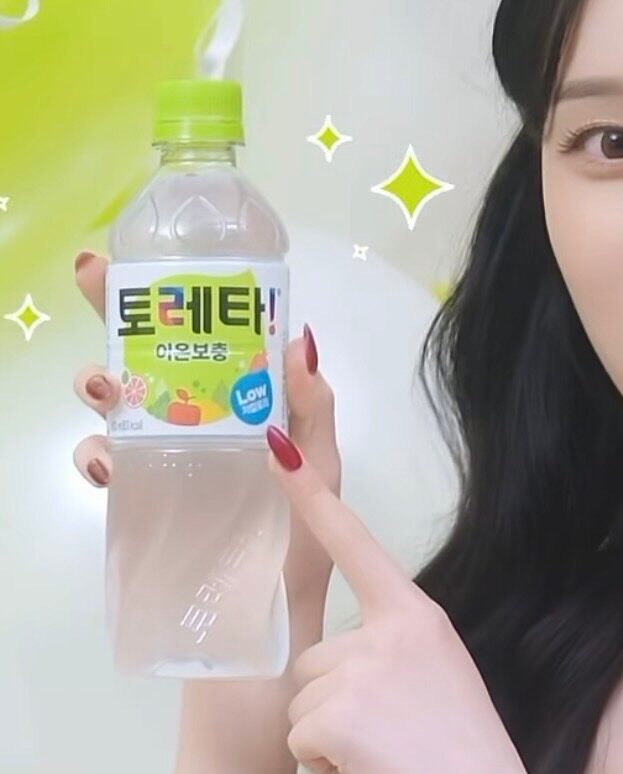
If anything, the controversy has provided Toreta with a unique opportunity for "organic engagement." Brands that respond to these minor slip-ups with humor or grace often see a boost in consumer favorability. For example, if Toreta were to send a "care package" of their drinks to Winter’s next event, it would reinforce the partnership while acknowledging the festival incident in a lighthearted manner.
Conclusion: The Realities of Modern Stardom
The debate surrounding Winter and the Pocari Sweat bottle serves as a microcosm of the intense pressure faced by modern K-pop idols. Every action, no matter how trivial, is subject to interpretation through the lenses of law, contract, and public morality.
While the initial post attempted to frame the incident as a legal transgression, the subsequent defense by the public highlights a growing demand for a more realistic approach to celebrity endorsements. As Winter continues her activities with aespa and her various brand partners, this incident will likely be remembered not as a legal failing, but as a reminder of the constant surveillance idols endure and the protective nature of the fans who support them. In the fast-paced world of Korean entertainment, today’s "scandal" is often tomorrow’s forgotten news, especially when the facts point toward a simple moment of a young woman staying hydrated at a music festival.