 Kholidah
The South Korean entertainment industry, often celebrated for its polished global image and the meteoric rise of "Hallyu," has once again been forced to confront a darker reality lurking behind the camera. Recent resurfacing of allegations made by former actress Heo Yi Jae has sent shockwaves through online communities, reigniting a national conversation regarding the systemic abuse of power and sexual harassment within the domestic television and film sectors. Heo, who was once hailed as one of the industry’s most promising rising stars, provided a harrowing account of the events that led to her sudden and permanent retirement from acting more than a decade ago.
The Rise and Abrupt Departure of Heo Yi Jae
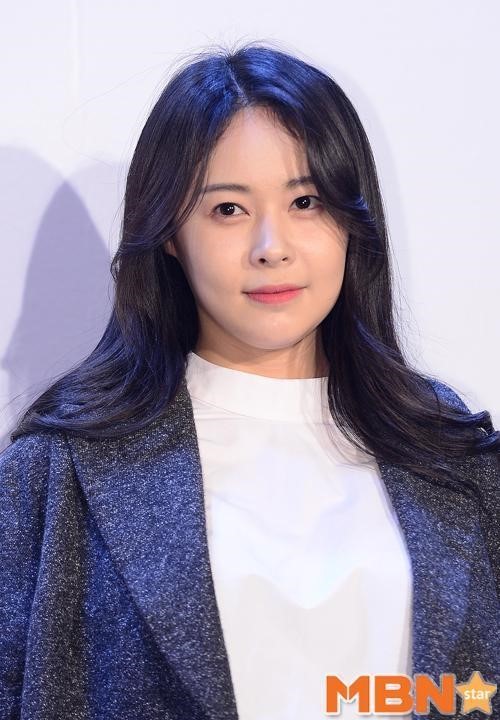
Heo Yi Jae entered the South Korean entertainment scene in the mid-2000s with significant momentum. Often referred to by the media as the "next Kim Tae-hee" due to her striking visuals and natural acting ability, she secured leading roles in high-profile projects such as the MBC drama Prince Hours (also known as Goong S) and the film Sunflower. By 2008, she was widely considered to be on a direct trajectory toward A-list status, possessing the rare combination of commercial appeal and critical potential.
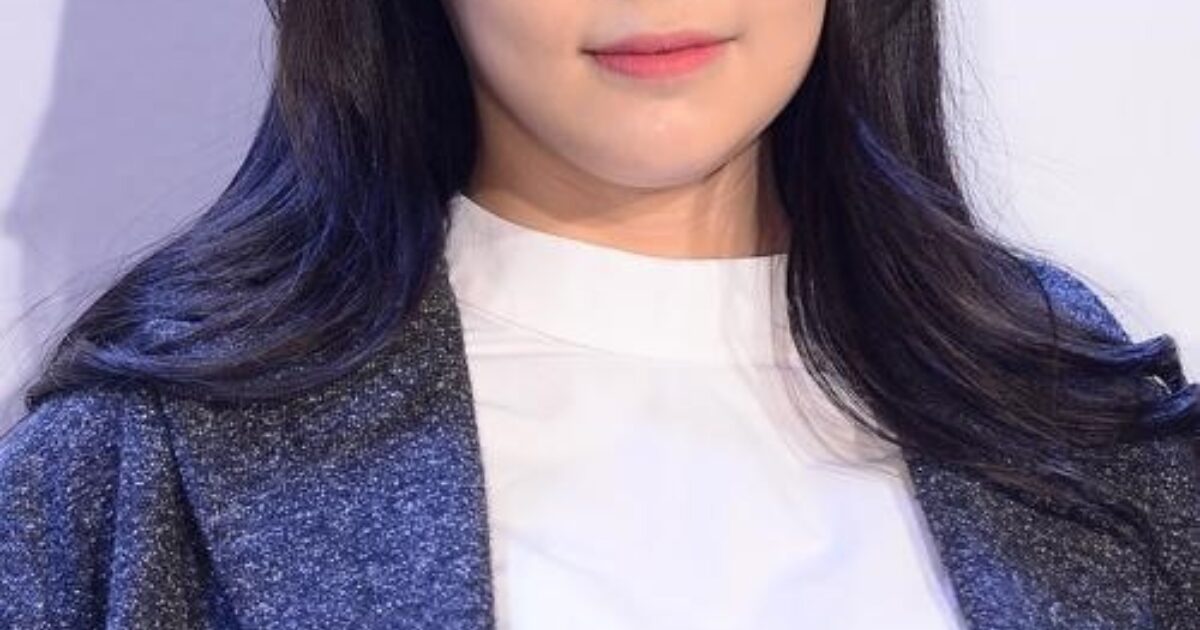
However, in 2011, at the height of her visibility, Heo Yi Jae abruptly stepped away from the industry. At the time, her departure was shrouded in ambiguity. While she eventually married and focused on her personal life, industry insiders and fans remained puzzled by why a talent of her caliber would vanish so completely from the screen. For ten years, the public assumed her retirement was a personal choice driven by a desire for a private life. It was not until 2021 that the actress decided to break her silence, revealing that her exit was not a choice made out of preference, but a desperate escape from a toxic and predatory environment.
The 2021 Revelation: Breaking a Decade of Silence
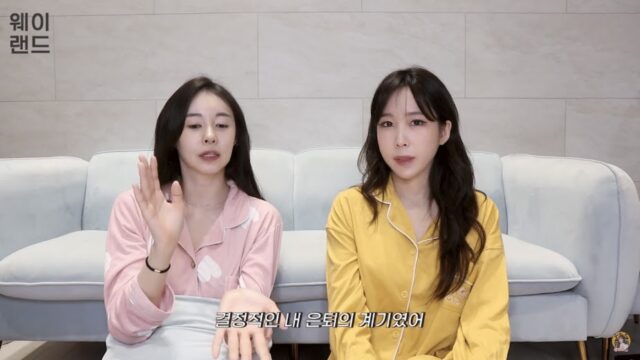
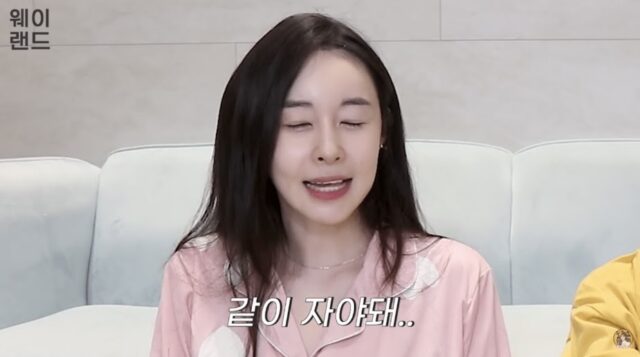
In September 2021, Heo Yi Jae appeared as a guest on a YouTube video hosted by Way, a former member of the K-pop group Crayon Pop. During the candid interview, Heo detailed the specific instances of "gapjil" (abuse of power) and sexual harassment that shattered her mental well-being. She identified one particular married actor, who was her co-star in her final project, as the primary reason for her departure.
According to Heo, the harassment began with psychological manipulation and evolved into aggressive sexual solicitation. She recalled that the actor in question initially treated her with kindness, but his demeanor shifted drastically when she did not respond to his romantic or sexual advances. The environment on set became increasingly hostile, characterized by verbal abuse and physical intimidation.

Detailed Allegations of On-Set Misconduct
The most chilling aspect of Heo’s testimony involved a specific confrontation in a dressing room. Heo alleged that the actor, who was married at the time, approached her under the guise of discussing their lack of "chemistry" on screen.
"He said to me, ‘Do you know what people have been saying about our drama?’" Heo recounted. When she asked for clarification, he reportedly replied, "They are saying that we don’t seem like a couple." He then allegedly proceeded to ask her, "Do you know what a male and female need to do in order to become closer as a couple?" Before she could respond, he told her plainly, "They need to sleep together."
Heo testified that the actor then asked her, "But you wouldn’t want to do that, right?" When she immediately refused, stating she had no intention of engaging in a sexual relationship, the actor’s professional facade collapsed. He reportedly began screaming at her, throwing objects across the room, and calling her a "fcking btch." Heo stated that the trauma of this encounter, combined with the lack of support from the production crew—who were aware of the actor’s behavior but remained silent—was the "last straw" that led her to quit the industry entirely.
A Timeline of the Controversy
The timeline of Heo Yi Jae’s career and the subsequent revelations provides a clear look at the duration of her silence and the eventual impact of her story:
- 2006–2008: Heo Yi Jae rises to fame with breakout roles in Prince Hours and Sunflower.
- 2011: Heo Yi Jae announces her retirement from the entertainment industry without a detailed explanation.
- 2016: A brief attempt at a comeback occurs with the drama You Are a Gift, but she remains largely out of the public eye afterward.
- September 2021: Heo appears on the YouTube channel WayLand and exposes the sexual harassment and verbal abuse she suffered from a married co-star.
- 2021–2024: The industry sees a slow but steady increase in "Me Too" style revelations, though many victims continue to speak anonymously due to strict defamation laws.
- 2026: Heo’s story resurfaces on major Korean online communities (such as theqoo and Nate Pann), sparking renewed outrage and calls for the industry to name and blacklist the perpetrator.
Supporting Data: Sexual Harassment in the Korean Arts Sector
Heo Yi Jae’s experience is not an isolated incident but rather a symptom of a broader cultural issue within the South Korean arts and entertainment sector. According to a 2018 survey conducted by the Korea Film Council (KOFIC) and the Women in Film Korea organization, approximately 46% of respondents in the film industry reported having experienced some form of sexual harassment.
Further data from the National Human Rights Commission of Korea suggests that the power imbalance between established male actors/directors and junior female actresses often creates an environment where "casting couch" demands are normalized. The study noted that 6.2% of female entertainers had been asked for sexual favors, while 31.5% had experienced unwanted physical contact. The hierarchical nature of Korean society, combined with the extreme competition for roles, often silences victims who fear that reporting abuse will lead to them being "blacklisted" by production companies.
Legal Hurdles and the "Truth-Defamation" Dilemma
One of the most frequent questions following Heo Yi Jae’s revelation was why she chose not to name the actor publicly. The answer lies in South Korea’s complex legal framework regarding defamation. Under Article 307 of the Criminal Act, an individual can be prosecuted for defamation even if the statements they make are entirely true. If the disclosure is deemed to have damaged a person’s social reputation without a "public interest" justification that satisfies the court, the whistleblower can face heavy fines or imprisonment.
This legal reality creates a significant "chilling effect," preventing victims from identifying their abusers. In Heo’s case, naming the actor could have resulted in a protracted and expensive legal battle that she, having been out of work for years, was ill-equipped to handle. Consequently, while the public has engaged in extensive speculation regarding the actor’s identity based on her filmography, no official charges or names have been confirmed.
Broader Impact and Industry Implications
The resurgence of Heo Yi Jae’s story has forced a reckoning regarding the "Gapjil" culture (the abuse of power by those in superior positions) that persists in Hallyu. While the industry has made strides in recent years—such as the introduction of "intimacy coordinators" on some high-budget sets and a more vocal "Me Too" movement—Heo’s account serves as a reminder of the talent lost to systemic toxicity.
The public reaction in 2026 reflects a growing intolerance for such behavior. Netizens have called for stricter regulations on set and for the permanent expulsion of actors found guilty of harassment. There is also a push for the reform of defamation laws to protect whistleblowers who speak out about sexual violence and workplace abuse.
Heo Yi Jae’s decision to speak out, even a decade late, has provided a sense of solidarity for other women in the industry who may be suffering in silence. It highlights the psychological toll of harassment, showing that the damage often extends far beyond the duration of the project, leading to the total derailment of promising careers. As the South Korean entertainment industry continues to expand its global footprint, the pressure to align its internal labor practices with international human rights standards is likely to intensify, ensuring that future actresses do not have to choose between their dignity and their dreams.