Muhammad Ibadurrohman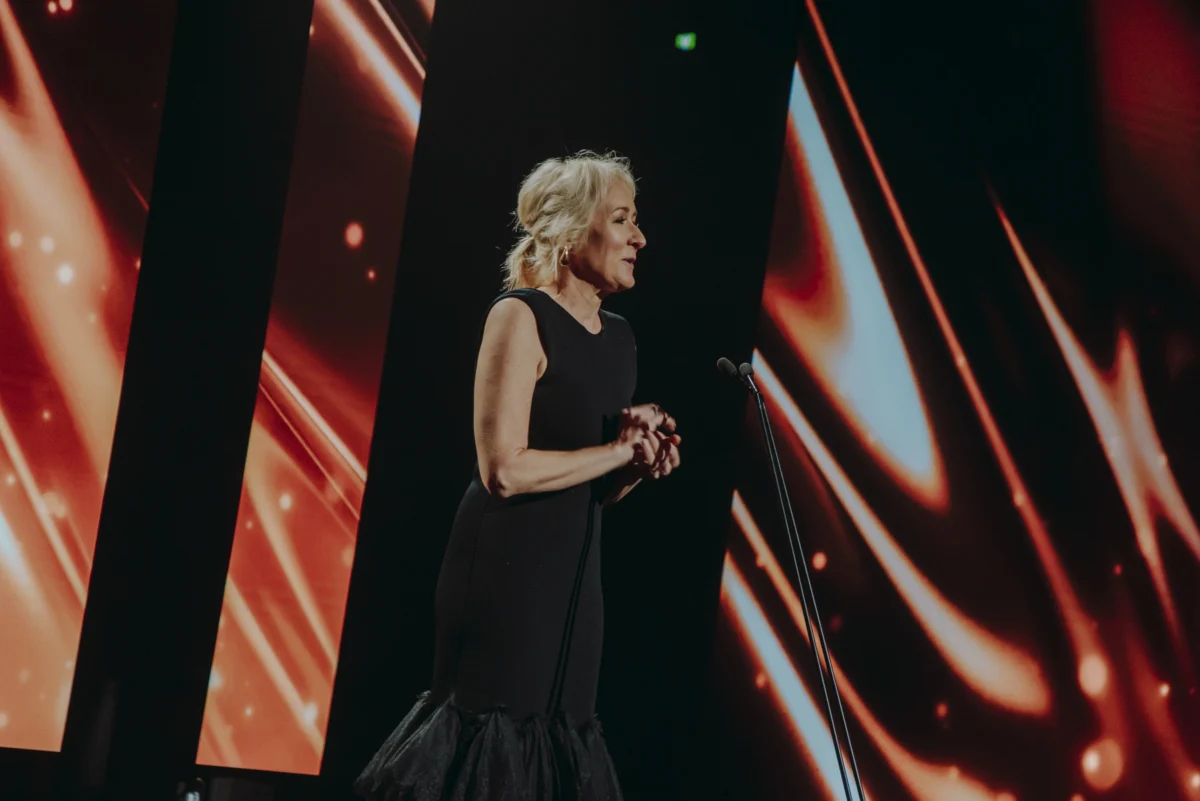
The 2026 ARIA Hall of Fame celebration, held on Thursday evening, June 11, transcended its traditional role as a moment for nostalgic reflection and industry camaraderie. While honoring six iconic Australian acts, the prestigious event served as a critical platform for the Australian recording industry to confront its most pressing contemporary challenge: the profound threat, and potential opportunity, presented by artificial intelligence (AI) to the creative community. The occasion, marking the first standalone Hall of Fame event since 2010 and coinciding with the ARIA Awards’ 40th anniversary, underscored a pivotal juncture for Australian music, where the preservation of human creativity and the integrity of copyright stand at the forefront of a rapidly evolving digital landscape.
A Night of Celebration, A Call to Action
The evening commenced with a spirit of reverence and celebration, recognizing the enduring legacies of Gurrumul, Jenny Morris, Kate Ceberano, Spiderbait, The Living End, and Vika and Linda. These inductees, through their extraordinary songs, captivating stage presence, and the sheer joy and emotion they have gifted audiences over decades, have collectively shaped the distinct sound and spirit of Australian music. ARIA CEO Annabelle Herd, in her opening address, acknowledged the significance of bringing the Hall of Fame back as an independent event, allowing for a dedicated tribute to these artists who took the early risks and paved the way for future generations. The presence of esteemed dignitaries, including Minister for the Arts Tony Burke, former Prime Minister of New Zealand Jacinda Ardern, Special Envoy for the Arts Susan Templeman, Senator Sarah Hanson Young, and Millie Millgate of Music Australia, further highlighted the cultural and political weight of the gathering. Herd extended gratitude to government bodies like Sound NSW, Music Australia, and the Office of the Arts for their unwavering support during a "difficult time of disruption and transition," acknowledging their commitment to enabling Australian music to flourish.
However, beneath the celebratory veneer, a palpable sense of urgency permeated the discussions. Herd swiftly pivoted from honoring past achievements to addressing the future, declaring AI as "the big, inescapable one." She framed the current moment as a critical "regulatory and political moment" that will define the trajectory of Australian music for generations to come.
Australia’s Stance on AI and Copyright: A Timeline of Advocacy
The Australian government and creative sector have been actively engaged in the debate surrounding AI and intellectual property for several years, laying crucial groundwork for the discussions at the ARIA Hall of Fame.
-
Late 2025 – Productivity Commission Report: Australia’s Productivity Commission concluded a year-long inquiry into Harnessing data and digital technology with a final report. Crucially, the Commission determined it would be "premature to make changes to Australia’s copyright laws." This recommendation came despite significant lobbying efforts from major tech companies advocating for broader exemptions to copyright for AI training purposes, particularly for text and data mining (TDM). The Commission’s cautious approach signaled a recognition of the complexities involved and the potential for unintended consequences for creators.
-
Prior to 2025 – Attorney-General’s Announcement: Before the Productivity Commission’s final report, Attorney-General Michelle Rowland had already delivered a significant victory for the creative industries. She announced that the federal government would not "water-down existing copyright protections." This decisive move effectively shut down the creative sector’s concerns that an exemption would be carved out for TDM, which would have allowed AI developers to freely use copyrighted material to train their algorithms without permission or compensation. This early government commitment provided a strong foundation for rights holders to continue their advocacy.
-
Industry Mobilization: In response to the ongoing discussions and the persistent pressure from big tech, the Australian music industry, led by ARIA, galvanized its forces. Prominent artists stepped forward as advocates, lending their voices and influence to protect creators’ rights. This roster of champions included ARIA Award winners Missy Higgins and Julian Hamilton of The Presets, Midnight Oil frontman and former Labor frontbencher Peter Garrett, and 2026 ARIA Hall of Fame inductee Kate Ceberano. Their collective advocacy highlighted the broad consensus within the creative community regarding the critical need to safeguard intellectual property in the age of AI.
These developments established Australia as a significant player in the global debate, demonstrating a proactive stance in balancing technological innovation with the fundamental rights of creators.
ARIA’s Clear Guidelines for AI in Music Awards
Further solidifying its position, ARIA recently clarified its specific guidelines regarding AI-generated music ahead of the 2026 ARIA Awards. These guidelines represent a pragmatic approach aimed at distinguishing human artistry from purely algorithmic creations, ensuring that the essence of artistic contribution remains central to the awards.

The updated rules stipulate that "recordings/items that incorporate elements of Artificial Intelligence (AI) may be submitted for entry, but only if a human is the primary creator of such recording/item and the human contribution is substantial and meaningful." This crucial clause emphasizes the indispensable role of human creativity and intent. Furthermore, the guidelines explicitly state that "AI cannot be the sole or central element of any recording/item that is submitted for entries." This prevents submissions where AI is merely a tool for generating content without significant human artistic direction.
Finally, ARIA added a critical ethical and legal requirement: "any AI services or tools used to assist in the creation of any potential nominees must be a properly authorized and lawful service/tool." This ensures that even when AI is used as an aid, it must be done in a manner that respects existing copyright laws and intellectual property rights, implicitly condemning the use of AI tools trained on unauthorized data. These clear directives from ARIA send an unequivocal message to the industry about the value it places on human authorship and ethical AI development.
The Stakes: Preserving Creativity, Protecting Culture
Annabelle Herd’s address at the Hall of Fame underscored the monumental stakes involved in the AI debate. She highlighted the intense lobbying efforts by tech companies, describing them as arriving in Canberra "waving very large cheques and promising generation-defining investment in Australia," contingent on "tiny tweaks" to copyright laws that would effectively "remove consent and control from artists and rightsholders."
Herd articulated the dire consequences for artists if the industry "gets this wrong":
- Loss of Consent and Control: Artists would lose the fundamental right to decide how their work is used by AI systems.
- Exploitation Without Compensation: Creators would be forced to watch their life’s work "disappear into someone else’s AI product to be exploited and monetised without permission or anything resembling fair payment." This directly threatens the livelihoods of artists and the economic sustainability of the creative sector.
- Cultural Erosion, Especially for First Nations: A particularly poignant concern raised by Herd was the potential for "unfettered access to extract and exploit thousands of generations of First Nations culture and storytelling." This highlights a unique vulnerability for Indigenous cultural heritage, where the nuances of cultural protocols and ownership could be profoundly violated by unregulated AI use.
Herd vehemently asserted that "a country with a creative and media culture as strong as ours will not rewrite its laws on the advice of the people who stand to profit most from dismantling them." She firmly declared that "tech companies do not decide how an artist’s music is used, on what terms or at what price. That is the prerogative of the artist and the copyright owner." This statement reinforces the principle of creator sovereignty over their intellectual property.
She expressed gratitude to Minister Burke, Attorney-General Michelle Rowland, and other government officials for "standing firm with creators so far in the face of this immense pressure," urging them to "hold firm!" Her impassioned plea reflected the industry’s determination to resist corporate pressure that could undermine the very foundations of creative endeavor.
Broader Impact and Implications: A Global Precedent
The discussions unfolding in Australia hold significant implications beyond its borders. As a developed nation with a vibrant creative sector, Australia’s approach to AI and copyright could set a precedent for other countries grappling with similar challenges. The "everyone wins" scenario envisioned by Herd involves a future where:
- Artists and Rightsholders: Retain consent, control, and fair compensation for the use of their work.
- Tech Platforms: Develop and deploy AI ethically, fostering innovation through authorized and respectful engagement with creative content.
- Consumers and Music Fans: Benefit from a rich and diverse ecosystem of human-created music, alongside ethically developed AI tools that enhance, rather than replace, artistry.
- Australian Economy: Sees growth driven by a thriving creative industry, supported by a robust legal framework that encourages both innovation and fair play.
Conversely, "getting it wrong" would not only devastate the Australian music industry but also send a chilling message globally, potentially encouraging a race to the bottom where creative rights are sacrificed for technological expediency. This could lead to a devaluation of human artistry, a proliferation of AI-generated content that lacks genuine emotional depth, and a significant disruption to the creative economy.
The industry’s commitment, as expressed by Herd, is unwavering. She insists the industry "will be like a dog with a bone on AI. It won’t give up." This tenacious stance reflects a deep understanding that the current moment is not just about a technological shift, but about defining the very essence of human creativity and its place in the future.
While the evening was undoubtedly a moment to celebrate Australian music’s past glories and its current stars, it served as a powerful reminder that the industry must also look resolutely to the future, prepared to defend its core values against unprecedented challenges. The ARIA Hall of Fame 2026 thus became a beacon, illuminating the path forward for an industry committed to ensuring that the next generation of Australian music is born from human ingenuity, protected by just laws, and celebrated for its authentic voice.