Kholidah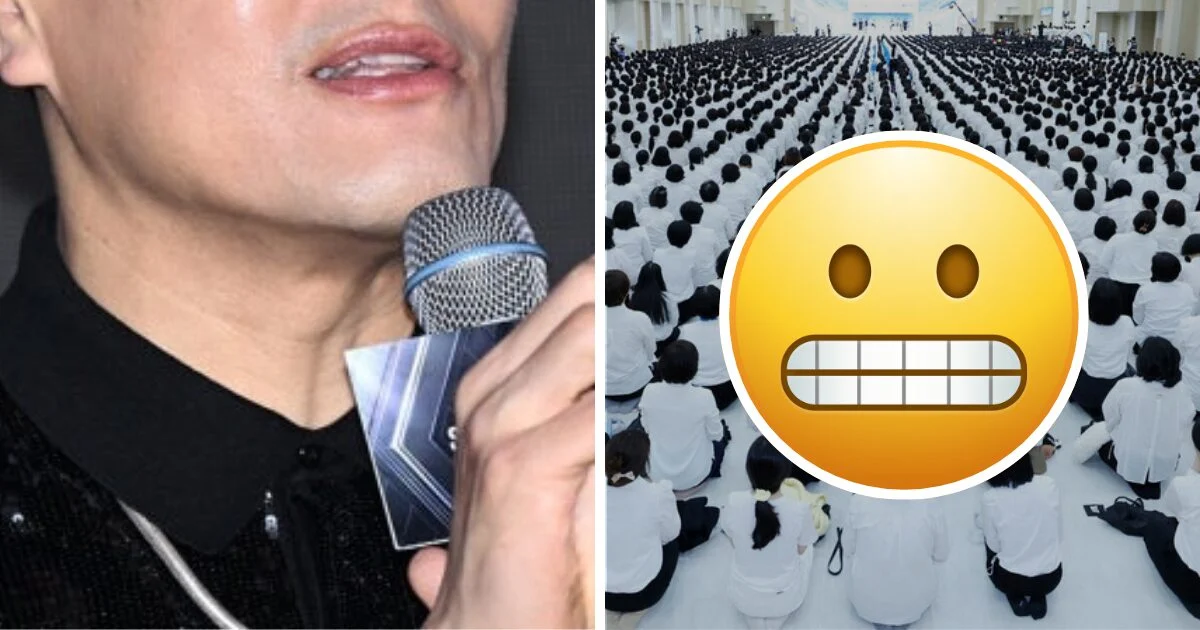
J.Y. Park, the influential founder and Chief Creative Officer of JYP Entertainment, has publicly addressed long-standing allegations regarding his religious affiliations, confirming that members of his organization, Firstfruits, include individuals with backgrounds in the controversial religious group Shincheonji. This admission, delivered via a sermon uploaded to the official Firstfruits YouTube channel, has reignited intense public discourse surrounding the intersection of K-pop leadership and South Korea’s complex landscape of new religious movements.
A History of Religious Scrutiny
The accusations linking J.Y. Park to fringe religious groups are not a recent development. The music mogul, who has long been known for his public expressions of faith, first faced significant scrutiny in 2018. At that time, investigative reports published by local media outlets suggested a connection between Park and the Evangelical Baptist Church, colloquially known in South Korea as the “Salvation Sect.” The sect gained notoriety for its alleged involvement in the administrative oversight of the operator of the Sewol ferry, which capsized in 2014, leading to a national tragedy.
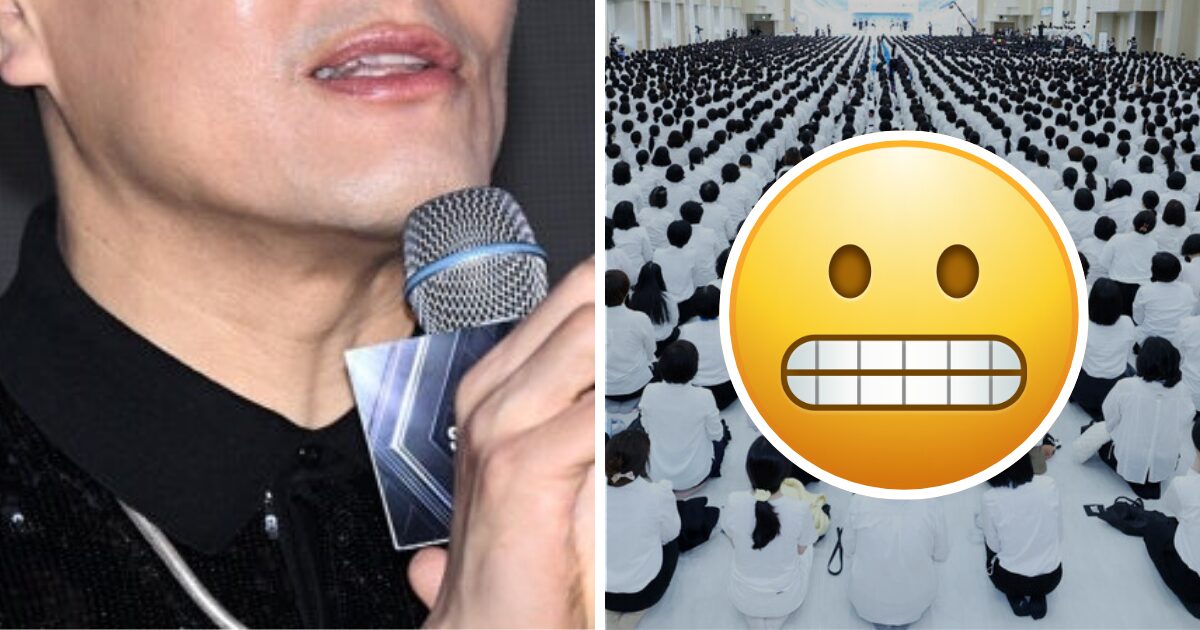
At the time of the 2018 reports, Park vehemently denied any formal membership or ideological alignment with the Salvation Sect. He maintained that his Bible studies were independent and personal. However, the release of his recent video lecture marks a shift in his communication strategy. By addressing the composition of his congregation directly from the pulpit, Park has brought the conversation back to the forefront of the public consciousness, forcing an examination of how his private spiritual life intersects with his role as a public figure and a corporate executive.
The Firstfruits Controversy and Shincheonji
In his latest video, Park sought to distance his organization from the accusations of being a "cult" by emphasizing that Firstfruits possesses its own distinct "spiritual genealogy." While he attempted to frame his church as an ecumenical gathering of believers from various backgrounds, his acknowledgment of Shincheonji members specifically has become the focal point of the controversy.
Shincheonji, officially known as the Shincheonji Church of Jesus, the Temple of the Tabernacle of the Testimony, is arguably the most scrutinized religious organization in modern South Korea. Founded by Lee Man-hee in 1984, the group has been widely labeled a cult by mainstream Christian denominations. The group’s aggressive proselytizing methods and secretive internal structure have frequently drawn condemnation. The organization became the subject of intense national ire in early 2020, when a massive COVID-19 outbreak was traced back to a Shincheonji congregation in Daegu. The subsequent investigation revealed that the group’s practice of encouraging members to attend services despite symptoms—and, in some cases, providing inaccurate information to health authorities—contributed significantly to the initial rapid spread of the virus in the region.

For many, the mere mention of Shincheonji carries negative connotations, making Park’s admission particularly sensitive. Critics have long pointed to similarities in the theological terminology used in Park’s early YouTube Bible lectures and the doctrines promoted by Shincheonji, suggesting a potential crossover in teaching materials or ideological origins.
Chronology of Events
- 2014: The Sewol ferry tragedy occurs; subsequent investigations lead to public scrutiny of the Salvation Sect.
- 2018: Reports emerge alleging J.Y. Park’s involvement with the Salvation Sect. Park releases a public statement denying these claims and asserting the independence of his Bible study group.
- 2020: The COVID-19 pandemic highlights the influence and controversial status of the Shincheonji church in South Korea.
- 2020–2025: Persistent online speculation continues regarding the theological alignment of J.Y. Park’s "Firstfruits" platform, with netizens analyzing sermon transcripts for parallels to existing cult doctrines.
- September 2026: J.Y. Park releases a video lecture explicitly naming Shincheonji as a background for some of his congregants, triggering a fresh wave of media coverage and public debate.
Analysis of Institutional Implications
The involvement of a high-profile industry leader in a controversial religious group presents a unique set of challenges for a major entertainment entity like JYP Entertainment. As one of the "Big 4" agencies in the K-pop industry, JYP Entertainment operates under a framework of corporate governance that demands a degree of public accountability.
While J.Y. Park’s religious activities are ostensibly private, the nature of the K-pop industry—which relies heavily on the public image and the moral standing of its founders and artists—means that such associations can have downstream effects. Investors and stakeholders often prioritize stability and the absence of social controversy. The potential association with a group as divisive as Shincheonji may complicate the brand’s image, particularly in the domestic Korean market, where public sentiment toward the sect remains overwhelmingly hostile.

From a sociological perspective, the movement of individuals from established, mainstream churches to smaller, independent, or "new" religious movements often occurs in search of more intense community experiences or specific theological interpretations. However, the "cult" label in Korea is applied not merely for unconventional beliefs, but often for practices that are perceived as socially disruptive, such as the alienation of members from their families or the exertion of undue control over members’ personal and financial lives. By admitting that his congregation serves as a destination for former Shincheonji members, Park is implicitly acknowledging a crossover that his critics have suspected for years.
Official Responses and Public Reaction
As of the time of this report, JYP Entertainment has not issued an official corporate statement regarding the video. This silence is consistent with the agency’s previous approach to handling personal controversies involving its founder. Typically, JYP Entertainment maintains a strict separation between its corporate operations and the private religious life of its leadership.
However, the response from the public and the media has been rapid. Several major news outlets in Seoul have dedicated significant airtime to analyzing the theological nuances of Park’s recent sermon, questioning why he chose to mention Shincheonji by name. Observers note that by acknowledging the presence of these members, Park may be attempting to preempt further investigative journalism by controlling the narrative, though the move appears to have backfired by confirming the very links he previously remained ambiguous about.
Broader Impact on the K-Pop Landscape
The broader implications of this situation touch upon the role of spirituality in the high-pressure environment of the entertainment industry. Many K-pop idols and executives turn to religious organizations for support, counseling, and community. However, when these organizations fall under the classification of "new religious movements" or are accused of cult-like behavior, the potential for reputational damage is significant.
This incident serves as a case study in the risks associated with the public dissemination of personal religious beliefs by high-profile figures. In the digital age, where every word can be archived and analyzed by a global fanbase, the boundary between a "private lecture" and a "public declaration" has effectively vanished. As the public continues to dissect the nuances of J.Y. Park’s statements, the entertainment industry is likely to face renewed calls for transparency regarding the outside influences that may be shaping the personal lives of those at the helm of its most powerful companies.
Whether this revelation will result in tangible consequences for JYP Entertainment or simply remain a point of cultural fascination remains to be seen. What is certain is that the intersection of theology and entertainment in South Korea remains a volatile space, one where the personal choices of a founder can have profound ripples across a multi-billion dollar industry.