Nayara Elvina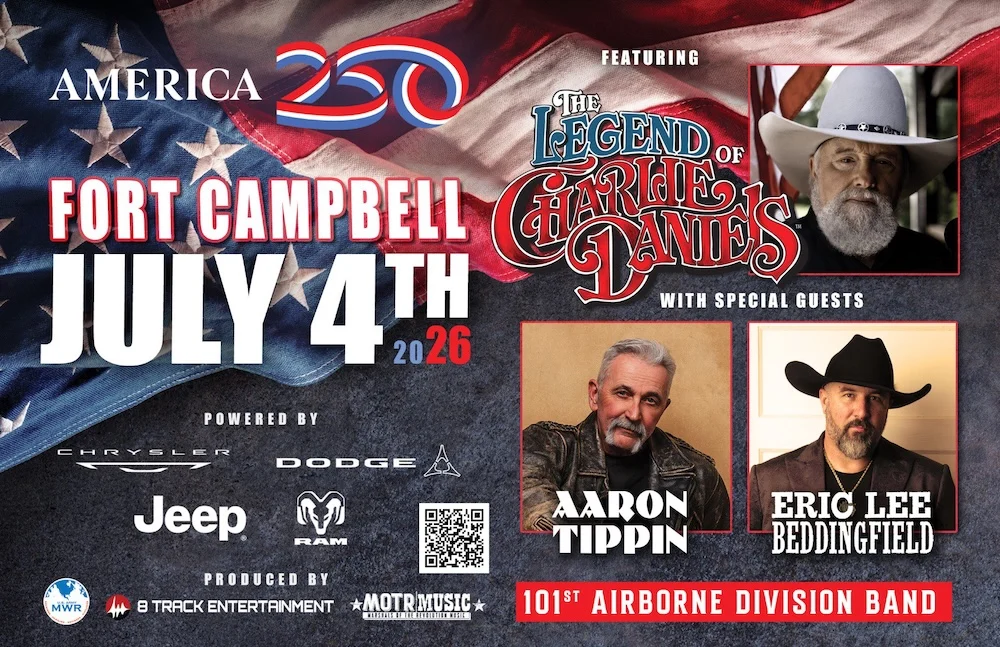
The intersection of cutting-edge technology and country music heritage is set to take center stage as the United States prepares for its 250th anniversary. In a landmark announcement for the 2026 Independence Day festivities, organizers have confirmed that the late Charlie Daniels, the legendary frontman of The Charlie Daniels Band, will return to the stage via advanced holographic technology. The event, titled The Legend of Charlie Daniels, is scheduled to headline the Fourth of July celebration at Fort Campbell, Kentucky, home of the 101st Airborne Division. This performance marks a significant milestone in the evolution of posthumous live entertainment, coinciding with the nation’s Semiquincentennial, a milestone that cities and military installations across the country are observing with unprecedented scale.
The Legacy of the Long Haired Country Boy
Charlie Daniels, a virtuoso fiddler and a cornerstone of Southern rock and country music, passed away on July 6, 2020, at the age of 81. His death, resulting from a hemorrhagic stroke at a hospital in Hermitage, Tennessee, left a void in the American music landscape. Over a career spanning more than six decades, Daniels became synonymous with a brand of music that blended bluegrass, rock, and gospel, punctuated by his fierce patriotism and support for the American military.
His most enduring hit, "The Devil Went Down to Georgia," released in 1979, earned him a Grammy Award and cemented his place in the Country Music Hall of Fame. Beyond his musical achievements, Daniels was a recipient of the AMVETS Silver Helmet Award and the Office of the Secretary of Defense Medal for Exceptional Public Service, honors that reflected his lifelong commitment to service members. It is this specific legacy that makes the choice of Fort Campbell for his digital resurrection particularly poignant.
Technical Execution and Artistic Integrity
The production of the holographic performance is being spearheaded by 8 Track Entertainment, a multi-faceted entertainment company that has worked in close coordination with the Daniels family. The primary objective of the project is to ensure that the digital representation of the artist maintains the highest level of authenticity, avoiding the "uncanny valley" effect that has occasionally plagued previous holographic ventures.
Charlie Daniels Jr., who has been instrumental in the oversight of his father’s estate, initially expressed skepticism regarding the project. His primary concern centered on the visual fidelity and the physical mannerisms of the hologram. According to statements released by the estate, the production utilizes motion-capture technology, where a live performer mimics the specific physical nuances of Daniels—including his unique stance and the intricate way he handled his fiddle—to drive the 3D model.
"I only agreed to it with the understanding that this could not in any way look strange, creepy, or unnatural," Charlie Daniels Jr. stated. He emphasized that if the result resembled a static animatronic figure, the project would have been terminated. However, after reviewing work-in-progress 3D models, the family noted that the technology has progressed to a point where it accurately captures the "vibrant and energetic" presence Daniels maintained even into his eighties.
Strategic Production Choices
Unlike the "ABBA Voyage" show in London, which utilizes "ABBAtars" to depict the band members as they appeared in their 1979 prime, The Legend of Charlie Daniels has opted for a different creative direction. The hologram will depict Daniels as he appeared in the later years of his life. This decision was made to align the digital performance with the memory most contemporary fans and military audiences have of the artist—a seasoned, authoritative figure who remained a powerful live performer well into his octogenarian years.
Furthermore, the production team has indicated that the hologram will be used "sparingly" throughout the set. Rather than a continuous digital presence, the hologram is intended to punctuate the show, allowing for a seamless blend between the digital tribute and live performances by human musicians. This approach is designed to maintain the emotional weight of a tribute concert while leveraging technology to provide a "headline" moment that would otherwise be impossible.
The Significance of Fort Campbell and the 101st Airborne
The selection of Fort Campbell as the debut site for this technology is a deliberate nod to Charlie Daniels’ personal philosophy. Throughout his life, Daniels was a vocal advocate for the U.S. Armed Forces, often stating that "only two things protected America: the Grace of Almighty God and the United States Military."
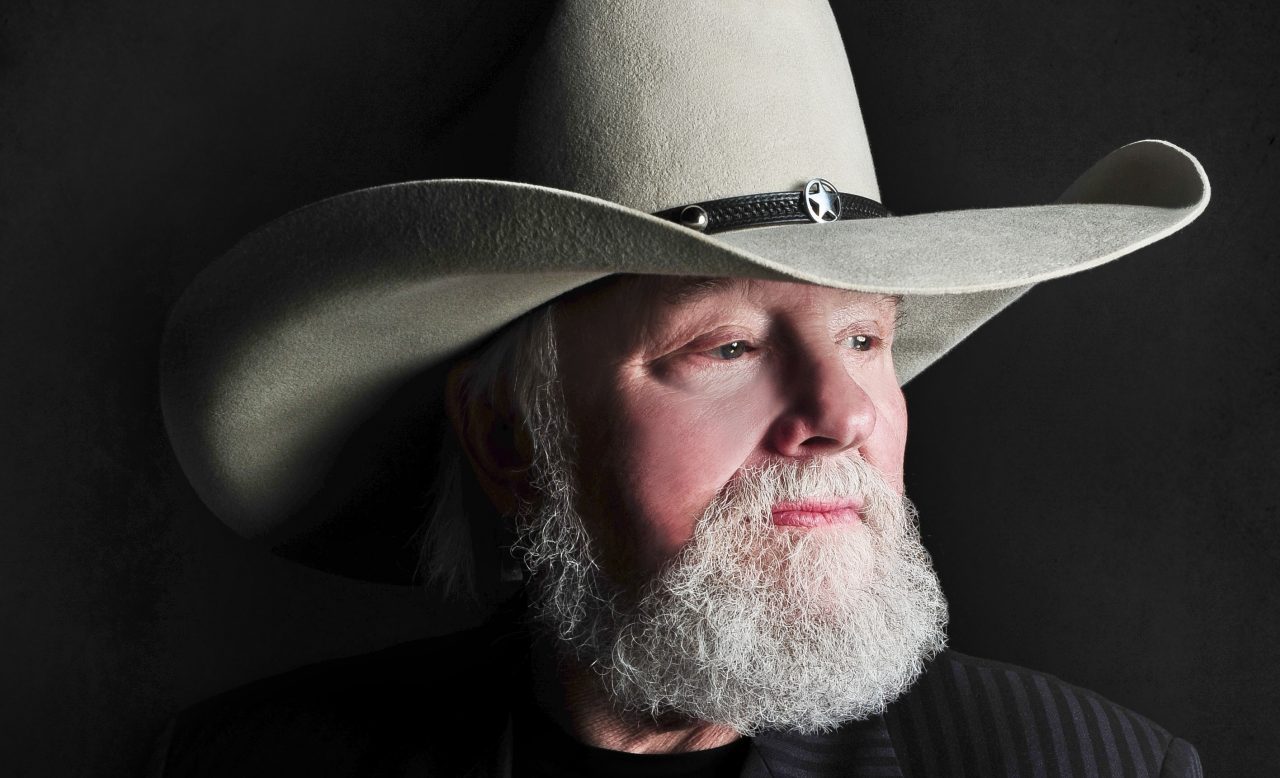
Fort Campbell, straddling the border of Kentucky and Tennessee, is one of the largest military installations in the world. As the home of the 101st Airborne Division (Air Assault), the "Screaming Eagles," the base represents the pinnacle of American military readiness. Hosting the debut of the Charlie Daniels hologram here on the nation’s 250th birthday serves as a symbolic homecoming for an artist who spent a significant portion of his career performing for troops through the USO and other charitable endeavors.
The Fourth of July event will not rely solely on technology. The concert lineup includes country music veteran Aaron Tippin, known for his own patriotic anthems like "Where the Stars and Stripes and the Eagle Fly," and Eric Lee Beddingfield. Adding to the local significance, the 101st Airborne Division Band will perform, ensuring that the musical tribute is grounded in the live traditions of the military community.
Contextualizing the Hologram Trend in the Music Industry
The resurrection of deceased artists through holographic technology is an expanding, albeit controversial, frontier in the global entertainment industry. The trend gained mainstream attention in 2012 when a digital likeness of rapper Tupac Shakur appeared at the Coachella Valley Music and Arts Festival. Since then, several high-profile tours have been launched featuring holographic versions of artists such as Roy Orbison, Ronnie James Dio, and Whitney Houston.
From a business perspective, these performances offer a way to monetize the intellectual property of iconic estates while providing fans with a simulated experience of seeing a legend live. However, the industry remains divided on the ethical and artistic implications. Proponents argue that it is a logical extension of film and recorded media, while critics suggest it can border on the exploitative if not handled with extreme care.
The Charlie Daniels project seeks to find a middle ground by involving the family directly in every stage of production. By prioritizing the "authentic" movements of the artist and choosing a specific venue that aligns with the artist’s values, the producers aim to set a new standard for how posthumous tributes are conducted.
Chronology of Development and Future Outlook
The development of The Legend of Charlie Daniels has followed a rigorous timeline to meet the 2026 deadline:
- July 2020: Death of Charlie Daniels.
- 2023-2024: Initial discussions between 8 Track Entertainment and the Daniels estate regarding the feasibility of a digital tribute.
- Late 2024: Commencement of 3D modeling and motion-capture sessions using historical footage and body doubles.
- 2025: Refinement of the "later years" visual model and integration with live audio tracks from Daniels’ final recorded performances.
- July 4, 2026: Scheduled debut at Fort Campbell for America’s 250th birthday.
Looking beyond the initial celebration, the estate and 8 Track Entertainment are evaluating the potential for a wider release. While no official tour dates have been confirmed, Charlie Daniels Jr. has suggested that 2026 may be dedicated to performances on military installations as a tribute to his father’s "Journey for the Troops" legacy. If public demand is sufficient and the technology is well-received, a commercial tour could follow in 2027.
Broader Implications for America 250
The United States Semiquincentennial, or "America 250," is a multi-year initiative overseen by the U.S. Semiquincentennial Commission. The commission’s goal is to facilitate a non-partisan celebration that reflects on the nation’s history while looking toward the future. The integration of high-tech tributes like the Charlie Daniels hologram fits within the commission’s broader theme of American innovation.
As cities like Philadelphia, Washington D.C., and Nashville prepare for massive celebrations, the Fort Campbell event stands out as a unique fusion of tradition and futurism. It highlights how the music industry is adapting to the digital age, ensuring that the cultural icons of the 20th century remain visible and influential in the 21st.
For the attendees at Fort Campbell, the performance will be more than a technical demonstration; it will be a moment of collective memory. By bringing the "Long Haired Country Boy" back to the stage in a place he loved, for an anniversary he would have championed, the organizers are attempting to bridge the gap between the past and the present, ensuring that the "Devil Went Down to Georgia" continues to resonate for a new generation of Americans.