Nayara Elvina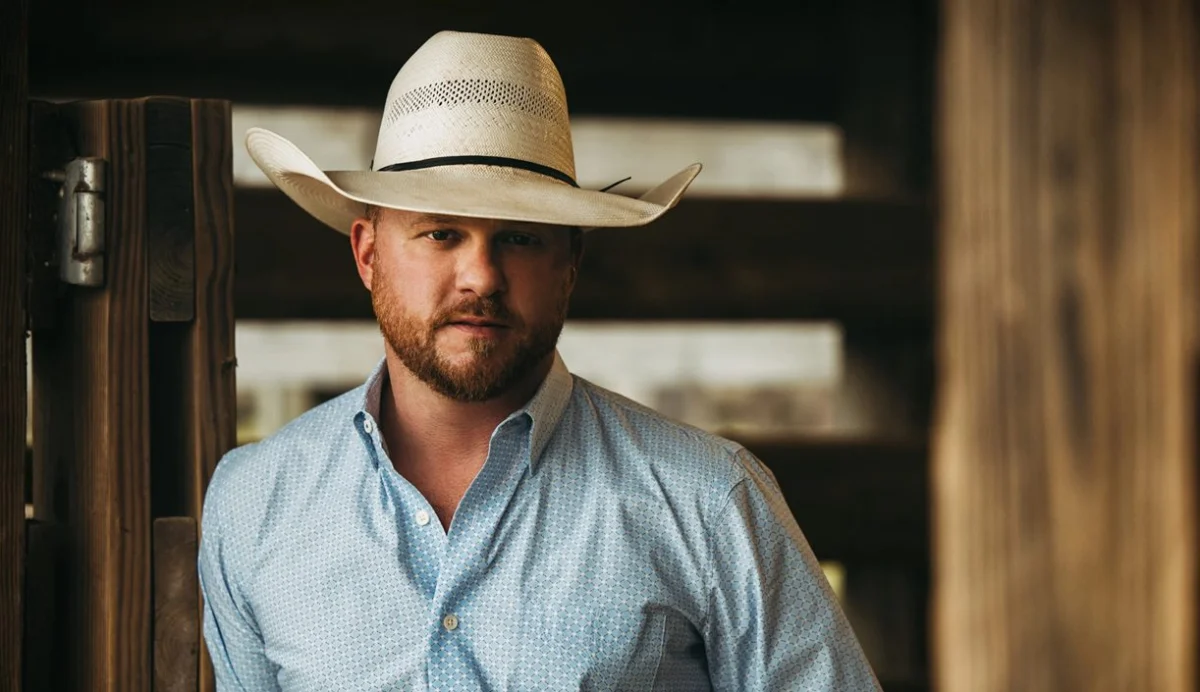
The landscape of contemporary country music is often characterized by its earnest explorations of heartbreak, patriotic fervor, or rhythmic celebrations of rural life. However, a specific subgenre—the humorous narrative song—has seen a marked decline in mainstream prominence over the last two decades. Cody Johnson, a standard-bearer for traditional country sounds, is actively working to reverse this trend with his latest single, "Horseback." Released as the lead track for his highly anticipated 10th studio album, Banks of the Trinity, the song marks a return to the "funny country" style popularized by icons such as Brad Paisley, Alan Jackson, and Toby Keith. By blending sharp wordplay with a traditional honky-tonk arrangement, Johnson is positioning himself as a modern steward of a storytelling art form that prioritizes wit and levity.
The Narrative Structure and Lyrical Wit of Horseback
At its core, "Horseback" is a subversion of the classic country breakup trope. While the majority of heartbreak anthems focus on the emotional devastation of a lost partner or the desperate desire for reconciliation, "Horseback" pivots toward a more pragmatic, albeit comical, priority. The song tells the story of a man who has been stripped of his assets in a contentious divorce, yet his primary grievance is not the loss of his wife, his home, or his financial stability, but rather the loss of his favorite horse.
The track was penned by a trio of seasoned Nashville songwriters: Randy Montana, Wyatt McCubbin, and Paul Sikes. Their collaborative effort shines through in the rhythmic cadence of the lyrics, which utilize internal rhyme and vivid imagery to paint a picture of a "gold digger with a quick trigger." The song’s protagonist finds himself living in a "double-wide on the county line," sipping "Lonestar Light" while his ex-wife enjoys the "greener pastures" she secured in the settlement.
The chorus serves as the comedic centerpiece of the track, explicitly listing the items the narrator does not miss—including the ex-wife, her sister, a Cadillac, and a diamond ring—before delivering the punchline: "I just want my horse back." This specific brand of humor relies on the "everyman" persona that Johnson has cultivated throughout his career, grounding the absurdity of the situation in the relatable, salt-of-the-earth values of the Western lifestyle.
Historical Context: The Legacy of Humor in Country Music
To understand the significance of "Horseback," one must look at the historical trajectory of humor within the genre. In the mid-20th century, artists like Roger Miller and Ray Stevens built entire careers on "novelty" or humorous tracks. Miller’s "Dang Me" and "Chug-a-Lug" demonstrated that country music could be both musically sophisticated and lyrically hilarious. This tradition was carried into the 1990s and early 2000s by superstars who understood that a well-placed funny song could provide a necessary reprieve from the heavy emotional weight of power ballads.
Brad Paisley’s 2002 hit "I’m Gonna Miss Her (The Fishin’ Song)" is perhaps the most direct spiritual ancestor to Johnson’s "Horseback." Paisley’s track, which describes a man choosing a day of fishing over his ultimatum-issuing girlfriend, became a multi-week number-one hit, proving that humor had significant commercial viability. Similarly, Alan Jackson’s "I Don’t Even Know Your Name" utilized a sprawling, comedic narrative to engage listeners.
However, as country music shifted toward the "Bro-Country" era of the 2010s and the subsequent rise of "Metropolitan" and "Country-Pop" sounds, the humorous narrative song largely faded from the airwaves. While artists like Ashley McBryde have recently experimented with the format—most notably with the track "Brenda Put Your Bra On"—it has remained a rarity in the mainstream. Cody Johnson’s decision to lead his 10th album with a humorous track is a deliberate attempt to reintegrate this element into the national country music conversation.
Production and Musicality: Maintaining Traditional Integrity
While "Horseback" is lyrically lighthearted, its musical production is handled with the same rigor as Johnson’s most serious ballads. The track features a "foot-tapping" melody driven by traditional instrumentation, including prominent fiddle and steel guitar. This ensures that the song appeals to Johnson’s core fan base—those who value the "Neotraditional" sound—while the catchy rhythm provides the crossover potential necessary for radio airplay.
The involvement of Randy Montana as a songwriter adds a layer of industry prestige to the project. Montana, known for his work with Luke Combs and other top-tier country acts, specializes in songs that feel timeless yet contemporary. By pairing Montana’s writing with Johnson’s authentic Texas drawl and "real-deal" cowboy persona, the track avoids falling into the trap of being a "gimmick" song. Instead, it feels like a natural extension of Johnson’s identity as a rancher and rodeo athlete.
Banks of the Trinity: A Milestone Project
"Horseback" serves as the opening statement for Banks of the Trinity, Cody Johnson’s 10th studio album. Scheduled for release on Friday, June 26, the album represents a significant milestone in Johnson’s career. The title itself is a nod to the Trinity River, which flows through Texas, reinforcing Johnson’s deep ties to his home state and the regional "Texas Country" scene that launched his career before he achieved national stardom.
The rollout of the album has followed a strategic pattern of staggered single releases, a common practice in the streaming era designed to maintain listener engagement over several months. By releasing "Horseback" as the lead track, Johnson is signaling a diversification of his musical portfolio. Following the massive success of his Grammy-winning hit "’Til You Can’t," which was an earnest anthem about seizing the day, the pivot to a humorous track like "Horseback" demonstrates his range and his refusal to be pigeonholed into a single emotional lane.
Market Analysis and Industry Implications
The commercial landscape for country music in 2024 is increasingly receptive to storytelling that breaks the mold of standard radio formulas. Data from streaming platforms indicates that narrative-driven songs often have a longer "shelf life" than trend-based tracks, as they invite repeated listens to catch the nuances of the lyrics. Furthermore, the rise of short-form video platforms like TikTok has created a new avenue for humorous songs to go viral. The "relatable" nature of a man wanting his horse back over his ex-wife is precisely the kind of content that thrives in a digital environment, potentially exposing Johnson to a younger, broader audience.
Industry analysts note that Johnson’s success is built on a foundation of authenticity. Because Johnson is a legitimate cowboy who resides on a ranch, the lyrics of "Horseback" carry a weight of truth that a "rhinestone cowboy" might lack. This authenticity is a valuable commodity in an era where audiences are increasingly skeptical of manufactured personas. By leaning into humor, Johnson is not undermining his credibility; rather, he is humanizing his "tough cowboy" image, showing a self-deprecating side that resonates with listeners.
Official Responses and Public Reception
While formal reviews of the full Banks of the Trinity album are pending its June 26 release, the early response to "Horseback" from both fans and critics has been overwhelmingly positive. Social media metrics show high engagement levels, with many listeners praising the song for its "classic" feel. In a social media post announcing the single, Johnson summarized the song’s appeal with characteristic brevity: "Most breakup songs are about getting the girl back. This one’s about getting the horse back."
This sentiment has been echoed by radio programmers, who often look for "tempo" songs to balance their playlists. "Horseback" provides that necessary energy while offering a lyrical hook that stands out during a standard broadcast hour. The song’s writers have also expressed their satisfaction with Johnson’s interpretation of the material, noting that his vocal delivery perfectly captures the "deadpan" humor required to make the punchlines land effectively.
The Future of the "Funny Country" Subgenre
Cody Johnson’s "Horseback" may be more than just a successful single; it could be a bellwether for a broader shift in the genre. If the track achieves significant chart success, it may encourage other mainstream artists and Nashville labels to take risks on humorous, narrative-driven content. In an industry that often takes itself very seriously, the return of wit and wordplay is a welcome development for many fans of the genre’s golden eras.
As the release date for Banks of the Trinity approaches, the focus remains on Johnson’s ability to bridge the gap between the rough-and-tumble world of Texas rodeo and the polished stages of Nashville. "Horseback" serves as a reminder that country music, at its best, is about the human experience—and sometimes, that experience is as simple and as funny as losing everything but still wishing you had your favorite horse. Through this release, Cody Johnson confirms that he is not just a singer of songs, but a curator of a rich musical heritage that values a good laugh as much as a good cry.