Lana Akmaluna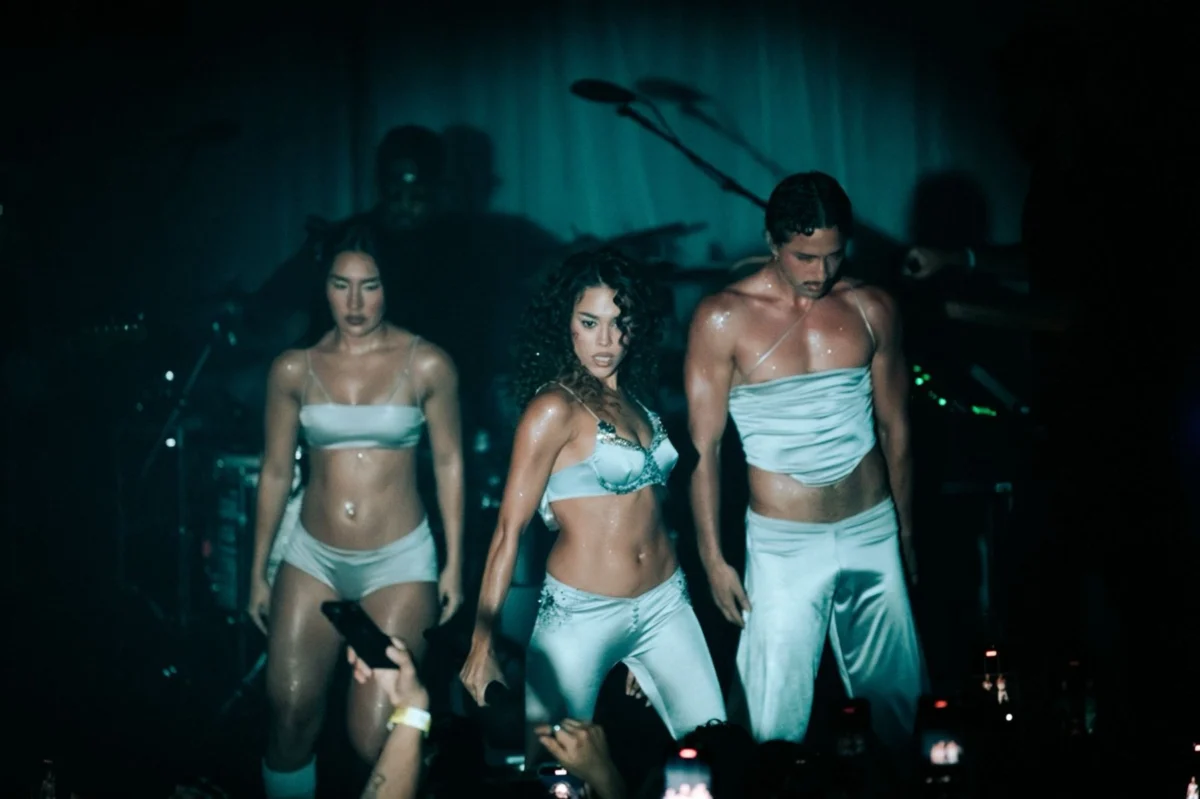
The global landscape of Latin music continues to expand beyond traditional borders, blending genres, industries, and generations in a week marked by historic "firsts" and deeply personal artistic statements. From the streets of Monte Grande, Argentina, to the hardwood of the Barclays Center in Brooklyn, the cultural footprint of Latin artists is increasingly characterized by high-level collaborations and a commitment to social equity. This week’s developments underscore a broader trend within the music industry: the intersection of Latin urban music with global production powerhouses, the rise of Mexican athletes and musicians on the world stage, and the continued push for gender diversity in live performance spaces.
Ruidosa Fest Returns to Lincoln Center for Third Consecutive Year
Ruidosa Fest, the trailblazing feminist music festival and platform founded by Chilean singer-songwriter Francisca Valenzuela, has officially unveiled its lineup for the 2026 New York City edition. Scheduled to return to the iconic Lincoln Center for the Performing Arts, the festival marks its third consecutive year at the venue, signaling a sustained commitment to addressing the gender gap in the music industry.

The 2026 bill is led by a diverse array of powerhouse voices, including Mexican folk-fusion icon Lila Downs, Brazilian pop phenomenon Pabllo Vittar, and the indie-pop sensibilities of Elsa y Elmar, alongside Valenzuela herself. The festival’s return comes at a critical time for the industry; according to data from the USC Annenberg Inclusion Initiative, female artists remain significantly underrepresented on major festival lineups, often making up less than 25% of the total bill. Ruidosa Fest serves as a direct counter-narrative to these statistics, providing a stage exclusively for female and gender-diverse performers.
Beyond the music, Ruidosa has historically integrated panel discussions and workshops aimed at dismantling systemic barriers for women in music production and executive roles. The choice of Lincoln Center—a bastion of high culture—reflects the growing mainstream recognition of gender-diverse Latin music as a vital pillar of the global arts scene.
Tiago PZK and Timbaland: A Cross-Continental Synergy in Argentina
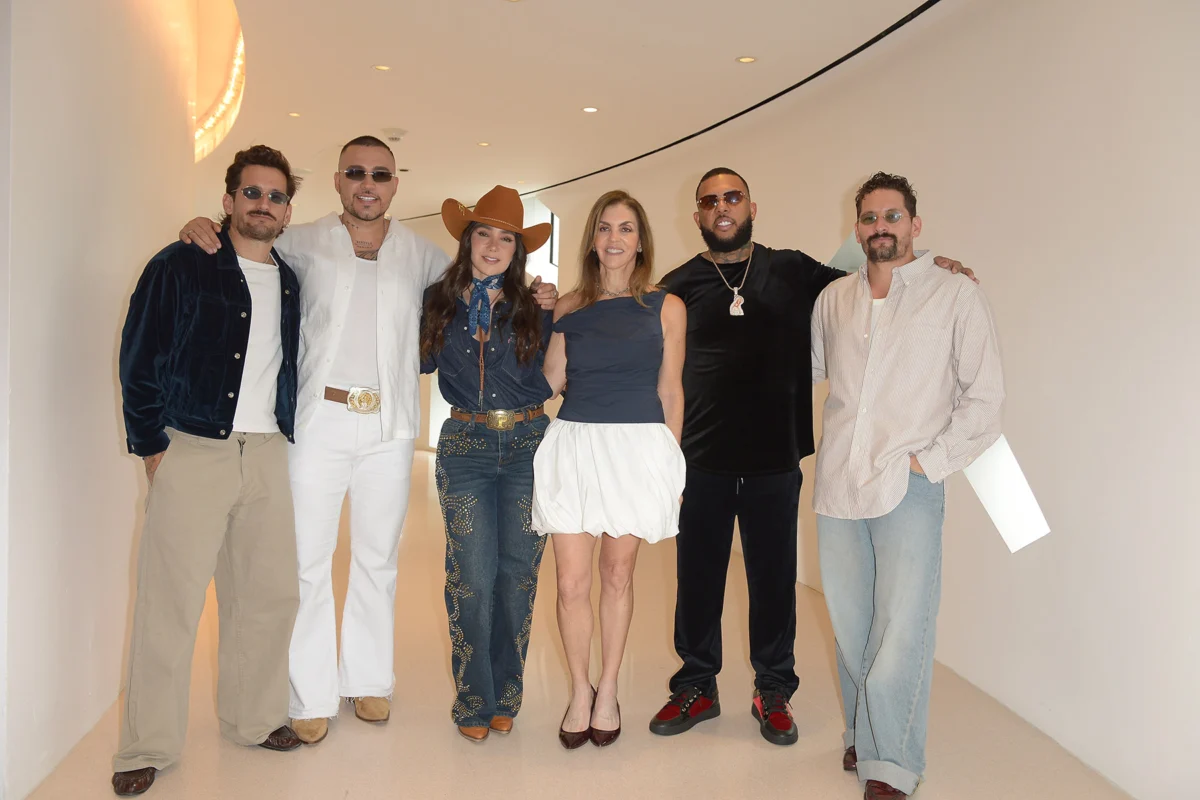
In a move that surprised both the urban and hip-hop communities, Argentine sensation Tiago PZK returned to his hometown of Monte Grande accompanied by legendary American producer Timbaland. The visit was more than a mere homecoming; it represented a symbolic bridge between the foundations of 1990s/2000s R&B/hip-hop production and the contemporary Argentine "urban" movement that has taken the world by storm.

Tiago PZK, a central figure in the explosion of the Argentine trap and reggaeton scene, hosted an intimate gathering that emphasized family and community roots. During the event, the duo teased unreleased music that reportedly blends Timbaland’s signature rhythmic syncopation with the melodic trap sensibilities of the "Gotti A" era.
This collaboration follows a series of high-profile moves by Argentine artists to align with global icons, further solidifying the country’s position as a premier exporter of talent. For Timbaland, whose production credits include Justin Timberlake, Missy Elliott, and Jay-Z, the partnership with Tiago PZK highlights the American industry’s recognition of the South American market’s creative and commercial viability. Industry analysts suggest that such collaborations are instrumental in driving Latin music’s streaming growth, which, according to RIAA reports, exceeded $1.1 billion in revenue in the United States alone during the previous fiscal year.
Historic NBA Draft Milestone for Mexico’s Karim López
The sports and music worlds collided at the Barclays Center this week as Karim López made history as the first Mexican-born player to be selected in the first round of the NBA Draft. The 19-year-old standout, who honed his skills with the New Zealand Breakers of the NBL’s "Next Stars" program, was supported by fellow Sonoran star Carín León.

León, a leading figure in the "Musica Mexicana" revolution, was seen courtside and backstage, highlighting the deep cultural bond shared by the new generation of Mexican icons. The presence of León at the draft is indicative of the "Mexican Power" movement—a term frequently used by both athletes and musicians to describe the unprecedented global visibility of Mexican culture.
López’s selection is a watershed moment for Mexican basketball, which has seen few representatives in the NBA compared to its soccer and baseball counterparts. His entry into the league follows in the footsteps of pioneers like Eduardo Nájera and recent stars like Jaime Jaquez Jr. The synergy between López and León underscores a broader marketing trend where Latin music stars act as ambassadors for athletes, creating a lifestyle brand that resonates with the massive Gen Z Latin diaspora in the United States.
DANNA’s Live Evolution at The Roxy Theatre
In Los Angeles, the artist formerly known as Danna Paola continued her metamorphosis into the experimental pop visionary "DANNA." Performing a sold-out show at the historic Roxy Theatre on the Sunset Strip, she officially launched the live chapter of her Lucid Dreams era.

The performance was a departure from her previous pop-ballad roots, showcasing a darker, more avant-garde aesthetic that aligns with her latest studio work. The Roxy, a venue known for hosting legendary acts in their developmental or transitional phases, provided an intimate backdrop for DANNA to reconnect with her core fanbase.
DANNA’s rebranding is a calculated move to distance herself from her "child star" image—a legacy of her years as a prominent actress in telenovelas and the Netflix series Elite. By focusing on a concept-driven live show, she joins a growing list of Latin artists who are prioritizing artistic autonomy and cohesive world-building over traditional commercial pop formulas. The sold-out status of the show confirms that her audience is willing to follow her into more experimental territory, a transition that is often difficult for artists with long-standing public personas.
Business Milestones: QSJ Songs and Miky Woodz
The business side of the Latin music industry also celebrated significant achievements this week. QSJ Songs, an independent publishing house, marked its fifth anniversary. In an industry often dominated by major labels, QSJ Songs has carved out a niche by championing a "writer-first" model. This approach recently bore fruit with a Billboard Latin Airplay No. 1, proving that boutique publishers can compete at the highest levels of the charts.

In tandem with these industry wins, Puerto Rican rapper Miky Woodz released "Carta a un Hijo," a track that deviates from his usual "OG" persona to explore the themes of fatherhood and legacy. The song reflects a maturing trend within the Latin urban genre, where artists are increasingly using their platforms to discuss personal growth, family values, and the pressures of fame. Such releases often see high engagement on social media platforms like TikTok and Instagram, where authenticity is a highly valued currency among younger listeners.
Analysis: The Globalization and Diversification of Latin Music
The events of this week are not isolated incidents but are symptomatic of a broader shift in the global entertainment economy. The diversification of Latin music—ranging from the feminist mission of Ruidosa Fest to the high-tech production of Tiago PZK and Timbaland—illustrates that the genre is no longer a monolith.
- Economic Impact: Latin music’s market share continues to outpace the general market in terms of growth percentage. The integration of music with major sports events, such as the NBA Draft, creates new revenue streams through apparel, sponsorships, and cross-platform content.
- Cultural Diplomacy: The collaboration between Timbaland and Tiago PZK acts as a form of cultural diplomacy, merging American hip-hop history with the future of Argentine urban music. This creates a "halo effect" that benefits emerging artists in both regions.
- Representation and Social Equity: Festivals like Ruidosa are essential for the long-term health of the industry. By creating spaces for gender-diverse artists, the industry ensures a wider variety of creative output, which in turn attracts a more diverse and loyal consumer base.
- Artistic Autonomy: The rebranding of artists like DANNA and the personal storytelling of Miky Woodz suggest that Latin artists are gaining more control over their narratives. This shift away from label-driven personas toward artist-driven concepts is a hallmark of the current "golden age" of Latin music.
As the year progresses, the momentum generated by these "uplifting moments" is expected to culminate in a record-breaking awards season and a robust summer touring circuit. The consistent presence of Latin artists in mainstream American cultural milestones—be it the NBA or the Sunset Strip—confirms that the "Latin Explosion" of previous decades has evolved into a permanent and dominant fixture of the global cultural landscape.