Nayara Elvina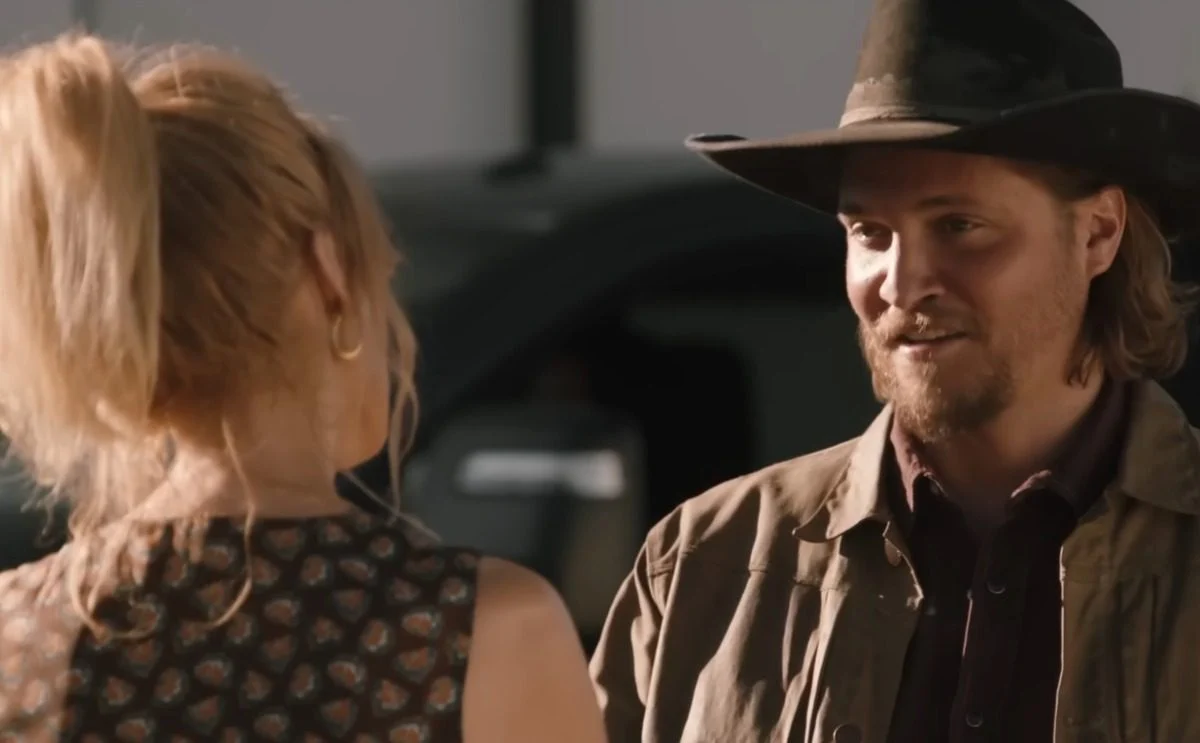
The television landscape has been significantly reshaped by the expansive universe of Taylor Sheridan, and the recent conclusion of the inaugural seasons of Dutton Ranch and Marshals has only solidified this dominance. Following the record-breaking success of the original Yellowstone series, these spinoffs were tasked with maintaining the momentum of the Dutton family saga while forging their own distinct identities. As the first chapters of both series come to a close, the production has officially confirmed that both Dutton Ranch and Marshals have been renewed for second seasons, fueled by massive viewership numbers and a dedicated fan base that remains eager for more content. However, despite the commercial success, the first seasons left viewers with lingering questions regarding character continuity and the emotional fallout of significant plot developments, most notably the death of Monica Dutton.
In a recent comprehensive interview with TV Insider, lead actors Kelly Reilly and Cole Hauser, who portray the iconic Beth Dutton and Rip Wheeler, addressed these fan concerns directly. The dialogue surrounding the shows has been centered on a perceived lack of overlap between the two series, particularly concerning how the primary Dutton Ranch characters processed the tragic loss of Kayce Dutton’s wife, Monica. The absence of a shared mourning period or a crossover event to mark this pivotal death became a point of contention among viewers who have followed these characters for years.
The Narrative Gap and the Death of Monica Dutton
The death of Monica Dutton, a character who served as a moral compass and a bridge between the Dutton ranching empire and the Broken Rock Reservation, was a seismic event in the Marshals storyline. For fans of the original Yellowstone series, the transition into the spinoffs meant adjusting to a fractured narrative where characters often operate in silos. In Marshals, the focus remained tightly on Kayce Dutton’s professional and personal struggles following the tragedy, but the lack of a visible reaction from Beth and Rip in Dutton Ranch created what some critics have called a narrative disconnect.
Kelly Reilly acknowledged these concerns, describing the decision not to explore the immediate aftermath of Monica’s death across both shows as a "missed opportunity." Reilly’s interpretation of the timeline suggests that the events may have occurred in the "story world" just before the cameras began rolling on the current season of Dutton Ranch. She posited that Beth and Rip likely attended the funeral and supported Kayce off-screen, a creative choice that allowed both shows to establish their own footing without being immediately tethered to one another’s daily plot points.
"I imagine Beth and Rip had gone to Monica’s funeral, that there has been some connection and our story started after that," Reilly stated during the interview. She further suggested that the lack of "checking in" on Kayce was a result of the first season’s dense storytelling requirements, but expressed optimism that Season 2 would address these familial obligations more explicitly.
Logistical Challenges of Launching Dual Spinoffs
The decision to keep Marshals and Dutton Ranch relatively separate during their first seasons was not merely a creative one but also a logistical necessity. Launching two high-budget, prestige dramas simultaneously requires an immense amount of coordination, resources, and production focus. Reilly hypothesized that the primary goal for the producers, including Taylor Sheridan and the new showrunner Benjamin Cavell, was to ensure that each show could stand on its own merits before attempting complex crossover events.
In the television industry, crossovers are notoriously difficult to coordinate, often requiring synchronized filming schedules, shared assets, and meticulous script alignment to avoid continuity errors. For a franchise as sprawling as the Yellowstone universe, which films across vast locations in Montana and Texas, the physical distance between sets adds another layer of complexity. Reilly noted that now that the foundations of both spinoffs have been firmly established, the production team is better positioned to integrate the storylines in future episodes.
"We’re all both trying to start up these big shows," Reilly explained. "And I think we can see where there are gaps and we see where things needed to be fixed. And that’s what you get the opportunity to do in a Season 2. You get to go back and go, ‘Okay, we can do this one differently. We can make this better. We can take care of that.’"
Creative Leadership and the Road to Season 2
The evolution of Dutton Ranch and Marshals is being guided by a formidable creative team. While Taylor Sheridan remains the architect of the universe, the day-to-day operations and narrative direction of these spinoffs involve key figures such as executive producer Christina Voros and showrunner Benjamin Cavell. Cavell, known for his work on Justified and The Stand, brings a fresh perspective to the franchise, and Reilly indicated that the entire production team is aware of the fans’ desire for more interconnectedness.
The "list of things" to be addressed in Season 2 reportedly includes more than just crossovers. It involves refining the pacing, deepening character motivations, and ensuring that the emotional weight of the series’ history is felt in every episode. The involvement of Benjamin Cavell is seen as a strategic move to bring a structured, procedural expertise to the Marshals side of the story, while maintaining the operatic, high-stakes drama that defines Dutton Ranch.
Cole Hauser on the Rip and Kayce Dynamic
One of the most anticipated aspects of a potential crossover is the reconciliation or collaboration between Rip Wheeler and Kayce Dutton. Throughout the history of the franchise, the relationship between the two men has been characterized by mutual respect but also by significant tension, rooted in their different roles within the Dutton family hierarchy. Rip, the fiercely loyal enforcer, and Kayce, the biological son and heir, have rarely shared moments of levity or uncomplicated brotherhood.
Cole Hauser expressed a strong desire to see this dynamic shift in future episodes. He noted that a crossover would provide a unique opportunity to explore a different side of their relationship, perhaps one where they are united by a common goal or a shared moment of peace. "It’d be fun to see actually Kayce and Rip get along," Hauser remarked. "Have a scene where they’re actually happy together. I would absolutely love to see that and see it written and actually have some fun with him in some capacity."
Such a shift would not only satisfy long-term viewers but also add a new layer of emotional depth to the characters. As the Dutton family faces increasing external threats, the internal unity of its strongest members becomes a critical narrative engine.
Market Performance and the "Sheridan-verse" Expansion
The success of Dutton Ranch and Marshals is part of a broader trend in the entertainment industry where established intellectual properties (IP) are expanded into cinematic universes. Data from the first seasons indicates that the Yellowstone brand continues to draw "monster ratings," often outperforming traditional network dramas and even major streaming competitors. According to industry analysts, the "Sheridan-verse" accounts for a significant portion of the viewership on Paramount-affiliated platforms, with spinoffs like 1883 and 1923 previously setting the stage for this high level of engagement.
The demographic reach of these shows is particularly notable. They appeal to a wide array of viewers, from those interested in the modern Western aesthetic to fans of complex family sagas. By diversifying the narrative into multiple shows—one focusing on the internal politics of the ranch (Dutton Ranch) and the other on the legal and law enforcement aspects of the region (Marshals)—the franchise has effectively captured different facets of the same audience.
Broader Implications for the Future of the Franchise
The potential for a crossover in Season 2 represents more than just a fan service moment; it is a strategic move to solidify the continuity of the brand. In an era where "appointment television" is becoming rarer, creating a sense of a living, breathing world where events in one show have tangible consequences in another is a powerful tool for maintaining viewer loyalty.
The death of Monica Dutton serves as the ultimate test of this continuity. If the writers can successfully bridge the gap between the mourning period in Marshals and the reaction in Dutton Ranch, it will demonstrate a level of narrative sophistication that elevates the franchise beyond standard television drama. It also sets a precedent for future spinoffs, suggesting that while these stories may start independently, they are ultimately part of a singular, cohesive epic.
As production for the second seasons approaches, the expectations are high. The creative team, led by Sheridan and Cavell, faces the challenge of balancing individual show identities with the overarching needs of the franchise. With stars like Kelly Reilly and Cole Hauser openly advocating for more integration and a deeper exploration of family ties, the future of the Dutton saga appears to be moving toward a more unified and emotionally resonant direction. For the millions of fans who have invested years into the lives of these characters, the promise of a crossover is not just a dream, but a necessary evolution of the story.