Lana Akmaluna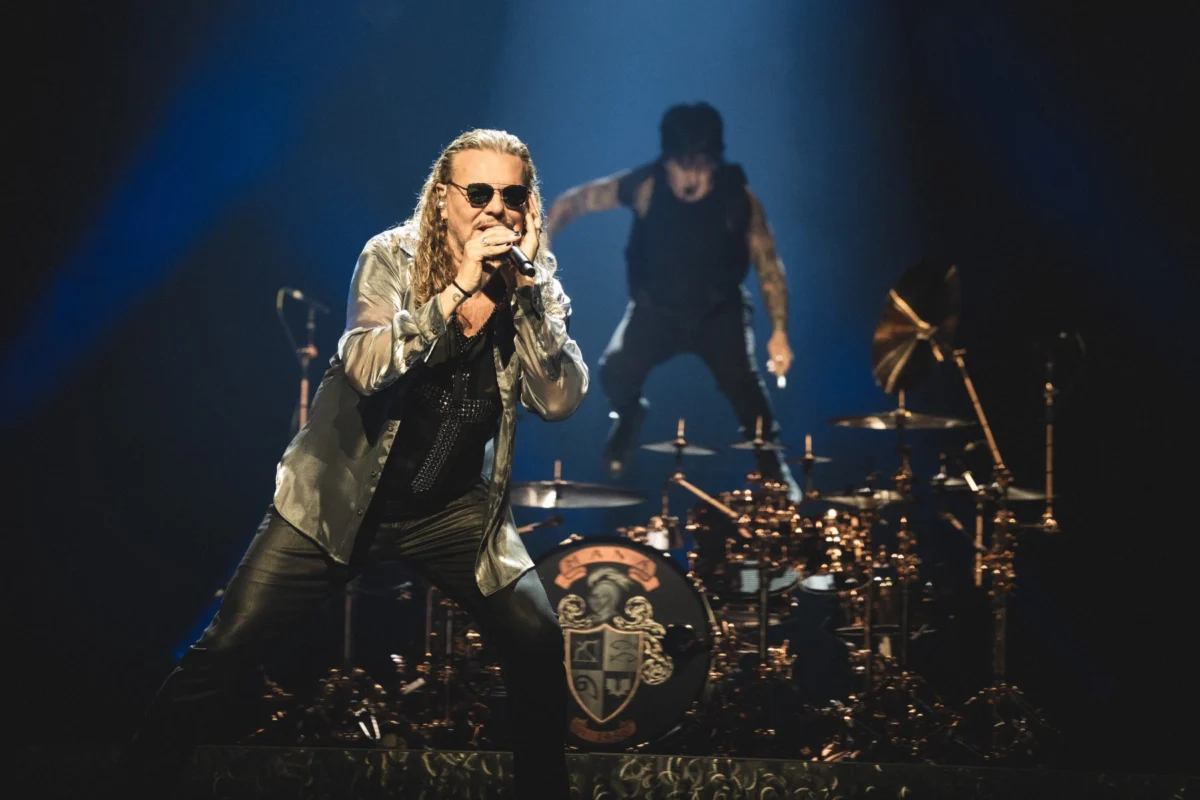
The FIFA World Cup 2026 will officially commence on June 11, 2026, with an ambitious opening ceremony at the Mexico City Stadium, featuring a diverse and high-profile musical lineup headlined by Maná, Alejandro Fernández, J Balvin, and Los Ángeles Azules. FIFA confirmed the roster on Friday, May 8, via its official social media channels, signaling the start of a multi-national tournament that will span Mexico, Canada, and the United States. Joining these iconic Latin acts are pop star Belinda, Mexican-American singer-songwriter Lila Downs, Venezuelan artist Danny Ocean, and South African breakout star Tyla. The selection of artists reflects a strategic effort by FIFA to blend traditional Mexican heritage with contemporary global sounds, mirroring the expansive and inclusive nature of the 48-team tournament.
The ceremony is scheduled to take place at the historic venue in Mexico City, referred to in official communications as the Mexico City Stadium (Estadio Banorte), which will make history as the first stadium to host three FIFA World Cup opening matches. According to the official announcement, the festivities will begin 90 minutes before the opening whistle of the inaugural match between the Mexican National Team and South Africa. This matchup carries historical weight, echoing the 2010 FIFA World Cup opening game where the two nations also faced one another. Organizers have indicated that stadium gates will open four hours prior to kickoff to accommodate a series of fan activations and cultural exhibitions designed to engage the tens of thousands of spectators expected to attend in person and the millions watching worldwide.
A Lineup of Cultural Significance and Global Reach
The inclusion of Maná, arguably the most successful Latin rock band in history, underscores FIFA’s intent to honor the host nation’s musical legacy. With four Grammy Awards and nine Latin Grammy Awards, Maná’s presence provides a bridge between generations of football fans. They are joined by Alejandro Fernández, a titan of the Ranchera and Latin pop genres, whose participation ensures that traditional Mexican vocal artistry is represented on the world’s largest sporting stage.
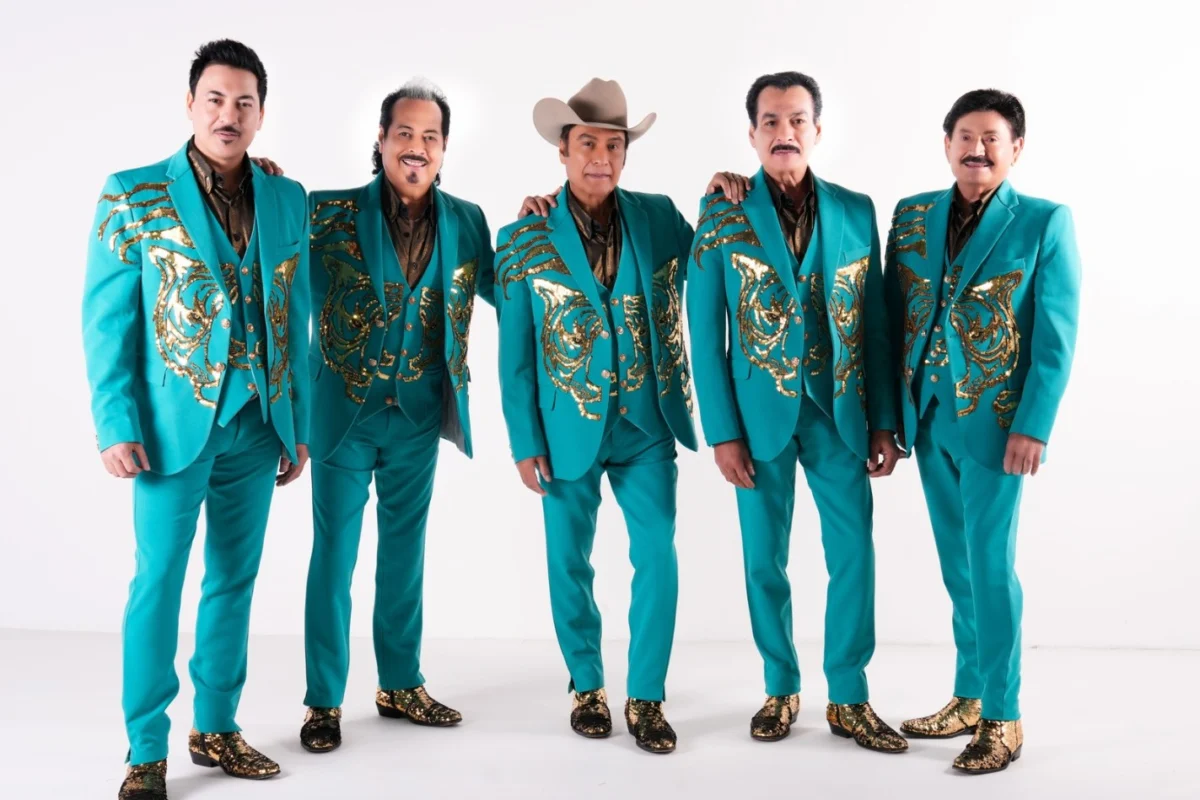
J Balvin, a global leader in the reggaeton movement, brings a contemporary urban energy to the lineup. As one of the most-streamed artists globally, Balvin’s involvement is a clear nod to the younger demographic that FIFA aims to capture during this expanded tournament. The inclusion of Los Ángeles Azules, masters of the Cumbia Sonidera genre, further emphasizes the grassroots cultural fabric of Mexico. Their music, which has seen a massive resurgence across Latin America and the United States, represents the "sound of the people" that FIFA President Gianni Infantino highlighted in his statements regarding the event’s inclusive vision.
Broadening the scope beyond Mexico, the ceremony will feature Tyla, the South African singer who recently achieved global stardom with her hit "Water." Her presence is particularly symbolic given that Mexico’s opening opponent is South Africa, creating a musical dialogue between the two competing nations. Venezuelan singer Danny Ocean and the multifaceted Belinda and Lila Downs round out a lineup that covers a vast spectrum of the Spanish-speaking world’s musical identity, from folk and pop to electronic and urban influences.
The 2026 Tournament: An Unprecedented Format
The 2026 FIFA World Cup represents a significant departure from previous iterations of the tournament. It is the first edition to feature 48 teams, up from the 32-team format that had been the standard since 1998. This expansion results in a total of 104 matches played across 16 host cities in three countries. The opening ceremony in Mexico City is just the first of three major kick-off events; subsequent ceremonies are planned for the opening matches in Toronto, Canada, and Los Angeles, United States, in the days following the Mexico City premiere.
FIFA President Gianni Infantino emphasized that the opening in Mexico is intended to set a tone of unity. "The FIFA World Cup is a moment the world shares, and that begins with how we open it," Infantino stated in a joint post with the FIFA official accounts. "Mexico will kick off an unprecedented opening ceremony with a celebration full of sound, color, and meaning. It is the first note in a tournament that will echo across Canada, Mexico, and the United States, united by a shared passion for the game that connects millions worldwide."
The decision to hold the primary opening ceremony in Mexico City is a tribute to the country’s deep-rooted football history. Mexico previously hosted the tournament in 1970 and 1986, years that saw the crowning of Pelé and Diego Maradona, respectively. By returning to the capital for a third time, FIFA acknowledges Mexico as a cornerstone of global football culture.
Logistics and Spectator Experience
The logistical undertaking for the June 11 opening day is immense. FIFA has outlined a rigorous schedule to ensure that the entertainment does not overshadow the sporting integrity of the match. The 90-minute ceremony will be a tightly choreographed production involving hundreds of performers, utilizing the latest in stadium technology, including augmented reality elements and massive LED displays to enhance the broadcast experience for global viewers.
For fans attending in person, the "exclusive activations" mentioned by organizers include interactive zones that celebrate the histories of the 48 qualifying nations. FIFA has also hinted at a "rewards" system for early-arriving fans, likely involving digital collectibles or limited-edition merchandise accessible through the official FIFA+ app. This digital integration is part of a broader strategy to make the 2026 World Cup the most technologically advanced sporting event in history.
The choice of 11:30 a.m. local time for the start of the ceremony is designed to maximize viewership across multiple time zones. In Europe and Africa, the ceremony will air during prime evening hours, while in Asia, it will be a late-night or early-morning event. This global synchronization is crucial for FIFA’s commercial partners, as the 2026 tournament is projected to break all previous records for advertising revenue and broadcast reach.
Regional Impact and the Road to the Final
While the spotlight begins in Mexico City, the tournament’s trajectory will move northward. Following the opening match, the competition will unfold across a diverse array of venues, from the high-altitude stadiums of Mexico to the modern arenas of the American Midwest and the coastal cities of Canada. The 16 host cities include:
- Mexico: Mexico City, Guadalajara, Monterrey.
- Canada: Toronto, Vancouver.
- United States: New York/New Jersey, Los Angeles, Dallas, Kansas City, Houston, Atlanta, Miami, Philadelphia, Seattle, San Francisco, Boston.
The tournament will culminate on July 19, 2026, at the MetLife Stadium in East Rutherford, New Jersey, which will be rebranded as the "New York New Jersey Stadium" for the duration of the event. The journey from the historic grounds of Mexico City to the massive industrial backdrop of the New York metropolitan area symbolizes the "United" theme of the 2026 bid.
Economists predict that the opening ceremony alone will generate hundreds of millions of dollars in economic activity for Mexico City, driven by international tourism, hospitality, and local consumption. The Mexican government has been working closely with FIFA to upgrade local infrastructure, including transportation links to the stadium and enhanced security protocols to handle the influx of international visitors.
Broader Implications for International Relations
Beyond sports and entertainment, the 2026 FIFA World Cup serves as a significant exercise in cultural diplomacy. At a time of complex geopolitical shifts, the collaboration between the United States, Mexico, and Canada to host the world’s largest event is seen as a powerful statement of North American unity. The opening ceremony, with its heavy emphasis on Latin American artists and global stars like Tyla, is designed to project an image of a continent that is welcoming, diverse, and interconnected.
The inclusion of artists like Lila Downs, who is known for her activism and promotion of indigenous cultures, suggests that the ceremony will also touch upon themes of social identity and environmental stewardship. FIFA has increasingly integrated social responsibility into its major events, and the 2026 opening is expected to feature segments dedicated to sustainability and the power of sport to drive social change.
As the countdown to June 11, 2026, begins, the announcement of this star-studded lineup has successfully ignited global anticipation. By combining the legendary status of acts like Maná with the viral appeal of artists like Tyla and J Balvin, FIFA has positioned the opening ceremony not just as a prelude to a football match, but as a landmark cultural event in its own right. The world now looks toward Mexico City, where the "first note" of this historic tournament will finally be struck.