Nayara Elvina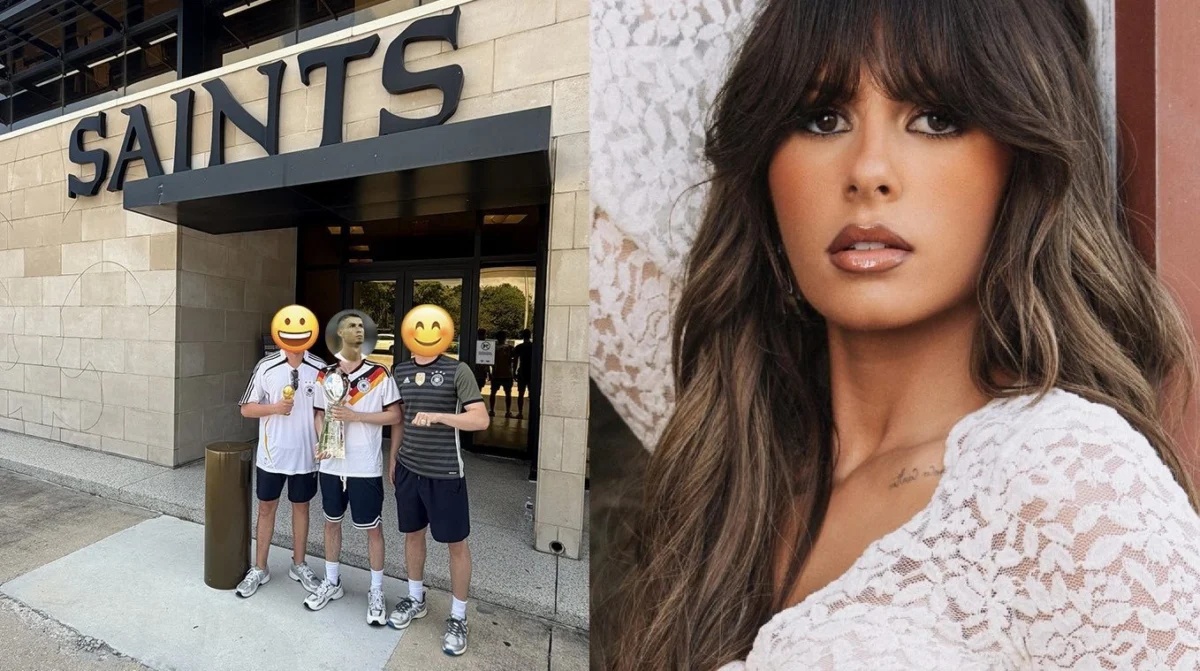
The 2026 FIFA World Cup has transformed the United States into a global stage where the intersection of international sport and American cultural identity is being scrutinized and celebrated by millions. Among the influx of international visitors, a German football enthusiast identified as Freddy (@FreddyLA7) has emerged as an unexpected cultural ambassador. His documentation of the "American experience" has garnered millions of impressions, culminating in a significant crossover event involving country music star Ella Langley. This phenomenon underscores the evolving nature of cultural diplomacy in the digital age, where social media narratives run parallel to the athletic competition on the pitch.
The 2026 FIFA World Cup Context and Early Tournament Dynamics
The 2026 FIFA World Cup represents a historic milestone in the history of the sport, being the first tournament to feature 48 teams and the first to be hosted across three nations: the United States, Canada, and Mexico. While the tournament is a North American collaboration, the United States serves as the primary hub, with 11 of the 16 host cities located within its borders. Cities such as Atlanta, Boston, Dallas, Houston, Kansas City, Los Angeles, Miami, New York/New Jersey, Philadelphia, Seattle, and the San Francisco Bay Area have undergone extensive logistical transformations to accommodate the influx of global spectators.
The tournament’s opening week was marked by significant athletic achievements and a surge in nationalistic fervor. The United States Men’s National Team (USMNT) secured a decisive 4-1 victory over Paraguay, a performance characterized by sports analysts as one of the most cohesive displays from the squad in recent history. This victory set a high-energy tone for the domestic audience, though it also reignited traditional debates regarding the United States’ role as a host nation and the global perception of American soccer culture.
The Viral Trajectory of a German Visitor
Amidst the high-stakes matches, the personal narrative of Freddy, a German fan and self-described admirer of Cristiano Ronaldo, began to gain traction. Freddy’s travelogue, shared primarily via X (formerly Twitter), focused not on the technicalities of the matches, but on the idiosyncrasies of American daily life. His posts highlighted several "American staples" that residents often overlook but which represent a distinct cultural landscape to international visitors.
On June 8, 2026, Freddy’s documentation of a 1:00 AM visit to a Waffle House became a focal point of online discussion. His rating of the establishment—a 10/10 based on food quality, pricing, and staff friendliness—resonated with an American audience accustomed to the restaurant’s reputation as a cultural touchstone. Subsequent posts detailed his amazement at the scale of American retail, specifically Walmart, and the sprawling convenience culture represented by Buc-ee’s.
His "childlike wonder" regarding American consumer variety, such as the vast selection of soda flavors, and his awe at witnessing a bald eagle during a visit to Auburn’s stadium, provided a "reverse-gaze" perspective. This type of content often goes viral because it validates domestic cultural pride through the eyes of an outsider, fostering a sense of shared identity during a period of intense international scrutiny.
The Discovery of Ella Langley and the "Industry Plant" Discourse
On June 10, 2026, the narrative shifted from culinary and retail exploration to the American music industry. Freddy posted that the "best discovery" of his road trip was the music of Ella Langley. Despite having no prior knowledge of her work before arriving in the United States, he noted that her songs were ubiquitous on American country radio, eventually becoming the "soundtrack" of his journey.
Ella Langley, an Alabama native, has seen a meteoric rise in the country music scene leading up to 2026. Known for her gritty vocals and songwriting that blends traditional country themes with modern rock influences, Langley has become a staple of both streaming platforms and terrestrial radio. Freddy’s public endorsement of her music brought him to the attention of the artist’s significant fan base, often referred to as "Ella Fellas."
However, the rapid escalation of his fame led to a wave of skepticism among social media users. Some observers theorized that Freddy might be an "industry plant"—a person presented as a genuine fan but who is actually part of a calculated marketing campaign. Critics pointed to the high production value of his "organic" discoveries as potential evidence of corporate backing.
A deeper analysis of Freddy’s digital footprint suggests otherwise. His social media history indicates a long-standing and consistent interest in European football, particularly in following the career of Cristiano Ronaldo. His account, which predates the 2026 World Cup by several years, shows a pattern of engagement typical of a genuine sports enthusiast rather than a manufactured marketing persona. While he may be leaning into his viral status to maximize engagement, the consensus among digital media analysts is that his enthusiasm is authentic.
Official Interaction and the Bridge to Live Performance
The narrative reached a climax on June 13, 2026, when Ella Langley herself engaged with Freddy’s content. After requesting a direct message from the traveler, Langley invited him to attend her upcoming concert on June 18. Freddy confirmed the invitation, expressing excitement about the opportunity to meet the artist in person.
This interaction serves as a prime example of modern artist-fan engagement. In the current media landscape, the barrier between celebrities and their audience is increasingly porous. For an artist like Langley, embracing a viral international fan not only bolsters her domestic image as an accessible and "true" American artist but also facilitates an entry point into international markets, specifically Europe.
Timeline of Events: June 2026
- June 5-7: Arrival of international fan delegations for the World Cup kickoff.
- June 8: Freddy posts his first major viral hit documenting a late-night Waffle House experience.
- June 9: USMNT defeats Paraguay 4-1; national interest in the tournament peaks.
- June 10: Freddy discovers Ella Langley via American country radio and shares his admiration online.
- June 11-12: The "industry plant" debate trends on social media platforms as Freddy’s follower count grows exponentially.
- June 13: Ella Langley publicly invites Freddy to her June 18 concert via social media.
- June 18: Scheduled meeting and concert attendance for the German visitor.
Broader Implications for Tourism and the Music Industry
The "Freddy phenomenon" provides several insights into the broader impact of hosting mega-events like the FIFA World Cup.
1. The Role of "Viral Tourism"
Traditional tourism marketing often focuses on landmarks and organized events. However, Freddy’s journey demonstrates the power of "incidental tourism"—the appeal of everyday American life. For the U.S. travel industry, this highlights the value of promoting the "road trip" culture and regional staples (like Buc-ee’s or Waffle House) as part of the official tourist experience.
2. Globalization of Country Music
Country music has historically been a domestic-heavy genre. However, the 2020s have seen a concerted effort to export the genre to international audiences. The fact that a German visitor can be "converted" to a fan within days of arrival suggests that the genre’s modern production and relatable themes have significant cross-cultural appeal. Ella Langley’s career stands to benefit from this international exposure, potentially leading to European tour dates and increased streaming numbers from the EU.
3. Digital Authenticity in the Age of Suspicion
The "industry plant" accusations leveled against Freddy reflect a growing cynicism in digital spaces. As brands increasingly use "influencer-style" marketing to appear organic, genuine human experiences are often met with doubt. This case study shows that a verifiable digital history is the only currency for authenticity in the modern era.
Conclusion: The Lasting Impact of the 2026 World Cup
As the 2026 FIFA World Cup continues, the stories of individual fans like Freddy serve as a reminder that the tournament’s legacy will extend beyond the scores recorded on the pitch. The event acts as a massive cultural exchange program, introducing millions of people to the complexities and charms of the American landscape.
For Freddy, the journey from a soccer fan to an "Ella Fella" represents a unique personal success story. For the United States, it is a testament to the enduring power of its cultural exports. Whether Freddy eventually visits Nashville to explore the history of country music—or visits the infamous rooftop of Chief’s—his trip has already become a definitive chapter in the story of the 2026 World Cup. The tournament is proving that while the world comes for the football, they stay for the culture, the music, and the 1:00 AM breakfast.