 Indra Aziz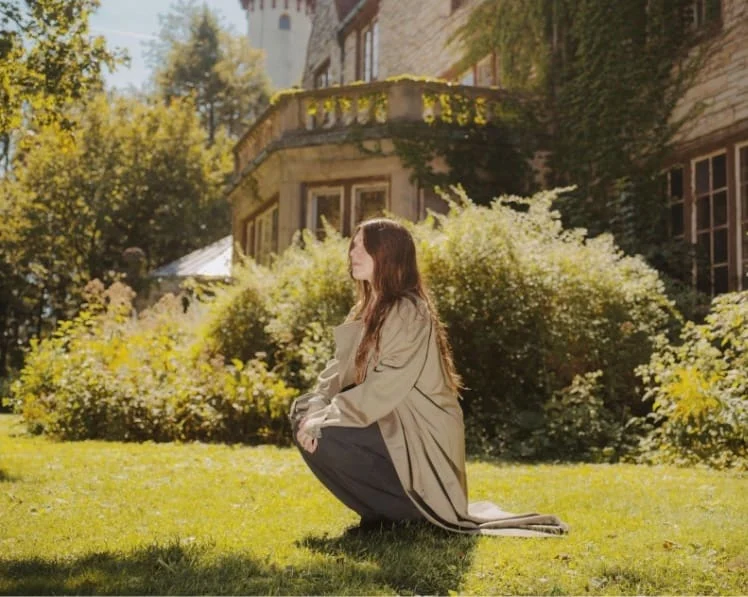
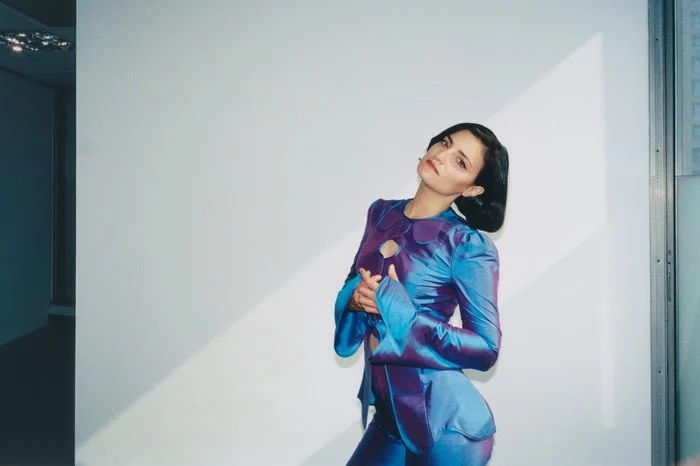
After a career-threatening vocal cord injury forced Gia Margaret to pivot from her signature vocal-centric songwriting to instrumental compositions, the Chicago-based artist has returned with "Singing," her first album featuring her voice in nearly eight years. The critically acclaimed release, a testament to her resilience and evolving creative process, showcases a newfound quiet power forged through patience, compromise, and a profound re-engagement with her own instrument. This collection represents not just a return to form, but a significant expansion of Margaret’s sonic palette and artistic identity.
The Unforeseen Detour: Navigating Silence and Sound
The genesis of "Singing" can be traced back to a premature halt of the tour for Margaret’s debut album, "There’s Always Glimmer," in 2019. The vocal cord injury rendered her unable to perform the songs as intended, a devastating blow for an artist whose work was deeply intertwined with the emotive resonance of her voice. This forced hiatus necessitated a radical rethinking of her creative output. The subsequent instrumental albums, "Mia Gargret" (2020) and "Romantic Piano" (2023), while lauded for their delicate textures and spacious arrangements, were born from a place of deep longing. "You can hear and feel such sadness in that music, because I was just longing to sing again," Margaret shared with CLASH, reflecting on the period of enforced silence. These instrumental works, however, proved to be more than just a stopgap; they became a fertile ground for sonic experimentation and a crucial element in her artistic development.
The instrumental compositions, particularly "Mia Gargret," garnered significant critical attention, praised for their ability to evoke profound emotion and atmosphere without lyrical accompaniment. This period also saw one of her tracks, "Hinoki Wood," unexpectedly achieve viral status on TikTok. While the song resonated with millions, it often circulated independently of Margaret’s name, highlighting the power of instrumental music to transcend artist attribution and connect directly with listeners on an emotional level. This unexpected virality underscored the inherent appeal of her instrumental work and offered a different avenue for her music to reach audiences.
The Evolution of an Artist: From Hesitation to Sonic Exploration
Margaret’s journey into instrumental music was not entirely novel. Early in her career, she harbored an interest in sampling and instrumental composition but lacked the confidence to fully embrace these roles, feeling her identity was predominantly tied to being a vocalist. The necessity of creating instrumental music out of sheer desire to continue making art, however, proved transformative. "I’ve been finding myself turning to ambient music again, and I don’t know if I’ll make another ambient record, but I’ve been feeling myself wanting to make instrumental music, and I think it’s definitely a part of my creative process now," she explained from her home in Chicago. This sentiment signifies a fundamental shift, where instrumental creation is no longer a compromise but an integrated and valued component of her artistic practice.
This expanded creative purview is evident in her current live performances. Returning to the road for the first time since 2019, Margaret has incorporated a richer tapestry of sound, moving beyond her previous solo guitar performances. Her live shows now feature sampling, intricate production elements, and the inclusion of woodwind instruments. "In the past, I would have just played solo with a guitar," she reflected. "I think there’s something really beautiful about that kind of simplicity, but I just feel like my music has always felt layered, and it’s nice to be able to hear that in a live setting." This evolution in her live presentation allows her to more fully translate the complexity and depth of her recorded material to the stage, offering audiences a more immersive sonic experience.
The album "Singing" itself is a testament to this broadened sonic vocabulary. Margaret deliberately incorporated a diverse range of sonic elements, including samples from a "How to Speak Italian" CD recording, Gregorian chants by ILMA, and turntable scratching. These unconventional choices are not mere stylistic flourishes but deliberate artistic decisions that have expanded her creative horizons. "I don’t think it was until recently that I appreciated that music and what that process did for me as a producer and a composer. It’s expanded my sonic world," she stated, acknowledging the profound impact of this period of instrumental exploration on her overall artistry.
The Resonant Return: Reclaiming the Voice
The decision to return to vocal performance on "Singing" was not without its own set of challenges. After an extended period of silence and the focus on instrumental composition, Margaret admitted to feeling an internal pressure to make a powerful comeback. "It still feels really new. It doesn’t feel second nature to me anymore, which is a strange thing, because singing is just something I always did, and now I’m very conscious that I’m doing it again. I don’t know if that will ever go away," she confessed. This heightened awareness of her voice, while potentially daunting, has also imbued her singing with a new level of intentionality and curiosity.
The simple, direct title, "Singing," thus carries immense weight. It signifies a conscious reclamation of her primary artistic tool, approached with a fresh perspective. Margaret’s current approach to her voice is characterized by exploration and a willingness to take risks. "I feel like I’m more curious about my voice, and I’m using it in every way that I can, whereas before I didn’t take as many risks," she explained. This adventurous spirit is palpable throughout the album, where her vocals are often layered, nuanced, and imbued with a newfound emotional directness.
Collaborative Spirit and Emotional Revelation
"Singing" also features a distinguished roster of guest artists, a deliberate choice that allowed Margaret to connect with both her teenage inspirations and the deeper emotional currents of her work. She invited Amy Millan, Sean Carey, Kurt Vile, and David Bazan of Pedro The Lion to contribute to the album, a move that honors her younger self and simultaneously opens her music to new interpretations and dialogues. The collaborative process, particularly her duet with David Bazan on "Cellular Reverse," proved to be a profound experience. "Having (David) hit an octave below me was like my voice at the deepest part of my soul, just like the deepest resonance of myself through him," Margaret described, highlighting how the collaboration amplified the emotional core of the song.
The culmination of this journey, from vocal injury to instrumental innovation and the eventual return to singing, is a sense of profound contentment and gratitude. The final track on the album, "E-Motion," serves as a powerful statement on the discovery of emotional expression through sound. The lyrics, "What is the use of being alive if you don’t show that emotion you’re covering up?" encapsulate Margaret’s artistic revelation. She discovered the full spectrum of emotional possibility in her music precisely when her voice was absent, leading her to a deeper appreciation and emotional attachment to every facet of her creative toolkit. "It feels like something I’ve been deeply longing for," she stated in a moment of reflection. "I just feel very present with my voice in a way that I never have."
Live Performances and Album Release
"Singing" is now available, marking a significant milestone in Gia Margaret’s career. Her return to live performance will allow audiences to experience the full breadth of her artistic evolution. The album’s thematic exploration of vulnerability, resilience, and the power of self-discovery resonates deeply, offering a compelling narrative of an artist who has navigated adversity to emerge with a more profound and expansive artistic voice.
Gia Margaret is scheduled to perform the following dates in support of "Singing":
September
7 Glasgow, Oran Mor
8 Manchester, Halle at St. Michael’s
10 London, EartH Theatre
Words: Emma Way
Photo Credit: Graham Tolbert