Nayara Elvina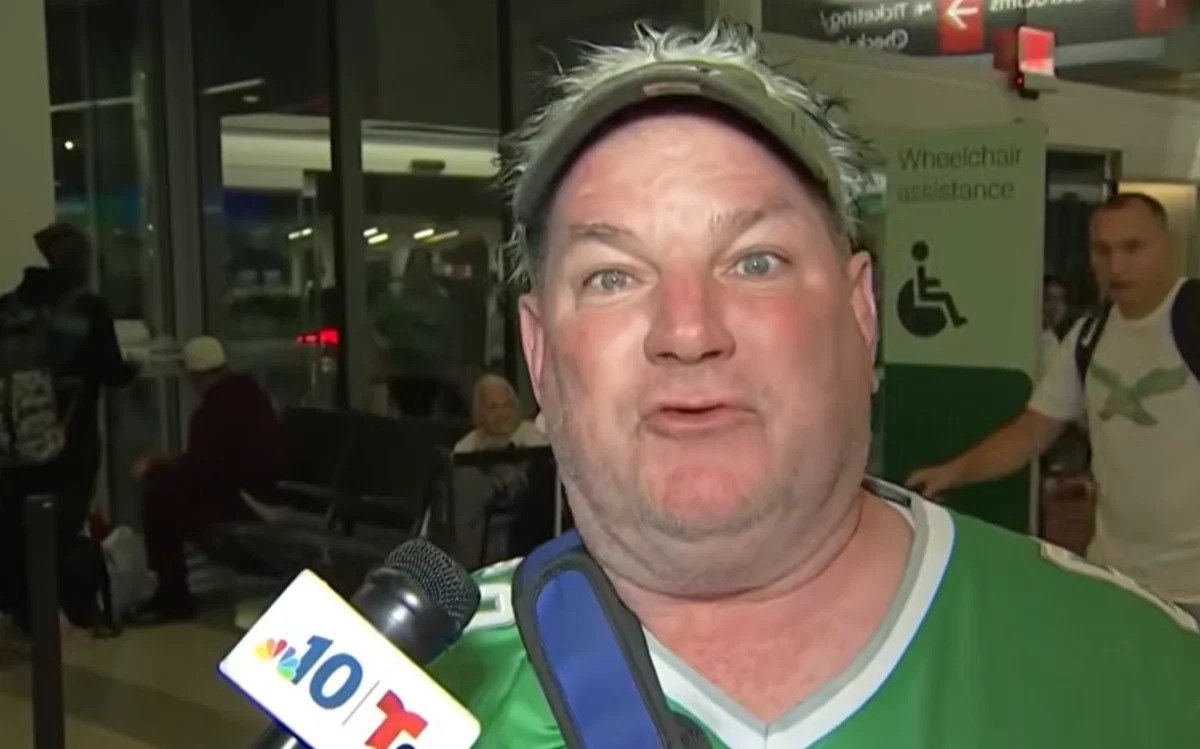
The 2026-27 NFL regular season is barely a week old, yet the Tennessee Titans are already confronting familiar questions regarding on-field performance, roster identity, and home-field advantage. As the team prepares for its Week 2 matchup against the Philadelphia Eagles at Nissan Stadium, local sports discourse has been dominated by a conspicuous influx of opposing supporters. Thousands of Philadelphia fans have descended upon Nashville, transforming Lower Broadway into a sea of midnight green and raising broader structural questions about the future of the franchise’s fan base as the organization looks toward the opening of its state-of-the-art facility in 2027.
Week 1 Disappointments and Coaching Overhauls
The current mood in Nashville stands in stark contrast to the high-stakes aspirations found in Philadelphia. Following an active offseason aimed at reversing years of stagnation, the Titans front office instituted a dramatic overhaul of the coaching staff. The franchise brought in former New York Jets head coach Robert Salah alongside former New York Giants head coach Brian Daboll to steer the offensive coordinator position. Despite the infusion of high-profile coaching experience, the opening week of the season produced disheartening results.
During their Week 1 contest against the New York Jets, the Titans suffered a 23-10 defeat. Aside from a newly unveiled visual color scheme and updated uniform accents, the team failed to demonstrate the offensive dynamism or defensive resilience fans had hoped for. The stagnant performance immediately dampened optimism across the region, triggering familiar anxieties among a fan base that has watched the franchise struggle to recapture elite status since the turn of the decade.
Conversely, the Philadelphia Eagles enter the matchup with distinct Super Bowl aspirations. Led by dynamic quarterback Jalen Hurts and anchored by a historically formidable offensive line, the Eagles opened their campaign with standard efficiency, establishing themselves as early contenders in the NFC.
The Invasion of Lower Broadway
As the calendar turns to Week 2, the logistical reality of playing a premier NFC franchise in a destination city has materialized in full force. Nashville’s Lower Broadway, typically bustling with bachelorette parties and country music tourists, has been effectively commandeered by Eagles supporters arriving days ahead of kickoff. Viral videos circulating across social media platforms depict green-garbed crowds occupying local establishments, performing synchronized team chants, and visibly outnumbering local residents in entertainment districts.
This phenomenon is not entirely unprecedented for Nashville home games. Local residents frequently avoid Lower Broadway due to congestion, leaving a vacuum easily filled by traveling fan bases. However, the sheer volume of Philadelphia supporters traveling to Tennessee has amplified concerns regarding the integrity of Nissan Stadium’s home-field advantage.
Among the traveling faithful is Paul Edwards, a prominent Philadelphia super-fan interviewed by local media during his transit to Tennessee. "Let’s get this party started buddy. Here we go, here we go. Tennessee Titans? We’re gonna own that stadium," Edwards remarked. "There’s no doubt about that. Get ready for a stompin’. Be ready for our offensive line to run you over. Go Birds!"
Such sentiments underscore the likelihood that Nissan Stadium will experience a heavily skewed demographic split on Sunday, with green potentially outnumbering navy blue and titan blue in the stands.
Economic Realities and the 2027 Stadium Transition
Beneath the immediate concerns of a Week 2 defeat lies a more systemic economic and demographic challenge for the Titans organization. In 2027, the franchise is scheduled to open a new, state-of-the-art enclosed stadium designed to cement Nashville’s status as a premier hub for major sports and entertainment events. However, the financial restructuring required to fund and maintain the new facility has introduced friction between the team and its legacy fan base.
Reports indicate that long-term season ticket holders, some of whom have supported the franchise for decades through its various iterations in Nashville, are being priced out by escalating personal seat licenses (PSLs) and ticket valuations associated with the new venue. At the same time, Nashville continues to experience unprecedented population growth, drawing a massive influx of corporate transplants and out-of-state residents who retain allegiances to traditional NFL powerhouses.
This combination of rising ticket costs, an influx of non-native residents, and Nashville’s status as a top-tier weekend travel destination creates vulnerabilities parallel to those experienced by franchises in markets like Los Angeles. Both the Los Angeles Rams and Los Angeles Chargers have frequently contended with home games dominated by opposing fan bases, largely due to the regional appeal of Southern California as a travel destination and the high concentration of transplants.
Implications for the Franchise
The convergence of on-field struggles under Salah and Daboll, combined with structural ticket pricing shifts, poses a complex strategic puzzle for Titans ownership and management. While the financial projections for the new 2027 stadium rely heavily on luxury accommodations, corporate sponsorships, and high-yield tourism, the erosion of local loyalty risks stripping the team of a traditional home-field advantage.
For the immediate future, the focus remains squarely on the gridiron. The Titans must find a way to halt the momentum of a surging Eagles squad that threatens to turn a Nashville road game into a hostile environment reminiscent of Lincoln Financial Field. If the team fails to show measurable improvement on the field, the narrative surrounding the franchise may shift permanently from rebuilding contention to battling the very demographic and economic tides that threaten to turn the Titans into tenants in their own city.