Aveline Kirana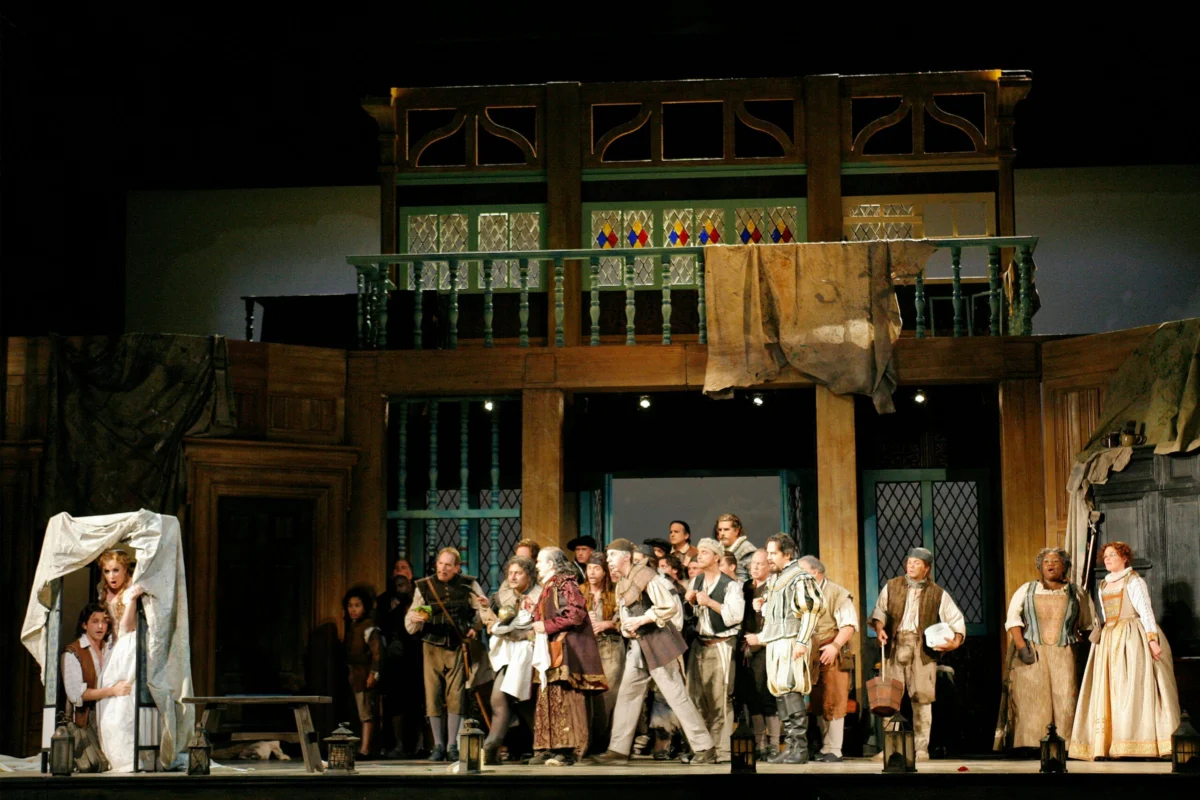
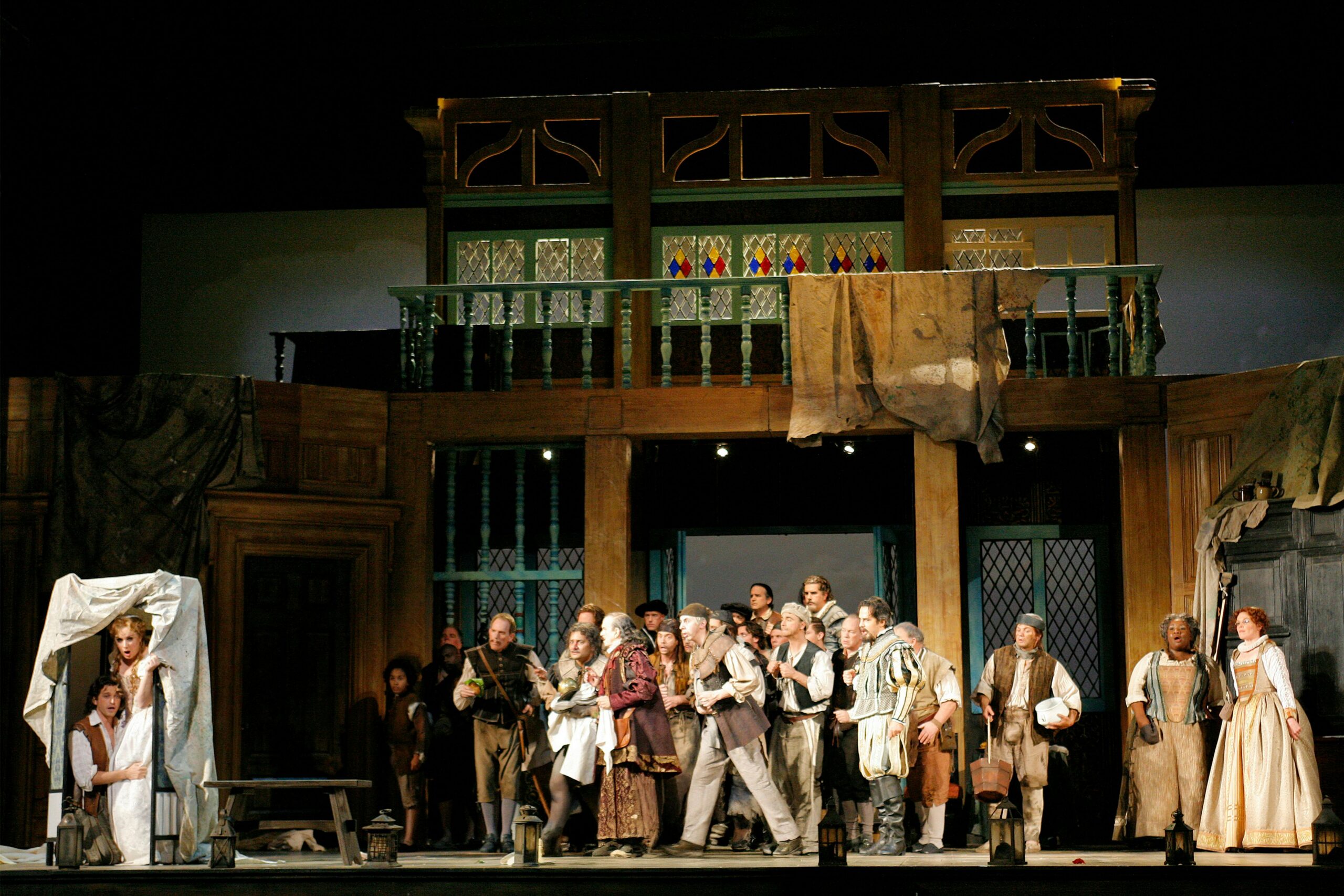
Los Angeles, CA – LA Opera is set to revive Giuseppe Verdi’s final and arguably most profound operatic creation, Falstaff, a comic masterpiece that has captivated audiences for generations. The acclaimed production will grace the LA Opera stage between April 18 and May 10, 2026, marking a significant artistic event for the company and the operatic community. Conducting this monumental revival is the esteemed Music Director James Conlon, who will lead a stellar cast in what promises to be a memorable exploration of Verdi’s late genius.
Central to the production is the commanding presence of bass-baritone Craig Colclough, reprising his signature role as the corpulent and roguish Sir John Falstaff. Colclough, a longtime favorite of LA Opera audiences, is renowned for his ability to embody the multifaceted character, balancing Falstaff’s boisterous humor with moments of surprising vulnerability. His portrayal is widely considered a benchmark for the role, and his return to this production is a significant draw for the revival.
The ensemble cast is equally impressive, featuring a wealth of operatic talent. Soprano Nicole Heaston will portray the cunning Alice Ford, one of the principal orchestrators of Falstaff’s downfall, while mezzo-soprano Hyona Kim returns as the formidable Mistress Quickly, another key player in the merry wives’ schemes. Tenor Anthony León will bring his vibrant voice to the role of Fenton, the young lover entangled in Falstaff’s misadventures, and mezzo-soprano Sarah Saturnino will portray Meg Page, another of the witty women who outsmart the aging knight.
Adding further depth and new talent to the roster, baritone Ernesto Petti and soprano Deanna Breiwick will make their highly anticipated LA Opera debuts. Petti will embody the wronged husband, Mr. Ford, a role demanding both dramatic intensity and vocal agility. Breiwick steps into the delicate role of Nannetta, Ford’s daughter and Fenton’s beloved, a character whose innocence serves as a foil to the surrounding intrigue.
Christopher Koelsch, President and CEO of LA Opera, articulated the significance of this revival, particularly in the context of Conlon’s tenure. "A peerless comic masterpiece, Falstaff is a particular favorite of James Conlon, which makes this revival of our delightful 2013 production a fitting way to celebrate James during his final season as our beloved Music Director," Koelsch stated. "It’s one of ten Verdi operas James has conducted with distinction during his two decades with the company. The superb ensemble cast is led by our longtime friend Craig Colclough as Falstaff, his signature role." This sentiment underscores the deeply personal connection Conlon has with Verdi’s work and the profound impact he has had on LA Opera’s artistic direction.
The Enduring Brilliance of Verdi’s Falstaff
Giuseppe Verdi’s Falstaff, premiered in 1893, stands as a unique achievement in the operatic canon. It was Verdi’s second opera based on Shakespearean characters, following the success of Otello, and his final completed opera. Unlike the tragic grandeur of Otello, Falstaff is a jubilant comedy, a testament to Verdi’s enduring artistic vitality even in his eighties. The opera is a departure from the more traditional Italian operatic structures of its time, embracing a more continuous musical flow and a sophisticated, almost symphonic, approach to vocal writing. The libretto, by Arrigo Boito, masterfully weaves together elements from Shakespeare’s The Merry Wives of Windsor and interpolates lines from Henry IV, Parts 1 and 2, creating a rich tapestry of wit, wordplay, and human foibles.
The opera’s narrative centers on the larger-than-life character of Sir John Falstaff, a disreputable knight who, facing financial ruin, devises a plan to woo two wealthy married women, Alice Ford and Meg Page, simultaneously. He sends them identical love letters, hoping to exploit their husbands’ affections for his own gain. However, the astute merry wives, quickly recognizing his scheme, conspire to humiliate him. Their elaborate pranks, involving a laundry basket full of dirty clothes and a dunking in the Thames, form the comedic core of the opera. Amidst this, the young lovers Fenton and Nannetta strive to overcome the obstacles placed in their path by Nannetta’s overbearing father, Mr. Ford.
Verdi’s musical setting of Boito’s libretto is nothing short of revolutionary. Falstaff is characterized by its intricate ensembles, rapid-fire vocal exchanges, and a constant ebb and flow of musical ideas. The opera is notable for its lack of traditional recitative and aria structure, instead opting for a more fluid, conversational style that mirrors the quicksilver wit of the text. The famous final fugue, “Tutto nel mondo è burla” (Everything in the world is a jest), is a brilliant summation of the opera’s philosophical undertones and a dazzling display of Verdi’s contrapuntal mastery, leaving the audience with a profound sense of life’s inherent absurdity and joy.
A Legacy of Conlon’s Verdi at LA Opera
James Conlon’s tenure as Music Director of LA Opera, spanning two decades, has been marked by a deep and consistent engagement with the works of Giuseppe Verdi. His commitment to presenting Verdi’s entire operatic output, a monumental undertaking, has provided Angelenos with unparalleled opportunities to experience the breadth and depth of the composer’s genius. Falstaff represents the tenth Verdi opera Conlon has conducted with the company, a testament to his profound understanding and passionate advocacy for the composer.
Conlon’s interpretations are often praised for their intellectual rigor, dramatic insight, and meticulous attention to detail. His work on Verdi’s oeuvre at LA Opera has not only enriched the company’s repertoire but has also educated and engaged audiences, fostering a deeper appreciation for one of opera’s greatest masters. This revival of Falstaff, in particular, holds special significance as it coincides with Conlon’s final season as Music Director. It serves as a fitting culmination of his significant contributions, celebrating his legacy through a work that embodies both profound artistry and sheer exuberance.
The 2013 production being revived was itself a notable event, and its return under Conlon’s baton promises to reignite the magic that captivated audiences previously. The artistic team behind the original production, if returning, would bring a familiar yet fresh perspective to the work, ensuring continuity while allowing for new interpretations by the cast.
Supporting Data and Broader Context
The revival of Falstaff by LA Opera is more than just a presentation of a beloved opera; it is a strategic artistic decision that aligns with several broader trends and objectives within the opera world and the cultural landscape of Los Angeles.
Audience Engagement and Repertoire Diversity: Falstaff is an excellent choice for engaging a wide audience. Its comedic nature and accessible plot make it a potentially less intimidating entry point for new opera-goers compared to some of Verdi’s more tragic works. The opera’s intellectual wit and sophisticated musicality, however, ensure it also appeals to seasoned opera aficionados. LA Opera, like many major opera houses, strives to balance its programming with a mix of canonical masterpieces, contemporary works, and audience favorites. Falstaff effectively bridges these categories.
Financial Viability: While specific financial projections are proprietary, the engagement of a strong lead like Craig Colclough, coupled with a well-regarded conductor and a popular title, suggests a calculated approach to ticket sales. Reviving a successful past production also often reduces production costs compared to mounting an entirely new staging, making it a more financially prudent choice. The opera’s popularity historically translates to strong box office performance. For instance, major opera houses worldwide frequently program Falstaff, often with successful ticket sales, underscoring its enduring appeal.
Artistic Development and Legacy: The revival provides a platform for both established and emerging artists. For artists like Craig Colclough, it’s an opportunity to revisit and refine a signature role. For newcomers like Ernesto Petti and Deanna Breiwick, it’s a chance to make a significant debut on a prominent stage, contributing to the future of the art form. This aspect of nurturing talent is a core mission for major opera companies.
The Conlon Legacy: The timing of the revival is inextricably linked to James Conlon’s departure. This is a moment of reflection and celebration for LA Opera and its patrons. Presenting a work so dear to Conlon, and one he has championed so extensively throughout his tenure, offers a powerful artistic tribute. His dedication to the Verdi cycle has been a defining feature of his leadership, and Falstaff serves as a fitting capstone to this remarkable artistic journey. The fact that he has conducted ten Verdi operas signifies a sustained artistic vision and commitment that has shaped the company’s identity.
Official Responses and Artistic Vision
Christopher Koelsch’s statement highlights the strategic and emotional significance of the revival. The phrase "peerless comic masterpiece" immediately positions Falstaff as a work of exceptional artistic merit. The emphasis on James Conlon’s personal connection to the opera and his final season underscores the celebratory aspect of the announcement.
"It’s one of ten Verdi operas James has conducted with distinction during his two decades with the company," Koelsch further elaborates, providing a concrete data point that quantifies Conlon’s impact on the Verdi repertoire at LA Opera. This statistic is crucial for illustrating the depth of his relationship with the composer and the company.
The mention of the "superb ensemble cast" led by "our longtime friend Craig Colclough as Falstaff, his signature role" speaks to the quality of the performers and the continuity of artistic relationships. The term "signature role" is a powerful endorsement of Colclough’s talent and his established connection with the LA Opera audience.
While not explicitly stated, one can infer that the artistic team, including the director and designers of the 2013 production, are likely to be involved in some capacity, ensuring a level of artistic coherence and quality. The decision to revive a specific production often signifies its success and the desire to leverage that existing artistic investment.
Broader Impact and Implications
The revival of Falstaff by LA Opera carries several implications for the company and the broader operatic landscape. Firstly, it reinforces LA Opera’s commitment to presenting the major works of the operatic canon with high artistic standards. By bringing back a well-regarded production of Verdi’s final opera, the company signals its confidence in its artistic capabilities and its understanding of audience preferences.
Secondly, this event serves as a significant milestone in celebrating James Conlon’s illustrious tenure. His legacy at LA Opera is one of artistic breadth, educational outreach, and consistent musical excellence, particularly in his exploration of composers like Verdi. Falstaff is an ideal vehicle to honor this legacy, as it represents the culmination of his extensive work with Verdi and is a testament to his enduring passion for the art form. The success of this production will undoubtedly be viewed as a reflection of his impact.
Furthermore, the opera’s intricate musical fabric and sophisticated libretto offer a rich ground for critical analysis and scholarly discussion. For musicologists and opera critics, the revival provides an opportunity to examine Verdi’s late style and Boito’s masterful adaptation of Shakespeare in a contemporary context. The vocal demands of the opera, particularly the rapid patter and complex ensembles, also present a significant challenge and a display of virtuosity for the singers involved.
The success of this revival could also influence future programming decisions, potentially encouraging LA Opera to explore other less frequently performed Verdi operas or to continue its tradition of reviving successful past productions. The opera’s enduring popularity suggests that it will continue to be a staple in opera houses worldwide, and LA Opera’s contribution to its continued life is a significant one. The opera’s message, that life is a jest and that wisdom lies in embracing its absurdity, resonates as powerfully today as it did in Verdi’s time, making this revival a timely and relevant artistic statement. The production will undoubtedly contribute to the vibrant cultural tapestry of Los Angeles, offering a sophisticated and entertaining experience for all who attend.