Jia Lissa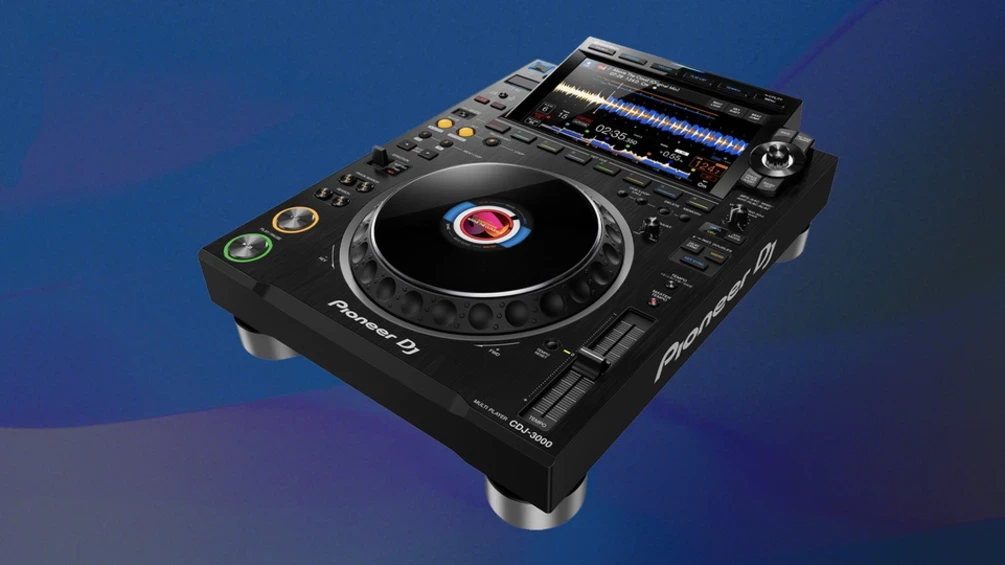
AlphaTheta, the parent company of the ubiquitous Pioneer DJ brand, has issued a pivotal "important notice" to its global customer base, specifically addressing a significant compatibility issue impacting users of its rekordbox software with USB devices. This advisory highlights a critical divergence in library formats used for exporting tracks, a situation that has created operational hurdles for professional DJs utilizing a mix of newer and older Pioneer DJ/AlphaTheta hardware in their performance setups. The core of the problem lies in the existence of two distinct library formats—OneLibrary (formerly known as Device Library Plus) and the original Device Library—which are not universally readable across the company’s extensive range of media players. This technical incompatibility mandates immediate attention from DJs to ensure seamless track loading and performance readiness.
The Core Technical Discrepancy: OneLibrary vs. Device Library
At the heart of the current operational challenge is the fundamental difference in how rekordbox organizes and exports musical data to USB storage devices. AlphaTheta’s software employs two primary library formats for this purpose: the newer OneLibrary and the legacy Device Library. The transition to OneLibrary was likely driven by the need to support the advanced capabilities and expanded data requirements of AlphaTheta’s latest generation of media players and all-in-one DJ systems. These newer devices, including the cutting-edge CDJ-3000X, the innovative OPUS-QUAD, the portable OMNIS-DUO, and the versatile XDJ-AZ, are engineered to exclusively interpret and utilize the OneLibrary format. This format is presumed to support richer metadata, more complex cue and loop structures, faster database indexing, and potentially larger library capacities, all essential for the sophisticated features integrated into these modern units.
Conversely, the substantial installed base of older, yet still widely used, professional-grade equipment—such as the industry-standard CDJ-3000 and the popular XDJ-XZ—rely solely on the original Device Library format. These players, designed and optimized for a previous generation of rekordbox data structures, cannot read or process USB devices exported in the newer OneLibrary format. This creates a challenging scenario where a DJ might prepare a playlist on a computer running rekordbox, export it to a USB drive, and find that the playlist appears perfectly on a CDJ-3000 but remains entirely invisible on a CDJ-3000X, despite both players ostensibly being from the same brand family. Such an inconsistency can disrupt live performances, undermine meticulous preparation, and erode confidence in the reliability of essential DJ tools.
AlphaTheta has identified the primary solution to this critical issue as a software update. Users are strongly advised to update their rekordbox software to version 7.2.11 or later. This specific version is crucial because it introduces the necessary functionalities to correctly manage and export tracks in the appropriate library format for all compatible devices. Following the update, DJs must re-export their entire music library and playlists to their USB devices. This re-export process, facilitated by the updated software, ensures that the USB drives contain the correct library format, thereby resolving the playback discrepancies. To further assist users, AlphaTheta has published a comprehensive guide detailing the process, including steps for manually converting playlists if necessary, emphasizing that music files and playlists will remain intact and will not be deleted from the USB device during connection to a player, regardless of the library format issue.
A History of Interoperability Challenges: The Genesis of rekordbox and the Dual Library System
The emergence of this compatibility challenge is not an isolated incident but rather a symptom of the ongoing evolution within the digital DJing landscape, spearheaded by AlphaTheta’s Pioneer DJ brand. To fully grasp the implications, it’s essential to contextualize rekordbox’s journey and the technological forces driving such changes.
The Genesis of rekordbox: Evolution from Utility to Ecosystem
rekordbox began its life over a decade ago as a relatively simple music management utility, primarily designed to prepare tracks for Pioneer DJ’s then-revolutionary CDJ media players. Its initial role was to analyze BPM, set cue points, and manage basic playlists, essentially acting as a bridge between a DJ’s digital music collection and the physical hardware. Over the years, however, rekordbox has blossomed into a comprehensive, multi-faceted platform. It now encompasses advanced performance features, cloud integration, various export modes, and even live performance capabilities, evolving into a central ecosystem for countless professional and aspiring DJs worldwide. This expansive growth, while offering unparalleled functionality, inevitably introduces layers of complexity, particularly when attempting to maintain backward compatibility across rapidly advancing hardware generations.
The Dual Library System: Why It Emerged, Technical Underpinnings
The existence of two distinct library formats—Device Library and OneLibrary—is a direct consequence of this technological evolution. The original Device Library format was optimized for the processing power, memory constraints, and feature sets of older CDJ and XDJ models. It was efficient for its time, designed to quickly load and navigate libraries on hardware with simpler graphical interfaces and less sophisticated internal architectures.
As technology advanced, culminating in players like the CDJ-3000X and OPUS-QUAD, the demands on the underlying data structure increased exponentially. These newer players boast high-resolution touchscreens, advanced networking capabilities, real-time effects processing, streaming integration, and significantly larger potential music libraries. To support these features, a more robust, flexible, and scalable data format became necessary. OneLibrary was developed to meet these requirements, enabling faster searches, richer metadata storage (e.g., detailed track analysis, artwork, more complex hot cue/loop data, potentially even waveform data for dynamic displays), and optimized performance on the new generation of powerful hardware. The challenge arose when the newer hardware was designed to only read the advanced OneLibrary format, while older hardware could only read the Device Library, creating a hard divide rather than a seamless, backward-compatible integration. This architectural decision, while perhaps streamlining development for newer products, inadvertently created a significant interoperability gap for users.
The DJ’s Workflow: Reliance on Seamless USB Integration
For a professional DJ, the preparation process is as critical as the performance itself. Hours are spent meticulously curating playlists, setting cue points, analyzing tracks, and organizing libraries within rekordbox. The culmination of this effort is the export of these prepared tracks onto reliable USB drives, which serve as the primary conduit for music delivery to club and festival setups. The expectation is absolute reliability: plug in the USB, and the music is there, ready to play. Any deviation from this expectation—a missing playlist, an unreadable drive—can trigger immediate panic and potentially derail an entire set, tarnishing a DJ’s reputation and causing significant stress in high-pressure environments. The compatibility issue, therefore, strikes at the very core of a DJ’s operational trust in their equipment.
Chronology of Recent Events: From Firmware Glitch to Library Fix
This latest "important notice" from AlphaTheta is not an isolated event but rather the most recent development in a series of technical challenges related to software and hardware interoperability. It follows closely on the heels of a significant incident earlier this year involving a firmware update for the CDJ-3000, which foreshadowed the underlying library format issues.
The CDJ-3000 Firmware 3.30 Debacle: Detailed Account
In late February/early March, AlphaTheta released firmware update Ver.3.30 for its flagship CDJ-3000 media player. This update was intended to introduce new features and improvements. However, shortly after its release, reports began to flood social media and DJ forums from users experiencing "nightmare" issues. The most prevalent and critical problem was the disappearance of playlists from their USB drives when connected to CDJ-3000 units running the new firmware. DJs, often in the midst of preparing for gigs or even during live performances, found their carefully curated music libraries inaccessible.
The root cause, as it later became clear, was linked to the same library format incompatibility now being explicitly addressed. Many DJs’ USB drives were still exported in the older Device Library format, which, for reasons related to the Ver.3.30 firmware’s internal handling, was no longer correctly recognized or displayed. This caused widespread frustration and a significant outcry within the DJ community. AlphaTheta responded swiftly to the public backlash, suspending the distribution of firmware Ver.3.30 and advising all users who had updated to revert to the previous stable version, Ver.3.20. This immediate rollback was a critical step in mitigating further disruption but highlighted a significant quality assurance lapse. The incident served as a stark warning about the complexities of managing software updates across diverse hardware generations and the critical importance of rigorous testing.
The Current USB Compatibility Alert: Specifics of the Notice
Building on the lessons learned from the Ver.3.30 incident, AlphaTheta’s latest "important notice" directly confronts the underlying cause: the fundamental incompatibility between OneLibrary and Device Library formats. The notice, published in March, serves as a comprehensive alert, clearly outlining which devices read which format. It systematically lists the newer hardware (CDJ-3000X, OPUS-QUAD, OMNIS-DUO, XDJ-AZ) as exclusively OneLibrary-compatible and the older generation (CDJ-3000, XDJ-XZ) as exclusively Device Library-compatible.
The notice’s directness and the provision of a clear, actionable solution—updating rekordbox to 7.2.11 or later and re-exporting—are crucial. Furthermore, the availability of a manual conversion guide acknowledges that some users might require more granular control over their library management. The explicit reassurance that music files and playlists will not be deleted from USBs is vital for alleviating user anxiety, which was undoubtedly heightened by the previous firmware incident. This comprehensive approach reflects a more proactive and transparent communication strategy aimed at rebuilding trust and providing definitive answers to a complex technical problem.
AlphaTheta’s Response and Remediation Efforts
AlphaTheta’s handling of the USB compatibility issue, particularly after the earlier CDJ-3000 firmware setback, demonstrates a concerted effort to restore user confidence and ensure operational stability for its customers.
Official Communication Strategy
Following the previous firmware issues, AlphaTheta has adopted a more direct and transparent communication strategy. The "important notice" is a testament to this, clearly identifying the problem, detailing affected hardware, and providing unambiguous instructions for resolution. Such direct communication is essential in the professional DJ market, where reliable information is paramount. While specific quotes from company spokespersons were not immediately available, the tone and content of the notice align with a corporate commitment to customer satisfaction and prompt problem-solving, acknowledging the inconvenience caused while providing a clear path forward. This proactive approach helps to manage expectations and provides reassurance that the company is actively working to address user concerns.
The Critical Role of rekordbox 7.2.11
The update to rekordbox version 7.2.11 is not merely a routine patch; it is a critical architectural update designed to reconcile the dual library formats. This version presumably incorporates enhanced logic that allows rekordbox to intelligently manage exports, ensuring that USB drives are prepared with the correct library structure suitable for the target hardware. This might involve an internal mechanism to export both library formats simultaneously to a single USB drive, or a more sophisticated user interface that guides DJs to select the appropriate format based on their hardware setup. The emphasis on updating to this specific version underscores its pivotal role as the primary software-side solution to the hardware compatibility challenge.
Manual Conversion Options
Recognizing that some DJs may have highly complex or specialized library setups, or prefer more granular control, AlphaTheta has also provided a guide for manually converting playlists. This option caters to advanced users who might need to meticulously manage their library formats, offering flexibility beyond a simple re-export. This demonstrates an understanding that a one-size-fits-all solution may not suffice for the diverse needs of the professional DJ community. The availability of such a guide further reinforces AlphaTheta’s commitment to supporting its users through various means.
Implications for the DJ Community and Industry
The ongoing USB compatibility issues and their resolution carry significant implications for the DJ community, AlphaTheta’s brand reputation, and the broader DJ technology industry.
User Experience and Trust
For DJs, reliability is non-negotiable. Incidents like the missing playlists or unreadable USBs can severely impact trust in the equipment and the brand. While AlphaTheta has provided solutions, the initial disruption causes anxiety and forces DJs to spend additional time on technical troubleshooting rather than creative preparation. Sustained issues could lead to a perception of instability, potentially influencing purchasing decisions in a competitive market. Restoring and maintaining user trust requires not only prompt fixes but also a demonstrably rigorous quality assurance process for future software and firmware releases.
The Challenge of Backward Compatibility vs. Innovation
This saga perfectly illustrates a perennial challenge in technology: balancing innovation with backward compatibility. Newer hardware pushes the boundaries of performance and features, often requiring new data structures and protocols (like OneLibrary). However, the vast installed base of older, still-functional equipment means that a significant portion of the user base relies on legacy formats (Device Library). AlphaTheta, as the market leader, faces the complex task of simultaneously serving both ends of this spectrum without alienating either. The current situation suggests that the transition strategy for these library formats could have been managed more smoothly, perhaps with a period of dual-format support on newer players or a clearer, earlier communication roadmap for the format shift.
Market Dynamics and Competition
The DJ technology market is increasingly competitive, with brands like Denon DJ, Native Instruments (Traktor), and Serato offering compelling alternatives in both hardware and software. While Pioneer DJ/AlphaTheta maintains a dominant position, particularly in club installations, repeated technical glitches can provide openings for competitors. These incidents highlight the importance of not just feature innovation but also rock-solid stability and seamless user experience, areas where competitors actively seek to differentiate themselves. The outcome of how AlphaTheta manages these challenges will undoubtedly influence market perceptions and potentially market share in the long term.
Lessons Learned for Software and Hardware Development
From an industry perspective, this event underscores the critical need for comprehensive, real-world testing regimes for all software and firmware updates. The interconnectedness of hardware, software, and user-generated content (music libraries) means that changes in one component can have cascading effects. Thorough beta testing with diverse user groups and hardware configurations is essential to catch such compatibility issues before they impact the broader public. Furthermore, clear communication about technological shifts and their implications for user workflows is vital for managing customer expectations and ensuring a smooth transition.
Broader Context: AlphaTheta’s Innovation Landscape
Despite these technical challenges, AlphaTheta continues to push the boundaries of DJ technology, demonstrating a robust commitment to innovation across its product lines. The company’s recent announcements showcase a forward-looking approach, even as it addresses legacy compatibility issues.
The CDJ-3000X, a more advanced iteration or variant of the CDJ-3000, along with the OPUS-QUAD, a standalone all-in-one DJ system designed for premium experiences, the portable OMNIS-DUO, and the XDJ-AZ, represent the vanguard of AlphaTheta’s hardware offerings. These devices integrate larger, more responsive touchscreens, enhanced audio processing, advanced connectivity options (including Wi-Fi and streaming services), and more powerful internal processors, all of which necessitate the robust data handling capabilities of the OneLibrary format.
In recent months, AlphaTheta has also expanded its mixer lineup with the release of the DJM-V5, a three-channel mixer that draws inspiration from the acclaimed "high-resolution" sound engine of its flagship six-channel DJM-V10 mixer. This move demonstrates a commitment to delivering professional-grade audio quality across different tiers of its product range. Complementing this, the company also launched the RMX-IGNITE, a "next-gen" effector unit introduced in January, indicating a continued investment in creative performance tools. Furthermore, AlphaTheta has strategically enhanced its ecosystem by integrating Apple Music directly into its CDJ-3000X media player, a significant step towards offering DJs seamless access to vast streaming libraries directly from their performance hardware. These product developments illustrate AlphaTheta’s relentless pursuit of innovation, even while simultaneously navigating the complexities of maintaining a stable and compatible ecosystem for its extensive user base.
Conclusion
The "important notice" from AlphaTheta regarding rekordbox USB compatibility is a critical development for the global DJ community. While the issue presents immediate operational challenges for DJs managing mixed hardware setups, AlphaTheta’s clear communication, provision of a crucial software update (rekordbox 7.2.11), and a manual conversion guide offer a definitive path to resolution. This incident, following closely on the heels of the CDJ-3000 firmware rollback, underscores the inherent complexities of balancing rapid technological innovation with the paramount need for robust backward compatibility in a professional-grade ecosystem. As AlphaTheta continues to launch cutting-edge hardware and software, the ongoing vigilance and commitment to seamless user experience will be crucial in maintaining its leadership position and the unwavering trust of DJs worldwide. Users are strongly advised to heed the notice, update their rekordbox software, and re-export their libraries to ensure uninterrupted performances.