Jia Lissa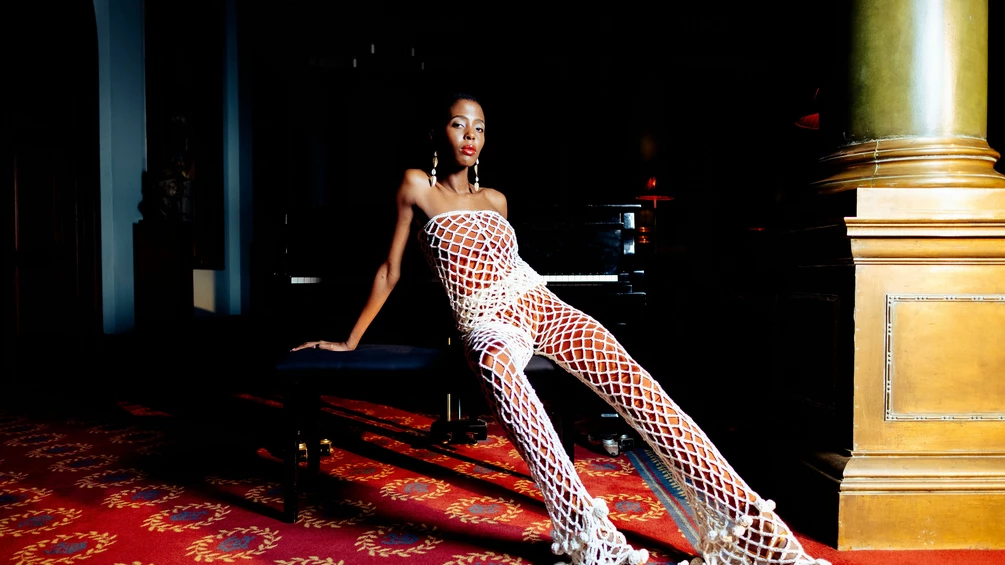
South African DJ and producer DESIREE has unveiled her compelling remix of Nina Simone’s iconic civil rights anthem, ‘Four Women’, marking the second installment in Verve Records’ ambitious year-long Nina Simone remix series. This initiative, which commenced last month, is slated to feature monthly releases extending throughout 2026, aiming to introduce Simone’s timeless artistry to a new generation of listeners through contemporary electronic interpretations.
The newly released track sees DESIREE infuse ‘Four Women’ with her signature slick deep house grooves, meticulously weaving modern electronic textures around Simone’s powerful and unmistakable vocal performance. The remix respects the profound emotional weight and historical significance of the original composition while reimagining it within a club-ready framework. DESIREE’s rendition offers a fresh sonic landscape for a song that has resonated deeply across generations since its original release.
Verve Records’ Vision for the Nina Simone Remix Series
Verve Records, a legendary label synonymous with jazz and blues, embarked on this extensive remix project with a clear objective: to celebrate Nina Simone’s enduring legacy and broaden her reach in the digital age. The series serves as a bridge between Simone’s foundational contributions to music and contemporary electronic dance music (EDM) culture, inviting acclaimed DJs and producers to reinterpret her catalog. This strategy aligns with a broader industry trend of re-contextualizing classic recordings to engage diverse audiences and demonstrate the timelessness of pivotal artistic works.
The series was inaugurated last month by German DJ and producer Solomun, who offered his distinct rework of Simone’s ‘Take Care Of Business’. Solomun’s remix set an intriguing precedent for the series, blending his characteristic melodic house sound with Simone’s jazz-infused vocals. The choice of both Solomun and DESIREE for the initial releases underscores Verve’s commitment to collaborating with artists who possess both global recognition and a deep respect for the source material, ensuring that the reinterpretations are both innovative and reverential. The multi-year commitment, extending until 2026, suggests a profound exploration of Simone’s extensive discography, promising a rich tapestry of sonic interpretations from a diverse array of electronic music talents.
DESIREE’s Artistic Approach to a Classic
Speaking on her approach to remixing ‘Four Women’, DESIREE articulated a profound respect for the original’s integrity and message. "There are songs that already say everything. ‘Four Women’ is one of them. The deeper I got into Nina Simone’s world, the more I felt it speaking directly to me," she stated. Her comments highlight the challenge and responsibility inherent in re-working such a seminal piece of music. Rather than attempting to alter the song’s fundamental meaning, DESIREE sought to transport it into a new sonic environment. "When I came to make this remix, I didn’t want to change what it meant," she continued. "I just wanted to bring it somewhere new, somewhere you could move to it, lose yourself in it, and still feel every word."
This philosophy is evident in the remix itself, where the deep house rhythms provide an undulating, hypnotic backdrop that allows Simone’s poignant lyrics and vocal delivery to remain at the forefront. The subtle yet persistent grooves create an atmosphere that is both contemplative and danceable, a testament to DESIREE’s skill in balancing reverence with innovation. Her interpretation serves as a potent example of how electronic music can serve as a vehicle for historical narratives and social commentary, making them accessible and relevant to contemporary club culture.
The Enduring Power of Nina Simone’s ‘Four Women’
To fully appreciate DESIREE’s remix, it is crucial to understand the historical and cultural significance of Nina Simone’s ‘Four Women’. Released in 1966 on her album ‘Wild Is the Wind’, the song stands as one of Simone’s most direct and powerful commentaries on racial identity and the experiences of Black women in America. It was written in response to the 1963 16th Street Baptist Church bombing in Birmingham, Alabama, which killed four young Black girls, and emerged during the height of the Civil Rights Movement.
The song portrays four archetypal Black women: Aunt Sarah, a strong, resilient figure burdened by generations of servitude; Saffronia, a mixed-race woman grappling with her identity and the prejudices she faces; Sweet Thing, a sex worker forced into her profession; and Peaches, a defiant and angry woman reflecting the rage of racial injustice. Each character is introduced with a vivid description of her skin tone and physical features, followed by a concise narrative of her life and struggles. Simone’s minimalist piano arrangement and raw, emotive vocals imbue each character with a distinct personality and profound sorrow, culminating in Peaches’ declaration, "My name is Peaches!" – a powerful assertion of identity and defiance.
‘Four Women’ was controversial upon its release, with some radio stations banning it due to its explicit portrayal of racial stereotypes and its perceived anger. However, its unflinching honesty and poetic depth cemented its status as an anthem for racial pride and empowerment, becoming a cornerstone of Simone’s activist repertoire. It remains a vital piece of socio-political commentary, offering a lens into the complex realities of race, gender, and class that continue to resonate today. The choice of ‘Four Women’ for a contemporary remix underscores its timeless message and its continued relevance in ongoing discussions about identity and justice.
DESIREE’s Rapid Ascent in Global Electronic Music
DESIREE’s selection for such a prestigious remix project is a testament to her meteoric rise within the global electronic music scene. In 2024, she graced the cover of DJ Mag North America, a significant milestone that celebrated her journey and profound impact on the industry. The accompanying interview charted her compelling backstory, from her roots in South Africa to her rapid ascent to international prominence over the preceding half-decade. Her distinctive sound, characterized by deep, soulful house grooves, intricate percussion, and an undeniable energy, has captivated audiences worldwide.
Prior to this cover feature, DESIREE received critical acclaim in November 2023, when she was named DJ Mag’s Future Star in the esteemed Top 100 DJs poll. This award recognized her as an artist on the cusp of global superstardom, acknowledging her innovative productions and electrifying DJ sets. Her trajectory reflects the vibrant and burgeoning electronic music scene in South Africa, which has produced a wealth of talent gaining international recognition. DESIREE stands as a leading figure in this movement, carrying forward the rich heritage of house music while forging her own unique path. Her ability to blend traditional South African rhythms with contemporary electronic sounds makes her an ideal candidate to reinterpret a culturally rich work like Nina Simone’s ‘Four Women’, bridging diverse musical traditions.
Broader Implications: Legacy, Audience, and Genre Fusion
The Nina Simone remix series, particularly with DESIREE’s contribution, carries several significant implications for the music industry and cultural discourse. Firstly, it represents a concerted effort to preserve and revitalize the legacy of an iconic artist. By presenting Simone’s work in a modern context, Verve Records aims to introduce her genius to younger audiences who might primarily engage with music through electronic genres and streaming platforms. This strategy ensures that Simone’s powerful messages and unparalleled artistry continue to inspire and provoke thought across new demographics.
Secondly, the project exemplifies the increasing fluidity and fusion between genres. The intersection of jazz, soul, and protest music with deep house and electronic production highlights the universal language of rhythm and emotion. It demonstrates how disparate musical forms can converge to create something new and compelling, breaking down traditional genre barriers. This cross-pollination enriches both worlds, bringing the gravitas and narrative depth of Simone’s compositions to electronic music, while offering electronic artists a profound canvas for creative expression.
Furthermore, the series underscores the enduring power of the remix as an artistic statement. Beyond mere re-edits, these remixes are interpretive works that offer a fresh perspective on established classics. They challenge artists to engage deeply with the source material, understanding its essence before transforming it. For listeners, it offers a dual experience: the familiarity of a beloved classic alongside the excitement of a contemporary reimagining, fostering a deeper appreciation for both the original artist and the remixer.
The Future of the Verve Records Series
With DESIREE’s remix of ‘Four Women’ now released, anticipation builds for the subsequent monthly installments of the Nina Simone remix series, which will continue its run through 2026. Each forthcoming release is expected to feature a different acclaimed electronic artist, offering a diverse array of interpretations from Simone’s vast and influential catalog. This long-term commitment by Verve Records signals a profound dedication to this project, promising a comprehensive and multi-faceted tribute to one of the 20th century’s most vital musical figures.
The series not only celebrates Nina Simone’s past achievements but actively contributes to her ongoing relevance, ensuring that her voice, both literal and metaphorical, continues to resonate in the cultural consciousness. Through the innovative lens of artists like DESIREE, Simone’s revolutionary spirit finds new avenues for expression, proving that true artistry transcends time and genre.