Muhammad Ibadurrohman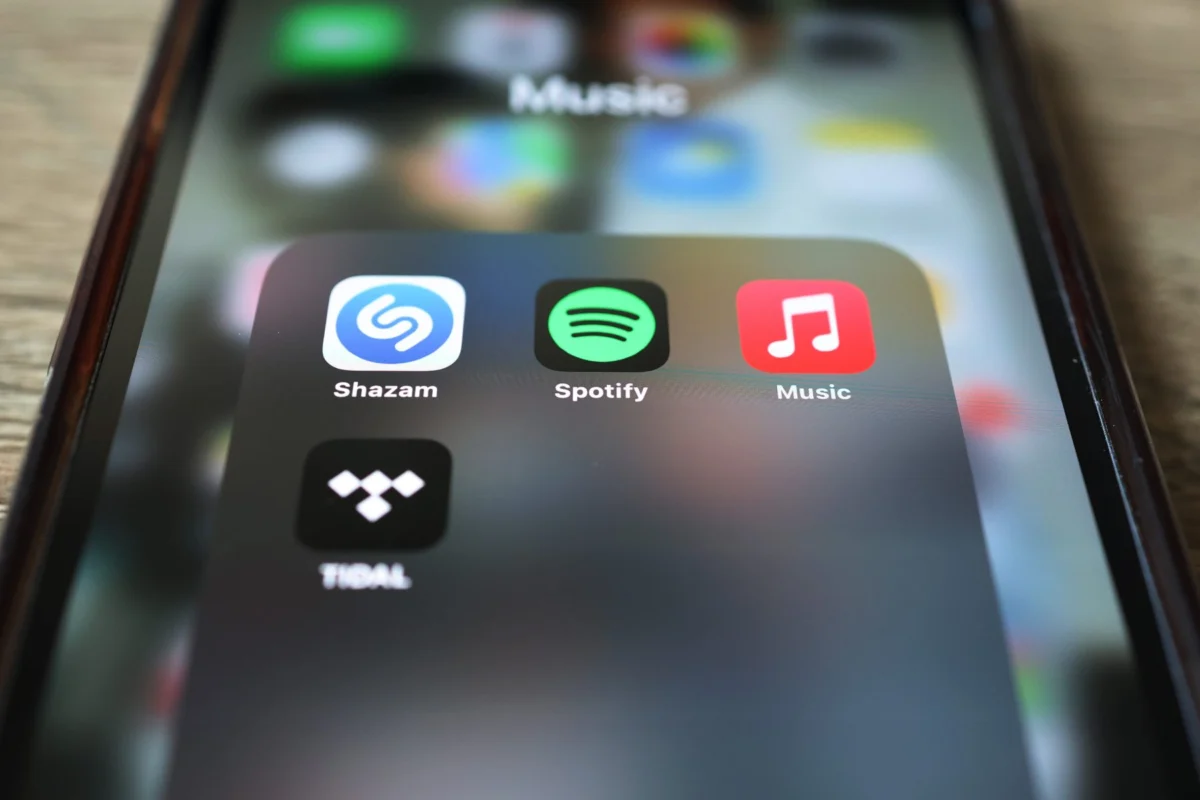
A North Carolina musician, Michael Smith, 54, has admitted guilt to orchestrating an elaborate scheme to siphon $8 million in music royalties through billions of fabricated streams of AI-generated music, marking the first-ever criminal streaming fraud case of its kind brought by U.S. prosecutors. Smith’s guilty plea to one count of wire fraud conspiracy on Thursday, March 19, in a New York federal court, signifies a pivotal moment for the music industry as it grapples with the escalating threat of artificial intelligence misuse and digital piracy. The conviction carries a potential sentence of up to five years in federal prison, alongside an agreement to forfeit the entirety of his $8 million illicit proceeds.
The Genesis and Evolution of a Sophisticated Scheme
The investigation into Michael Smith’s activities revealed a sophisticated and prolonged fraudulent operation that commenced as early as 2017. Initially, Smith utilized a small catalog of human-made music to generate artificial streams across major digital platforms including Spotify, Amazon Music, Apple Music, and YouTube Music. The core of his method involved deploying thousands of automated bots designed to continuously play his tracks, thereby accumulating listenership metrics that would translate into royalty payments. This initial phase, while fraudulent, laid the groundwork for a far more expansive and technically advanced iteration of his scheme.

By late 2018, Smith significantly escalated his operation by collaborating with the CEO of an unnamed artificial intelligence music company. This partnership proved to be a turning point, allowing Smith to rapidly expand his content library. The AI company provided a continuous supply of newly generated songs, circumventing the time-consuming process of human composition and production. In return, the indictment detailed a financial arrangement where Smith promised to share the proceeds, offering the greater of $2,000 per month or 15% of his monthly revenue from the fraudulent streams. While court documents referred to this entity as "CC-3," a shorthand often indicating a co-conspirator who may be cooperating with prosecutors, Billboard reported in 2024 that numerous songs registered to Smith listed Alex Mitchell, the CEO and founder of AI music company Boomy, as a co-writer. At the time of Billboard‘s revelation, Mitchell expressed shock, stating, "We were shocked by the details in the recently filed indictment of Michael Smith, which we are reviewing. Michael Smith consistently represented himself as legitimate." Mitchell has not been charged with any crime in connection with this case. The ability to generate thousands of unique, albeit algorithmically created, tracks allowed Smith to flood streaming services with content, making his operation harder to detect in its early stages due to the sheer volume and seeming diversity of his catalog.
The Unraveling and Legal Fallout
The elaborate facade began to crumble in 2023 when the sophisticated algorithms of streaming platforms, coupled with the vigilant monitoring of the Mechanical Licensing Collective (MLC), detected significant anomalies in Smith’s streaming patterns. These irregularities, indicative of non-human listening activity, triggered a comprehensive investigation that ultimately led to Smith’s arrest in 2024 on a three-count indictment. The charges outlined his extensive use of bots to inflate streaming numbers, illicitly diverting millions of dollars in royalties.
U.S. Attorney Jay Clayton, Manhattan’s top federal prosecutor, underscored the gravity of Smith’s actions in a statement issued on Thursday. "Michael Smith generated thousands of fake songs using artificial intelligence and then streamed those fake songs billions of times," Clayton stated. "Although the songs and listeners were fake, the millions of dollars Smith stole was real. Millions of dollars in royalties that Smith diverted from real, deserving artists and rights holders. Smith’s brazen scheme is over, as he stands convicted of a federal crime for his AI-assisted fraud." This statement highlights the core damage inflicted by such schemes: the direct financial harm to legitimate artists and rights holders whose rightful earnings are diluted by fraudulent activity.

Following his guilty plea, Smith remains free on a $500,000 bond, awaiting his sentencing hearing scheduled for this upcoming July. His legal counsel declined to comment on the proceedings on Thursday, a common practice in ongoing criminal cases. The plea agreement, which includes the forfeiture of $8 million, serves as a significant punitive measure designed to strip Smith of his ill-gotten gains and deter similar future offenses.
The Role of the Mechanical Licensing Collective (MLC) and Industry Vigilance
The detection of Smith’s fraud underscores the critical role played by organizations like the Mechanical Licensing Collective (MLC). Designated by the U.S. Copyright Office, the MLC is responsible for collecting and distributing digital mechanical royalties to songwriters and publishers in the United States. In a statement released Thursday, the MLC affirmed that Smith’s guilty plea "highlights the serious threat that streaming fraud poses to the music industry and the important role The MLC plays in confronting it."
The MLC further elaborated on its proactive measures: "We appreciate the Department of Justice’s swift action, recognizing that The MLC identified the fraud early, challenged Smith and his representatives, and prevented the diversion of mechanical royalties away from rightful songwriters. The MLC will continue to invest in anomaly detection and fraud prevention to protect our members, and we will continue to collaborate with other industry organizations and law enforcement to protect all songwriter royalties." This commitment reflects a broader industry-wide effort to combat fraudulent activities that undermine the integrity of the digital music ecosystem. Their investment in advanced anomaly detection systems is crucial, as fraudsters continually seek new methods to exploit vulnerabilities.

Broader Implications: The Epidemic of Streaming Fraud and AI’s Dual Edge
Michael Smith’s conviction serves as a stark reminder of the pervasive and growing problem of streaming fraud within the music industry. Digital royalties are typically paid out from a fixed pool of revenue generated by streaming services. This "pro-rata" model means that every fraudulent stream dilutes the value of legitimate streams, effectively diverting funds away from artists and songwriters with genuine listenership. Industry reports and analyses have increasingly highlighted the scale of this issue, with some estimates suggesting that artificial streams could account for a significant percentage, potentially upwards of 5-10%, of all streams on certain platforms, representing hundreds of millions of dollars in misdirected royalties annually. While specific, publicly verifiable statistics are often elusive due to the proprietary nature of platform data, the consensus among industry stakeholders is that this problem is substantial and costly.
The rise of artificial intelligence has undeniably exacerbated this issue. AI tools, designed for creative generation, can be easily repurposed by bad actors to quickly produce vast quantities of "music" that, while often simplistic or generic, is sufficient to pass initial content filters and populate streaming libraries. This ease of content generation, combined with the readily available infrastructure for bot farms and fake accounts, creates a fertile ground for fraudulent operations. Before the advent of sophisticated AI, generating thousands of unique tracks would have required immense human effort and resources, acting as a natural deterrent. Now, a single individual or small group can achieve this with minimal technical knowledge and investment.
Streaming platforms have not been oblivious to this threat. Major services like Spotify, Amazon Music, and Apple Music have been continuously updating and strengthening their policies to combat malicious streams. This includes deploying more sophisticated machine learning algorithms to detect bot activity, implementing stricter onboarding processes for new content distributors, and actively removing fraudulent tracks and accounts. For instance, Spotify has publicly stated its commitment to identifying and mitigating artificial streaming, often removing millions of tracks and blocking billions of fraudulent streams each year. These measures, however, are part of an ongoing arms race, as fraudsters adapt their techniques in response to new defenses.

A Precedent-Setting Case and the Future of Music Royalties
The Michael Smith case is particularly significant because it marks the first time U.S. prosecutors have brought criminal charges specifically for streaming fraud. This sets a powerful legal precedent, signaling that law enforcement agencies are prepared to treat digital royalty manipulation as a serious federal crime, akin to traditional financial fraud. Prior to this, many instances of streaming fraud were handled through civil actions, content removal, or account suspensions by the platforms themselves. The involvement of the Department of Justice elevates the severity of consequences and is expected to have a chilling effect on potential fraudsters.
The implications for the music industry are far-reaching. It reinforces the need for continued investment in robust fraud detection technologies, not just by streaming platforms but also by distributors, labels, and rights organizations. It also highlights the importance of collaboration between these entities and law enforcement to share intelligence and coordinate efforts. For legitimate artists and songwriters, this conviction offers a glimmer of hope that the integrity of the royalty system will be better protected, ensuring that their creative work is fairly compensated.
Looking ahead, the evolving landscape of AI in music presents both immense opportunities and significant challenges. While AI offers innovative tools for music creation, production, and personalization, its potential for misuse in fraudulent schemes remains a pressing concern. The industry will need to continue developing ethical guidelines, technical safeguards, and legal frameworks to harness the benefits of AI while mitigating its risks. The Michael Smith case serves as a critical milestone in this ongoing effort, underscoring that in the digital age, even "fake" streams can lead to very real criminal consequences and substantial financial penalties. The music industry, policymakers, and legal systems worldwide will undoubtedly be closely watching the outcome of Smith’s sentencing and its broader impact on the fight against digital piracy and fraud.