Kholidah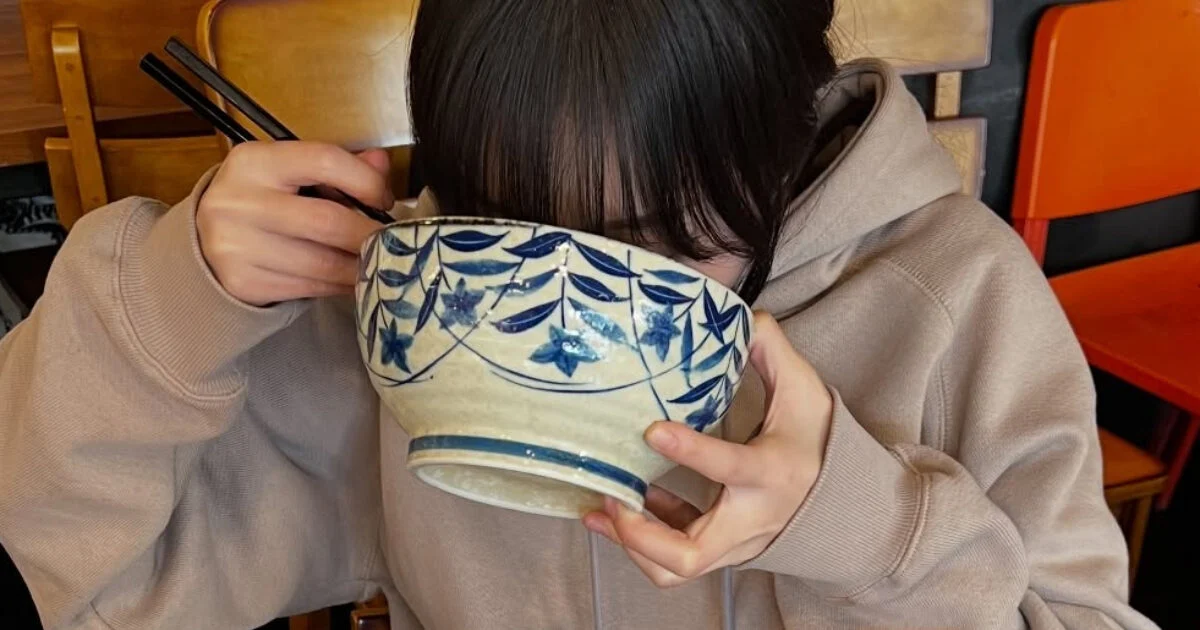
The case against Oh centers on a series of false claims made to third parties regarding Tzuyang’s professional integrity. According to investigative reports from MBC and judicial filings, Oh is accused of providing a fraudulent tip to another YouTuber, Jeon Pyo-jun—better known by his channel name Jujak Gambyeolsa (The Scams Hunter)—in November 2020. Oh alleged that during a visit to a restaurant where Tzuyang was filming a "giant pasta" mukbang, they witnessed evidence that the creator had vomited the food immediately after consumption. Specifically, Oh claimed to have seen "traces of pasta" in the restroom, implying that Tzuyang’s ability to consume massive quantities of food was a fabrication maintained through bulimic practices.
The Investigation and the Discrepancy of Dates
During the rigorous investigation conducted by the Seoul Central District Prosecutors’ Office, Oh maintained that the allegations were based on firsthand observation and were therefore true. However, forensic analysis of filming schedules, restaurant logs, and witness testimonies provided a different narrative. Prosecutors discovered a critical chronological discrepancy that invalidated Oh’s defense: the date Oh claimed to have encountered Tzuyang at the restaurant was actually the date the pre-recorded video was broadcasted to the public, not the date the content was filmed.
Witnesses present during the actual filming of the "giant pasta" video, including restaurant staff and production assistants, provided statements confirming that Tzuyang had completed the meal without incident and that no such "traces" existed. The prosecution concluded that Oh’s tip was not a mistake of memory but a malicious fabrication intended to damage the creator’s reputation. This finding led to the indictment for defamation, as the spread of false information via information and communication networks is treated with high severity under South Korean law due to its rapid dissemination and lasting impact on the victim’s livelihood.
Contextualizing the "Cyber Wrecker" Phenomenon
The indictment of Oh cannot be viewed in isolation; it is intrinsically linked to a broader scandal involving "cyber wreckers"—YouTubers who profit from sensationalism, rumors, and the "exposure" of celebrities. The tip provided by Oh was eventually utilized by Jujak Gambyeolsa in July 2024 as part of a larger campaign to pressure and blackmail Tzuyang. This period saw a surge in content targeting Tzuyang’s private life and professional habits, orchestrated by a group of creators including Jujak Gambyeolsa and another notorious figure, Gujeyeok (Lee Jun-hee).
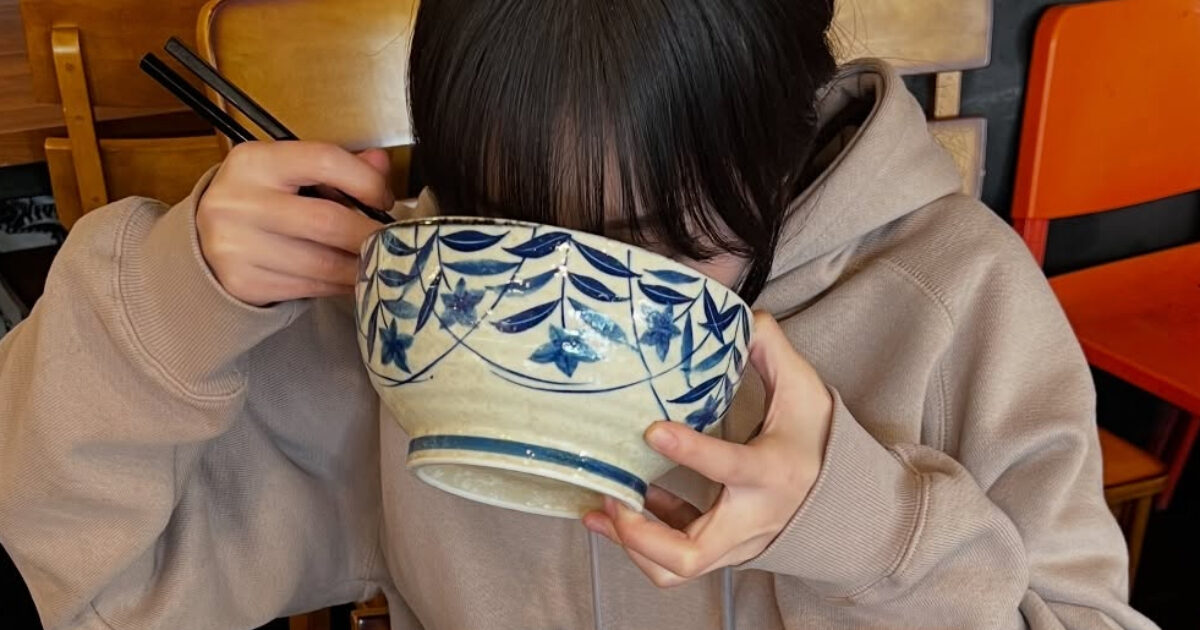
In the South Korean digital landscape, "meok-baet" (spitting out food after chewing) and "meok-to" (vomiting after eating) are among the most damaging rumors a mukbang creator can face. The appeal of mukbang—a portmanteau of the Korean words for "eating" and "broadcast"—relies heavily on the perceived authenticity of the creator’s appetite and their physical capacity to enjoy large meals. If a creator is found to be faking these feats, it is viewed by the audience as a breach of trust, often leading to a permanent loss of viewership and sponsorship contracts. By providing a false "eyewitness" account of such behavior, Oh provided the cyber wreckers with the ammunition needed to threaten Tzuyang’s career.
The Broader Blackmail Scandal and Legal Repercussions
The July 2024 broadcast by Jujak Gambyeolsa, which utilized Oh’s false tip, was part of an extortion plot that shocked the South Korean public. It was later revealed that Jujak Gambyeolsa and Gujeyeok had conspired to blackmail Tzuyang, threatening to reveal sensitive details about her past and her professional conduct unless she paid them significant sums of money. Tzuyang eventually came forward in a heartbreaking live stream, revealing that she had been a victim of domestic violence and labor exploitation by her former boyfriend and agency CEO for years.
In the subsequent legal fallout, Jujak Gambyeolsa was convicted of blackmail and received a sentence of one year in prison, suspended for three years. The court found that he had used the threat of publishing damaging content—much of it based on unverified or false tips like the one provided by Oh—to extort tens of millions of won from the creator. The indictment of Oh serves as the final piece of the puzzle in this specific line of inquiry, holding the original source of the misinformation accountable for their role in the defamation.
Chronology of the Case
To understand the complexity of the legal battle, a timeline of events is essential:
- November 2020: Tzuyang broadcasts a video featuring a "giant pasta" challenge in Hongdae. During this time, Oh provides a false tip to Jujak Gambyeolsa claiming to have seen evidence of vomiting.
- 2020–2023: Tzuyang continues to build her channel, eventually surpassing 10 million subscribers, while privately suffering under an abusive relationship and extortion attempts by her then-manager.
- July 2024: The "Cyber Wrecker Union" (including Gujeyeok and Jujak Gambyeolsa) begins releasing or threatening to release content based on Oh’s tip and other private information.
- July 11, 2024: Tzuyang reveals the truth behind the blackmail and her abusive past in a live broadcast, garnering massive public support.
- Late 2024: Investigations into the blackmailers result in prison sentences and fines for several YouTubers.
- March 2026: The Seoul Central District Prosecutors’ Office concludes the investigation into the original source of the pasta rumor, identifying Oh and seeking a ₩7.00 million KRW fine for defamation.
Impact on the Mukbang Industry and Legal Precedents
The prosecution of Oh is being hailed as a significant victory for digital creators in South Korea. For years, YouTubers have been vulnerable to "anonymous tips" from acquaintances or former friends seeking to capitalize on their success or settle personal grudges. Because the barrier to entry for "exposure" channels is low, a single false claim can be amplified to millions of viewers within hours.

Legal experts suggest that the ₩7.00 million KRW fine sought by the prosecution is relatively high for a summary indictment of this nature, reflecting the gravity of the harm caused. Under the Information and Communications Network Act, the standard for defamation is not just whether the information was false, but whether it was spread with the intent to disparage a person’s reputation. By proving that Oh lied about the dates and the event itself, the prosecution established "malicious intent."
Furthermore, this case highlights the evolving nature of "witness" credibility in the digital age. In the past, an "acquaintance’s testimony" carried significant weight in the court of public opinion. However, this verdict demonstrates that digital footprints—such as broadcast logs and metadata—are now the primary tools for debunking false eyewitness accounts.
Official Responses and Public Sentiment
While Tzuyang’s legal team has not issued an extensive new statement following Oh’s indictment, they have previously emphasized their "zero-tolerance policy" regarding false rumors. In earlier proceedings, her representatives stated, "The psychological toll of being accused of deceiving one’s audience is immense. We will continue to take strict legal action against those who generate and spread groundless falsehoods for the purpose of defamation."
The public reaction in South Korea has been overwhelmingly supportive of Tzuyang. Having witnessed her vulnerability during the 2024 revelations, many netizens have expressed outrage at the "betrayal" by a college friend. On social media platforms, the consensus reflects a growing demand for stricter regulations on cyber wreckers and those who provide them with false information. The term "friend" in the context of this news has been widely scrutinized, with many noting that the motivation behind Oh’s actions appeared to be envy or a desire to see a successful peer fall from grace.
Broader Implications for Content Creators
The resolution of the case against Oh provides a roadmap for other creators facing similar defamation. It underscores the importance of maintaining meticulous records of filming dates, locations, and personnel. For the mukbang community specifically, it serves as a warning to those who would use "eating habits" as a weapon for character assassination.

As the digital economy continues to grow, the protection of a creator’s "brand" becomes as essential as the protection of a physical business. The South Korean judiciary’s willingness to pursue the original sources of misinformation, rather than just the publishers, indicates a more holistic approach to combating online harassment.
Tzuyang, who has remained active on her channel despite these tribulations, continues to be a symbol of resilience in the Korean entertainment industry. With the legal system now holding her detractors accountable—from the blackmailers who extorted her to the "friend" who started the rumors—the case sets a powerful precedent for the accountability of individuals in the digital era. The finalization of Oh’s fine will mark the closing of one of the most painful chapters in the creator’s career, allowing the focus to return to her content rather than the controversies manufactured by others.