Reynand Wu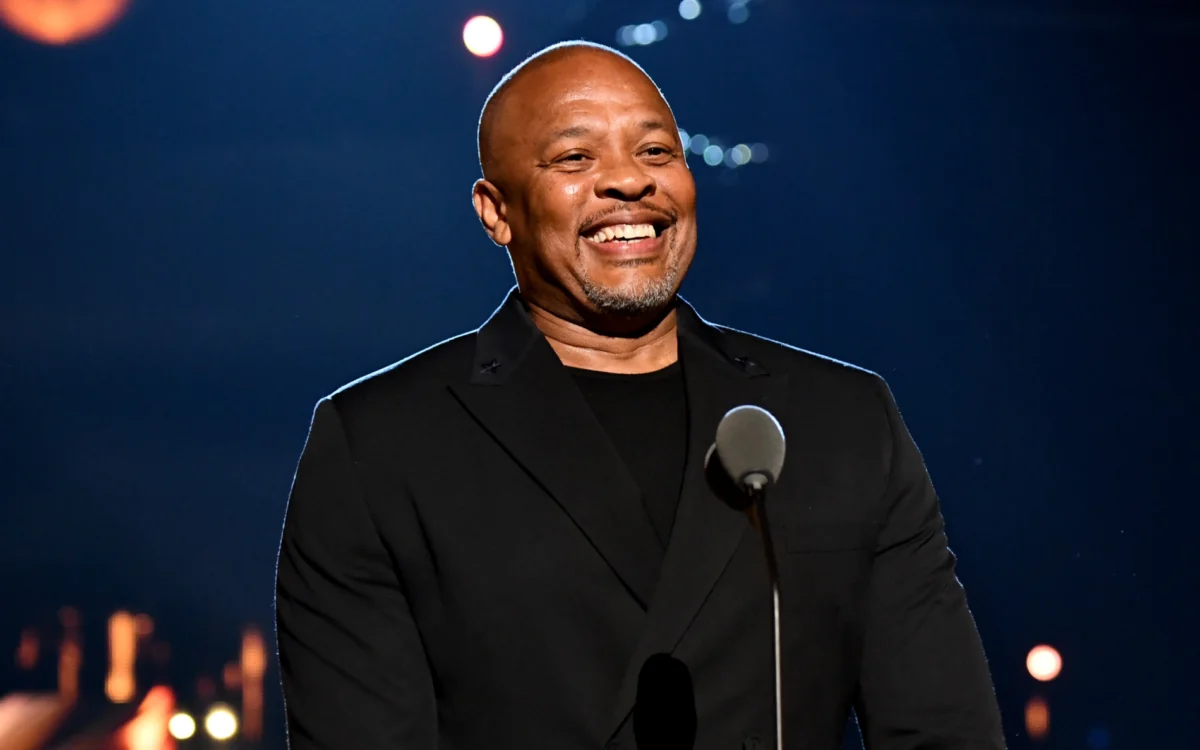
Dr. Andre Romelle Young, globally recognized as Dr. Dre, has officially entered the exclusive ranks of billionaires, solidifying his status as one of the most successful figures in both music and business. The legendary hip-hop producer and entrepreneur is featured on Forbes’ highly anticipated 2026 Billionaires List, securing the 3,332nd position among nearly 3,500 of the world’s wealthiest individuals. This landmark achievement places him in esteemed company, tied with other notable personalities such as pop superstar Rihanna, investor Jared Kushner, and DoorDash co-founder Stanley Tang. This confirmation marks a significant milestone, nearly a decade after a premature celebration following the sale of Beats Electronics, and underscores Dr. Dre’s enduring financial acumen and strategic business ventures.
The Genesis of a Mogul: From N.W.A to Aftermath Entertainment
Dr. Dre’s journey to billionaire status is rooted in a career that spans over four decades, fundamentally shaping the sound and business landscape of hip-hop. Born in Compton, California, his musical career began in the early 1980s, culminating in his pivotal role as a co-founder of the seminal gangsta rap group N.W.A in 1986. With N.W.A, Dre pioneered a new subgenre, selling millions of records and becoming a controversial yet influential voice in American music. His innovative production style, characterized by heavy basslines, synthesizers, and samples, laid the groundwork for what would become known as G-funk.
Following his departure from N.W.A and Death Row Records, Dr. Dre founded Aftermath Entertainment in 1996 under the umbrella of Interscope Records. This move proved to be a strategic masterstroke, allowing him greater creative and business control. Aftermath quickly became a powerhouse, launching the careers of some of hip-hop’s most iconic artists. His signing of Eminem in 1998, against industry skepticism, led to multi-platinum album sales and global superstardom, proving Dre’s unparalleled ear for talent and commercial viability. Subsequent successes with artists like 50 Cent and Kendrick Lamar further cemented Aftermath’s legacy as a hit-making factory and a cornerstone of contemporary music. The label’s sustained profitability over decades has been a consistent driver of Dre’s wealth, generating substantial revenue through album sales, touring, merchandise, and licensing deals. Beyond his role as an executive, Dre continued to produce critically acclaimed albums, including his own "2001" and numerous tracks for other artists, ensuring a continuous stream of income from royalties and production fees.
Beats Electronics: A Billion-Dollar Innovation
While Aftermath Entertainment built a robust foundation, it was the co-founding of Beats Electronics with music executive Jimmy Iovine in 2006 that propelled Dr. Dre into a new echelon of entrepreneurship. Their vision was simple yet revolutionary: to create high-quality headphones that would address the perceived decline in audio fidelity caused by the proliferation of digital music formats like MP3s. At a time when cheap, disposable earbuds dominated the market, Beats by Dre introduced premium, stylish headphones that merged cutting-edge audio technology with a powerful brand identity.
The marketing strategy for Beats was ingenious, leveraging celebrity endorsements from athletes and musicians, and prominently featuring the distinctive "b" logo in music videos and public appearances. This pervasive cultural presence transformed headphones from mere accessories into fashion statements and status symbols. Beats quickly captured a dominant share of the premium headphone market, demonstrating immense consumer demand for a product that combined superior sound with aspirational branding. The company expanded its product line to include speakers and eventually launched a streaming music service, Beats Music, further diversifying its revenue streams and positioning itself as a comprehensive audio lifestyle brand. This meteoric rise made Beats a highly attractive acquisition target for tech giants looking to enter the burgeoning music hardware and streaming markets.
The 2014 Apple Acquisition: A Premature Celebration and a Costly Leak
The pinnacle of Beats’ success arrived in 2014 when Apple Inc. acquired the company for a staggering $3 billion. This monumental deal was, at the time, the largest acquisition in Apple’s history and sent shockwaves through the tech and music industries. The acquisition was seen as a strategic move by Apple to bolster its position in the audio hardware market, integrate a popular streaming service, and bring on board the visionary talents of Dr. Dre and Jimmy Iovine.
However, the euphoria surrounding the deal led to a memorable, albeit premature, declaration of billionaire status by Dr. Dre himself. Shortly before the official announcement, a viral video surfaced featuring Dre and actor Tyrese Gibson celebrating the impending acquisition. In the video, a jubilant Dr. Dre exclaimed, "The first billionaire in hip-hop, right here from the muthaf***ing West Coast!" This impromptu celebration ignited widespread media coverage, with many outlets initially reporting Dre as hip-hop’s first billionaire.
Subsequent financial analyses, notably by Forbes, quickly clarified the situation. While the $3 billion sale was indeed historic, the proceeds were split between Dre, Iovine, and various investors, and a significant portion was subject to taxes. Forbes estimated that after all deductions and distributions, the deal increased Dr. Dre’s net worth to approximately $800 million, a substantial sum but still short of the billion-dollar threshold. This clarification underscored the complexities of high-stakes corporate acquisitions and the difference between gross deal value and individual net worth.
Adding another layer to this narrative, the book After Steve: How Apple Became a Trillion-Dollar Company and Lost Its Soul by Tripp Mickle, revealed that the leaked video may have had tangible financial repercussions. According to the book, Apple CEO Tim Cook was reportedly displeased by the public leak of the deal details before the official announcement. This dissatisfaction, the book claimed, was used as leverage by Apple to negotiate down the acquisition price by approximately $200 million. If accurate, this meant that the premature celebration effectively cost Dr. Dre and Jimmy Iovine a considerable sum, highlighting the critical importance of discretion in high-profile corporate negotiations.
The Patient Ascent: From $800 Million to a Verified Billion
The period between 2014 and 2026 saw Dr. Dre quietly but steadily accumulate the additional wealth needed to cross the billion-dollar mark. While the Beats acquisition provided a massive capital injection, his continued involvement in Aftermath Entertainment, which consistently generates revenue from its extensive catalog and active artist roster, played a crucial role. Artists like Kendrick Lamar, signed to Aftermath, released critically acclaimed and commercially successful albums during this period, contributing to the label’s ongoing profitability.
Beyond his core music ventures, Dr. Dre likely diversified his portfolio through various investments. Wealthy individuals often engage in strategic investments in real estate, private equity, technology startups, and other sectors to grow their capital. While specific details of his private investments are not publicly disclosed, it is reasonable to infer that a combination of shrewd financial management, asset appreciation, and continued income from his existing enterprises allowed his net worth to steadily climb from $800 million to over $1 billion. This patient, sustained growth stands in contrast to the instantaneous, but ultimately premature, declaration of 2014, showcasing a mature approach to wealth building.
The 2026 Forbes Billionaires List: A Global Perspective
Forbes’ 2026 Billionaires List is a comprehensive annual ranking that meticulously tracks the wealth of the world’s richest individuals. The publication’s methodology involves valuing assets such as stakes in public and private companies, real estate, yachts, art, and cash, while also accounting for debt. The inclusion of Dr. Dre on this prestigious list is a testament to the accuracy and rigor of Forbes’ financial reporting, providing a definitive confirmation of his billionaire status.
His ranking at 3,332nd, among nearly 3,500 billionaires globally, offers a snapshot of the sheer scale of wealth concentration in the modern era. The fact that he is tied with figures like Rihanna, whose Fenty beauty and fashion empire has been a massive success, Jared Kushner, a prominent real estate investor and former White House advisor, and Stanley Tang, a co-founder of the hugely successful DoorDash delivery service, underscores the diverse paths to accumulating immense wealth. Topping the list by a considerable margin is Elon Musk, whose vast holdings in Tesla, SpaceX, and xAI have pushed his fortune to an astonishing $839 billion, illustrating the unparalleled financial scale of the world’s absolute wealthiest individuals.
An Exclusive Club: Billionaire Musicians
Dr. Dre’s entry into the billionaire club makes him only the sixth musician to achieve this remarkable 10-figure milestone. He joins an elite cohort that includes fellow hip-hop icon JAY-Z, whose diversified empire spans music, spirits, art, and technology, contributing to his formidable $2.8 billion fortune (ranking 1,504th). Pop and business mogul Rihanna, with her Fenty Beauty and Savage X Fenty ventures, has also cemented her place. Beyoncé, through her music, touring, and entrepreneurial endeavors, and pop phenomenon Taylor Swift, whose unprecedented success in music ownership and record-breaking tours have propelled her into the ranks, are also members. Veteran rock legend Bruce Springsteen, with a career spanning decades and astute management of his music catalog, rounds out this incredibly exclusive group.
This list highlights a significant shift in the music industry, where artists are increasingly leveraging their creative platforms into expansive business empires. The paths to billionaire status for these musicians are varied, but a common thread is the strategic diversification of assets beyond traditional music sales and touring. Rihanna’s Fenty brands, JAY-Z’s Roc Nation and Armand de Brignac champagne, and Taylor Swift’s ownership of her master recordings exemplify the modern artist-entrepreneur model.
Notably, other hip-hop figures like Kanye West and Diddy had previously been reported as billionaires but have since seen significant dents in their net worth due to controversies and the subsequent withdrawal of lucrative brand deals and partnerships. This serves as a stark reminder of the fragility of wealth tied heavily to personal brand and endorsements, underscoring the importance of diversified, resilient business structures that are less susceptible to individual reputational risks.
Legacy and Broader Implications
Dr. Dre’s confirmed billionaire status is more than just a personal financial achievement; it carries profound implications for the hip-hop genre and the broader entertainment industry. His journey from the streets of Compton to the highest echelons of global wealth serves as an inspirational blueprint for aspiring artists and entrepreneurs alike. He has demonstrated that creative genius, when coupled with astute business acumen and strategic partnerships, can transcend artistic boundaries and generate unprecedented financial success.
His legacy now encompasses not only his groundbreaking musical contributions as a producer and artist but also his transformative impact as a business mogul. Through Aftermath Entertainment, he built a stable for generational talent, and with Beats Electronics, he revolutionized an entire product category. Dr. Dre’s career underscores the power of brand building, intellectual property ownership, and the ability to identify and capitalize on market gaps. His success further validates hip-hop as a legitimate and powerful economic force, capable of generating wealth on par with any other industry. This achievement marks a new chapter in the ongoing narrative of hip-hop’s evolution from a cultural phenomenon to a global economic powerhouse.