Muhammad Ibadurrohman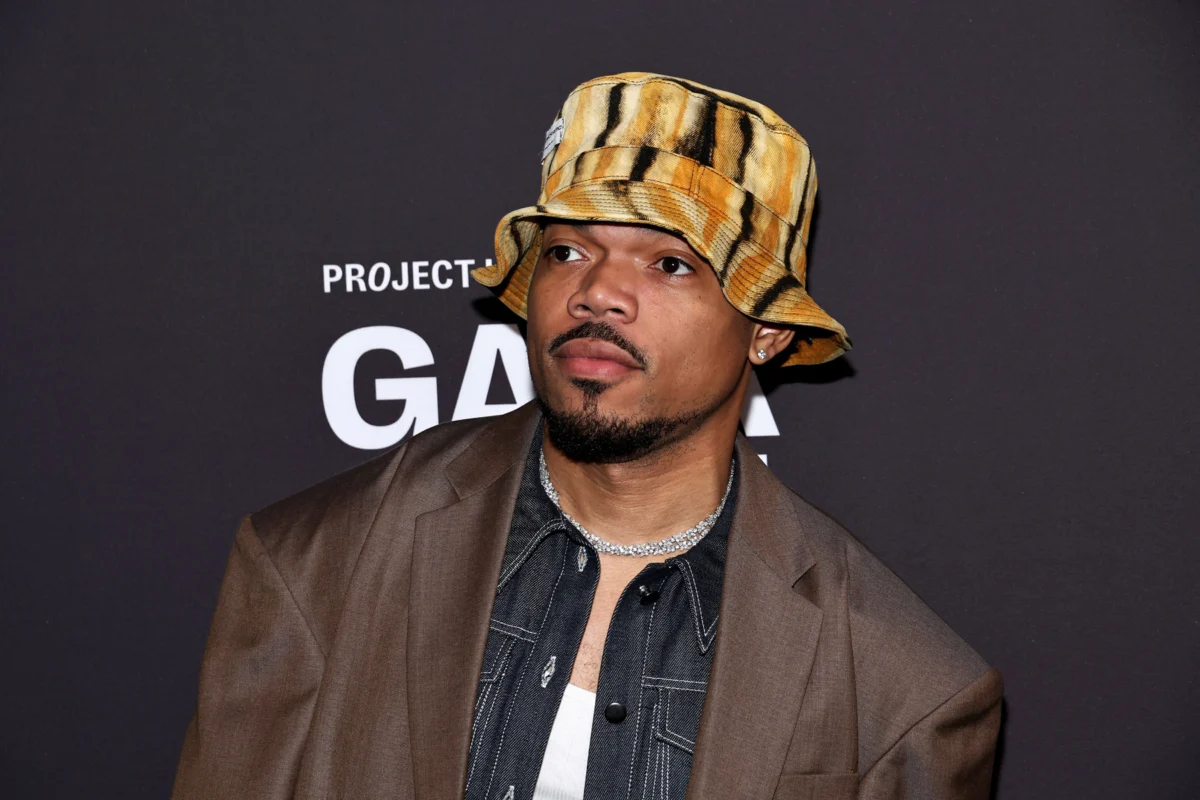
A Chicago jury has delivered a decisive verdict, rejecting the substantial legal claims brought against Grammy-winning artist Chance the Rapper by his longtime manager, Pat Corcoran, known professionally as Pat the Manager. The ruling, handed down on Friday night (March 20) after a rigorous two-and-a-half-week trial in the United States District Court for the Northern District of Illinois, marks a significant moment in a contentious legal battle that pitted former close collaborators against each other. While the jury fully rejected Corcoran’s demands for $3.8 million in unpaid commissions, it also sided with Chance on his countersuit alleging breach of fiduciary duties, though it awarded the rapper a mere $35 in damages, a figure that underscores the complex nature of the dispute and the jury’s nuanced interpretation of the evidence.
The Genesis of a Bitter Legal Feud
The legal saga unfolded from what was once an inseparable partnership between Chancelor Bennett, known globally as Chance the Rapper, and Pat Corcoran, the architect behind much of his early, independent success. Their journey began in 2013, a formative period for both artist and manager, built upon an oral agreement that allegedly stipulated a 15% management commission. This unwritten understanding, common in the nascent stages of an artist’s career, would eventually become the central point of contention in a multi-million-dollar lawsuit. Corcoran’s management was widely credited with helping Chance navigate the music industry outside traditional record label structures, culminating in the critical and commercial triumph of his 2016 album, Coloring Book, which famously spent 125 weeks on the Billboard 200 chart and earned Chance three Grammy Awards the following year, including Best Rap Album. This period represented the zenith of their collaboration, a testament to their shared vision and Corcoran’s purported tireless efforts in promotion, distribution, and strategic career development.
However, the bond that propelled Chance to superstardom began to fray in the late 2010s. The once-unified front dissolved amid accusations of shifting priorities and alleged neglect. Corcoran initiated legal proceedings in 2020, seeking $3.8 million, a sum he claimed was owed in unpaid commissions, including a provision under a so-called "sunset clause." This clause, typically designed to ensure a manager receives a percentage of an artist’s earnings for a defined period post-termination, even without active management, was asserted by Corcoran to run for three years after their professional separation. The jury’s rejection of these claims, as reported by the Chicago Sun-Times, unequivocally indicates their skepticism regarding the existence or enforceability of such an oral agreement, particularly without any supporting written documentation.
Chance’s Countersuit: Allegations of Betrayal
In response to Corcoran’s initial lawsuit, Chance the Rapper filed his own countersuit in 2021, accusing his former manager of breaching fiduciary duties and exploiting career opportunities for his own financial gain. A manager’s fiduciary duty is a legal obligation to act in the best interest of their client, a standard that demands loyalty, good faith, and transparent dealings. Chance’s legal team contended that Corcoran had veered from this obligation, allegedly prioritizing his personal ventures over the rapper’s career progression. Specific allegations during the trial included claims that Corcoran neglected Chance’s projects, leading to issues such as 24,000 unfulfilled merchandise orders in 2019, and that he sought equity in Chance’s recordings through UnitedMasters in 2017 without the artist’s explicit knowledge or consent.

While the jury found in favor of Chance on these breach of fiduciary duty claims, the awarded damages of $35, a stark contrast to the $1 million initially sought by the rapper, highlight a crucial distinction. This minimal award suggests that while the jury believed Corcoran did breach his duties, they did not find substantial financial damages directly attributable to those breaches that could be monetarily compensated. It functions more as a symbolic affirmation of Chance’s legal position rather than a significant financial recovery.
The Battle in the Courtroom: Competing Narratives
The trial itself was a microcosm of the complexities inherent in artist-manager relationships, particularly those built on informal agreements. Lawyers for both sides presented starkly different narratives during their closing arguments, painting pictures of dedication versus disloyalty, and ambition versus avarice.
Representing Pat Corcoran, attorney Robert D. Sweeney set a poignant tone for his closing statement, framing the case as "This story is about someone who becomes famous and forgets what it took to get him there." Sweeney passionately argued that Corcoran was the "common denominator" in Chance’s meteoric rise, citing the unprecedented success of Coloring Book and contrasting it with the less impactful performance of Chance’s 2025 album, Star Line, which spent only one week on the Billboard 200 after their parting. "You can be great, but if you don’t have the right people around you, how’s that going to work out?" Sweeney queried, implying Corcoran’s indispensable role. He further asserted that Corcoran had "loved this guy," going above and beyond his managerial duties to assist with promotion and distribution, and that "Pat took his 15% and did everything to prove the big labels wrong and the importance of staying independent." Sweeney acknowledged the difficulty of proving an oral agreement, stating, "It’s hard to know what was said, so it’s about which story makes sense," attempting to sway the jury with the emotional weight of a partnership gone sour.
Conversely, Precious S. Jacobs-Perry, Chance the Rapper’s lawyer, countered with a narrative focused on Corcoran’s alleged "greed" and "wanting something he doesn’t deserve." She emphasized the absence of any concrete evidence for the "sunset agreement" beyond "Pat’s own say so," pointing to written communications from 2014 where Corcoran outlined the 15% commission but made no mention of any post-termination clause. Jacobs-Perry argued that the alleged sunset clause only materialized in Corcoran’s 2020 lawsuit, years after the supposed oral agreement. She accused Corcoran of leveraging Chance’s success to build his own ventures, stating, "All companies he created had nothing to do with Chance, he was investing in himself. Pat used his position to enrich himself repeatedly." Furthermore, she highlighted alleged lapses in management, such as the 24,000 unfulfilled merchandise orders in 2019, and the alleged attempt to secure equity in Chance’s recordings through UnitedMasters, which she portrayed as a betrayal of trust. Jacobs-Perry concluded by asserting that Chance chose "independence, freedom" and that Corcoran "squandered that opportunity by betraying his friend."
Industry Implications: The "Get It In Writing" Mandate
The verdict sends a resounding message throughout the music industry, particularly concerning the often-informal agreements that characterize artist-manager relationships in their early stages. Jay Scharkey, an attorney for Pat Corcoran, encapsulated this sentiment in his post-verdict statement to Billboard: "We respect the jury’s decision, but the message to music managers is clear: Get it in writing. The jury award of $35 speaks to how seriously the jury viewed Chance’s case." This statement, while acknowledging the defeat on the primary claim, attempts to frame the minimal damages in the countersuit as an indication that the jury did not view Corcoran’s breaches of fiduciary duty as severe or financially impactful.

The case underscores the inherent risks of relying on oral contracts, especially as an artist’s career ascends and the financial stakes skyrocket. While common in the early, trust-based phases of collaboration, the absence of written documentation leaves both parties vulnerable to differing recollections, interpretations, and ultimately, costly legal battles. The music industry, known for its dynamic and often complex contractual arrangements, frequently sees disputes arise over commissions, intellectual property rights, and the scope of managerial duties. This verdict will likely serve as a powerful cautionary tale, compelling both emerging artists and their managers to formalize their agreements with comprehensive written contracts that clearly delineate terms, responsibilities, compensation structures, and, crucially, any post-termination clauses like "sunset clauses."
Broader Impact and Future Considerations
This high-profile dispute also highlights the delicate balance of power and trust within the artist-manager dynamic. As an artist achieves greater success, the value of their management relationship intensifies, and so do the potential rewards and risks. Allegations of a manager prioritizing personal gain over client interests touch upon the core tenets of professional ethics and legal responsibility. The jury’s finding of a breach of fiduciary duty, even with minimal damages, reaffirms the legal expectation that managers must act solely in their client’s best interest.
For Chance the Rapper, the verdict represents a legal vindication, freeing him from the multi-million-dollar claim and affirming his stance on his former manager’s conduct, albeit with a symbolic rather than substantial financial award. For Pat Corcoran, it’s a significant financial setback, with his claims for unpaid commissions being entirely rejected. The impact on his professional reputation within the industry, particularly given the public nature of the trial and the "get it in writing" commentary, remains to be seen.
Ultimately, the Chance the Rapper vs. Pat Corcoran lawsuit offers invaluable lessons for all stakeholders in the music business. It reinforces the critical importance of transparent communication, meticulously drafted legal agreements, and unwavering adherence to professional and ethical standards, ensuring that creative partnerships, no matter how strong their initial bond, are built on a foundation that can withstand the pressures of fame, fortune, and potential future disagreements. The reverberations of this verdict will undoubtedly influence how artists and their representatives approach their foundational agreements for years to come, advocating for clarity and legal certainty over informal trust.