Muhammad Ibadurrohman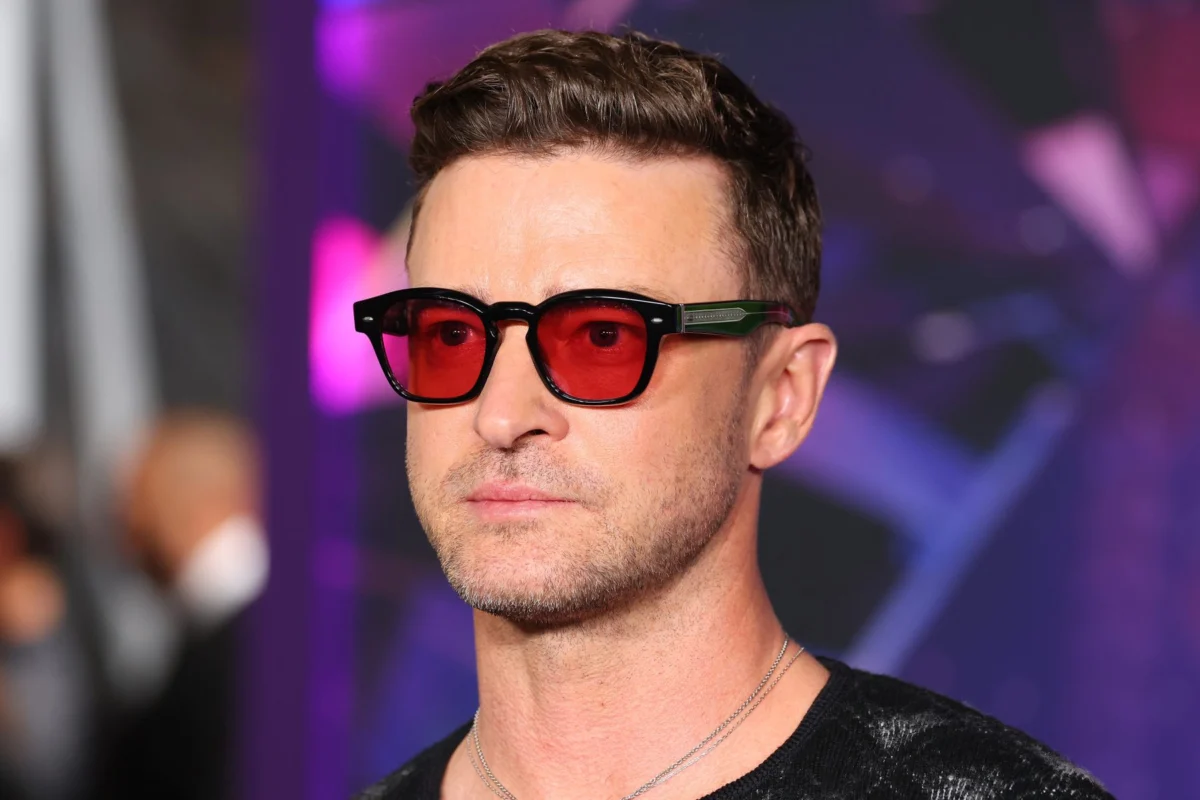
International music icon Justin Timberlake has reached a legal settlement with the Sag Harbor Village Police Department, agreeing to the release of redacted portions of officer bodycam footage from his high-profile driving while intoxicated (DWI) arrest two years ago in the Hamptons. This development, confirmed on Friday, March 20, marks a significant turn in a legal battle initiated earlier this month by Timberlake’s legal team, who sought to prevent the public dissemination of the footage, citing privacy concerns. The agreement paves the way for greater transparency regarding the incident that garnered global headlines and sparked widespread public discussion.
The Hamptons Incident: A Chronology of Events
The events leading to this settlement began on June 18, 2024, when Justin Timberlake, widely recognized for his multifaceted career as a singer, songwriter, actor, and record producer, was arrested in Sag Harbor, a picturesque village nestled in New York’s affluent Hamptons. According to initial police reports, officers observed Timberlake’s 2025 BMW X7 allegedly fail to stop at a stop sign and swerve out of his lane. Following a traffic stop, officers conducted a field sobriety test, which Timberlake reportedly failed. He was subsequently taken into custody and charged with one count of driving while intoxicated and two traffic violations.
The arrest quickly became a major news story, amplified by the celebrity status of the former NSYNC member and Grammy Award winner. Reports from anonymous sources, later widely circulated and even meme-ified across social media platforms, claimed that Timberlake, upon his arrest, remarked to the officers, "This is going to ruin the tour." While the veracity of this specific quote remained unconfirmed by official police statements until now, it fueled public curiosity and speculation about the details of the interaction.
In the aftermath of the arrest, Timberlake’s legal representatives worked swiftly. He ultimately pleaded guilty to a lesser charge of impaired driving, avoiding the more severe DWI conviction. As part of his plea agreement, Timberlake was sentenced to 25 hours of community service and was required to participate in a public service announcement (PSA) addressing the dangers of drinking and driving. In this PSA, he notably urged, "Even if you’ve had one drink, don’t get behind the wheel of a car." This proactive step was seen by many as an attempt to mitigate the damage to his public image and demonstrate accountability.
The Legal Battle for Bodycam Footage Release
Despite the resolution of the initial criminal charges, the saga continued into 2026. On March 2, Timberlake’s lawyers filed a lawsuit seeking a legal injunction against the Sag Harbor Village Police Department. The lawsuit aimed to prevent the release of officer body camera footage related to his June 2024 arrest. The legal team argued that the footage depicted Timberlake in an "acutely vulnerable state" and that its public release would constitute an "unwarranted invasion of personal privacy," serving "no legitimate public interest." This legal challenge highlighted the ongoing tension between celebrity privacy rights and the public’s right to access information concerning law enforcement actions, particularly under public records laws like New York’s Freedom of Information Law (FOIL).
In response to Timberlake’s legal action, a Long Island judge initially ordered a temporary halt to the release of the videos, pending a thorough court review. This temporary injunction bought time for both parties to deliberate and potentially negotiate, recognizing the complex interplay of legal precedents, public interest, and individual privacy. News outlets, having submitted public records requests under FOIL, were keenly awaiting the outcome, eager to provide their audiences with the full scope of the incident.

The Settlement: Terms and Immediate Ramifications
The legal standoff concluded on Friday, March 20, when lawyers representing both Justin Timberlake and the Sag Harbor Village Police Department notified the presiding judge that a settlement had been reached. The official notice of settlement articulated the core agreement: "Petitioner had an opportunity to review the footage respondents intend to disseminate, as redacted, related to petitioner’s June 18, 2024 traffic stop and arrest. Petitioner agrees that the footage respondents intend to release, as redacted, does not constitute an unwarranted invasion of personal privacy."
This agreement signifies Timberlake’s concession that the Sag Harbor police department can now proceed with releasing the redacted bodycam footage to the various news organizations that had filed FOIL requests. While the exact extent of the redactions and precisely what will be visible in the footage remain to be seen, the settlement ensures that some visual record of the arrest will finally be made public. The crucial question that lingers for many is whether the footage will confirm the much-discussed, anonymous reports of Timberlake’s "This is going to ruin the tour" comment.
In a statement provided to Billboard on Friday, the Village of Sag Harbor expressed satisfaction with the resolution. "We are pleased that this matter has now been resolved and the village will be able to comply with its statutory obligation to release the material that is subject to disclosure," the statement read. It further emphasized the village’s commitment to transparency: "From the beginning of this matter, after Mr. Timberlake’s arrest, the village has attempted to comply with the mandates of the Freedom of Information Law. As would be true in any case involving records or video footage from our police department, such material is reviewed and redacted to address public and officer safety concerns as well as personal privacy considerations." Representatives for Justin Timberlake did not immediately respond to requests for comment on the settlement, indicating that their public statements might follow the actual release of the footage.
Contextualizing DWI Laws and Bodycam Transparency
To fully understand the significance of this case, it’s essential to consider the broader legal landscape surrounding DWI offenses and the increasing prevalence of police body cameras. In New York State, driving while intoxicated (DWI) refers to operating a vehicle with a blood alcohol content (BAC) of 0.08% or higher, while impaired driving (DWAI) involves operating a vehicle with impaired ability due to alcohol, even if the BAC is below 0.08%. The distinction often impacts penalties, with DWI typically carrying more severe consequences, including higher fines, longer license suspensions, and potential jail time for repeat offenders. Timberlake’s plea to impaired driving, a lesser charge, reflected a negotiated outcome designed to mitigate the long-term legal repercussions.
The deployment of body-worn cameras by law enforcement agencies across the United States has profoundly impacted police accountability and public transparency. These devices capture interactions between officers and the public, providing an objective record of events. Public records laws, such as FOIL in New York, generally mandate that governmental records, including police bodycam footage, be made available to the public upon request, unless specific exemptions apply. These exemptions often include protecting personal privacy, safeguarding ongoing investigations, or ensuring officer safety.
The legal arguments put forth by Timberlake’s team—that the footage showed him in an "acutely vulnerable state" and that its release lacked "legitimate public interest"—tapped into common legal grounds for withholding records. However, the public interest argument in cases involving public figures and alleged law enforcement misconduct is often weighted differently. Many argue that the public has a legitimate interest in observing how law enforcement conducts arrests, especially when involving individuals with significant public influence, to ensure fairness and adherence to proper procedures. The Sag Harbor Police Department’s statement underscored their commitment to balancing these competing interests, redacting footage for privacy and safety concerns while upholding their "statutory obligation" to release disclosable material.
The "Ruin the Tour" Phenomenon and Public Perception

The alleged "This is going to ruin the tour" comment, though unconfirmed, quickly became a cultural touchstone and a viral meme. It perfectly illustrated how snippets of information, often unverified, can take on a life of their own in the digital age, shaping public perception and narrative. The phrase encapsulated a sense of immediate consequence and potential career damage, resonating with a public fascinated by celebrity foibles and the downfall of icons.
Justin Timberlake’s career has been robust, characterized by chart-topping albums, sold-out tours, and critically acclaimed acting roles. At the time of his arrest, he was actively promoting his work, including his involvement in the Trolls: Band Together animated film and preparing for upcoming musical endeavors. The timing of the arrest, therefore, was indeed sensitive for an artist navigating a demanding public schedule. The meme, regardless of its accuracy, tapped into the public’s understanding of the pressures faced by celebrities and the potential for a single misstep to ripple through a meticulously crafted public image and professional trajectory. The upcoming release of the redacted footage will undoubtedly reignite discussions around this alleged quote and the broader implications for Timberlake’s public persona.
Implications for Justin Timberlake’s Career and Public Image
The settlement and the impending release of the bodycam footage carry significant implications for Justin Timberlake’s career and carefully cultivated public image. While he swiftly addressed the legal charges and issued a public apology through his PSA, the visual evidence of the arrest could resurface the incident in public consciousness, potentially challenging his narrative of accountability and remorse.
Timberlake has consistently presented himself as a family man and a professional artist, and any visual depiction of him in a compromising state could test that image. The timing of this release is also pertinent as artists often plan their public engagements strategically. Any negative public sentiment, even if temporary, could impact ticket sales for future concerts, streaming numbers for new music, or opportunities for endorsement deals and acting roles. However, Timberlake’s long-standing career and loyal fanbase suggest a degree of resilience. Many public figures have navigated similar controversies, emerging with their careers largely intact, provided they demonstrate genuine contrition and continue to deliver quality work.
The release also offers an opportunity for Timberlake to directly address the footage, perhaps with a pre-emptive statement or further public engagement. His legal team’s original attempt to block the footage indicates an understanding of its potential impact, suggesting that they have likely prepared for various scenarios once the video becomes public.
Broader Significance of Public Records and Celebrity Cases
This case underscores the broader societal tension between individual privacy, especially for public figures, and the principles of government transparency and public accountability. In a democratic society, the ability of citizens and the press to access records of government actions, including police conduct, is considered fundamental. This ensures that law enforcement operates within legal boundaries and that justice is applied fairly.
When a celebrity is involved in a legal incident, the public interest intensifies, leading to heightened scrutiny. This is not merely out of prurient curiosity but also stems from the understanding that public figures, by virtue of their influence and visibility, can serve as benchmarks for how the legal system functions. The resolution of Timberlake’s legal challenge, by allowing for the release of redacted footage, reaffirms the power of public records laws while also acknowledging the need for reasonable privacy protections. It sets a precedent, albeit a nuanced one, in the ongoing debate about transparency in an age where every public interaction can be captured and disseminated. As the bodycam footage is released, it will not only shed more light on the events of June 2024 but also contribute to the ongoing dialogue about celebrity, privacy, and public accountability in the digital era.