Jia Lissa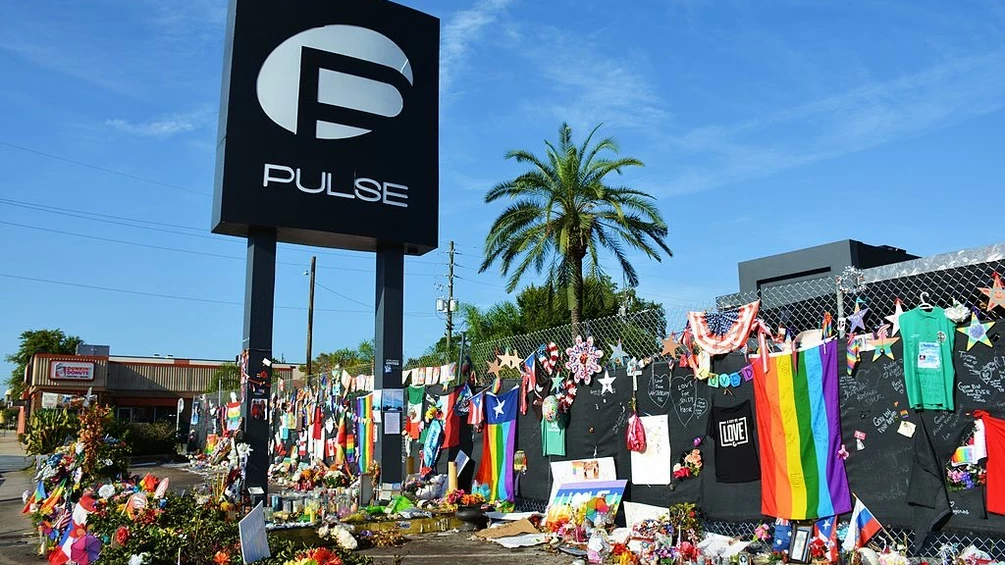
Orlando, Florida – The physical structure of Orlando’s Pulse nightclub, forever etched into the national consciousness as the site of one of the deadliest mass shootings in U.S. history, has begun its demolition. This pivotal step marks the official commencement of construction for a permanent memorial dedicated to the 49 lives lost and the 53 individuals wounded in the tragic homophobic attack on June 12, 2016. The demolition, which started on Wednesday, March 18, 2026, signals a significant transition from a site of profound trauma to one of solemn remembrance and healing.
A Sacred Space Transformed: The Memorial’s Vision
The upcoming memorial, projected to cost $12 million, is anticipated to be completed by autumn 2027. According to details reported by NY1, the design plans for the 3,500 square foot space envision a contemplative environment featuring an "angel ellipse, reflecting pool, private gathering area and survivors wall, among other features." These elements are intended to create a sanctuary for reflection, grief, and remembrance, acknowledging both the lives lost and the enduring strength of the survivors and community. The final architectural plans, developed by a collaboration between Gomez Construction and Borrelli and Partners, are scheduled to be publicly unveiled in May, offering a comprehensive look at the solemn tribute.
Orlando Mayor Buddy Dyer, speaking at a press conference on Tuesday, articulated the profound significance of the site, describing the former LGBTQIA+ venue as a "sacred site to those who loved the 49 and anybody else that had visited Pulse." This sentiment underscores the community’s deep emotional connection to the location and its importance as a symbol of both loss and resilience. The memorial aims to transform this painful history into a beacon of hope and a lasting testament to the victims’ lives.
The Unfolding Tragedy of June 12, 2016
The events of June 12, 2016, irrevocably altered Orlando and sent shockwaves across the globe. In the early hours of that Sunday morning, Omar Mateen, a 29-year-old security guard, entered Pulse, a vibrant and beloved nightclub popular within the LGBTQIA+ community, armed with an assault rifle and a handgun. Mateen, who reportedly pledged allegiance to ISIS during the attack, opened fire on the unsuspecting patrons, many of whom were enjoying the club’s "Latin Night" event.
A Night of Horror and Heroism
The initial volley of gunfire quickly escalated into a horrifying three-hour standoff with law enforcement. Survivors recounted scenes of chaos, terror, and unimaginable bravery as individuals attempted to shield others, render aid, or desperately seek escape. The sheer scale of the violence quickly overwhelmed local emergency services, prompting a massive coordinated response involving multiple law enforcement agencies, paramedics, and medical personnel. The massacre concluded when police breached the building, killing Mateen and bringing an end to the active threat. The aftermath revealed a devastating toll: 49 innocent lives extinguished, and 53 people wounded, many critically. The victims, predominantly young and from diverse backgrounds within the LGBTQIA+ and Latinx communities, became symbols of a senseless act of hate.
The Community’s Immediate Embrace
In the days and weeks that followed, Orlando demonstrated an extraordinary outpouring of grief, solidarity, and support. Vigils were held worldwide, and Orlando became a focal point for national mourning. Thousands queued for hours to donate blood, and countless volunteers offered assistance to victims’ families and survivors. The tragedy galvanized the LGBTQIA+ community and its allies, highlighting the persistent threat of hate-motivated violence while simultaneously showcasing the immense strength and unity that can emerge in the face of adversity. Mayor Dyer vividly recalled the initial hours of the tragedy: "I remember that very vividly, getting the calls shortly after 2 o’clock and then being on site through the remainder of the morning. Just the sadness of it all. Forty-nine lives extinguished that night for no reason at all." His words echo the collective trauma experienced by the city and the nation.
A Decade of Deliberation: The Path to Memorialization
The journey toward establishing a permanent memorial at the Pulse site has been protracted and complex, spanning nearly a decade since the tragedy. Immediately following the shooting, discussions began about how best to honor the victims and create a lasting tribute.
The onePulse Foundation and its Challenges
In October 2016, the onePulse Foundation was established by the club’s owner, Barbara Poma, and her husband, Rosario Poma. The foundation’s initial vision was ambitious, proposing a $100 million memorial and museum complex. However, its plans soon encountered significant hurdles and public scrutiny. Concerns were raised by victims’ families and community advocates regarding several aspects, including an alleged lack of financial transparency in the foundation’s operations. More controversially, plans to include a gift shop and an admission fee to the proposed museum generated widespread criticism, with many arguing that such commercial elements would detract from the solemnity and accessibility of a memorial commemorating such a profound loss. These controversies led to a growing rift between the foundation and segments of the victim and survivor community, complicating the memorialization efforts.
City Takes the Helm
In response to the mounting challenges and the foundation’s eventual dissolution, the city of Orlando stepped in. In October 2023, the city voted to purchase the Pulse nightclub property for $2 million (£1.6 million). This acquisition marked a crucial turning point, shifting the responsibility for the memorial’s development from a private entity to the municipal government. The city’s involvement aimed to ensure greater transparency, accountability, and direct community engagement in the memorial’s design and execution. This transition was widely welcomed by many victims’ families and community members who had expressed dissatisfaction with the previous approach.
Additional delays in the memorial’s development stemmed from a confluence of factors, including legal hurdles, the significant challenge of securing adequate funding, and the imperative need for extensive consultation. The process demanded careful consideration of the diverse perspectives of survivors, the families of victims, LGBTQIA+ community advocates, and city planners. This meticulous, albeit time-consuming, collaborative effort was essential to ensure that the final memorial would genuinely reflect the wishes and needs of those most affected by the tragedy. The culmination of these factors pushed back the start of demolition to nearly ten years after the 2016 attack, a testament to the intricate and emotionally charged nature of memorializing such a devastating event.
Voices of Remembrance and Resilience
The commencement of demolition has elicited a range of emotions from those intimately connected to the tragedy, from relief and hope to a renewed sense of loss.
Official Tributes and Community Sentiments
Mayor Dyer’s remarks on the site’s "sacred" nature resonate deeply with the community. The city’s commitment to a publicly funded and managed memorial signifies a promise to uphold the memory of the victims with dignity and respect, free from commercial interests. This approach seeks to rebuild trust and ensure that the memorial serves as a true public good. The involvement of established architectural and construction firms, Gomez Construction and Borrelli and Partners, also brings a level of professional expertise and a fresh perspective to the design, aiming to create a space that is both architecturally significant and emotionally resonant.
The Survivor’s Perspective
Among the most poignant reactions are those from the survivors. Brandon Wolf, who lost close friends in the shooting and has become a prominent advocate for gun control and LGBTQIA+ rights, articulated a sense of long-overdue progress in an interview with Fox35 Orlando. "I’m ready to move forward," Wolf stated. "I’m ready to see a beautiful reverent memorial be in that space where people can come, where they can reflect, where they can be close to their loved ones. I know that’s the space I feel close with the best friends who came to the club with me that night and did not get to come home." His words encapsulate the complex emotional landscape surrounding the site – a desire for healing and remembrance, intertwined with the enduring pain of loss. For many, the demolition signifies a necessary step in transforming a site of horror into a place of solace and collective memory.
The Broader Significance: Memorializing Hate and Fostering Hope
The Pulse memorial holds immense significance, extending beyond the immediate community of Orlando. It stands as a powerful symbol against hate-motivated violence, particularly against the LGBTQIA+ community.
A Symbol Against Hate and for Healing
The 2016 Pulse shooting remains a stark reminder of the vulnerability faced by marginalized communities and the pervasive impact of homophobia and extremism. The memorial, therefore, is not merely a tribute to the fallen but also a profound statement about the enduring fight for equality, acceptance, and safety. Its design, with elements like a reflecting pool and an "angel ellipse," aims to create an environment that encourages introspection and honors the sanctity of life, serving as a counterpoint to the brutality that occurred there. For the LGBTQIA+ community, the memorial will be a vital space for collective grieving, affirmation, and a testament to their resilience in the face of adversity. It will serve as an educational touchstone, reminding future generations of the consequences of intolerance and the importance of vigilance against hate.
Navigating the Complexities of Public Remembrance
The lengthy and challenging process of bringing the memorial to fruition also offers valuable lessons in public remembrance. It underscores the complexities involved in memorializing traumatic events, particularly when diverse communities with deeply personal connections are involved. The initial struggles of the onePulse Foundation highlight the critical importance of transparency, inclusive governance, and a clear alignment of purpose with the affected communities. The city of Orlando’s subsequent intervention demonstrates the vital role of civic leadership in navigating such sensitive projects, ensuring that public trust is maintained and that the memorial truly serves the public good rather than private interests. This transition also reflects a broader understanding that memorials for national tragedies require careful, community-driven stewardship to be genuinely impactful and enduring.
Looking Ahead: Autumn 2027 and Beyond
As the physical remnants of the Pulse nightclub are carefully removed, a new chapter begins for this hallowed ground. The projected completion in autumn 2027 offers a timeline for a tangible transformation, from a site of unspeakable horror to a permanent sanctuary of memory. The $12 million memorial, with its thoughtfully designed features, is poised to become a significant landmark not just for Orlando but for the nation.
The legacy of Pulse will continue to evolve. The memorial will serve as a constant reminder of the 49 lives lost, ensuring they are never forgotten. It will also stand as a testament to the resilience of the human spirit, the strength of community, and the ongoing commitment to creating a world free from hate. As the dust settles from the demolition and construction begins, the hope is that this new sacred space will provide a profound and lasting opportunity for reflection, healing, and a renewed dedication to love and acceptance in the face of prejudice.