Aveline Kirana
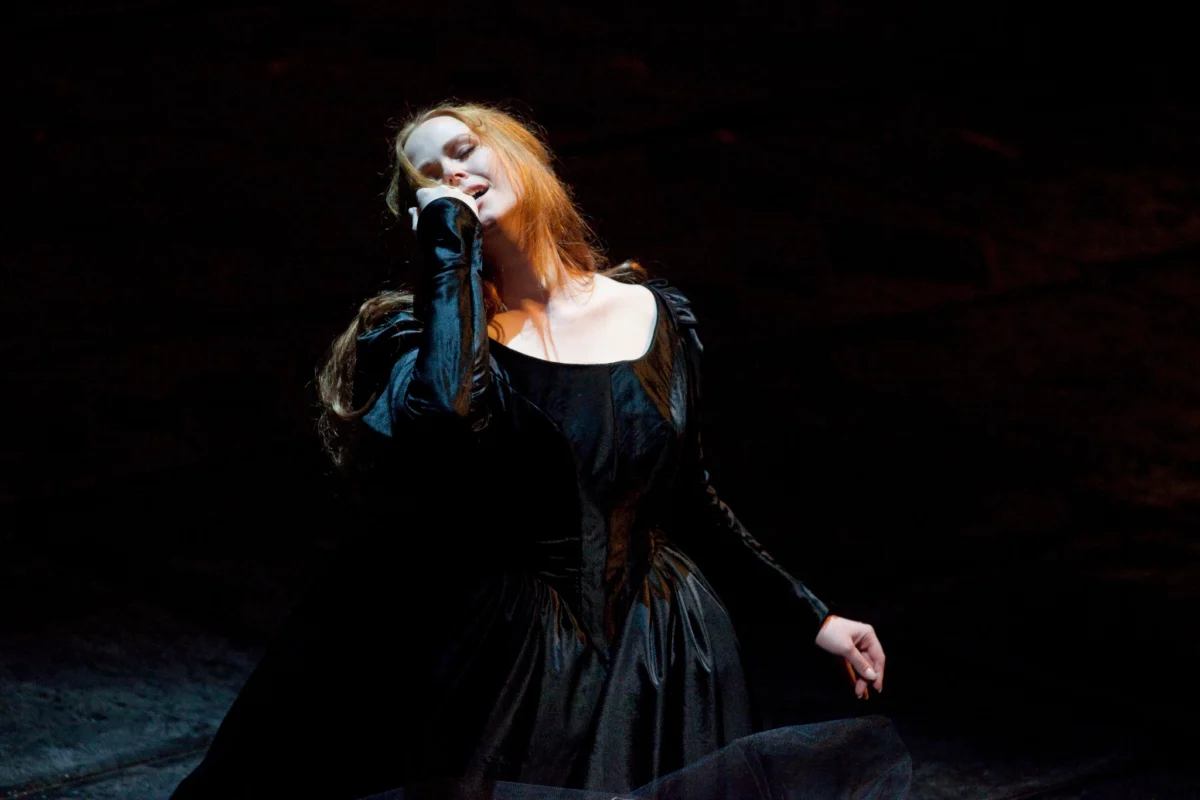
The Hungarian State Opera has announced a significant alteration to the programming for its highly anticipated recital scheduled for March 22, 2026. Mezzo-soprano Aigul Akhmetshina, initially slated to perform alongside acclaimed pianist Long Long, will now present a solo recital. This adjustment, confirmed by the opera company, necessitates a revision of the program, with Akhmetshina set to be accompanied by pianist Jonathan Papp. The revised program will showcase a diverse selection of repertoire, spanning the works of composers such as Rossini, Cilea, Rachmaninov, Massenet, Minkov, Guastavino, Velázquez, Bizet, and Rimsky-Korsakov, offering a rich tapestry of operatic and art song literature.
Background and Initial Announcement
The initial announcement of the recital featuring Aigul Akhmetshina and Long Long had generated considerable excitement within the classical music community. Long Long, a world-renowned concert pianist celebrated for his virtuosic performances and captivating stage presence, was expected to provide a unique and dynamic partnership with Akhmetshina. Their collaboration promised a program that would likely blend Akhmetshina’s vocal prowess with Long Long’s distinctive pianistic interpretations. The Hungarian State Opera, a venerable institution with a rich history of presenting world-class operatic and vocal performances, had positioned this event as a highlight of its 2026 season.
The news of Long Long’s withdrawal, while disappointing for those anticipating the original pairing, underscores the dynamic nature of artistic planning in the performing arts. Such changes, though unforeseen, are often necessitated by a myriad of factors, including evolving artist schedules, personal commitments, or other professional engagements. The swift announcement of a revised program and the confirmation of Jonathan Papp as Akhmetshina’s accompanist demonstrate the Hungarian State Opera’s commitment to ensuring the recital proceeds with the highest artistic integrity.
Aigul Akhmetshina: A Rising Star in the Mezzo-Soprano Repertoire
Aigul Akhmetshina has rapidly ascended the ranks of the international opera scene, establishing herself as one of the most compelling mezzo-sopranos of her generation. Hailing from Russia, Akhmetshina has garnered critical acclaim for her powerful voice, dramatic intensity, and versatile artistry. Her repertoire spans a wide range of operatic roles, from the fiery Carmen in Bizet’s opera of the same name to the complex and emotionally charged characters in the works of Tchaikovsky and Verdi.
Akhmetshina’s career trajectory has been marked by significant engagements at some of the world’s most prestigious opera houses and festivals. Her upcoming performances following the Budapest recital include highly anticipated appearances at the Teatro San Carlo in Naples, the Royal Opera House in London, the Staatsoper Berlin, the Bayerische Staatsoper in Munich, and the Tiroler Festspiele in Erl. These engagements solidify her status as a sought-after artist, regularly performing alongside leading orchestras and conductors.
Her ability to navigate demanding vocal lines with emotional depth and technical precision has earned her widespread admiration. The inclusion of her name on the program of any major opera house is typically a draw for discerning opera aficionados. The upcoming recital in Budapest will undoubtedly be a significant platform for her to showcase her vocal and interpretive talents in a more intimate concert setting.
Jonathan Papp: A Seasoned Accompanist
The selection of Jonathan Papp as Akhmetshina’s accompanist for this recital is a testament to his extensive experience and recognized artistry in the field of vocal accompaniment. Papp, a Hungarian-born pianist, has forged a distinguished career collaborating with numerous leading singers, both in recital and in operatic productions. His understanding of the vocal instrument and his ability to create a sensitive and supportive musical partnership are highly valued.

Papp’s discography includes recordings with various prominent vocalists, showcasing his nuanced musicality and insightful interpretations. His familiarity with the Hungarian State Opera’s artistic environment and his own cultural background likely contribute to a seamless and cohesive performance. The collaboration between Akhmetshina and Papp, though new in this specific pairing, promises a high level of musical synergy, built upon Papp’s established expertise in accompanying solo vocal recitals.
The Revised Program: A Rich and Varied Offering
The adjustment to the program, necessitated by Long Long’s withdrawal, presents an opportunity to explore a broader spectrum of musical styles and emotional landscapes. The composers featured – Rossini, Cilea, Rachmaninov, Massenet, Minkov, Guastavino, Velázquez, Bizet, and Rimsky-Korsakov – represent a diverse array of national traditions and historical periods within classical music.
- Gioachino Rossini: Known for his effervescent and technically demanding vocal writing, Rossini’s contributions often bring a sense of brilliance and agility to recital programs.
- Francesco Cilea: Celebrated for his lush melodies and dramatic flair, particularly in his opera Adriana Lecouvreur, Cilea’s art songs can offer moments of profound pathos and lyrical beauty.
- Sergei Rachmaninov: The quintessential Russian romantic, Rachmaninov’s songs are characterized by their sweeping melodies, rich harmonies, and deep emotional resonance, often exploring themes of love, loss, and longing.
- Jules Massenet: A master of French lyricism, Massenet’s operatic and vocal works are known for their elegance, charm, and evocative atmosphere.
- A selection of lesser-known composers: The inclusion of Minkov, Guastavino, and Velázquez suggests a commitment to expanding the audience’s musical horizons and introducing them to compelling works that may be less frequently performed. This adventurous programming choice can be a hallmark of a discerning artistic director and offers a chance for discovery.
- Georges Bizet: Beyond his iconic opera Carmen, Bizet composed a wealth of exquisite songs that showcase his melodic gift and keen dramatic sense.
- Nikolai Rimsky-Korsakov: A prominent member of "The Five," Rimsky-Korsakov’s music is often characterized by its vibrant orchestration and folk influences. His vocal works can exhibit a similar colorfulness and nationalistic spirit.
This eclectic mix of composers allows Akhmetshina to demonstrate her vocal versatility and interpretive range, moving from the coloratura demands of Rossini to the profound emotional depths of Rachmaninov, and the dramatic narratives inherent in operatic excerpts or art songs. The programming suggests a journey through different musical eras and emotional states, promising an engaging and satisfying experience for the audience.
Broader Implications for the Hungarian State Opera and the Artistic Landscape
The cast change, while a practical necessity, also offers an opportunity for analysis regarding the operational dynamics of major opera houses. The ability to adapt quickly to unforeseen circumstances without compromising artistic quality is a crucial indicator of an organization’s resilience and professionalism. The Hungarian State Opera’s prompt announcement and the confirmation of a new, robust program suggest a well-managed artistic department capable of navigating such challenges effectively.
Furthermore, the recital serves as a microcosm of the broader trends in classical music programming. The inclusion of both established masters and potentially lesser-known composers reflects a growing desire among artists and institutions to present a diverse and inclusive repertoire. This approach not only educates and enriches audiences but also supports the ongoing careers of contemporary composers and performers.
The engagement of Aigul Akhmetshina in a solo recital format, rather than an operatic role, highlights the importance of vocal recitals as a distinct and valuable art form. These events allow singers to engage directly with audiences, showcasing their interpretative skills and vocal artistry in a more personal and intimate setting. The success of such recitals often hinges on the singer’s ability to command the stage and connect with the audience through their musical choices and delivery, supported by a skilled accompanist.
Looking Ahead: Akhmetshina’s Continued Engagements
The Hungarian State Opera recital is just one stop on Aigul Akhmetshina’s demanding international schedule. Her upcoming appearances at prestigious venues like the Teatro San Carlo, Royal Opera House, Staatsoper Berlin, Bayerische Staatsoper, and Tiroler Festspiele underscore her significant standing in the operatic world. These engagements are likely to include a mix of operatic roles and potentially other recital performances, further cementing her reputation as a leading mezzo-soprano.
The success of this recital will undoubtedly contribute to her ongoing artistic development and her ability to secure future high-profile engagements. For the Hungarian State Opera, the event represents a continued commitment to presenting exceptional vocal talent and a diverse range of classical music to its patrons. The revised program, under the capable hands of Aigul Akhmetshina and Jonathan Papp, promises to be a memorable evening of musical excellence. The change in programming, while initially a deviation from the original plan, ultimately allows for a unique artistic exploration that may prove to be equally, if not more, captivating for the audience.