Jia Lissa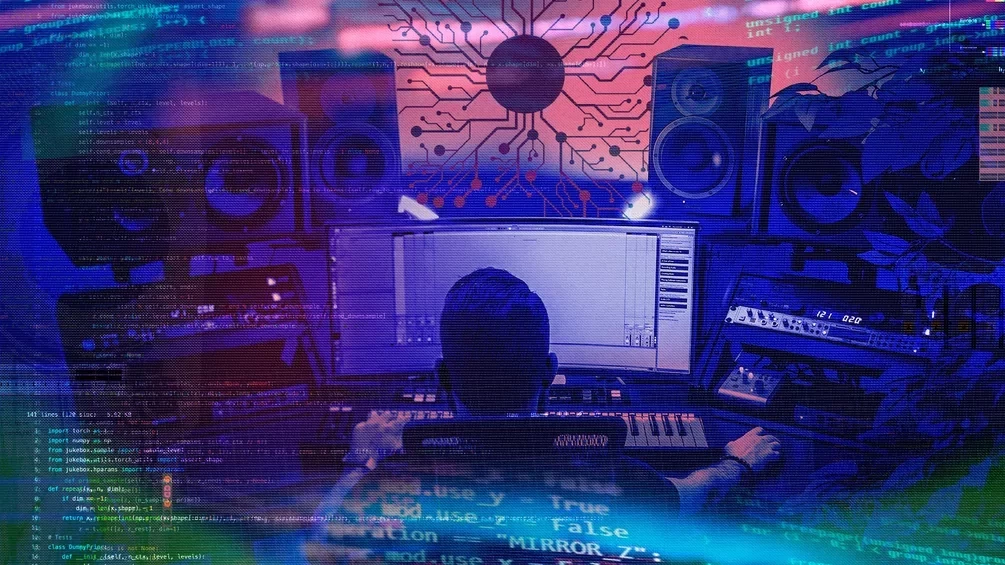
Sony Music has announced a significant operational maneuver, reportedly removing 135,000 AI-generated "deepfake" tracks from various streaming services. This decisive action underscores a growing confrontation between the traditional music industry and the burgeoning, often unregulated, landscape of generative artificial intelligence. The tracks, which illegally mimic the voices and styles of established artists, represent a fraction of a much larger, global issue threatening intellectual property, artist integrity, and economic stability within the music ecosystem.
The scale of Sony Music’s operation, revealed on Wednesday, March 18th, during the launch of the International Federation of the Phonographic Industry’s (IFPI) Global Music Report, highlights the accelerating challenges posed by AI. Among the high-profile artists whose likenesses and vocal characteristics were exploited are global icons such as Beyoncé, the legendary rock band Queen, and contemporary superstar Harry Styles – all cornerstone artists within Sony’s extensive roster. This incident serves as a stark reminder of the sophisticated capabilities of modern AI tools and the ease with which they can be misused to generate content that blurs the lines between authentic artistic creation and digital mimicry.
The Proliferation of Musical Deepfakes: A New Frontier of Infringement
Generative AI, a subset of artificial intelligence capable of producing new content based on learned patterns, has rapidly advanced, offering unprecedented tools for creativity. However, this technology also presents significant opportunities for misuse, particularly in the realm of deepfakes. Musical deepfakes typically involve using AI to clone an artist’s voice, emulate their distinctive musical style, or even generate entire songs that sound as if they were created by a specific artist, all without their consent or involvement. These creations are often uploaded to streaming platforms, leveraging the legitimate demand for an artist’s work to accrue streams and, in some cases, illicit revenue.
Dennis Kooker, President of Sony’s Global Digital Business, articulated the gravity of the situation during his address at the IFPI event. He emphasized the dual threat posed by these deepfakes, stating, "In the worst cases, [the deepfakes] potentially damage a release campaign or tarnish the reputation of an artist." Kooker further elaborated on the insidious nature of these AI-generated infringements, noting, "The problem with deepfakes is that they are a demand-driven event. They are taking advantage of the fact that an artist is out there promoting their music. That is when deepfakes are at their worst – building off and benefiting from the demand the artist has created [and] ultimately detracting from what the artist is trying to accomplish." His comments highlight how deepfakes not only infringe on copyright but also actively undermine an artist’s promotional efforts and genuine connection with their fanbase, diverting attention and potential revenue from legitimate releases.
Sony’s latest takedown of 135,000 tracks is part of a broader, ongoing effort. Since March of the previous year, the label has reportedly flagged approximately 60,000 additional songs that falsely claimed to feature artists from its extensive roster. The list of potentially affected artists extends beyond the initial high-profile names to include other global sensations such as Bad Bunny, Miley Cyrus, and renowned producer Mark Ronson, indicating the widespread nature of the problem across genres and demographics.
Industry-Wide Scrutiny and Countermeasures
The challenge of AI-generated content is not unique to Sony Music; it represents a systemic threat that the entire music industry is grappling with. Streaming services, often the first point of contact for these deepfakes, are increasingly implementing their own detection and monetization policies to combat fraudulent AI-generated music.
Earlier this year, the French streaming service Deezer made headlines with its proactive measures. The company revealed that up to 85% of music identified as AI-generated on its platform had been labeled "fraudulent" and subsequently demonetized. This staggering figure was set against the backdrop of Deezer’s broader finding that AI-generated music constituted a significant 28% of all music uploaded to the streamer. Such data points illustrate the sheer volume of AI content attempting to infiltrate legitimate music distribution channels and the financial implications for artists and rights holders. Deezer’s policy reflects a growing consensus among platforms that unchecked AI content can degrade the user experience, undermine artist compensation, and create an unmanageable content flood.
Similarly, Apple Music has signaled its intent to aggressively combat fraudulent streams. The company’s Vice President reportedly revealed plans to demonetize two billion "fraudulent" music streams in 2025, signaling a forward-looking strategy to address this evolving challenge. While the specific methodology and criteria for deeming streams "fraudulent" remain under close scrutiny, Apple’s announcement underscores the financial scale of the problem and the commitment of major industry players to safeguard legitimate revenue streams.
Beyond demonetization, some platforms have opted for outright bans. In January, Bandcamp, a popular online music store and community for independent artists, announced a comprehensive ban on all AI-generated music. This move was celebrated by many independent creators and advocates for human artistry, signaling a clear stance against content created without direct human input or creative intent, especially when it infringes upon existing works or exploits artist likenesses. Bandcamp’s decision reflects a desire to preserve a curated space for human creativity and genuine artistic expression.
The Broader Legal and Ethical Landscape
The proliferation of AI deepfakes in music has ignited a fierce debate regarding copyright law, intellectual property rights, and the very definition of artistic creation in the digital age. From a legal standpoint, the unauthorized use of an artist’s voice, musical style, or existing copyrighted material to generate new tracks typically constitutes copyright infringement. This includes infringements on master recordings, musical compositions, and often, an artist’s personality rights or right of publicity, which protect an individual’s commercial exploitation of their identity.
The economic implications are profound. Every stream generated by a deepfake track potentially diverts royalties and revenue from the legitimate artist and their rights holders. This creates a diluted market where genuine artistic efforts struggle to gain traction amidst a deluge of synthetic content. The challenge for rights holders is not only to identify and remove infringing content but also to enforce their rights in a global, rapidly evolving digital landscape where the originators of deepfakes can be difficult to trace.
Ethically, the use of deepfakes raises questions about authenticity, artistic integrity, and consumer trust. Fans expect to engage with genuine artistic expressions from their favorite creators. When AI-generated content mimics these artists, it can lead to confusion, erode trust, and potentially tarnish an artist’s reputation if the deepfake is of poor quality or contains objectionable material. The potential for AI to generate misleading or even malicious content, such as politically charged deepfakes or those designed to spread misinformation, adds another layer of ethical complexity.
Regulatory Scrutiny and Government Intervention
The music industry’s battle against AI deepfakes is increasingly attracting the attention of policymakers and governments worldwide. Just days before Sony’s announcement, the UK government made a significant policy reversal, scrapping plans that would have allowed AI models to be trained on copyrighted material without explicit compensation to artists. This decision followed widespread backlash from across the creative industries, including musicians, authors, visual artists, and their representative bodies, who argued that such a policy would severely undermine creators’ rights and economic livelihoods.
The UK’s pivot highlights a growing global trend towards recognizing the need for robust regulatory frameworks to govern AI’s interaction with creative works. Discussions are ongoing in the European Union, the United States, and other jurisdictions regarding how to balance innovation in AI with the fundamental rights of creators. Key areas of focus include transparency requirements for AI-generated content, mandatory compensation mechanisms for copyrighted material used in AI training, and stricter enforcement against infringing AI applications. The challenge lies in developing legislation that is adaptable enough to keep pace with rapid technological advancements while providing clear protections for artists.
The Broader Landscape: Litigation and the Future of Music
Sony Music’s aggressive stance against AI deepfakes is consistent with its broader strategy to protect intellectual property and ensure fair compensation in the digital realm. In a related development last August, the label filed a lawsuit in Manhattan Federal Court against Napster, alleging that the streaming service owed over $9.2 million in unpaid royalties and licensing fees. If approved, the motion could require Napster to pay out at least $36 million in damages for copyright infringement to Sony. This legal action, though distinct from the AI deepfake issue, underscores Sony’s unwavering commitment to upholding contractual obligations and defending its artists’ rights against perceived exploitation in the digital space. It illustrates a continuous effort by major labels to navigate the complexities of digital distribution and ensure that artists and rights holders are fairly remunerated for their creative output.
Looking ahead, the music industry faces a technological arms race. As AI deepfake generation tools become more sophisticated and accessible, the methods for detection and removal must also evolve. This will necessitate significant investment in AI-powered detection technologies, collaborative efforts between labels, streaming platforms, and AI developers, and potentially, new industry standards for content identification and authentication.
Ultimately, the rise of AI in music presents both existential threats and unprecedented opportunities. While the current focus is on combating misuse and infringement, the industry is also exploring how AI can legitimately empower artists, enhance creativity, and streamline production processes. However, this future hinges on establishing clear ethical guidelines, robust legal protections, and a commitment to prioritizing human creativity and fair compensation. Sony Music’s decisive action against AI deepfakes is a powerful statement in this ongoing battle, signaling that the industry will vigorously defend its artists and their invaluable contributions against the challenges of an increasingly automated world. The resolution of this conflict will undoubtedly shape the future landscape of music, impacting creators, consumers, and the very definition of artistry for generations to come.