Aveline Kirana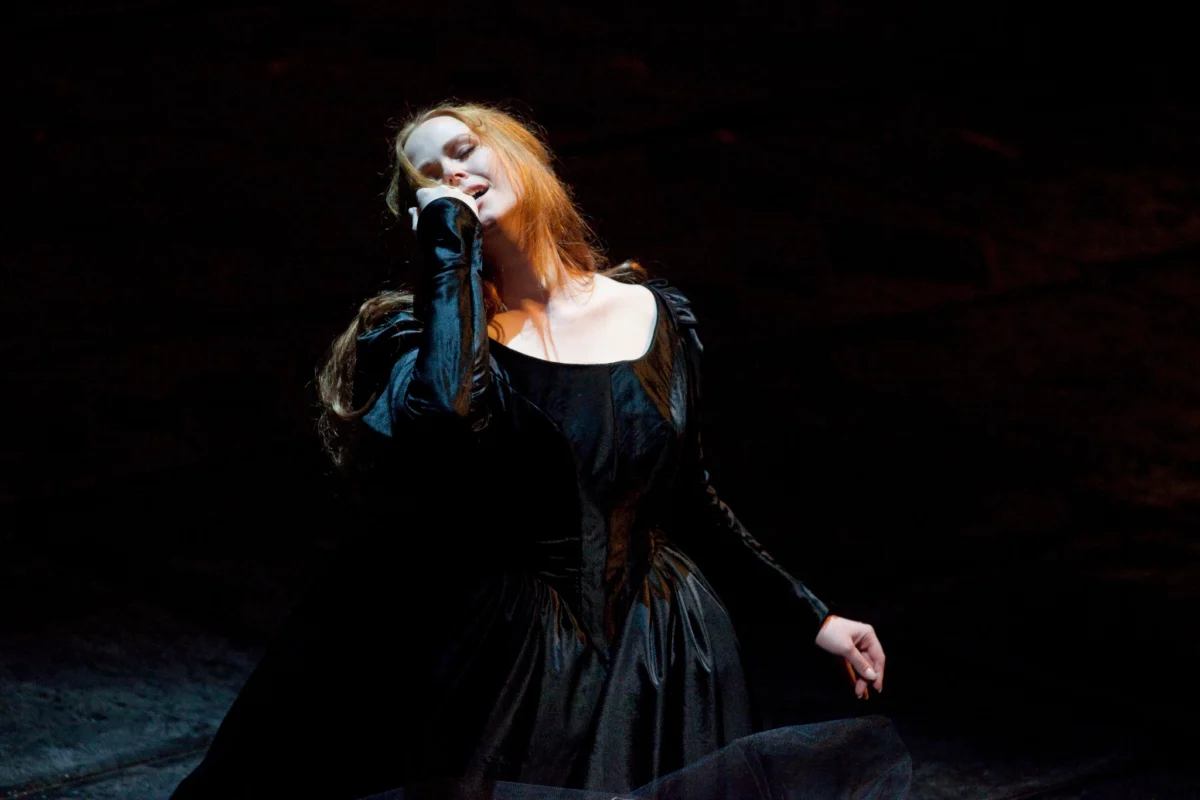
The hallowed halls of the Teatro San Carlo in Naples have recently borne witness to a dramatic unfolding of events surrounding Gaetano Donizetti’s operatic masterpiece, "Lucia di Lammermoor." A stark contrast in performances, separated by a mere three days, has captivated audiences and highlighted the unpredictable nature of live theatrical productions, the resilience of artists, and the profound impact of a single, pivotal scene. On March 18, the renowned opera was presented with a significant omission, leaving a void where one of opera’s most iconic moments should have been. However, by March 21, the same production had transformed into a triumph, marked by an unprecedented encore and a standing ovation that reverberated through the historic theater, celebrating the artistry of soprano Jessica Pratt.
A Disrupted Premiere and the Unforeseen Omission
The initial performance of "Lucia di Lammermoor" on March 18 was met with an unexpected challenge. Rosa Feola, the scheduled soprano for the demanding title role, fell ill during the performance and was unable to sing the entirety of the final act. In a situation that underscores the logistical complexities of major opera houses, there was no understudy present at the theater to step in and complete the role. Consequently, the production team made the difficult decision to proceed with the third act without the celebrated "mad scene," a pivotal and emotionally charged sequence that typically culminates the opera. This omission, while regrettable, was a pragmatic response to an unforeseen crisis, aiming to salvage the performance for the attendees.
The "mad scene," a cornerstone of "Lucia di Lammermoor," is a tour de force for any soprano. It depicts Lucia’s descent into madness following a forced marriage and the murder of her husband, Edgardo. The scene is renowned for its intricate vocal demands, including a challenging cadenza that allows the soprano to showcase her virtuosity and profound dramatic interpretation. To present the opera without this climactic moment represented a significant departure from the composer’s intentions and the audience’s expectations. The March 18 performance, therefore, became a tale of what might have been, a production curtailed by circumstance.
A Swift and Triumphant Recovery
Just three days later, on March 21, the Teatro San Carlo witnessed a remarkable turnaround. Stepping into the role of Lucia was the esteemed soprano Jessica Pratt, a performer well-acquainted with the intricacies of the character. Pratt, who has portrayed Lucia over a hundred times across prestigious opera houses worldwide, including the Metropolitan Opera, Teatro alla Scala, and the Royal Opera House, Covent Garden, brought her extensive experience and profound understanding to the Naples production.
The performance on March 21 reached its zenith during the very scene that had been omitted just days prior. Pratt delivered a breathtaking rendition of the "mad scene," captivating the audience with her vocal prowess and dramatic intensity. Upon concluding the initial portion of the aria, she was met with an overwhelming ovation. In a moment that solidified the evening’s success, Pratt, seemingly moved by the audience’s fervent response, made the extraordinary decision to encore the cadenza of the aria. This act of artistic generosity and confidence was met with an even more thunderous reception, a testament to the power of her performance and the audience’s appreciation for witnessing such artistry. The encore transformed the scene from a potential point of disappointment into a highlight of the operatic season.
Contextualizing the "Mad Scene" and its Significance
Gaetano Donizetti’s "Lucia di Lammermoor," with a libretto by Salvatore Cammarano based on Sir Walter Scott’s novel "The Bride of Lammermoor," premiered in 1835. It quickly became one of the most popular operas of its time and remains a staple of the operatic repertoire. The opera is celebrated for its romantic melody, dramatic intensity, and, of course, the psychological depth of its characters.
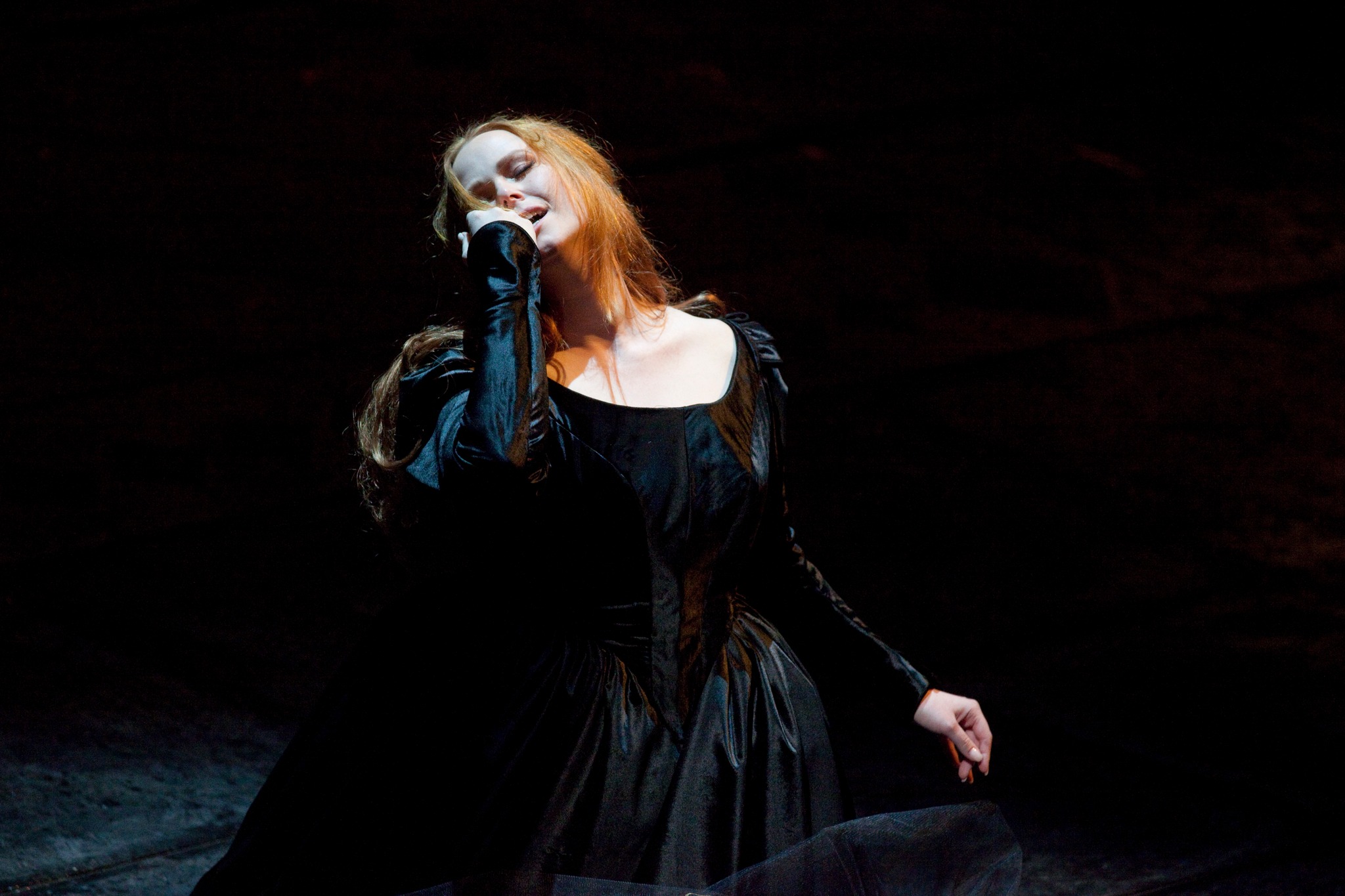
The "mad scene" is particularly significant. It marks the dramatic climax of Lucia’s tragic arc, a descent into insanity brought about by betrayal, loss, and societal pressures. The scene is not merely a display of vocal agility; it is a profound exploration of psychological disintegration. Donizetti’s music in this section is innovative, employing specific orchestral effects, such as the unaccompanied flute, to mirror Lucia’s fractured mental state. The vocal line itself is designed to convey both fragility and fleeting moments of intense emotion, culminating in the notoriously difficult cadenza. This cadenza is where the soprano often takes liberties, adding her own embellishments and demonstrating her technical mastery and interpretive depth. It is a moment of intense personal expression, a final defiant cry before succumbing to her fate. The success of a "Lucia" performance often hinges on the soprano’s ability to navigate this complex scene with both technical brilliance and profound emotional authenticity.
The Impact of an Encore
The decision by Jessica Pratt to encore the cadenza of the "mad scene" is a rare occurrence in contemporary opera. While encores of arias are common, particularly in concerts or recitals, encores of specific, integrated scenes within a dramatic opera are far less frequent. Such an event typically signals an extraordinary level of audience engagement and an equally extraordinary artistic achievement. The positive reaction from the Teatro San Carlo audience suggests that Pratt’s performance transcended mere technical execution; it resonated deeply with the listeners on an emotional and artistic level. This demonstration of shared artistic experience between performer and audience is a hallmark of memorable operatic evenings.
Supporting Cast and Future Performances
The production at Teatro San Carlo featured a strong supporting cast. On March 21, Alexander Köpeczi portrayed Raimondo, Mattia Olivieri took on the role of Enrico, and René Barbera sang Edgardo. These artists played crucial roles in creating the dramatic tension and emotional landscape of the opera. Their performances, alongside Pratt’s, contributed to the overall success of the March 21 rendition.
Rosa Feola is scheduled to return to the production for its final performance on March 24. Her anticipated return allows the audience to experience her interpretation of the role, providing a complete arc for the production’s run at Teatro San Carlo. The contrast between Feola’s initial performance and Pratt’s triumphant return, particularly in the context of the omitted scene, adds a unique narrative layer to the opera’s engagement with the Neapolitan public.
Broader Implications for Live Performance
The events at Teatro San Carlo offer a compelling case study in the unpredictable nature of live performance. They underscore the importance of understudies and the logistical challenges faced by opera companies. The absence of a cover for a principal role can have significant consequences, as demonstrated on March 18. Conversely, the success of Jessica Pratt’s performance highlights the power of artistic resilience and the profound connection that can be forged between a performer and an audience.
The incident also serves as a reminder of the enduring appeal of operatic classics like "Lucia di Lammermoor." The opera’s dramatic narrative and demanding vocal requirements continue to draw audiences and challenge artists. The "mad scene," in particular, remains a benchmark for operatic sopranos, a testament to Donizetti’s genius and the evolving traditions of operatic interpretation. The events at Teatro San Carlo, from the unexpected omission to the celebrated encore, have undoubtedly etched themselves into the recent history of operatic performances in Naples, offering a rich narrative of challenge, artistry, and triumph. The contrasting fortunes of the two performances illuminate the delicate balance between artistic vision, practical execution, and the unpredictable magic of live theater.