Aveline Kirana
Opera Unbound is set to make a significant debut in the Vancouver arts scene with the highly anticipated world premiere of Roan Shankaruk’s chamber opera, “The Fox.” The groundbreaking production, scheduled to run from April 17 to 19, 2026, at the intimate ANNEX venue in Vancouver, British Columbia, marks Opera Unbound’s first full-length opera staging. Directed by Christopher Lam, the opera draws its narrative inspiration from D.H. Lawrence’s evocative 1922 novella of the same name, promising an exploration of complex human relationships and societal undercurrents.
A Deep Dive into Lawrence’s World: The Source Material and Its Resonance
D.H. Lawrence’s "The Fox," originally published in 1922, is a novella renowned for its psychological depth and its candid examination of themes that were often considered transgressive for its time. The story centers on Nellie March and Jill Banford, two women who have established a seemingly self-sufficient existence on an isolated poultry farm. Their carefully constructed world, characterized by a quiet rhythm and a deliberate detachment from conventional society, is irrevocably altered by the arrival of Henry Grenfel, a charismatic and enigmatic young soldier. Grenfel’s presence introduces a potent force of change, disrupting the established dynamics between Nellie and Jill and exposing underlying tensions and desires.
Lawrence’s work is frequently analyzed for its exploration of instinctual life, the complexities of female relationships, and the inherent power struggles within human interactions. The novella’s landscape is not just physical but also deeply psychological, mirroring the internal states of its characters. The titular fox itself is often interpreted as a symbol of untamed nature, primal urges, and a disruptive force that can both awaken and destroy.
Opera Unbound’s Ambitious Inaugural Production
The decision by Opera Unbound to select “The Fox” for its inaugural full-length opera staging underscores a commitment to presenting challenging and contemporary interpretations of literary and dramatic works. The choice of a chamber opera format suggests an intention to foster a more intimate and focused engagement between the performers, the music, and the audience. ANNEX, a venue known for its embrace of innovative and experimental performances, provides an ideal setting for such a premiere.
Christopher Lam, the director of the production, brings a vision that will undoubtedly shape the staging and interpretation of Lawrence’s narrative. His involvement signals a directorial approach that likely prioritizes the psychological nuances of the characters and the thematic richness of the source material. The collaborative process between Lam, composer Shankaruk, and the creative team will be crucial in translating the literary world of “The Fox” into a compelling operatic experience.
A Stellar Cast Assembles for "The Fox"
The cast assembled for “The Fox” features a cadre of talented vocalists poised to bring the complex characters to life. Tenor Adam Schmidt will portray the pivotal role of Henry Grenfel, the soldier whose arrival ignites the central conflict. His interpretation will be key in conveying the charm and underlying intensity that disrupts the farm’s established order.
The dual roles of Jill Banford and the composer herself highlight a unique aspect of the production. Mezzo-soprano Renee Fajardo and soprano Roan Shankaruk will alternate in portraying Jill, a character whose internal landscape is central to the opera’s unfolding drama. This alternating casting might offer distinct perspectives on Jill’s character, potentially emphasizing different facets of her personality or her journey throughout the narrative.
Mezzo-soprano Plater is slated to perform as Nellie March, the other central figure whose relationship with Jill forms the core of the opera’s interpersonal dynamics. The interplay between Plater’s Nellie and Fajardo/Shankaruk’s Jill will be a critical element in the opera’s success.
Under the baton of Music Director Perri Lo, the ensemble will undoubtedly deliver a nuanced and emotionally resonant musical performance. The chamber opera format often demands a high degree of precision and sensitivity from both the singers and the instrumentalists, allowing for a detailed exploration of Shankaruk’s score.
Composer’s Vision: Relevance and Inclusivity in Opera
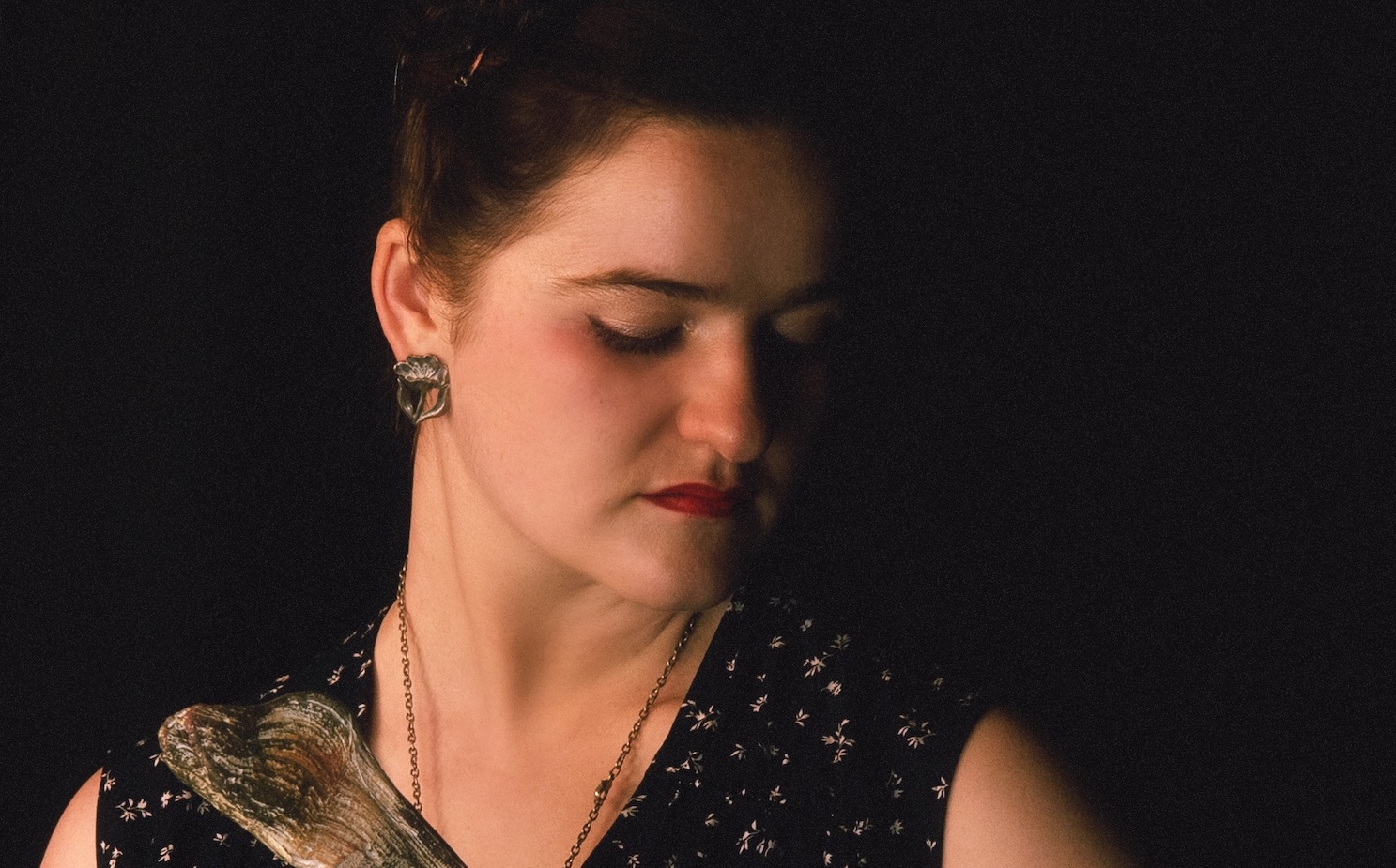
Roan Shankaruk, the composer of “The Fox,” has articulated the profound personal and artistic motivations behind her adaptation. In a statement accompanying the announcement, Shankaruk emphasized the enduring relevance of D.H. Lawrence’s themes: “Despite being published more than a century ago, the novella’s themes of power and subversion are still incredibly relevant and poignant to our modern life today.” This statement points to an artistic intention to bridge the temporal gap, demonstrating how the psychological and social dynamics explored in Lawrence’s work continue to resonate in the 21st century.
Furthermore, Shankaruk highlighted a significant aspect of her creative focus: “I was drawn to the story’s representation of diverse sexualities, which is still an uncommon narrative element in opera.” This declaration is particularly noteworthy within the context of operatic traditions, which have historically been slower to embrace and represent a full spectrum of human sexuality. By choosing a narrative that inherently explores these themes and by consciously drawing attention to them, Shankaruk and Opera Unbound are positioning “The Fox” as a potentially progressive and inclusive addition to the operatic repertoire. This commitment to diverse representation in opera is a growing trend, reflecting broader societal shifts and a desire to make the art form more accessible and reflective of contemporary audiences.
Contextualizing the Premiere: The Landscape of Contemporary Opera
The world premiere of “The Fox” arrives at a time when the opera world is actively grappling with questions of tradition, innovation, and relevance. There is a palpable energy among many opera companies and composers to push boundaries, engage with new audiences, and explore stories that reflect the complexities of the modern world. This includes a greater emphasis on commissioning new works, adapting literary sources beyond the traditional canon, and incorporating more diverse voices and perspectives both on and off stage.
Chamber operas, in particular, have found a fertile ground for experimentation. Their smaller scale often allows for greater flexibility in subject matter, production style, and the exploration of intimate human dramas. This format can also be more accessible to emerging composers and smaller, independent opera companies looking to make their mark. Opera Unbound’s focus on a full-length chamber opera aligns with this broader trend, signaling an ambition to contribute to the evolving landscape of operatic creation and performance.
The choice of a D.H. Lawrence novella, known for its psychological intensity and exploration of human relationships, also speaks to a contemporary interest in narratives that delve into the inner lives of characters and the subtle power dynamics that shape their interactions. This move away from grand, epic narratives towards more psychologically nuanced stories is a significant development in contemporary opera.
Anticipated Impact and Broader Implications
The premiere of “The Fox” by Opera Unbound carries several potential implications for the Vancouver arts community and the broader operatic landscape. Firstly, it establishes Opera Unbound as a significant new player, capable of mounting ambitious, full-length productions. This can invigorate the local arts scene by offering new programming and potentially attracting both established opera enthusiasts and new audiences curious about contemporary works.
Secondly, the opera’s thematic focus on power, subversion, and diverse sexualities positions it as a work that can spark important conversations. In an era where discussions around representation and inclusion are paramount, “The Fox” has the potential to engage audiences on multiple levels, prompting reflection on societal norms, personal desires, and the evolution of storytelling in opera.
The success of “The Fox” could also encourage further exploration of literary adaptations by contemporary composers. D.H. Lawrence’s body of work, with its rich psychological depth and thematic complexity, offers fertile ground for operatic interpretation, and this premiere might pave the way for future adaptations.
Finally, the production’s emphasis on a chamber opera format and its potentially progressive thematic content aligns with a global movement within opera to remain relevant and engaging for a 21st-century audience. By embracing new narratives and diverse perspectives, companies like Opera Unbound are playing a crucial role in shaping the future of this enduring art form. The world premiere of “The Fox” is therefore not just an artistic event but also a statement about the evolving identity and inclusivity of opera.