Jia Lissa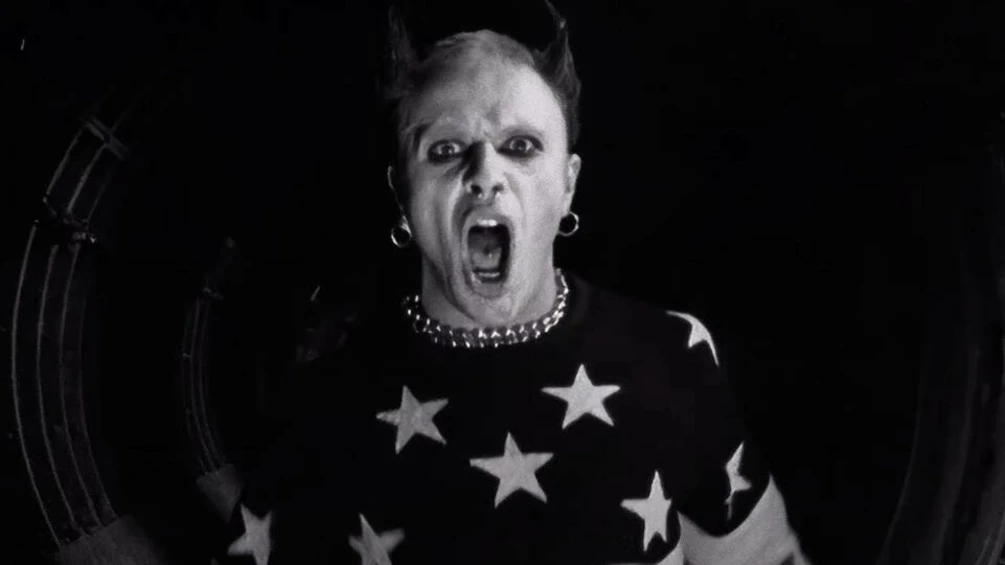
The Prodigy’s seminal track, "Firestarter," a defiant anthem that burned its way into the global consciousness, officially marked its 30th anniversary on March 18th, 2024. This milestone was commemorated by surviving members Liam Howlett and Maxim, who took to Instagram to reflect on the enduring impact of the single that not only redefined their sound but also fundamentally shifted the landscape of electronic music. Their post, shared yesterday, offered a poignant look back at the track’s spontaneous genesis and its unexpected journey to becoming a cultural phenomenon, describing the UK rave anthem as having "just found its own way."
The Genesis of a Groundbreaking Anthem
The path to "Firestarter" was paved by The Prodigy’s relentless evolution within the electronic music scene. Formed in Braintree, Essex, in 1990, the band – initially comprising Liam Howlett, Keith Flint, Maxim Reality, Leeroy Thornhill, and Sharky – emerged from the burgeoning rave culture, quickly establishing themselves with a raw, energetic sound that blended breakbeat hardcore with techno and industrial elements. Their debut album, Experience (1992), was a seminal work that captured the euphoric spirit of the early 90s rave scene. This was followed by the critically acclaimed Music for the Jilted Generation (1994), an album that not only solidified their status but also injected a darker, more aggressive edge, infused with anti-establishment sentiment and a critique of the UK government’s anti-rave legislation. Music for the Jilted Generation showcased Howlett’s increasing mastery of production, blending rock guitars, hip-hop breaks, and powerful synths, earning a Mercury Prize nomination and selling over a million copies in the UK alone.
It was against this backdrop of escalating success and sonic experimentation that "Firestarter" began to take shape. The band’s Instagram post yesterday provided rare insight into the track’s organic development, particularly highlighting the pivotal role of frontman Keith Flint. Before "Firestarter," Flint was primarily known as the band’s energetic dancer, a captivating stage presence whose wild movements embodied the band’s untamed spirit. However, Howlett and Maxim revealed that during the recording sessions, Flint was "jumping off the walls" in the studio, a surge of restless energy that spontaneously led him to the microphone to record his very first vocal. "It was totally spontaneous the way it happened," the post read, underscoring the raw, unfiltered energy that would become the song’s defining characteristic. This moment marked a profound transformation for Flint and for The Prodigy, as his distinctive, snarling delivery provided a human, punk-rock voice to Howlett’s electronic onslaught.
Musically, "Firestarter" was a bold departure. It prominently featured a looped guitar riff, originally written by Kim Deal of the American alternative rock band The Breeders, a sample that Howlett expertly manipulated and integrated. This fusion of a gritty rock riff with electronic beats, driving basslines, and Flint’s aggressive vocals created a sound that defied easy categorization. It was a track that bridged the gap between the electronic underground and mainstream rock, foreshadowing the "big beat" genre that would gain significant traction in the late 1990s. The single was a powerful statement of intent, signaling a band unafraid to evolve and challenge expectations.
Breaking Barriers: From Radio Resistance to Global Dominance
Despite its innovative sound and undeniable power, "Firestarter" faced initial resistance. The Prodigy’s Instagram post explicitly stated, "People refused to play it on the radio and support it at first…" This sentiment was reflective of the music industry’s cautious approach to a track that blurred genre lines and possessed an abrasive edge. Mainstream radio, accustomed to more conventional pop or rock offerings, found its raw energy and Keith Flint’s menacing vocals challenging to program. The accompanying music video, a stark, black-and-white visual featuring Flint’s wild, piercing gaze and spiky hair, shot in an abandoned railway tunnel, further amplified its rebellious image, proving too intense for some broadcasters.
However, the sheer force of "Firestarter" was unstoppable. The track "exploded from nowhere," as the band put it, propelled by its undeniable impact in clubs, on pirate radio, and through word-of-mouth. Its infectious energy and confrontational attitude resonated deeply with a generation seeking an antidote to polished pop. Released on March 18th, 1996, "Firestarter" quickly ascended the charts, reaching the coveted No. 1 position in the UK Singles Chart, a significant achievement for an electronic track with such an unconventional sound. This commercial success was mirrored across Europe, with the single also topping charts in the Czech Republic, Hungary, Finland, and Norway. Its triumph was not merely a commercial victory; it was a cultural one, demonstrating the growing power of electronic music to infiltrate and dominate mainstream pop culture without compromising its integrity.
"The Fat of the Land": A Landmark Album
"Firestarter" served as the explosive lead single for The Prodigy’s third studio album, The Fat of the Land, which was released the following year, in June 1997. The anticipation for the album was immense, fueled by the success of "Firestarter" and the band’s growing international profile. The Fat of the Land delivered on all fronts, becoming a global phenomenon. It debuted at No. 1 on the UK Albums Chart and also topped the Billboard 200 in the United States, selling over 600,000 copies in its first week in the US alone – a remarkable feat for an electronic act. The album went on to sell over 10 million copies worldwide, earning multi-platinum certifications in numerous countries.
The Fat of the Land was a masterclass in genre fusion, blending elements of techno, breakbeat, punk, and rock into a cohesive, aggressive, and undeniably potent sound. Alongside "Firestarter," singles like "Breathe" and "Smack My Bitch Up" further cemented the album’s status as a landmark release. The album’s unapologetic intensity and raw energy resonated with audiences globally, making The Prodigy one of the biggest bands in the world and proving that electronic music could be as visceral and impactful as any rock act. Its success marked a pivotal moment for electronic dance music, demonstrating its commercial viability and artistic depth to a global audience.
A Cultural Icon: The Legacy and Impact of "Firestarter"
Beyond its chart performance, "Firestarter" became a cultural touchstone. The iconic music video, directed by Walter Stern, transformed Keith Flint into a recognizable face of rebellion. His distinctive look – the green spiky hair, the intense stare, the studded leather – became synonymous with The Prodigy’s aggressive aesthetic. The video’s stark imagery and Flint’s captivating performance contributed significantly to the song’s mystique and widespread appeal, earning heavy rotation on music television channels like MTV and VH1, further propelling the band into the global spotlight.
The track’s influence reverberated across the music industry. It inspired countless artists to experiment with genre blending, demonstrating that the boundaries between electronic, rock, and punk music were permeable. Its driving rhythm and confrontational lyrics found applications beyond radio, featuring prominently in films, television shows, video games, and commercials, cementing its place in popular culture. Music critics, initially divided by its aggressive nature, eventually acknowledged its groundbreaking status. Publications often cited "Firestarter" as a track that expanded the definition of mainstream music, pushing sonic boundaries and challenging conventional notions of what a hit single could sound like. It was a track that not only defined the "big beat" era but also influenced the broader landscape of electronic music for decades to come.
The Unforgettable Face of Rave Rebellion: Remembering Keith Flint
The enduring legacy of "Firestarter" is inextricably linked to Keith Flint. His transformation from a dancer to the snarling, charismatic frontman was instrumental in the band’s journey from the underground rave scene to global superstardom. His stage presence was legendary – a whirlwind of energy, provocation, and pure, unadulterated punk attitude. When Liam Howlett and Maxim stated, "We are so proud of this tune and so proud of it for Keef," their words carried a profound weight, particularly in the wake of Flint’s tragic passing.
On March 4th, 2019, the music world was rocked by the news of Keith Flint’s death at the age of 49. His passing sent shockwaves through the industry and among millions of fans worldwide. Tributes poured in from artists, colleagues, and fans, all mourning the loss of a truly unique and influential figure. Flint’s death left a gaping void, not only for Liam Howlett and Maxim but also for the entire electronic music community. The band went on an indefinite hiatus, a period of profound grief and uncertainty regarding their future. The emotional toll was immense, as expressed by the band members who acknowledged that after losing Keith, they "couldn’t even think about the band returning." "Firestarter," more than any other track, became a powerful testament to Flint’s vibrant spirit and his unforgettable contribution to music.
Celebrating Three Decades: Contemporary Tributes and Future Endeavors
Despite the profound loss, The Prodigy has continued to honor Keith Flint’s legacy and carry the torch of their pioneering sound. The 30th anniversary of "Firestarter" has been marked by a series of significant events, showcasing the track’s enduring relevance and the band’s ongoing commitment to their craft.
Last week, The Prodigy announced and released a special 30th-anniversary vinyl pressing of "Firestarter." This limited-edition reissue is a collector’s item, featuring the original track alongside an instrumental version, and dynamic remixes by acclaimed artists Andy C and Empirion. The release also boasts updated artwork and printed inner sleeves, offering fans a tangible piece of music history and a refreshed auditory experience. The choice of remixers, particularly Andy C, a titan in the drum and bass scene, underscores "Firestarter"’s continued influence across various electronic genres.
In 2024, DJ Mag, a leading publication in electronic music, published a retrospective feature that further delved into the impact of The Prodigy’s preceding album, Music for the Jilted Generation. The feature explored "how The Prodigy’s Music for the Jilted Generation turned rave outsiders into defiant festival headliners," highlighting the band’s critical role in shaping the identity and mainstream acceptance of electronic music culture. Such retrospectives underscore the depth of The Prodigy’s catalog and their consistent ability to resonate with both long-time fans and new generations.
Looking ahead, The Prodigy is set to embark on an extensive UK and Ireland tour next month. This highly anticipated tour will feature legendary DJ Carl Cox, who will open each night with a unique three-deck vinyl set. The tour represents a powerful return to the live stage for the band, allowing them to reconnect with their dedicated fanbase and introduce their explosive live show to new audiences. The inclusion of Carl Cox, a pioneer of global techno, further emphasizes The Prodigy’s deep roots and continued relevance within the broader electronic music spectrum. These upcoming performances serve not only as a celebration of their rich history but also as a testament to their unwavering energy and determination to continue making an impact.
Broader Implications and Enduring Influence
"Firestarter" remains a powerful symbol of The Prodigy’s innovative spirit and their lasting contribution to music. It is more than just a song; it is an anthem of rebellion, a testament to spontaneous creativity, and a pivotal moment in the history of electronic music. Its journey from initial radio skepticism to global chart dominance illustrates the power of authentic artistic expression to transcend commercial gatekeepers.
The Prodigy’s legacy, cemented by tracks like "Firestarter," is one of relentless innovation, genre-defying soundscapes, and an uncompromising attitude. They paved the way for countless electronic acts, demonstrating that electronic music could possess the raw power and visceral energy of rock music, captivating audiences across diverse musical preferences. As "Firestarter" enters its fourth decade, its flame continues to burn brightly, a constant reminder of a band that dared to be different and, in doing so, ignited a revolution. The pride expressed by Liam Howlett and Maxim for the tune, and especially for Keith Flint’s role in it, encapsulates the enduring emotional and artistic significance of this iconic track.