Aveline Kirana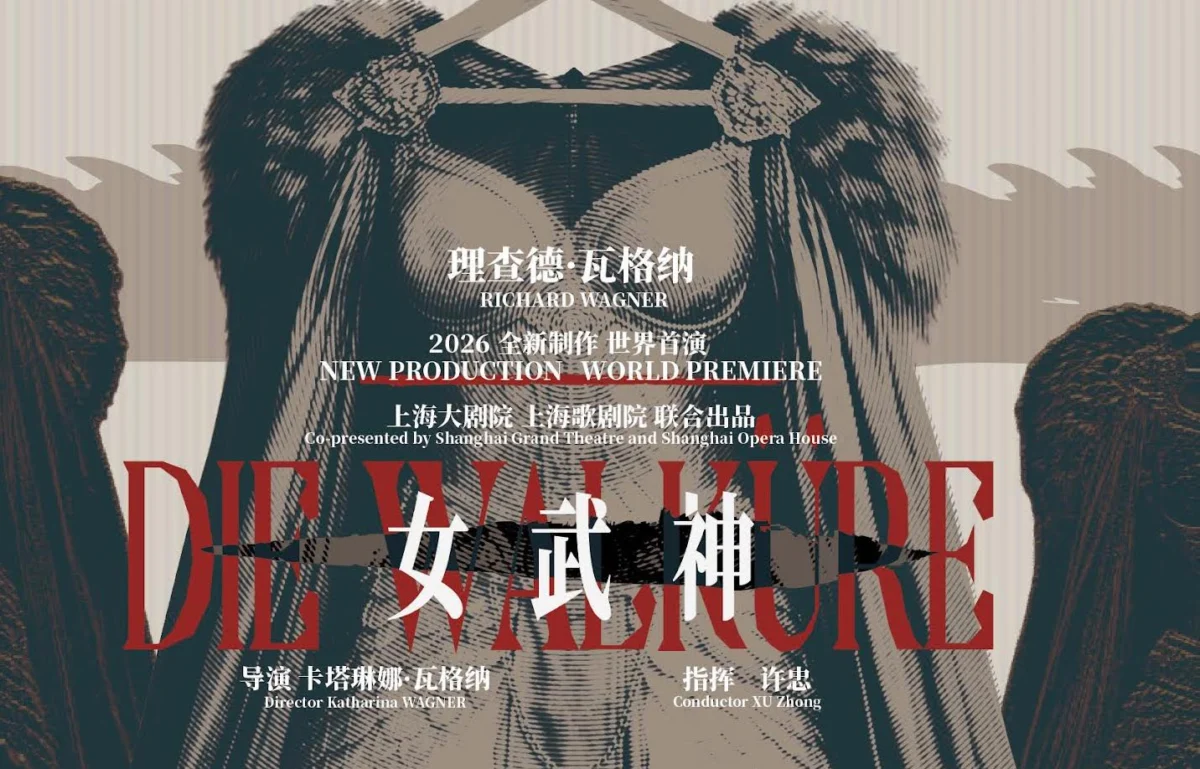
A significant cultural exchange between Germany and China will unfold next month with the world premiere of a new production of Richard Wagner’s Die Walküre, directed by Katharina Wagner, the great-granddaughter of the composer. This highly anticipated staging, set to captivate audiences at the Shanghai Grand Theatre on April 24 and 26, 2026, marks the second major installment of the ambitious "Bayreuth in Shanghai" three-year opera project. The initiative aims to deepen the artistic ties between China’s burgeoning opera scene and the venerable traditions of the Bayreuth Festival, the hallowed home of Wagner’s music dramas.
This premiere follows the successful launch of the project last year with a production of Tristan und Isolde, signaling a sustained commitment to bringing the monumental works of Richard Wagner to a Chinese audience in a manner that respects both historical context and contemporary artistic vision. The "Bayreuth in Shanghai" collaboration is a testament to the growing international stature of Shanghai as a global cultural hub, eager to engage with world-class operatic performances and foster cross-cultural understanding through the arts.
A Confluence of Orchestral Power and Visionary Direction
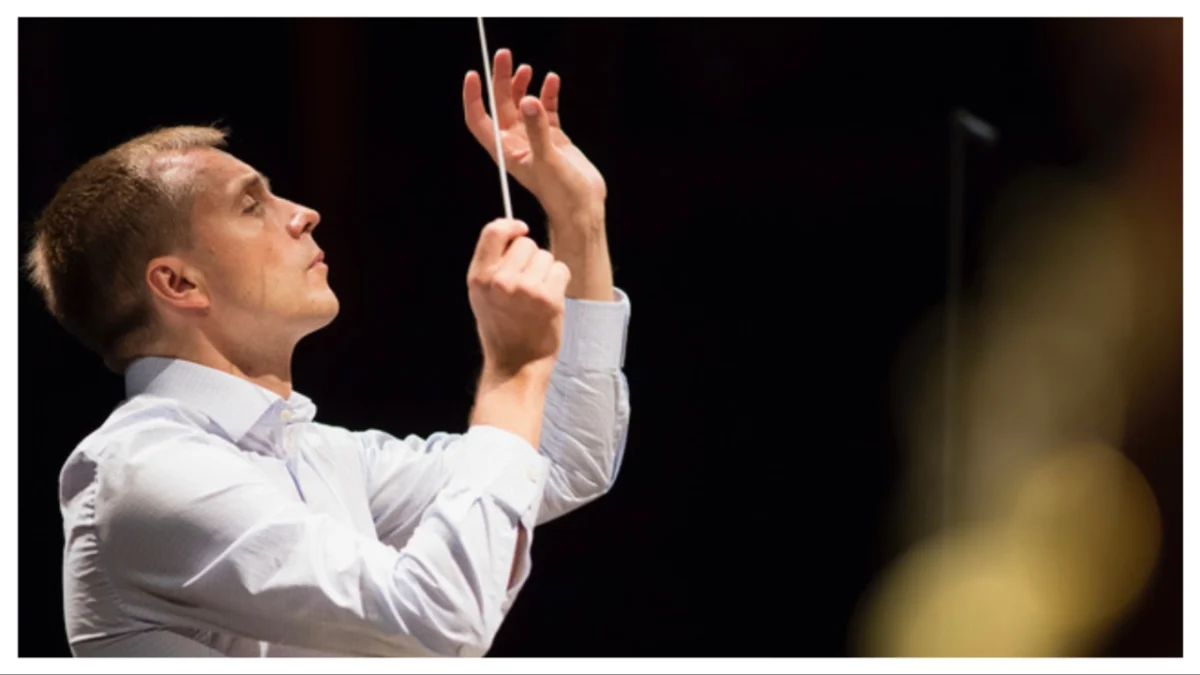
The musical direction for this monumental undertaking rests with Xu Zhong, a conductor of considerable renown. He will lead a powerful orchestral force comprised of the Suzhou Symphony Orchestra, augmented by distinguished guest musicians from the Bayreuth Festival Orchestra. This unique collaboration promises a performance of exceptional quality, blending local talent with the expertise cultivated at the heart of Wagnerian performance. The co-presenters, the Shanghai Grand Theatre and the Shanghai Opera House, have marshalled significant resources to ensure the grandeur and artistic integrity of this ambitious production.
For Katharina Wagner, this new Die Walküre represents a significant personal milestone, being her inaugural directorial engagement with this specific opera. Renowned for her psychologically incisive interpretations and a distinctive visual language that often challenges conventional staging, Wagner has conceived this production through the lens of "game" as a central thematic and dramatic thread. This conceptual framework suggests an exploration of the power dynamics, strategic decisions, and inevitable consequences that drive the opera’s complex narrative. Her approach is expected to shed new light on the intricate relationships and moral dilemmas faced by the characters, offering a modern perspective on Wagner’s enduring masterpiece.
A Stellar Cast Assembles for Wagner’s Epic Saga
The production boasts an impressive international cast, meticulously assembled to embody the larger-than-life characters of Wagner’s mythology. A particular highlight is the role debut of bass-baritone Shen Yang as Wotan, the king of the gods. Shen Yang, a celebrated artist in his own right, takes on one of the most demanding vocal and dramatic roles in the operatic repertoire. He is joined by a roster of esteemed Wagnerian specialists, including Catherine Foster as the indomitable Brünnhilde, Vincent Wolfsteiner as the tragic hero Siegmund, Wilhelm Schwinghammer as the formidable Hunding, Manuela Uhl as the passionate Sieglinde, and Anna Maria Chiuri as the stern goddess Fricka. The collective experience and artistry of these performers are poised to deliver a performance of profound emotional depth and vocal brilliance.
Understanding Die Walküre: The Heart of the Ring Cycle
Die Walküre, composed by Richard Wagner, is the second of the four operas that comprise his monumental cycle, Der Ring des Nibelungen (The Ring of the Nibelung). Drawing deeply from the rich tapestry of Norse mythology, the opera unfolds a compelling narrative centered on the fateful love between the twins Siegmund and Sieglinde, and the moral quandary faced by the Valkyrie Brünnhilde. Her defiance of her father, Wotan, in an act of profound compassion, sets in motion a chain of events that reverberates throughout the entire cycle. The opera is frequently interpreted as a profound exploration of themes such as power, law, individual conscience, and the corrupting influence of ambition. Its position as a crucial turning point in the larger Ring narrative underscores its thematic and dramatic significance.
A Year of Commemoration and Cultural Legacy
The Shanghai premiere of Die Walküre arrives in a year of significant anniversaries within the Wagnerian world. 2026 marks the 150th anniversary of the inaugural Bayreuth Festival in 1876, which saw the first complete performance of the Ring cycle. Furthermore, it has been 170 years since the completion of Die Walküre in 1856. These historical milestones imbue the current production with an added layer of resonance, serving as a tribute to the enduring legacy of Wagner’s artistic vision. Organizers have expressed that the new staging aims not only to honor the spirit of Wagner’s groundbreaking work but also to offer a fresh and engaging theatrical perspective for contemporary audiences, bridging historical significance with modern sensibilities.
Shanghai’s Ascent as an Operatic Epicenter
The "Bayreuth in Shanghai" project is slated to continue through 2027, building upon the city’s rapidly expanding reputation as Asia’s preeminent opera capital. This trajectory is further solidified by the highly anticipated grand opening of the Grand Opera Shanghai (GOSH) in November. This state-of-the-art facility is poised to become a beacon for operatic performance in the region, attracting international artists and productions, and providing a world-class venue for the city’s vibrant cultural landscape. The "Bayreuth in Shanghai" initiative, therefore, is not merely a series of performances but a strategic investment in solidifying Shanghai’s position on the global operatic stage.
Economic and Cultural Implications of the Partnership
The "Bayreuth in Shanghai" project represents more than just an artistic endeavor; it carries significant economic and cultural implications for both participating nations. For Germany, it offers a platform to showcase its rich cultural heritage and artistic expertise on a global scale, fostering goodwill and strengthening international cultural ties. For China, particularly Shanghai, it signifies a commitment to embracing and integrating world-class artistic traditions, thereby enriching its cultural offerings and enhancing its international appeal.
The influx of international artists, technicians, and opera enthusiasts associated with such a project can also provide a tangible economic boost through tourism, hospitality, and related services. Moreover, the knowledge transfer and collaborative opportunities inherent in these ventures can foster the development of local artistic talent and technical expertise, contributing to the long-term growth of China’s performing arts sector. The project’s success is likely to pave the way for future collaborations of a similar magnitude, further cementing Shanghai’s status as a vibrant international cultural nexus.
Navigating the Complexities of Wagnerian Performance
Producing a Wagnerian opera, especially a cornerstone like Die Walküre, is a logistical and artistic undertaking of considerable complexity. The scale of the orchestra, the vocal demands on the singers, the intricate staging requirements, and the sheer duration of the performance all present unique challenges. The involvement of musicians from the Bayreuth Festival Orchestra suggests a dedication to achieving the authentic sound and interpretive nuances that are characteristic of performances at the composer’s own theatre. This commitment to fidelity, combined with Katharina Wagner’s innovative directorial vision, creates an exciting tension between tradition and modernity that is sure to be a focal point of critical and public discussion.
The choice of Die Walküre as the second installment is particularly strategic. It is a work that, while part of the larger cycle, stands on its own as a powerful drama. The exploration of themes like love, fate, and the struggle against divine authority resonates universally. The iconic "Ride of the Valkyries" alone is one of the most recognizable pieces of classical music, offering a familiar entry point for audiences who may be new to Wagner. However, the opera delves much deeper into the human condition, exploring the complexities of familial duty, rebellion, and the consequences of ethical choices.
The "Game" Metaphor: A Modern Lens on Ancient Myths
Katharina Wagner’s conceptualization of the production through the lens of "game" offers a compelling interpretive framework. In the context of Die Walküre, this metaphor can be understood in multiple ways. It could refer to the strategic maneuvering of the gods, particularly Wotan, as he attempts to maintain his dominion and navigate the consequences of his past actions. It might also allude to the game of fate, where characters are pawns in a larger cosmic drama. Furthermore, it could explore the "game" of love and desire, as seen in the incestuous passion between Siegmund and Sieglinde, or the burgeoning defiance of Brünnhilde. This approach promises a production that is not only visually striking but also intellectually stimulating, inviting audiences to consider the underlying mechanics of power and morality within the opera’s narrative.
The casting of Shen Yang as Wotan is particularly noteworthy. Wotan is a character burdened by immense responsibility and plagued by his own flawed decisions. His interactions with his daughter Brünnhilde and his wife Fricka are pivotal moments in the opera, revealing the internal conflicts and the erosion of his authority. Shen Yang’s ability to convey both the majesty and the vulnerability of this complex figure will be crucial to the success of the production.
The Future of Operatic Collaboration
The "Bayreuth in Shanghai" project, culminating in the premiere of Die Walküre, is a significant development in the landscape of international cultural exchange. It demonstrates a growing appetite for large-scale operatic collaborations that transcend geographical and cultural boundaries. As Shanghai continues to invest in its cultural infrastructure and artistic programming, initiatives like this serve as vital catalysts for growth and innovation. The success of this project will undoubtedly influence future collaborations, potentially inspiring similar ventures that foster deeper understanding and appreciation of artistic traditions from around the world. The enduring power of Wagner’s music, when presented with such thoughtful direction and exceptional artistry, promises a memorable and impactful experience for audiences in Shanghai and beyond.