Jia Lissa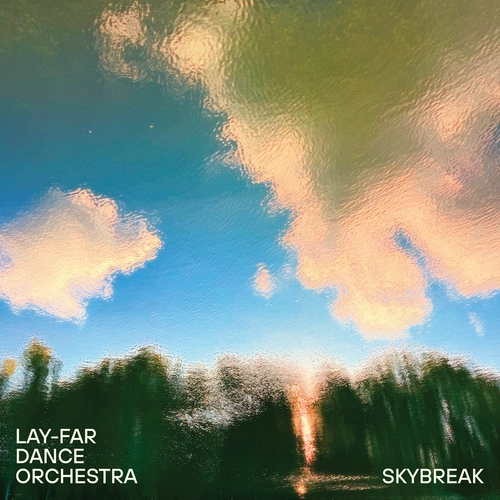
The recent release of "Skybreak" by Lay-Far Dance Orchestra marks a significant artistic evolution for Alexander Leyfa, better known in the electronic music world as Lay-Far. This album serves as a definitive statement in his journey from a highly respected house music producer to the visionary conductor of a modern-day jazz-funk ensemble. The project, which has been incubating for a remarkable fifteen years, culminates in a record that is being hailed for its masterful arrangements, exceptional musicianship, and an undeniable abundance of infectious grooves. It transcends the common pitfalls often encountered by electronic artists venturing into live instrumentation, delivering a sound that feels both authentic and dynamically fresh.
A New Horizon for Alexander Leyfa
Alexander Leyfa’s career has long been characterized by a subtle yet persistent thread of jazz-infused colour woven into his house-focused output. His extensive discography under the Lay-Far moniker has consistently demonstrated a sophisticated ear for melody, harmony, and rhythm that hinted at broader musical aspirations beyond the confines of four-on-the-floor beats. Early works, such as his acclaimed 2014 collaboration with Jonny Miller, "Going Home," stand as prime examples of how Leyfa skillfully integrated organic, jazz-kissed elements into his electronic productions, creating a sound that was both club-ready and musically rich. This track, among others, offered a glimpse into a talent poised for expansive exploration, foreshadowing the eventual emergence of the Lay-Far Dance Orchestra.
Roots in the Electronic Scene
Leyfa established himself as a prominent figure in the global house music scene through a series of critically lauded releases on prestigious labels and extensive touring as a DJ. His productions often showcased a deep understanding of soul, funk, and disco, filtering these influences through a contemporary house lens. Tracks were frequently lauded for their warm analogue textures, intricate percussive layers, and evocative melodic motifs. While rooted in dance music, Leyfa’s approach always leaned towards the musical, prioritizing harmonic depth and instrumental flair. This inherent musicality differentiated him from many of his peers, suggesting a foundational appreciation for live instrumentation and complex compositional structures. The gradual incorporation of live basslines, Rhodes piano chords, and improvised saxophone solos into his house tracks created a distinctive sonic signature that resonated with listeners seeking more than just functional club tools.
The Genesis of the Dance Orchestra
The formation of the Lay-Far Dance Orchestra, while seemingly a bold departure, is in fact the logical progression of Leyfa’s long-held musical vision. The project’s reported fifteen-year gestation period underscores Leyfa’s meticulous approach and deep commitment to the sound. This was not a sudden pivot or a trend-chasing endeavor, but rather a patiently nurtured ambition to fully realize the jazz and funk elements that had always simmered beneath the surface of his electronic work. The decision to assemble a "crack team of musicians" reflects a dedication to authentic live performance and arrangement, moving beyond sampled loops and synthesized textures to the dynamic interplay of human improvisation and collective virtuosity. This transition allowed Leyfa to step into the role of a true bandleader and composer, orchestrating a rich tapestry of sound that only a live ensemble can produce. The orchestra represents a full embrace of the organic, allowing Leyfa to explore the complexities of jazz-funk with an authenticity that might otherwise elude producers tethered solely to electronic tools.
"Skybreak": A Masterclass in Modern Jazz-Funk
"Skybreak" arrives as a vibrant and compelling collection, meticulously crafted to showcase the Lay-Far Dance Orchestra’s prowess. The album immediately distinguishes itself through its embrace of modern-day jazz-funk, a genre celebrated for its infectious grooves, sophisticated harmonic language, and often, its crossover appeal. Drawing from the rich heritage of artists like Herbie Hancock’s Head Hunters, Roy Ayers, Donald Byrd, and contemporary torchbearers such as Incognito or Jamiroquai, "Skybreak" injects fresh energy into the idiom. The album manages to sound both reverent to its predecessors and distinctly forward-thinking, a testament to Leyfa’s vision and the musicians’ collective talent.
Crafting the Sound: Instrumentation and Arrangement
The success of "Skybreak" lies significantly in its "top-shelf arrangements" and "fantastic musicianship." The orchestra, composed of accomplished instrumentalists, brings a level of virtuosity and nuanced expression that is palpable throughout the record. Typical instrumentation would include a powerful rhythm section (drums, bass, percussion), a dynamic horn section (trumpets, trombones, saxophones), intricate keyboards (Rhodes, Wurlitzer, grand piano, synthesizers), and often, guitars. The interplay between these elements is what gives jazz-funk its characteristic vibrancy. On "Skybreak," Leyfa’s arrangements allow each instrument to shine, creating complex sonic layers without ever sounding cluttered. Basslines are robust and infectious, drums provide a propulsive, often syncopated backbone, while horns punctuate with precision and keyboards weave intricate melodic and harmonic textures. This meticulous attention to detail ensures that the album’s "grooves galore" are not merely repetitive but evolve and breathe, inviting listeners into a deeply immersive sonic experience. The production quality is pristine, capturing the warmth and immediacy of live performance while maintaining the polished clarity expected of a contemporary release.
Notable Collaborations and Standout Tracks
"Skybreak" features several compelling collaborations, most notably with Seven Davis Jr. on the d&b-flavoured track "Aquarius Love." This particular collaboration highlights Leyfa’s continued willingness to blend diverse stylistic elements, demonstrating that his move to live jazz-funk does not preclude adventurous genre fusions. "Aquarius Love" stands out for its unique rhythmic underpinning, showcasing how the orchestra can adapt and infuse its organic sound with modern electronic sensibilities, specifically the broken beats and intricate syncopation characteristic of drum & bass. Seven Davis Jr.’s "spot-on guest vocals" add another layer of soulful depth, perfectly complementing the instrumental prowess of the orchestra. This track exemplifies the album’s ability to surprise and innovate, solidifying its identity as a truly modern jazz-funk offering rather than a nostalgic throwback. Other tracks on the album, while not explicitly detailed in the initial review, are understood to contribute to the overall tapestry of sophisticated grooves and rich musicality, from high-energy funk excursions to more introspective, soulful moments, each bearing the hallmark of Leyfa’s refined compositional touch.
The Broader Landscape: Electronic Artists Embracing Live Jazz
Leyfa’s transition with the Lay-Far Dance Orchestra is not an isolated phenomenon but part of a broader, increasingly prevalent trend within the electronic music landscape. Over the past two decades, numerous electronic producers and DJs have sought to expand their artistic horizons by incorporating live instrumentation and forming bands. This movement is often driven by a desire to explore new sonic textures, engage with the spontaneity of live performance, and create a more dynamic, human connection with their audience. Artists such as Bonobo, Caribou, Goldfrapp, and even iconic acts like Daft Punk (with their legendary live shows) have all, in varying degrees, integrated live elements into their electronic frameworks, showcasing the enduring appeal of organic sounds.
Bridging the Digital and the Organic
The shift from purely electronic production to live performance presents both exciting opportunities and significant challenges. While samplers and drum machines offer immense creative freedom and precision, they can sometimes limit the improvisational spirit and raw energy that live musicians bring. The "forced" feeling that sometimes results when house producers attempt live jazz, as noted in the original review, often stems from a lack of genuine understanding of jazz idioms, insufficient instrumental prowess, or an inability to effectively arrange for a full ensemble. The transition requires not just musical skill but also leadership and vision to guide a collective of musicians.
Leyfa’s success with "Skybreak" and the Lay-Far Dance Orchestra can be attributed to several factors that distinguish him from those who fall into the "forced" category. Firstly, his "15 long years ago" initiation of the project signifies a deep, authentic passion for the sound, cultivated over a prolonged period of study and practice, rather than a superficial adoption of a new style. Secondly, his intrinsic musicality and prior experience in crafting jazz-kissed electronic tracks provided a solid foundation. Lastly, the selection of a "crack team of musicians" suggests a collaboration with instrumentalists who possess not only technical skill but also a shared understanding and enthusiasm for Leyfa’s artistic direction, ensuring a cohesive and inspired performance. This commitment to authenticity and musical integrity is what allows "Skybreak" to resonate as a genuine and accomplished work of art, successfully bridging the gap between digital precision and organic expressiveness.
Critical Acclaim and Industry Impact
Upon its release, "Skybreak" has garnered significant positive attention from critics and music enthusiasts alike. The album is being celebrated not just as a successful genre crossover but as a meticulously crafted piece of music that stands on its own merits within the jazz-funk canon. Reviews consistently highlight the album’s exceptional production quality, the caliber of the musicianship, and Leyfa’s visionary leadership. Industry observers note that "Skybreak" solidifies Leyfa’s reputation as a versatile and forward-thinking artist, capable of operating at the highest levels across different musical disciplines.
Shaping the Future of Hybrid Genres
The impact of "Skybreak" extends beyond Leyfa’s personal artistic journey. It contributes significantly to the ongoing evolution of hybrid genres, demonstrating how electronic music can continue to inform and revitalize traditional forms, and vice versa. Albums like "Skybreak" serve as important cultural touchstones, inspiring other artists to push boundaries and encouraging audiences to explore music without rigid genre classifications. The album’s potential for live performances is immense, promising vibrant and engaging shows that will further showcase the Lay-Far Dance Orchestra’s dynamic energy and improvisational skill. Such performances would not only entertain but also help to reintroduce the vitality of live jazz-funk to a new generation of listeners, many of whom may have been initially drawn to Leyfa through his electronic work. This cross-pollination of audiences is crucial for the continued health and innovation of both electronic music and jazz.
In conclusion, "Skybreak" is more than just an album; it is a profound artistic statement from Alexander Leyfa. It represents the culmination of years of dedication, a testament to genuine musical evolution, and a vibrant contribution to the contemporary soundscape. With its rich arrangements, fantastic musicianship, and grooves that permeate every note, the Lay-Far Dance Orchestra has not just broken new ground but has done so with an undeniable brilliance that resonates deeply within the realms of modern jazz-funk and beyond.