Kholidah
The global K-pop community has recently turned its focus toward the internal dynamics of the girl group aespa, specifically regarding members Giselle and Ningning. In late March 2026, a series of video clips and fan accounts began circulating across social media platforms, leading to widespread discussion about a potential rift between the two performers. While the group is widely recognized for its cohesive image and the members’ long-standing personal friendships, recent public appearances have presented a departure from their typical camaraderie, prompting both concern and intense analysis from their international fan base, known as MY.
The Catalyst: The Viral Car Walk Video
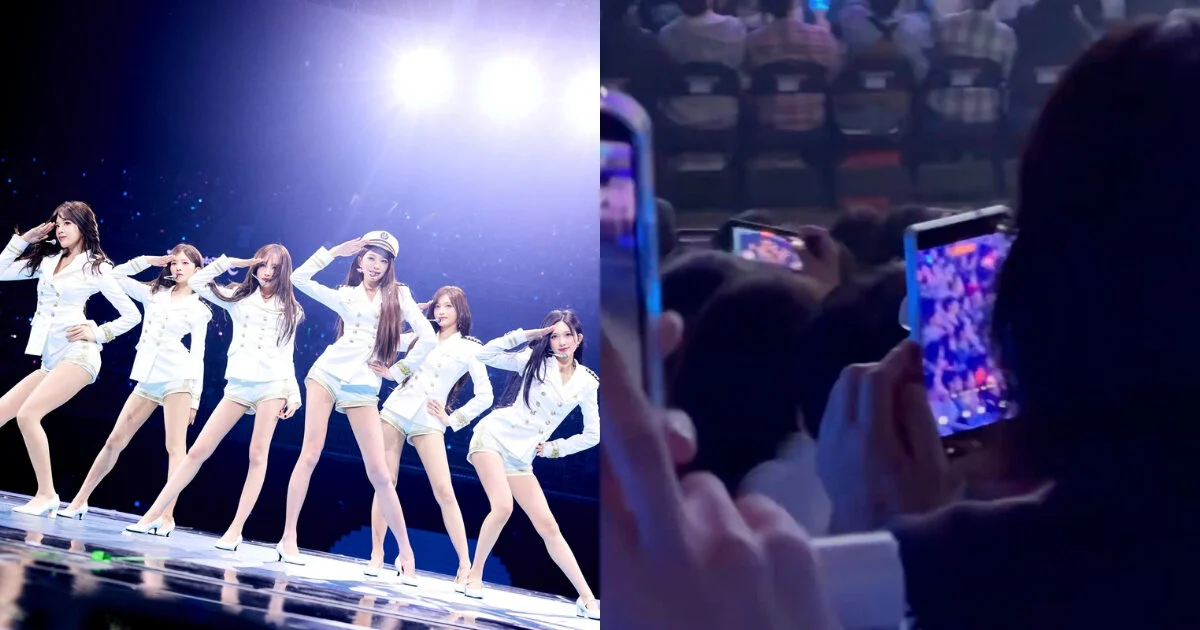
The primary driver of the current discourse is a brief video captured on March 22, 2026, which depicts Giselle and Ningning walking toward a waiting vehicle. In the footage, which has since garnered millions of views across X (formerly Twitter) and TikTok, the two members are seen walking in silence, maintaining a noticeable physical distance from one another. Unlike their usual public outings, where the pair is often seen joking, holding hands, or engaging in lighthearted conversation, the atmosphere in this specific clip was described by observers as "heavy" and "tense."
Digital forensics of the video’s engagement show that the clip was shared tens of thousands of times within the first few hours of its upload. Fans quickly pointed out the lack of eye contact and the rigid body language exhibited by both idols. In the high-pressure environment of the K-pop industry, where idols are trained to maintain a "camera-ready" persona at all times, such visible signs of interpersonal friction are rare and, consequently, highly scrutinized.
Chronology of the Disconnect: The Fansign Evidence
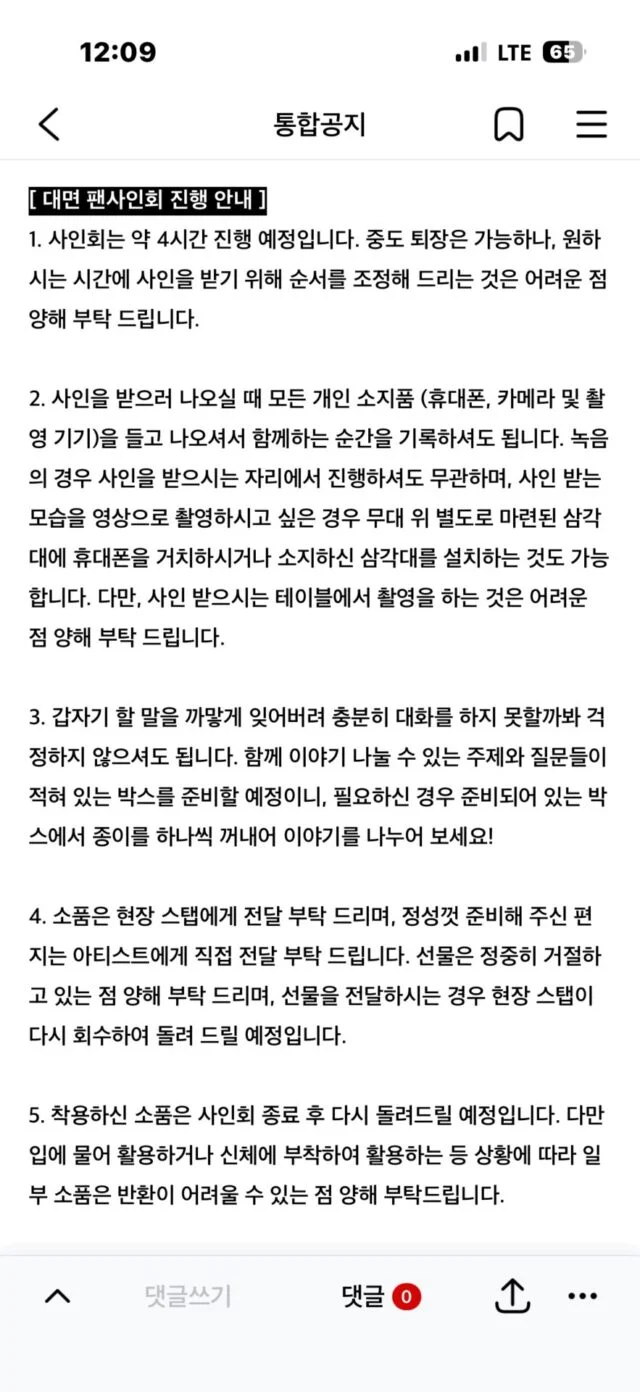
The rumors gained further momentum following a fansign event held shortly after the car video surfaced. Fansigns are intimate events where supporters interact directly with idols, and they are typically characterized by "fan service"—actions intended to please the audience, such as wearing gifted accessories or posing for "ships" (popular member pairings).
According to accounts from attendees, particularly those within the Chinese fan community who are known for their meticulous documentation of member interactions, the tension between Giselle and Ningning was even more palpable during this event. A specific incident involving a fan-provided gift has become a focal point of the controversy. A supporter had prepared a set of "angel and devil" themed accessories, intended for the two members to wear while posing closely together for a "couple shot."
While both Giselle and Ningning reportedly wore the items to satisfy the fan’s request, they pointedly avoided standing near each other. Observers noted that they remained at opposite ends of the designated area, effectively preventing any joint photographs. This led to a situation where fansites, who usually prioritize high-quality photos of members together, were forced to post solo shots. One fan on X noted, "The Chinese fans ended up posting only solo shots through tears," highlighting the disappointment felt by those who track the "Ningselle" (Ningning and Giselle) friendship.
Analysis of the "Scary" Narrative and Public Perception
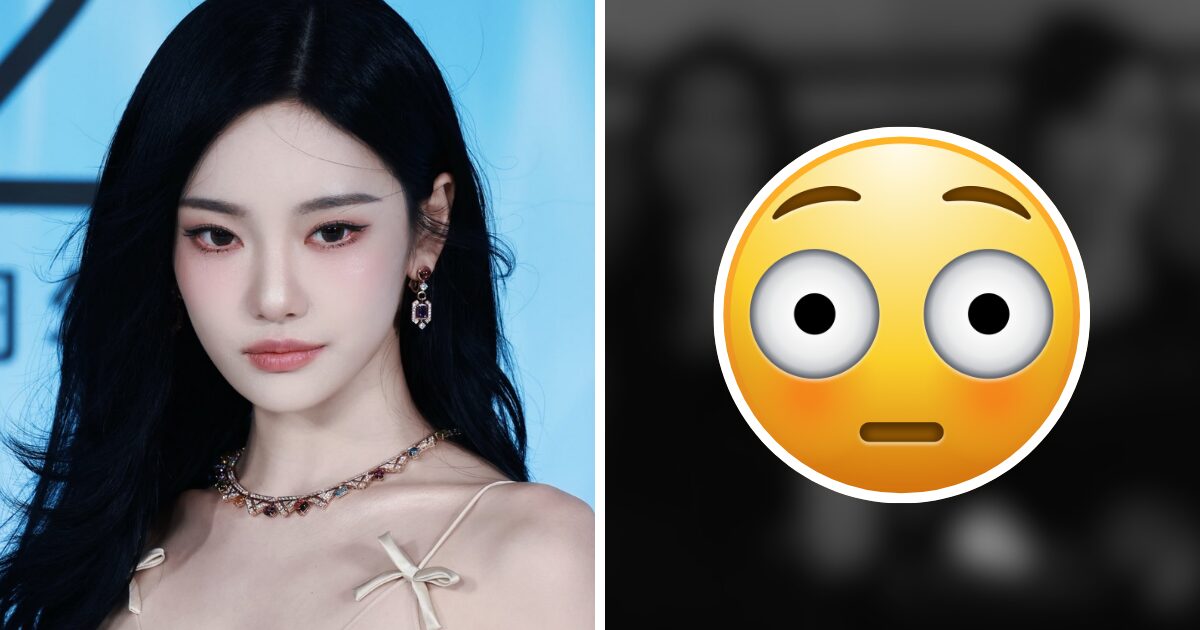
A significant portion of the online reaction has focused on Giselle’s demeanor. As the oldest member of the duo (born in 2000, while Ningning was born in 2002), Giselle’s "unnie" (older sister) status often implies a protective and nurturing role within the group. However, in the recent clips, fans described her expression as "scary" or "unusually stern."
The discourse surrounding Giselle’s facial expressions highlights a common phenomenon in celebrity culture: the over-analysis of "resting faces" or micro-expressions. Some fans argued that her expression was simply one of exhaustion due to aespa’s grueling promotional schedule. Others, however, felt that her body language toward Ningning was intentionally cold. Comments such as "Giselle unnie is seriously scary" and "If she looked at me like that, I’d just start crying" reflect a segment of the fandom that interprets her silence as a sign of genuine anger or a serious disagreement behind the scenes.
Conversely, a more humorous take emerged among some fans who linked the tension to long-standing "dating rumors" within the fandom. In K-pop subcultures, fans often joke that when a popular "ship" (pair) is fighting, it is a sign that their relationship is "real." This tongue-in-cheek perspective served as a coping mechanism for some supporters who preferred to view the tension as a minor "lovers’ quarrel" rather than a sign of a toxic working environment.
Contextualizing aespa’s Group Dynamics
To understand why these interactions have caused such a stir, one must look at the historical context of aespa’s public image. Since their debut under SM Entertainment in November 2020, aespa has been marketed not just as a musical act, but as a tight-knit unit. The four members—Karina, Winter, Giselle, and Ningning—have frequently spoken about their reliance on one another, especially given the unique pressures of their "metaverse" concept and the global fame they achieved early in their careers.
Giselle and Ningning, in particular, have often been highlighted for their "foreigner line" bond, as Giselle is of Japanese-Korean descent and Ningning is from China. Their shared experience of navigating the South Korean entertainment industry as non-natives has historically been a cornerstone of their friendship. They are often seen as the "chaotic" duo of the group, providing much of the comedic content in aespa’s behind-the-scenes videos. Because their relationship is usually characterized by high levels of physical affection and verbal banter, any shift toward silence is immediately flagged by the audience.
The Role of Social Media in Amplifying Interpersonal Conflict
The rapid spread of these rumors underscores the power of social media in shaping the narrative of K-pop groups. In the digital age, a 15-second clip can outweigh years of positive interactions. The "algorithmic amplification" of negative or controversial content ensures that even a momentary lapse in "professional" behavior is seen by millions.
Data from social media monitoring tools indicates that keywords associated with "Giselle and Ningning fight" saw a 400% increase in search volume between March 22 and March 24, 2026. This surge in interest puts significant pressure on both the idols and their management agency, SM Entertainment. While the agency has not released an official statement regarding the members’ personal relationship—as is standard practice for minor interpersonal rumors—the public scrutiny often forces a change in how members interact in subsequent appearances.

Broader Implications for the K-pop Industry
The situation involving aespa is reflective of a broader tension within the K-pop industry: the balance between being a "professional product" and a "human being." Idols are expected to maintain a facade of constant harmony, yet they are human beings who experience bad moods, fatigue, and interpersonal disagreements.
Industry analysts suggest that the hyper-fixation on these "fights" can have both positive and negative effects on a group’s brand. On one hand, it humanizes the idols and creates a "drama" that keeps the fandom engaged. On the other hand, it can lead to targeted harassment of specific members—in this case, Giselle—who may be perceived as the "aggressor" in a conflict.
Furthermore, the "solo stan" phenomenon (fans who support only one member of a group) often weaponizes these moments to criticize other members. During this recent controversy, some "Ningning-only" fans used the footage to claim that Giselle was mistreating the younger member, while "Giselle-only" fans argued that she was simply tired and being unfairly judged for her facial expressions. This internal friction within the fandom can eventually impact album sales and digital engagement if the group’s "OT4" (one true four) image is compromised.
Conclusion: Temporary Friction or Long-term Shift?
As of late March 2026, there is no definitive evidence to suggest that the relationship between Giselle and Ningning has been permanently damaged. Historical precedents in the K-pop industry show that most "viral fights" are either misunderstandings or minor disagreements that are resolved privately. In many cases, members address these rumors months later in variety shows or live streams, often laughing about how a small argument was blown out of proportion by the internet.
However, the intensity of the reaction serves as a reminder of the microscopic level of observation that modern K-pop idols endure. For aespa, a group currently at the height of their global influence, every step—whether toward a car or across a stage—is documented, analyzed, and integrated into a larger narrative. Whether this incident remains a footnote in their career or marks a shift in their group dynamic will likely be revealed in their upcoming promotional cycles. For now, the "Ningselle" dynamic remains a topic of intense fascination, proving that for fans, the real-life interactions of their idols are just as compelling as the music they produce.