Muhammad Ibadurrohman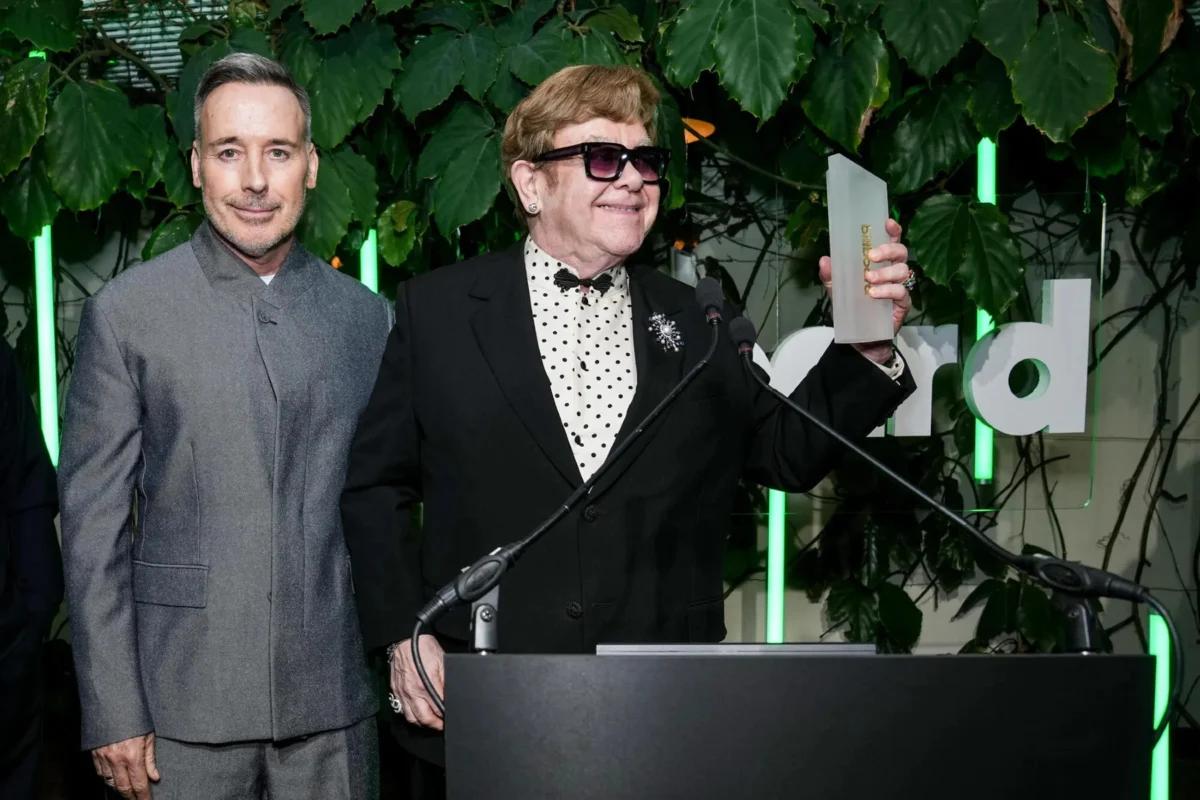
The United Kingdom government has officially reversed its controversial proposal to implement an "opt-out" copyright regime, which would have allowed artificial intelligence firms to use copyrighted music and other creative works for training their models without explicit permission. This significant policy shift comes after an intense and sustained campaign of opposition from the creative industries, spearheaded by globally renowned artists such as Sir Elton John and Sir Paul McCartney, alongside numerous industry bodies. The decision marks a pivotal moment in the global debate surrounding AI and intellectual property rights, signaling a clear victory for creators advocating for stronger protections in the digital age.
The Genesis of the Controversy: An "Opt-Out" Proposal
The contentious plan, initially floated by the UK government, aimed to simplify the process for AI developers seeking to train their algorithms on vast datasets of copyrighted material. Under the proposed "opt-out" mechanism, AI companies would have been granted an automatic, default permission to ingest and utilize existing copyrighted works – including music, literature, and art – unless the copyright holder proactively and explicitly registered their objection. The onus would have fallen squarely on individual artists, musicians, authors, and publishers to identify and formally indicate which of their creations they wished to withhold from AI training.
The government’s stated intention behind this approach was to foster innovation within the burgeoning AI sector, positioning the UK as a global leader in AI development by reducing perceived bureaucratic hurdles for tech companies. Proponents argued that an "opt-in" system, where explicit permission would be required for every piece of copyrighted content, would be too cumbersome and could stifle the rapid advancements necessary for AI growth. They suggested that an "opt-out" model would provide the necessary data access for machine learning while still offering a safeguard for creators who wished to protect their work.
However, from the perspective of the creative industries, this proposal represented a profound threat to intellectual property rights and the livelihoods of creators. Critics argued that shifting the burden of protection onto individual copyright holders was impractical, if not impossible, given the sheer volume of creative content generated daily and the technical complexity of monitoring AI data scraping. Many artists and industry representatives voiced concerns that such a system would effectively legalize the unauthorized use of their work, undermining their ability to control their creations, secure fair compensation, and protect their artistic integrity from potentially exploitative AI applications.
A United Front: Artists and Industry Rally Against the Plans

The backlash against the "opt-out" proposal was swift and widespread, demonstrating a remarkable unity across various creative sectors. Music industry giants were particularly vocal in their condemnation, fearing that their extensive catalogues could be exploited to train AI models capable of generating new music in their style, potentially without attribution or remuneration.
One of the most prominent voices against the government’s plans was Sir Elton John. Speaking passionately at Billboard’s Global Power Players event in London in June 2025, Sir Elton delivered a powerful address that resonated deeply within the creative community. He articulated the profound concerns of artists, emphasizing the need for transparency, fairness, and the right for creators to maintain control over their work. "We are not against Labour and we want a solution," John declared, making it clear that the opposition was not political but principled. "We want to bring all parties together in a way that is transparent and fair and allows artists to maintain control of their work. We will not back down and we will not go away quietly. This is just the beginning." His powerful words underscored the determination of artists to protect their intellectual property.
Sir Elton’s sentiments were echoed by other legendary figures, including Sir Paul McCartney, who has consistently advocated for artists’ rights throughout his illustrious career. Pop superstar Dua Lipa also lent her significant platform to the cause, highlighting the potential for emerging artists to be disproportionately affected by such a policy. The campaign transcended genres and generations, bringing together a diverse array of artists concerned about the future of creativity in an AI-driven world.
Beyond individual artists, a collective act of protest further amplified the industry’s discontent. Last year, over 1,000 artists, including Damon Albarn of Blur and Gorillaz fame, and the enigmatic Kate Bush, contributed to a unique project titled Is This What We Want?. This "silent album" served as a symbolic protest against the proposed legislation, visually representing the potential silencing of human creativity if AI were allowed to freely ingest and repurpose copyrighted works without consent or proper compensation. The initiative garnered significant media attention, drawing public awareness to the nuanced complexities of AI and copyright.
Official Reversal and Industry Acclaim
The sustained pressure from the creative industries ultimately proved decisive. On Wednesday, March 18, Liz Kendall, the UK’s Minister for Innovation and Technology, officially announced the government’s decision to abandon the "opt-out" plans. Speaking on the matter, Minister Kendall acknowledged the overwhelming rejection from the creative sector. She stated that the proposals had been "overwhelmingly rejected by the vast majority of the creative industries" and, as a direct consequence, "the government no longer has a preferred option" for how to proceed with AI training permissions. This candid admission highlighted the government’s recognition of the broad consensus among creators against the proposed policy.
The announcement was met with widespread relief and positive reactions from music industry figures and intellectual property advocates across the UK. Tom Kiehl, Chief Executive of UK Music, an organization representing the collective interests of the UK music industry, welcomed the decision wholeheartedly. He had previously branded the "opt-out" plans as "deeply damaging," arguing that they posed an existential threat to the sector. Kiehl’s statement following the government’s reversal carried a strong message for future policymakers, asserting that the Labour government – referring to the current opposition party and a potential future administration – should "rule out resurrecting this plan throughout their period in office."

Kiehl further underscored the economic significance of the creative sector, stating, "The 220,000 people in our sector which generates £8 billion ($10.75 billion) for the UK economy should be entitled to work and earn a living without the constant fear that the fruits of their labour could effectively be taken by AI firms without payment or permission." His remarks highlight the substantial economic contribution of the creative industries and the imperative to protect the rights of its workforce.
Dr. Jo Twist OBE, the Chief Executive of the BPI (British Phonographic Industry), which represents the UK’s recorded music industry, also expressed her approval of the government’s decision. She pointed to international experiences to bolster the UK’s choice, noting, "Other markets have shown that opt-out schemes introduce more legal uncertainty, are unworkable in practice, and are woefully ineffective in protecting creative work from misuse and theft." Dr. Twist’s comments likely allude to the complexities and challenges observed in regions like the European Union, where the recently adopted EU AI Act includes provisions for AI developers to inform copyright holders about data used, but still operates with a default allowance for "text and data mining" under certain conditions, leading to ongoing debates about practical implementation and effectiveness.
Broader Implications and The Global Landscape of AI and Copyright
The UK’s decision to retract its "opt-out" proposal carries significant implications, not only for its domestic creative and technology sectors but also for the global discourse on AI and intellectual property. It underscores a growing recognition among policymakers of the need to balance the rapid advancement of artificial intelligence with the fundamental rights and economic interests of creators.
For the UK creative industries, this move offers a renewed sense of security and validation. The music sector alone, as highlighted by UK Music, is a powerhouse, contributing billions to the national economy and supporting hundreds of thousands of jobs. Safeguarding intellectual property rights is crucial for maintaining investment in new talent, fostering innovation, and ensuring that creators can earn a fair living from their work. Had the "opt-out" plan gone through, there was a real risk of devaluing creative content, discouraging new productions, and potentially leading to a brain drain of talent to jurisdictions with stronger protections.
From the perspective of AI development, the decision presents both challenges and opportunities. While some in the tech industry might view the abandonment of the "opt-out" model as a hindrance to rapid data acquisition, it also compels a more structured and ethical approach to AI training. This could lead to the development of new licensing frameworks, partnerships between AI firms and creative rights organizations, and innovative remuneration models that benefit both sectors. The goal, as many industry leaders have articulated, is not to halt AI progress but to ensure it is developed responsibly and equitably.
Globally, the UK’s stance contributes to a diverse and evolving landscape of AI and copyright regulation. The European Union, with its landmark AI Act, has taken a comprehensive approach, which includes provisions for transparency regarding copyrighted material used for training. In the United States, debates are ongoing, with copyright holders increasingly asserting their rights through litigation and lobbying efforts, emphasizing the need for explicit consent and fair compensation. The UK’s pivot away from a default "opt-out" model aligns it more closely with the concerns of creators worldwide, potentially influencing future policy decisions in other nations grappling with similar issues. This global divergence highlights the complexities of finding a universal legal framework that can accommodate both technological innovation and established intellectual property principles.

The Path Forward: A New Consultation for a Workable Solution
Recognizing the need for a solution that garners broader consensus, the UK government has committed to launching a new consultation process. This upcoming consultation will be critical in charting a sustainable path forward that addresses the legitimate concerns of both the creative industries and the burgeoning AI sector.
Key areas for discussion in this new consultation are expected to include:
- Fair Licensing Models: Exploring mechanisms for AI firms to license copyrighted content in a transparent and equitable manner, ensuring creators are appropriately remunerated for the use of their work.
- Transparency and Attribution: Establishing clear requirements for AI developers to disclose what copyrighted material has been used in training their models, enhancing accountability and enabling creators to track usage.
- Technological Solutions: Investigating technical safeguards, watermarking, or other digital rights management tools that can protect creative works from unauthorized AI ingestion or replication.
- Defining "Transformative Use": Clarifying the legal interpretation of "transformative use" in the context of generative AI, which can produce outputs that resemble existing styles or works.
- Collective Bargaining: Facilitating frameworks for collective licensing and negotiation between AI companies and large groups of copyright holders, streamlining the permission process.
The success of this new consultation will hinge on the willingness of all stakeholders – artists, record labels, publishers, tech innovators, AI developers, and government officials – to engage in constructive dialogue. The aim is to forge a "workable path forward" that protects the invaluable cultural and economic contributions of the creative industries while simultaneously fostering a responsible and thriving AI ecosystem in the UK.
The abandonment of the "opt-out" proposal represents a significant victory for the creative community and a testament to the power of collective advocacy. It underscores the critical importance of intellectual property rights in an era of rapid technological change and sets a precedent for how governments might navigate the complex ethical and economic challenges posed by artificial intelligence. The focus now shifts to the upcoming consultation, where the nuanced work of crafting a balanced and sustainable framework for AI and creativity will begin anew.