Mia Khoirunisa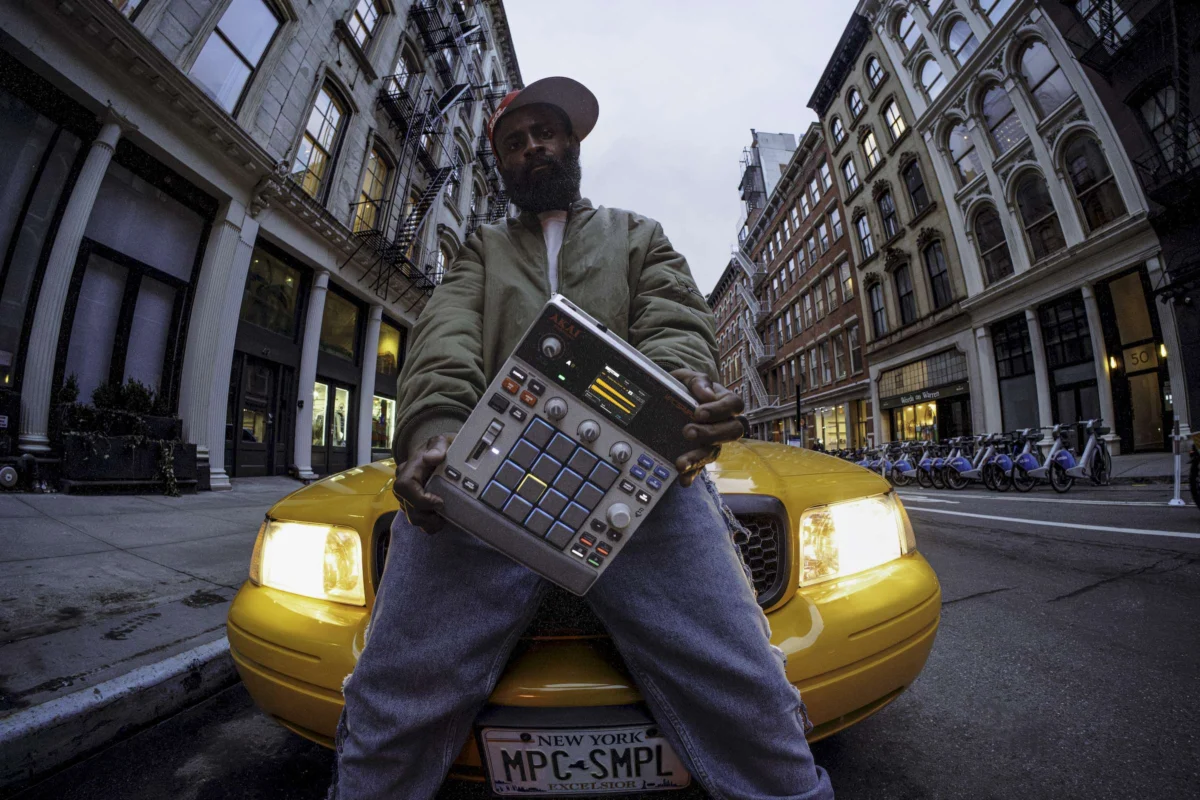
The landscape of music production has undergone a radical transformation, marked by the advent of incredibly powerful and compact devices. Akai Professional’s latest offering, the MPC Sample, priced at a remarkably accessible $399, embodies this evolution, bringing the iconic MPC workflow into a pocket-sized format. This release prompts a fascinating retrospective, inviting a direct comparison with its legendary ancestor, the 1988 MPC60, a cornerstone of hip-hop and electronic music production. Examining their specifications side-by-side reveals not just technological advancements, but a profound shift in accessibility and creative potential for musicians worldwide.
The current era is witnessing an unprecedented surge in affordable, portable music-making tools, a trend that echoes the excitement generated by devices like the Casio SK-1 in its time. The Akai MPC Sample enters a competitive arena alongside an expanding array of innovative gear. Ableton’s Move, with its growing ecosystem of official and unofficial add-ons, offers significant flexibility. Roland continues its tradition of compact innovation with the P-6, while the SP-404MKII remains a popular choice for its portability and affordability. Elektron’s model:samples, KORG’s incredibly inexpensive Volca Sample 2, and Yamaha’s SEQTRAK all contribute to this vibrant market. Even Casio, a pioneer in affordable electronic instruments, is re-entering the fray with new devices. Teenage Engineering’s EP-133 PO K.O. II, with its frequent iterations, highlights the demand for these compact creative hubs. This proliferation of small, potent instruments creates an ecosystem where creativity can flourish without the need for substantial financial investment or extensive studio space, fostering an environment where impulse purchases can lead to significant creative output. The appeal lies not in compromise, but in the sheer fun and immediacy these devices offer.
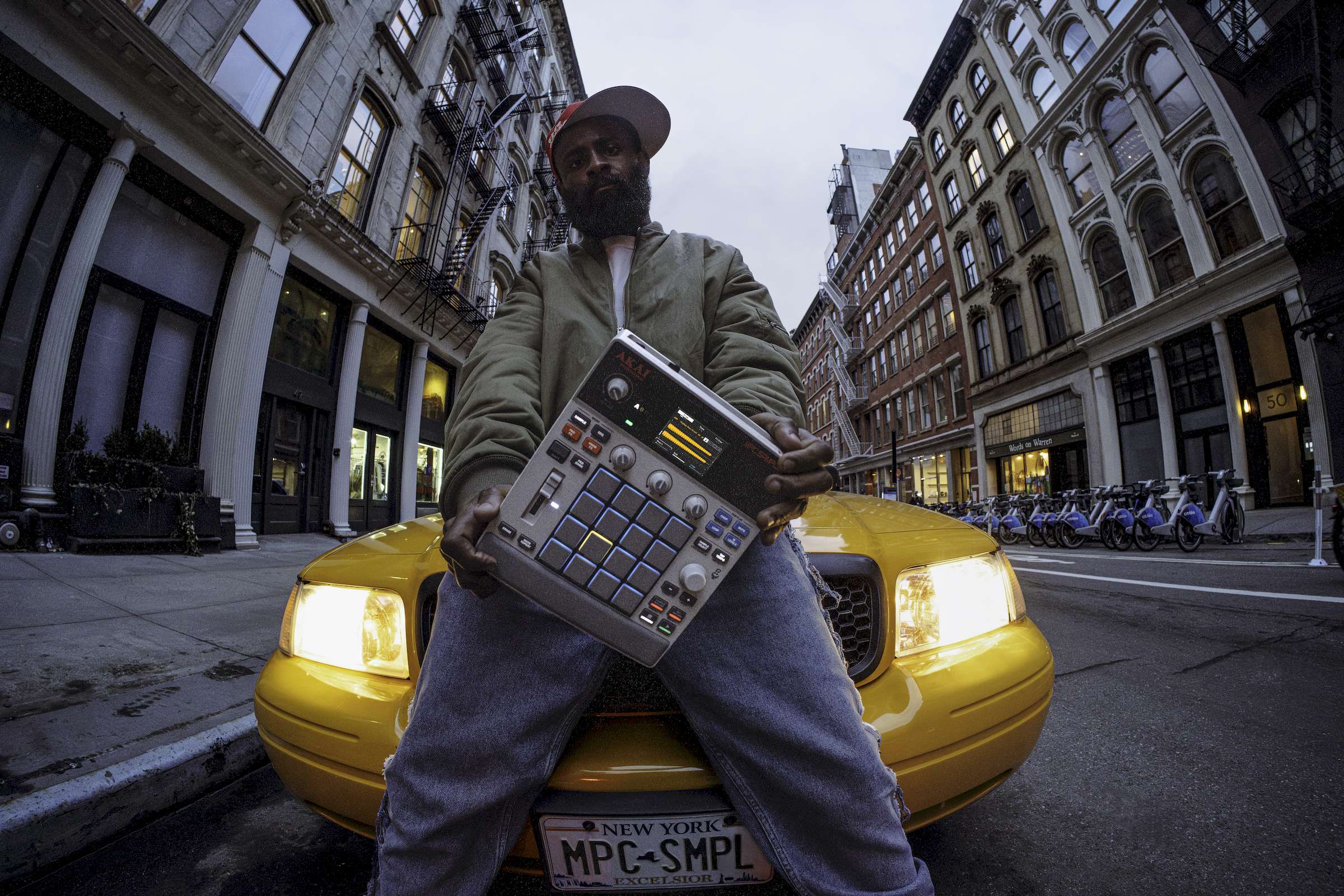
Akai’s MPC Sample appears poised to become a significant player in this market. Its compact size, attractive price point, and immediate visual resemblance to the revered MPC60 position it as a highly desirable piece of "go-bag-for-beats" gear. This device represents Akai’s strategic move to democratize its iconic production workflow, making it accessible to a new generation of creators.
A Legacy Forged in Innovation: The MPC60
The original Akai MPC60, released in 1988, was a revolutionary instrument designed in collaboration with Roger Linn, a luminary in drum machine and music production technology. It was far more than just a sampler; it was a fully integrated production studio that redefined beatmaking and electronic music. Its introduction marked a paradigm shift, moving away from complex studio setups towards a more streamlined, hands-on approach to music creation. The MPC60’s intuitive layout, featuring velocity-sensitive pads, a clear display, and robust sequencing capabilities, quickly made it the industry standard for hip-hop, R&B, and electronic music producers.
The historical context of the MPC60’s release is crucial. In the late 1980s, digital sampling technology was becoming more accessible, but it was often expensive and complex to operate. The MPC60 distilled this power into a user-friendly package, allowing musicians to capture and manipulate audio with unprecedented ease. Its impact on the music industry was profound, influencing the sound of countless hit records and shaping the evolution of music production techniques.
The Evolution of the MPC: A Spec-by-Spec Comparison
To truly appreciate the leap forward represented by the MPC Sample, a detailed comparison with the original MPC60 is illuminating. While the MPC60 was a groundbreaking machine for its time, the MPC Sample, separated by nearly four decades of technological advancement, offers a stark contrast in capabilities, form factor, and price.
Hardware: Pads, Display, and Form Factor
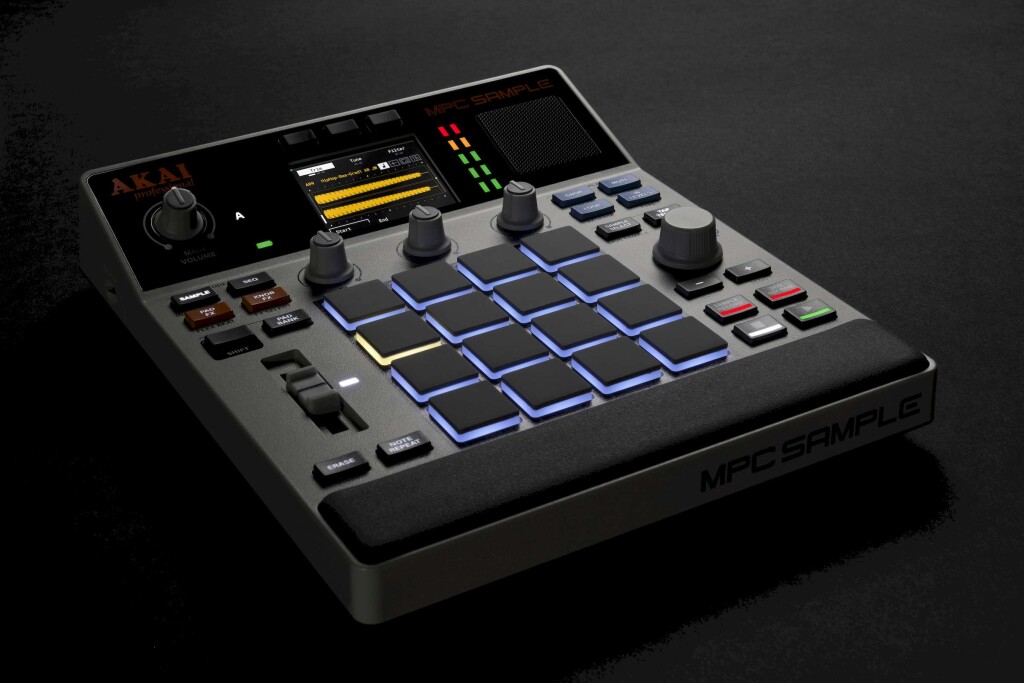
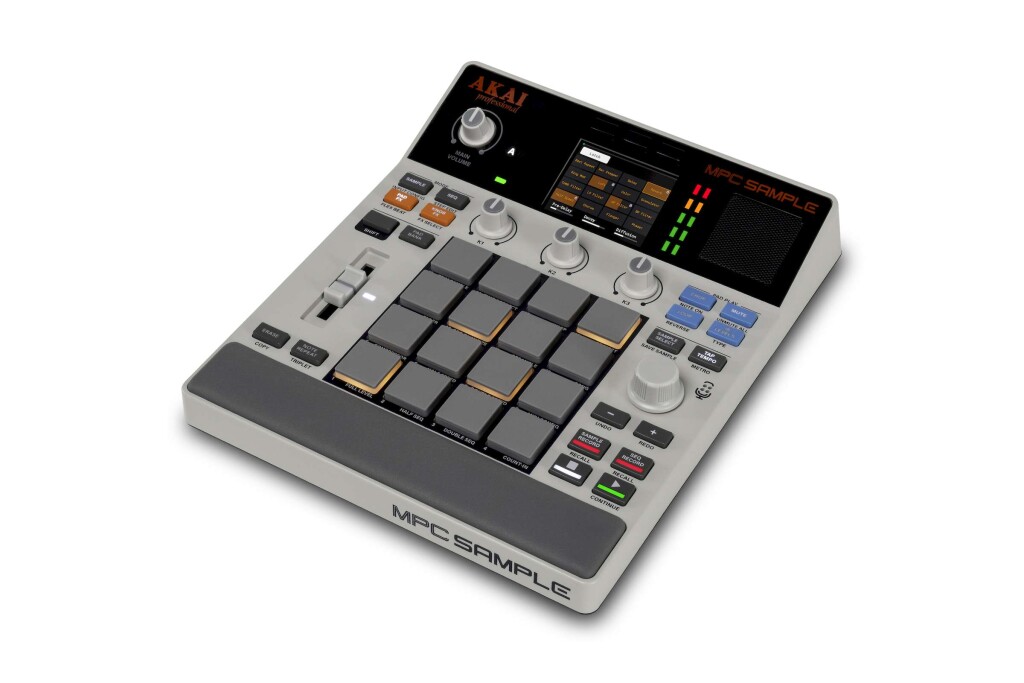
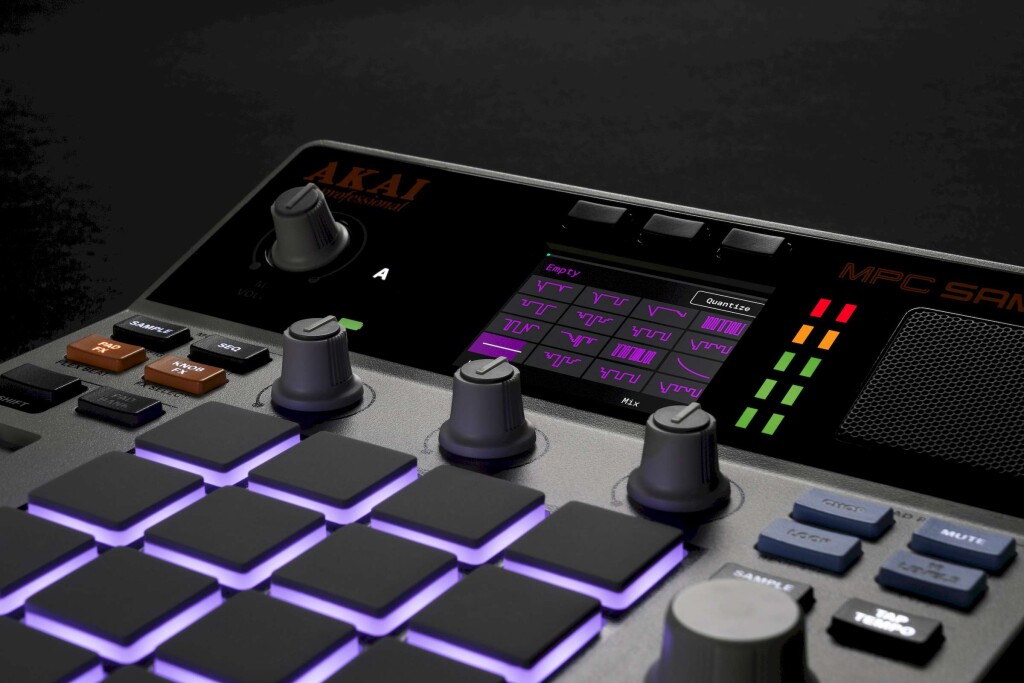
The core of the MPC experience has always been its pads. The MPC60 featured 16 velocity-sensitive pads, a revolutionary design that allowed for nuanced drumming and expressive performance. The MPC Sample retains this fundamental element, offering 16 velocity-sensitive pads, but enhances them with RGB backlighting for visual feedback and polyphonic aftertouch, allowing for more expressive control over individual notes.
The display is another area of significant evolution. The MPC60 boasted an 8-line by 320-character backlit LCD, functional but basic by today’s standards. In contrast, the MPC Sample features a 2.4-inch full-color display, providing a much richer and more intuitive visual interface for navigating menus, editing samples, and sequencing.
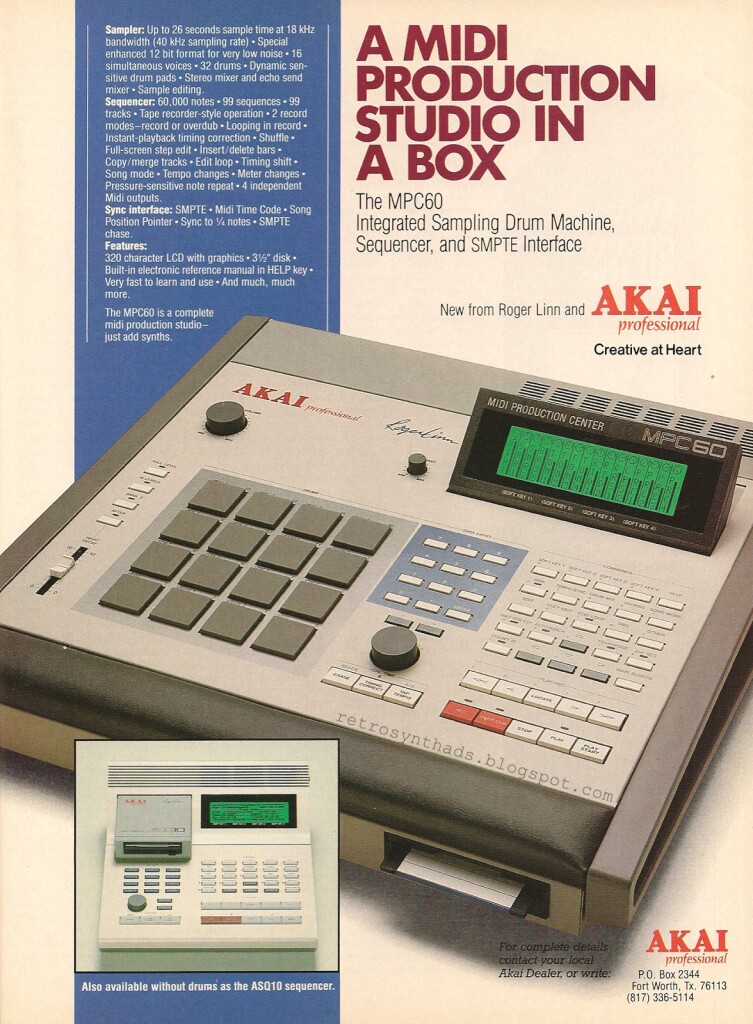
Perhaps the most striking difference lies in the form factor. The MPC60 was a substantial piece of hardware, measuring 48.5 x 45 x 12.7 cm and weighing a hefty 10.4 kg. The MPC Sample, on the other hand, is remarkably compact and lightweight, measuring just 23.6 x 19.4 x 5 cm and weighing a mere 0.9 kg. This dramatic reduction in size and weight makes the MPC Sample truly portable, fitting easily into a backpack and enabling music creation on the go. Roger Linn’s original pad mechanism remains a testament to his enduring influence, a foundational element that has been preserved and enhanced across generations of MPCs.
Input/Output (I/O) and Connectivity
The original MPC60 was equipped with a comprehensive array of I/O for its era, including multiple MIDI In/Out ports, RS-232 connectivity, metronome out, stereo inputs and outputs, and eight assignable individual outputs. It also supported a remarkable range of synchronization formats, including SMPTE, MTC, MIDI clock, MIDI SPP, FSK, pulse wave, and quarter-note metronome clicks. While this provided ample connectivity for studio environments of the time, it also necessitated a more complex setup.
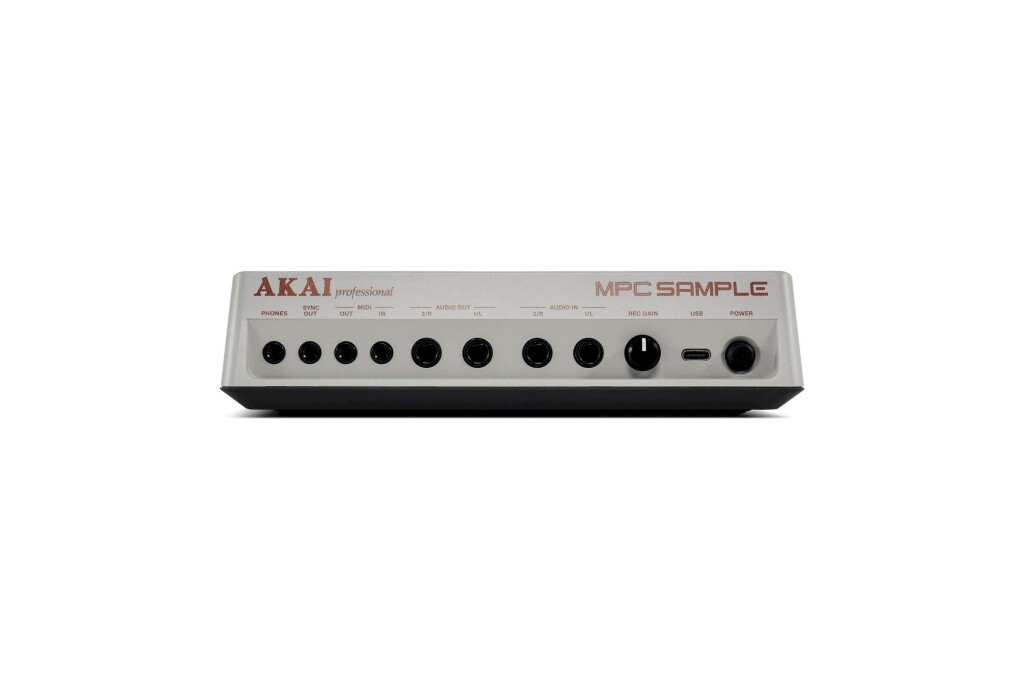
The MPC Sample streamlines connectivity through a single USB-C port, which handles power, MIDI, audio, and file transfer. It also features 1 MIDI In and 1 MIDI Out, two 1/4-inch TRS inputs, two 1/4-inch TRS outputs, a 1/8-inch headphone jack, and a sync out. While the MPC60 offered more physical I/O options, the MPC Sample compensates with its internal effects processing, reducing the need for external gear. The reliance on USB-C reflects modern connectivity standards and contributes to its compact design.
Sound Engine, Capacity, and Sequencing
The sound engine of the MPC60 operated at a 40kHz sampling rate with an 18kHz frequency response, utilizing 16-bit A/D and D/A converters. It offered 16-voice polyphony and a limited 13.1 seconds of total sample memory, expandable to 26.2 seconds. A significant limitation of the MPC60 was that sampling a new sound would erase the existing sequencer memory, forcing producers to choose between sampling or sequencing at any given time.
The MPC Sample’s specifications are less explicitly detailed regarding sample rate, but it is widely assumed to operate at stereo 44.1 kHz, 16-bit. It boasts a significantly larger polyphony of 32 stereo voices with disk streaming capabilities. More impressively, it comes equipped with 2GB of RAM and 8GB of internal storage, with further expansion possible via microSD card. This represents a more than tenfold increase in sample storage capacity compared to the base MPC60, and a vast improvement over its limited sequencing memory. The MPC Sample features a sophisticated sequencer with real-time swing at 960 PPQN, a significant upgrade from the MPC60’s 96 PPQ timing, allowing for finer control over groove and timing.
Storage and Sample Memory: A Quantifiable Leap
The difference in storage and sample memory is perhaps the most dramatic indicator of technological progress. The MPC60’s 13.1 seconds of sample memory (with individual samples limited to 5.3 seconds) and 768K sampling RAM seem minuscule compared to the MPC Sample’s 2GB RAM and 8GB internal storage, expandable via microSD. The sequencer memory on the MPC60 was 512K, capable of holding approximately 60,000 notes. The MPC Sample’s internal storage and RAM offer orders of magnitude more capacity for both audio samples and project data, effectively removing the memory constraints that defined early sampling workflows.
Additional Features: The Modern Advantage
The MPC Sample incorporates a host of features that would have required significant external hardware on the MPC60. These include built-in effects, battery power for true portability, a microphone for direct sampling, USB audio interface capabilities, and integration with desktop software. These additions transform the MPC Sample from a standalone groovebox into a versatile production tool that can seamlessly integrate into a modern digital workflow. The inclusion of battery power is particularly transformative, enabling spontaneous beatmaking sessions anywhere, anytime.
Price: Democratizing Professional Tools
The price disparity between the two devices is staggering and underscores the democratization of music technology. The original MPC60 retailed for $4,999.95 in 1988, with a sampling expansion costing an additional $599.95. Adjusted for inflation, this base model would cost approximately $13,800 today, placing it firmly in the realm of professional studio equipment accessible only to a select few.
In stark contrast, the MPC Sample is available for $399. This price point makes professional-grade beatmaking tools accessible to students, hobbyists, and emerging artists, fostering a wider and more diverse music creation community. While Akai also offers the MPC One at $699, which provides more advanced features, the MPC Sample’s appeal lies in its unparalleled portability and affordability, making it a compelling entry point into the MPC ecosystem.
Roger Linn’s Perspective on the MPC60’s Legacy
Roger Linn, the visionary behind the MPC60, has reflected on the impact of his creations. He noted that the MPC’s sampling capabilities, though limited by today’s standards, were surprisingly utilized for entire sampled loops, not just drums. Linn also observed that new forms of dance music consistently emerged following the release of his innovations, highlighting the inherent evolutionary nature of music. His insights into the development of features like loop recording, quantize, and swing reveal a deep understanding of musicality and a desire to remove technological barriers for musicians. He emphasized that these features were born from a need to capture musical ideas quickly and efficiently, a principle that continues to drive the development of modern music production tools. Linn’s work with Leon Russell in his youth provided crucial insights into the subtle nuances of rhythm and feel, particularly the concept of "swing," which he later realized became integral to the development of hip-hop.
The Broader Impact: A New Era of Accessible Creativity
The Akai MPC Sample represents more than just a technological upgrade; it signifies a fundamental shift in how music can be created and by whom. By distilling the essence of the legendary MPC workflow into a portable, affordable package, Akai has empowered a new generation of creators. The ability to produce high-quality music on the go, without the need for expensive studio equipment, democratizes the creative process and fosters innovation.
The comparison with the MPC60 serves as a powerful reminder of how far music technology has come. From a device that cost nearly $14,000 in today’s dollars and offered mere seconds of sample time, we have arrived at a $399 instrument capable of hours of high-fidelity audio, advanced sequencing, and built-in effects. The MPC Sample is less than 9% of the original weight and under 3% of its inflation-adjusted cost, yet it offers over 10,000 times the original sample storage. This dramatic evolution not only makes music production more accessible but also opens up new avenues for sonic exploration and artistic expression, promising an exciting future for the global music community.