Kholidah
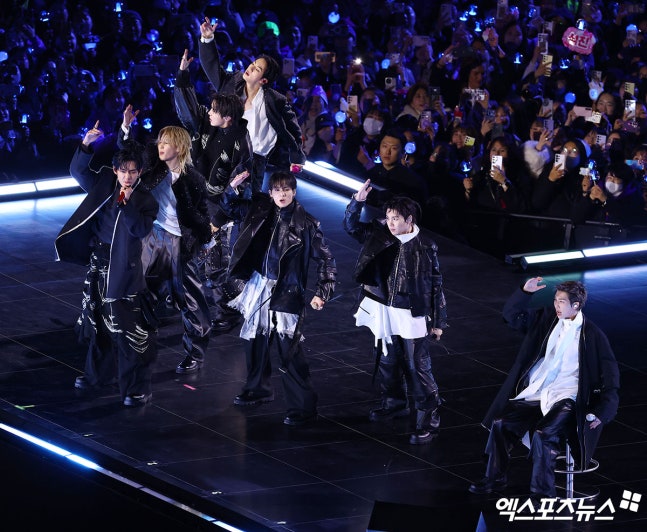
The release of a new studio album by the global phenomenon BTS is traditionally a moment of international celebration, yet the unveiling of their fifth studio project, titled ARIRANG, has been met with a wave of contention within the domestic South Korean fanbase. Following a series of promotional activities and a highly anticipated live broadcast intended to commemorate the album’s launch, a significant portion of the K-pop community, colloquially known as K-netizens, has expressed profound disappointment. The primary catalyst for this outcry is the revelation that Jin, the eldest member of the group, has been omitted from the creative and production credits of the new album. This development has sparked intense discourse regarding the group’s internal production timelines, the logistical challenges of post-military solo careers, and the symbolic importance of "OT7" (all seven members) participation in a group comeback.
The ARIRANG Live Broadcast and Official Statements
The controversy gained momentum following a celebratory live stream hosted by the members of BTS to mark the release of ARIRANG. During the broadcast, the members addressed the production process of the fifth studio album, which was designed to showcase the evolving musical identities of the group following their period of mandatory military service. However, the tone of the broadcast shifted when the members expressed collective regret regarding Jin’s absence from the album’s developmental stages.

RM, the group’s leader and a primary creative force, noted that the album was intended to be a tapestry of their individual artistic "colors." He explained that while the group had hoped for a full collaborative effort, the timing did not align. "Each of our individual colors is included in the album," RM stated during the broadcast, "and if Jin had finished his tour a bit sooner, we could have worked together."
V further elaborated on the situation, citing health and scheduling conflicts as the primary barriers. He mentioned that while there was a theoretical window for collaboration, Jin was physically exhausted and unwell due to the rigors of his solo concert tour. Jimin also weighed in, offering a perspective of gratitude toward Jin. He suggested that Jin’s solo activities and his early discharge from the military served as a protective shield for the group’s brand, allowing the remaining members the stability required to focus on the album’s completion. Despite these explanations, the absence of Jin’s name from the official credits of ARIRANG remained a point of contention for fans who view the group’s identity as inseparable from its seven-member lineup.
Logistical Challenges and the "Song Camp" Model
The exclusion of Jin from the credits of ARIRANG is rooted in the specific logistical framework adopted by HYBE and Big Hit Music for this project. According to industry reports and statements made during the live stream, the core of the album’s production took place during an intensive "song camp" held in the United States. A song camp is a modern music industry practice where a concentrated group of songwriters, producers, and artists gather for a set period to write and record a large volume of material.

The timeline of this song camp directly overlapped with Jin’s solo commitments. Jin, who was the first member of BTS to complete his mandatory military service, immediately transitioned into a high-profile solo era, which included the release of solo material and an extensive international tour. While the other six members were in the United States working on the tracks that would eventually form ARIRANG, Jin was fulfilling his solo obligations across various global territories.
By the time Jin’s tour concluded and he was able to rejoin the group for collective activities, the production phase of the album—including songwriting, arrangement, and initial tracking—had already reached completion. In the professional music industry, credits are strictly allocated based on direct contribution to the writing, composition, or production of a track. Because Jin was unable to participate in the specific sessions where these creative decisions were made, he was not legally or professionally eligible for credits under standard industry protocols.
Chronology of Events Leading to the Controversy
To understand the depth of the current uproar, it is necessary to examine the timeline of BTS’s "Chapter 2" and their subsequent transition back into group activities:

- June 2024: Jin is officially discharged from the military, becoming the first member to complete his service. He immediately begins preparing for solo projects to maintain the group’s visibility while other members serve.
- Late 2024 – Early 2025: Jin launches a successful solo tour and participates in various global brand ambassadorships. Simultaneously, other members begin their phased discharges.
- Mid-2025: A production "song camp" is established in Los Angeles and Nashville. The six members of BTS who were available at the time joined a roster of international producers to draft the skeleton of the ARIRANG album.
- Late 2025: Jin concludes his tour and enters a period of recovery. The group begins the final recording process for the album’s vocals.
- March 2026: ARIRANG is released. Fans immediately notice that Jin is not listed in the songwriting or production credits, though he participates in the vocal performances.
- March 25, 2026: The live broadcast occurs, confirming that Jin was not involved in the album’s production due to scheduling overlaps, leading to the current outcry on South Korean community portals.
K-Netizen Reactions and Domestic Sentiment
The reaction from the South Korean public, particularly on influential forums such as theqoo, has been one of sharp criticism toward the management’s handling of the comeback. For many K-netizens, a "studio album" carries a different weight than a single or an EP. It is viewed as a definitive statement of the group’s current state. The fact that the first major studio album following their military hiatus does not feature all seven members in the creative credits is seen by some as a failure of planning.
Comments on online platforms reflected a mixture of sadness and frustration. "It feels empty to call this a full group comeback when one member was essentially left out of the creative process," one user wrote. Others pointed out that Jin’s solo tour was a service to the fandom and the company, and felt it was "unfair" that his dedication to solo work resulted in his exclusion from the group’s creative legacy on this specific project.
There is also a segment of the fanbase that expressed concern over the "erasure" of Jin’s artistic input. While the members clarified that his presence "protected" the team, fans argued that the management should have delayed the song camp or adjusted the production schedule to ensure that the eldest member could contribute his "color" to the album, as RM had described it.

Broader Implications for the K-Pop Industry
The situation involving BTS and the ARIRANG credits highlights a growing challenge in the K-pop industry: managing the transition from solo "Chapter 2" eras back to unified group activities. As K-pop groups evolve and members pursue increasingly successful individual careers in fashion, variety, and solo music, the logistical complexity of aligning seven or more high-demand schedules becomes a significant hurdle.
Furthermore, this incident underscores the shifting expectations of modern fans. In previous generations of K-pop, fans were often satisfied with members simply appearing in music videos and performing on stage. However, the "third and fourth generation" fanbases place a high premium on "artistry" and "sincerity." For a group like BTS, which built its reputation on self-production and personal storytelling, the absence of a member from the credits is not merely a technicality; it is perceived as a gap in the narrative authenticity of the work.
From a management perspective, HYBE faces the difficult task of balancing commercial deadlines with fan expectations. Delaying a multi-million dollar production like ARIRANG to wait for a single member’s schedule can have cascading effects on quarterly earnings, tour bookings, and the schedules of dozens of international collaborators. Yet, as the current uproar demonstrates, the cost of proceeding without total group integration can result in significant brand friction and fan dissatisfaction.
Future Outlook and Reconciliatory Efforts
Despite the current controversy, the members of BTS have remained vocal about their unity. The statements made by Jimin regarding Jin "protecting the team" suggest that internally, the group views their current phase as a collaborative effort where different members carry the load at different times. By taking on the burden of solo touring and public appearances immediately after his discharge, Jin provided the breathing room for the other members to focus on the musical foundation of their next era.
Industry analysts suggest that the "Arirang Controversy" may lead to a shift in how Big Hit Music schedules future projects. There is a possibility that future albums will include "repackaged" versions or special editions that feature additional tracks where Jin has a more prominent creative role. Additionally, the group has already hinted at future projects where the "OT7" creative synergy will be fully restored.
As BTS continues to navigate the unprecedented waters of post-military global stardom, the ARIRANG credit issue serves as a case study in the delicate balance of solo and group identities. While the domestic uproar continues to trend on social media, the group’s focus remains on their upcoming global promotional tour, where they intend to prove that regardless of the credits on paper, their bond as a seven-member unit remains the cornerstone of their success. For now, the global music community watches closely as one of the world’s most influential acts works to bridge the gap between logistical reality and the high expectations of their devoted following.