Reynand Wu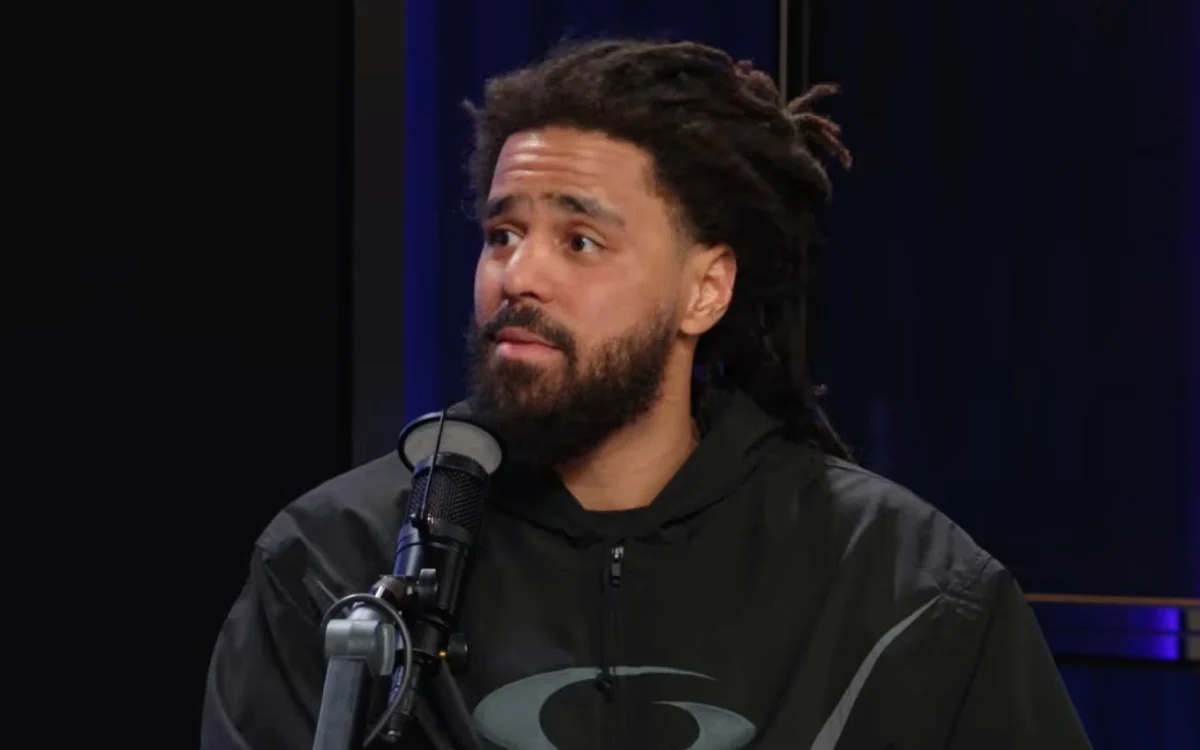
In a candid and extensive interview with fellow rapper Cam’ron, J. Cole, the esteemed Dreamville founder, has unequivocally confirmed long-standing industry rumors regarding the intended involvement of hip-hop titans Drake and Kendrick Lamar on his highly anticipated album, The Fall-Off. This revelation sheds significant light on the intricate web of events, rivalries, and industry pressures that ultimately reshaped Cole’s artistic vision for what many speculate could be his final studio album. The discussion, which notably put to rest the previously reported "bizarre legal battle" between Cole and Cam’ron, offered an unprecedented look into the challenges faced by one of music’s most respected artists in navigating the tumultuous landscape of contemporary hip-hop, particularly amidst the explosive Drake-Kendrick Lamar feud of 2024.
The Original Vision for The Fall-Off
Cole divulged that both Kendrick Lamar, often referred to as Dot, and Drake, known as Drizzy, were initially slated for multiple appearances on The Fall-Off. "Kendrick was on two joints," Cole stated, corroborating an earlier claim made by podcaster Mal in 2023, which had fueled speculation among fans and critics alike about a potential "Big Three" collaboration that would have been monumental for the genre. Cole articulated his grander vision for the album, explaining, "That was a part of my vision for it, having both of these dudes as a part of this. On my way out, I wanted to celebrate like, ‘Damn, I’m really grateful to have done it at the same time as these nggas.’" This sentiment underscores Cole’s desire to commemorate his career alongside two of his most prominent contemporaries, framing The Fall-Off* not just as a personal project, but as a collective moment acknowledging their shared era of dominance in hip-hop.
The conceptualization of The Fall-Off as a celebratory swan song, featuring collaborations with his perceived peers, speaks volumes about Cole’s artistic intentions. For years, the trio—J. Cole, Kendrick Lamar, and Drake—have been colloquially dubbed "The Big Three," a testament to their critical acclaim, commercial success, and lyrical prowess. A project uniting all three would have been a historic moment, potentially redefining the parameters of collaborative albums in hip-hop. The initial plans for The Fall-Off thus represented a unique opportunity to solidify their collective legacy, a testament to a generation of rap that has consistently pushed boundaries and achieved mainstream success without compromising artistic integrity.
The Unforeseen Catalyst: Kendrick Lamar’s "Like That" Verse
The carefully laid plans for The Fall-Off were dramatically derailed by an unforeseen seismic event in hip-hop: Kendrick Lamar’s incendiary verse on Future and Metro Boomin’s track "Like That." Released in March 2024 as part of their collaborative album We Don’t Trust You, Lamar’s verse directly challenged Drake and, by implication, J. Cole, dismantling the "Big Three" narrative by declaring, "It’s just Big Me." This verse served as the igniting spark for the highly publicized and intense rap battle that unfolded between Drake and Kendrick Lamar, reverberating throughout the music industry.
J. Cole admitted to having profoundly mixed feelings upon hearing the verse. "I had two reactions," he shared. "My first reaction is: that shit is hard. It’s a hard-ass verse, undeniably. The beat is crazy, the song is ill and I’m like, ‘That shit is tough.’" This immediate artistic appreciation speaks to Cole’s respect for Lamar’s craft, even as he recognized the devastating implications for his own album rollout. His second, more visceral reaction was one of frustration: "My second reaction is: not now, ngga! This is inconvenient for me." This candid admission highlights the personal and professional disruption caused by the escalating beef. Cole had been planning to release The Fall-Off shortly after his surprise mixtape, Might Delete Later*, and Lamar’s verse inadvertently sabotaged this meticulously planned sequence, shifting the entire industry’s focus onto the burgeoning conflict.
The timing of "Like That" was particularly problematic for Cole. Might Delete Later, released in April 2024, was intended as a precursor, a warm-up before the main event of The Fall-Off. Its release garnered significant attention, with tracks like "7 Minute Drill" drawing immediate scrutiny. The intention was to build momentum, yet the sudden escalation of the Drake-Kendrick feud overshadowed everything else, forcing Cole into an uncomfortable spotlight and demanding an immediate, unplanned response.
The Genesis and Regret of "7 Minute Drill"
The pressure on J. Cole to respond to Kendrick Lamar’s "Like That" was immense and immediate. He described his phone "blowing up immediately like, ‘Please, press the button!’ That’s the energy from nggas that love me." This external pressure, fueled by fan expectations and the competitive nature of hip-hop, ultimately led to the creation and release of "7 Minute Drill" on Might Delete Later. Cole explicitly stated that he recorded the track not out of genuine disrespect or malice, but out of a perceived necessity to address the situation before The Fall-Off could be released. "In reality, do I actually feel any sort of [disrespect]? There wasn’t any disrespect in [Kendrick’s verse]! I didn’t listen to that and be like, ‘Damn, ngga said what?’" he clarified.
Instead, his primary concern was the potential for The Fall-Off to be "unappreciated" or overlooked if he didn’t engage with the narrative. "My feeling was, ‘Fuck!’ Because now I know this [album] that I’ve been working on for eight years, plus this other [mixtape] that I did as a set-up, n*ggas ain’t gonna never let me put that out until I address this." This reveals a vulnerability often hidden behind the stoic facade of a rap superstar – the fear that years of artistic labor could be overshadowed by an external, unforeseen conflict. Cole’s decision was a strategic, albeit regrettable, maneuver to clear the path for his main project.
Reflecting on the creation of "7 Minute Drill," Cole emphasized the absence of ill will towards Kendrick. "There was no malice in my heart. There wasn’t even a desire to be like, ‘Ooh, this ngga gave me a chance to come demolish him!’" He reiterated his affection and respect for Lamar, stating, "I love this ngga… but I’m worried about what the world is gonna say. Which is embarrassing to say out loud, but it’s true. Because I’m fearful that this thing that I’ve been working on for so long is gonna go unappreciated if I don’t [respond]." He saw the track as a calculated, non-fatal response: "So I’m like, ‘Let me say just enough to where it looks like I said something.’ Everything I’m saying, I know and he knows, it’s all survivable. I’m not hitting him with no fatal blows."
However, the immediate aftermath of the track’s release brought a swift and profound wave of regret. Cole admitted, "The second it comes out, I’m like, ‘Oh, you created a dividing line where you’re forcing the world to pick a side… and to slander [Kendrick]. And they’re taking some of the shit you said and they giving it gas.’" This realization of the unintended consequences – polarizing fans and potentially damaging his relationship with Kendrick – weighed heavily on him. "And then my thought becomes, ‘I fucked up. I’ve misrepresented myself,’" he confessed.
The Dreamville Fest Apology and Its Significance
The gravity of his actions led J. Cole to an unprecedented public apology at his Dreamville Festival, just days after "7 Minute Drill" was released. This move, which involved him removing the track from streaming services, was widely lauded for its maturity and humility, though it also drew criticism from some who perceived it as a sign of weakness in the cutthroat world of battle rap. Cole described his heart as "heavy" contemplating the potential damage to his friendship with Kendrick, a collaborator on tracks like "Forbidden Fruit."
The decision to apologize publicly, Cole explained, was a spiritual one. "The [idea] came to me an hour before, and I really feel like this was God because of how it lifted me and took the weight off me." This profound sense of relief underscores the internal conflict he experienced. Despite the immediate backlash from some corners of the internet and industry, Cole stood by his decision: "I didn’t give a fuck [about the immediate backlash] because I knew in my heart what I did was right for me." This act solidified Cole’s reputation as an artist who prioritizes personal integrity and long-standing relationships over fleeting competitive victories, setting him apart in an era often defined by relentless beef. The removal of "7 Minute Drill" from Might Delete Later demonstrated a rare level of self-awareness and accountability in an industry that often rewards bravado.
Broader Context: The "Big Three" and the Evolution of Rap Beef
The concept of "The Big Three" in hip-hop has been a recurring theme since the early 2010s, with J. Cole, Kendrick Lamar, and Drake consistently recognized for their individual brilliance and collective impact. Their careers have largely run parallel, marked by mutual respect, occasional collaborations, and a healthy competitive spirit that pushed each artist to elevate their craft. This dynamic was famously ignited by Kendrick Lamar’s "Control" verse in 2013, where he called out numerous rappers, including Cole and Drake, challenging them to step up their game. While competitive, it was largely seen as a move that invigorated the genre.
The events of 2024, however, marked a significant departure from this more benign rivalry. Lamar’s "Like That" verse was a direct and unequivocal declaration of war, setting off a chain reaction that consumed the rap world for weeks. This intense, personal, and often vitriolic exchange between Drake and Lamar contrasted sharply with the more nuanced and self-reflective approach Cole took. Cole’s regret over "7 Minute Drill" and his subsequent apology can be seen as a commentary on the evolving nature of rap beef itself – a desire to pull back from the escalating personal attacks and return to a focus on artistry and respect.
Implications for The Fall-Off and J. Cole’s Legacy
The revelations surrounding The Fall-Off have profound implications for J. Cole’s career trajectory and his legacy. The album, which has been rumored for years to be his potential final project, was initially conceived as a celebratory capstone, a testament to his journey and his era. The forced removal of Drake and Kendrick Lamar’s features due to external circumstances means that the album will now arrive in a dramatically different context, stripped of its intended collaborative grandeur. This shift transforms The Fall-Off from a potential "Big Three" celebration into a more solitary, reflective statement from Cole himself, perhaps aligning more with his introspective artistic tendencies.
Moreover, the entire episode has solidified Cole’s image as an artist of integrity and self-awareness. While some may view his apology as a misstep in a battle-rap context, many others, including a significant portion of his fanbase and industry observers, lauded his decision as a mature and authentic move. It underscored his commitment to his personal values and his long-standing friendships over the fleeting triumphs of a rap beef. This could paradoxically strengthen his legacy as an artist who transcends the typical trappings of hip-hop machismo.
The delay and reshaping of The Fall-Off also highlight the fragility of artistic plans in a rapidly changing industry. In the age of instant information and social media, album rollouts are constantly vulnerable to external events, leaks, and the unpredictable currents of cultural conversation. Cole’s experience serves as a stark reminder of how external pressures can force artists to compromise or entirely re-envision their work. The album’s eventual release will now carry the weight of this narrative, viewed through the lens of what could have been, and what ultimately had to be.
The Broader Industry Impact and Future Outlook
J. Cole’s candid interview provides a rare glimpse into the internal struggles of a top-tier artist navigating the pressures of fame, competition, and artistic integrity. His decision to remove "7 Minute Drill" and apologize publicly sparked a wider conversation about the responsibility of artists in rap beefs, the impact of fan expectations, and the importance of preserving genuine relationships. In an industry often characterized by feuds and bravado, Cole’s actions offered a counter-narrative, advocating for a more mature and thoughtful approach to conflict resolution.
The interview also underscores the continuing power of the Drake-Kendrick Lamar rivalry to overshadow other significant musical events. Even a project as anticipated as The Fall-Off, from an artist of Cole’s stature, was not immune to its gravitational pull. This points to the immense cultural weight these two artists carry and the pervasive influence of their conflict on the entire hip-hop ecosystem.
As the industry awaits The Fall-Off, it will be fascinating to observe how Cole’s modified vision manifests. Will the album reflect the introspection and growth spurred by these recent events? Or will it strive to maintain some semblance of its original celebratory intent, albeit without the direct contributions of his fellow "Big Three" members? Regardless, Cole’s willingness to openly discuss these challenges has provided an invaluable perspective on the complexities of modern artistry and the ever-present tension between artistic vision, commercial viability, and personal values in the dynamic world of hip-hop. The story of The Fall-Off is now inextricably linked to the dramatic events of 2024, shaping not only its content but also its place in the broader narrative of contemporary music.