Nayara Elvina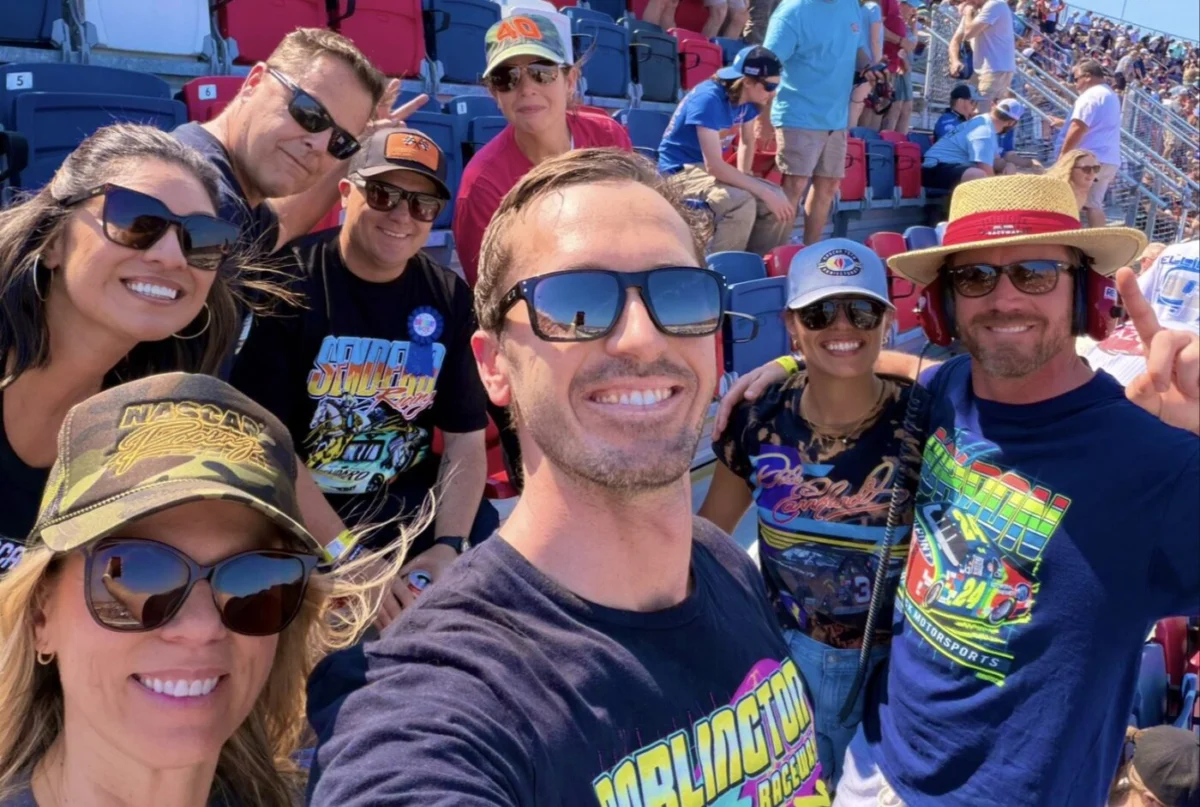
In a decisive move to address mounting criticisms regarding its disconnect from the core audience, NASCAR leadership has initiated a series of "boots on the ground" strategies designed to evaluate and improve the spectator experience. This shift comes as the sanctioning body attempts to reverse a decade-long trend of fluctuating television ratings and fan dissatisfaction. Most recently, this effort was personified by Ben Kennedy, NASCAR’s Executive Vice President of Venue and Racing Innovation, who bypassed the traditional executive suite at Darlington Raceway to experience the Goodyear 400 from the perspective of a standard ticket holder.
The initiative represents a significant pivot for an organization that has faced intense scrutiny for its perceived abandonment of traditional racing roots in favor of expansion into non-traditional markets and complex competitive formats. By participating in the logistical challenges faced by average fans—ranging from ticket acquisition to navigating parking and concessions—Kennedy and his team aim to bridge the gap between corporate decision-making and the reality of the race-day experience.
The Darlington Experiment: Evaluating the Fan Journey
During the recent race weekend at the historic Darlington Raceway, Ben Kennedy led a team of NASCAR officials in a comprehensive, un-credentialed audit of the event’s operations. According to reports and subsequent commentary from industry figures such as Dale Earnhardt Jr., the team deliberately avoided the use of VIP perks to identify friction points in the fan journey.
The audit began with the purchasing process. Members of Kennedy’s team were tasked with acquiring tickets through various channels, including online platforms and telephone call centers, to assess the ease of transaction and customer service responsiveness. On the day of the event, the group navigated public parking lots, utilized standard Fan Zone amenities, and stood in lines for concessions alongside the general public.
Following the conclusion of the Goodyear 400, the executive team reportedly held a two-hour debriefing session to analyze their findings. The discussion focused on logistical hurdles, such as the efficiency of parking transitions and the clarity of signage, as well as the overall value proposition of the live event. This data-driven approach is intended to produce a set of actionable improvements that can be implemented across various tracks on the NASCAR circuit.
A Period of Institutional Friction and Reform
The recent focus on the fan experience is situated against a backdrop of significant institutional upheaval. Over the past several years, NASCAR has been embroiled in internal and external conflicts that have strained its relationship with both teams and the public. A central point of contention was a high-profile legal dispute involving 23XI Racing and Front Row Motorsports, which highlighted deep-seated tensions regarding the sport’s economic model and charter system.
The lawsuit served as a catalyst for leadership changes, most notably the departure of former Commissioner Steve Phelps. The period was further marred by the leak of internal communications, which included disparaging remarks toward veteran team owners, reinforcing a narrative among the fan base that the executive level was out of touch with the sport’s cultural identity.
In response, NASCAR has begun rolling back several controversial policies. The sport has moved away from the complex playoff elimination formats that many traditionalists argued devalued the regular season, opting instead for a simplified Chase format. Additionally, leadership has addressed technical complaints regarding the "Next Gen" car, specifically by increasing engine horsepower for short-track events to improve the quality of racing and passing opportunities—a direct response to vocal demands from drivers and spectators alike.
Admitting the "NFL-Style" Overreach
NASCAR President Steve O’Donnell has been candid regarding the organization’s past strategic missteps. In recent statements, O’Donnell acknowledged that in an attempt to emulate the commercial success and structure of leagues like the NFL, NASCAR inadvertently alienated its hardcore supporters while failing to provide a clear entry point for new fans.
"We deserted our fan base," O’Donnell admitted, reflecting on the aggressive push toward modernization and urban market expansion. "We probably chased a few too many things trying to be like other sports. We assumed that our hardcore fans would stay with us and newer fans would jump in. Instead of new fans coming in, they did not understand it."
This admission highlights a critical realization within the Daytona Beach headquarters: the complexity of stage racing, playoff points, and technical parity measures had created a barrier to entry. The current strategy emphasizes a "back to basics" philosophy, prioritizing the visceral appeal of the sport and the simplicity of the competition.
Reclaiming the Southern Stronghold
Part of the revitalization strategy includes a return to the sport’s geographic and cultural origins. For years, NASCAR faced backlash for removing dates from historic venues in the American South to accommodate races in major metropolitan areas and international markets. While the sport still maintains a presence in these new markets to ensure long-term growth, there has been a concerted effort to restore "heritage" tracks to the schedule.
The successful return to North Wilkesboro Speedway and the incorporation of Bowman Gray Stadium into the schedule are viewed as olive branches to the traditional fan base. These venues, characterized by their intimate atmospheres and historical significance, provide a stark contrast to the massive, multi-purpose speedways that dominated the expansion era of the late 1990s and early 2000s.
Industry analysts suggest that by balancing modern amenities with traditional racing environments, NASCAR is attempting to stabilize its core demographic while slowly building a more sustainable model for new viewers.
Expert Analysis and Industry Response
The decision by Ben Kennedy to conduct a "secret shopper" style audit has been met with praise from influential figures within the garage. Dale Earnhardt Jr., a two-time Daytona 500 winner and a prominent voice in the sport, noted that such initiatives are essential for long-term health.
"He got his team together… and they experienced everything, all while taking a lot of mental notes," Earnhardt observed during a recent broadcast. "It’s not rocket science, but it’s the kind of stuff you love to see. He said there’s a lot of little things from after you buy the ticket and get parked that they could absolutely focus on improving."
Earnhardt’s endorsement is significant, as he often serves as a barometer for fan sentiment. His approval suggests that the "undercover" effort at Darlington was not merely a public relations stunt, but a genuine attempt to gather qualitative data on the barriers to attendance.
Technical and Economic Implications
Beyond the fan experience, NASCAR is facing a technical crossroads. The Next Gen car, introduced to reduce costs and increase parity, has faced criticism for its performance on short tracks and road courses. The lack of "tire fall-off" and the difficulty of overtaking have led to stagnant racing in some of the sport’s most iconic settings.
By increasing horsepower and experimenting with different tire compounds, NASCAR is signaling a willingness to prioritize the "show" over rigid cost-containment measures. However, this shift requires a delicate balance; increasing costs for teams could jeopardize the thin margins of independent organizations, while failing to improve the racing could lead to further declines in viewership.
Economically, the sport is also navigating a changing media landscape. With a new multi-billion dollar television deal on the horizon, the pressure to demonstrate a stable and engaged audience is higher than ever. Improving the "at-track" experience is a vital component of this, as a vibrant, sold-out grandstand remains the best advertisement for the sport’s health to potential sponsors and broadcast partners.
Future Outlook: Accountability and Execution
While the steps taken at Darlington and the candid admissions from O’Donnell and Kennedy are viewed as positive developments, the long-term success of this pivot remains to be seen. The challenge for NASCAR leadership lies in the execution of the feedback gathered during these audits.
Fans will be looking for tangible changes in the coming seasons, including more affordable concession pricing, streamlined entry procedures, and a continued commitment to the technical aspects of the sport that reward driver skill and mechanical innovation. The "Darlington debrief" serves as a foundational step, but the true test will be whether the insights gained lead to a permanent shift in how the sport is governed.
As NASCAR prepares for the remainder of the season, the focus remains on regaining the trust of a fan base that felt ignored for over a decade. The move from the boardroom to the bleachers suggests that the organization is finally listening, but in the fast-paced world of professional motorsports, the window for meaningful reform is narrow. The transition back to a fan-first mentality is underway, with the hope that a return to tradition, paired with modern logistical efficiency, can restore the sport to its former prominence in the American cultural landscape.