Nayara Elvina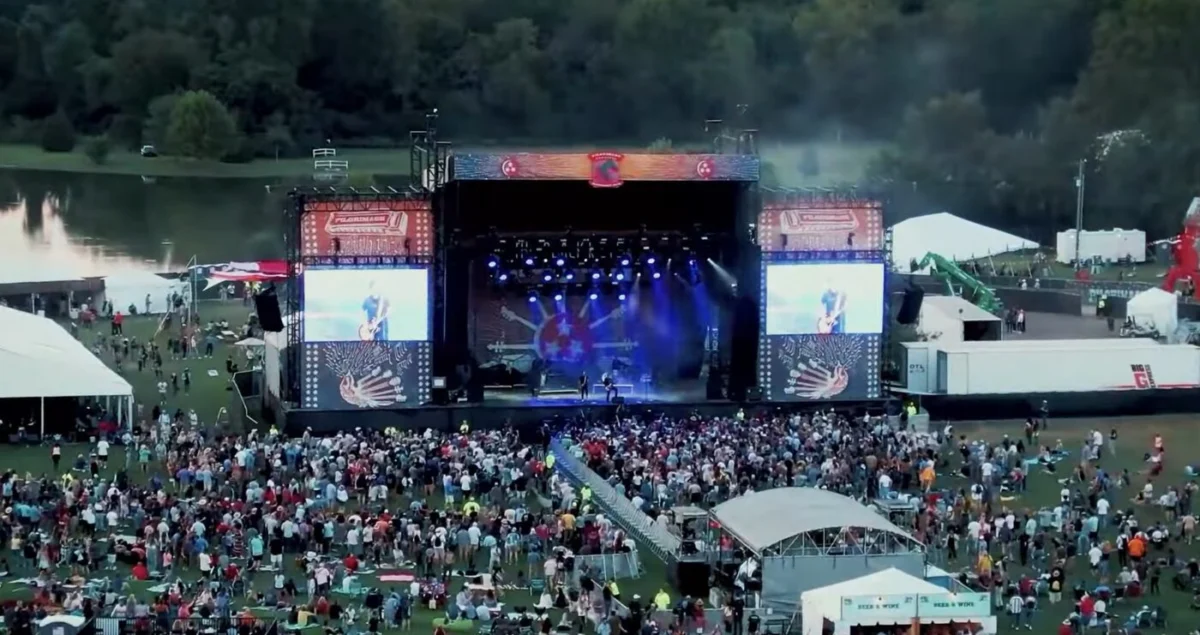
The Pilgrimage Music & Cultural Festival, a cornerstone of the Middle Tennessee live music scene for over a decade, has officially announced it will not take place in 2026. Organizers confirmed the decision in a public statement, characterizing the move as a strategic "pause" intended to facilitate a refreshed return in 2027. This development marks the latest in a series of high-profile festival cancellations and postponements across the United States, signaling broader economic and logistical challenges within the outdoor entertainment sector.
The festival, which has traditionally been held in late September at The Park at Harlinsdale Farm in Franklin, Tennessee, released a statement framed with optimism, despite the absence of a 2026 event. The announcement stated that the upcoming 2027 iteration would feature "new sights, new sounds, and new surprises," emphasizing that the hiatus is a necessary step to ensure the long-term viability and quality of the fan experience. However, the organization did not provide specific details regarding the underlying causes for the postponement, leaving industry analysts to weigh the news against a backdrop of rising production costs and fluctuating consumer demand.
A Decade of Cultural Significance in Franklin
Since its inception in 2015, the Pilgrimage Music & Cultural Festival has carved out a unique niche within the crowded festival market. Located just 20 miles south of Nashville, the event was co-founded by Kevin Griffin, lead singer of the band Better Than Ezra, along with W. Brandt Wood and Michael Whelan. Their vision was to create a "boutique" festival that moved away from the late-night, high-intensity atmosphere of events like Bonnaroo, focusing instead on a daytime, family-friendly schedule that highlighted the historic beauty of Franklin.
The festival’s identity was built on a curated blend of rock, Americana, country, and folk. It also prioritized local culture, featuring the "Makers Village" for Tennessee artisans, a "Kitchen and Beverage" program highlighting Southern cuisine, and the "Americana Music Triangle" tent, which educated attendees on the history of music in the South. Over the years, the event grew into a significant economic driver for Williamson County, consistently drawing approximately 20,000 attendees per day and contributing millions of dollars in local tax revenue and tourism spending.
Chronology of Major Milestones and Performance
The trajectory of the Pilgrimage Festival has been marked by both rapid growth and occasional logistical hurdles. Understanding the timeline of the event provides context for the current decision to pause operations.
- 2015: Inaugural Launch. The festival debuted with a lineup featuring Willie Nelson, Wilco, and Weezer. It immediately gained praise for its organization and the scenic backdrop of the 200-acre Harlinsdale Farm.
- 2017: Record Growth. Justin Timberlake, a Franklin resident and festival partner, headlined the event. His involvement catapulted the festival into the national spotlight, leading to record-breaking ticket sales and a surge in regional tourism.
- 2018: The "Washout" Year. A significant turning point occurred in 2018 when severe weather forced a total cancellation of the festival’s second day. Thousands of fans were evacuated due to lightning and heavy rain. While refunds were issued, the event faced significant financial strain and criticism regarding its weather contingency protocols.
- 2021: Post-Pandemic Return. Following a mandatory cancellation in 2020 due to the COVID-19 pandemic, the festival returned in 2021 with headliners Dave Matthews Band and Maren Morris. The return was seen as a triumph for the local live music economy.
- 2023: Peak Commercial Success. The 2023 festival was anchored by Zach Bryan and The Lumineers. Bryan’s massive popularity led to a rapid sell-out of tickets, marking one of the most successful years in the event’s history.
- 2024: The Final 11th Year Performance. The most recent festival, held in September 2024, featured Kings of Leon and John Mayer. While the event was well-received by attendees, it took place amidst an increasingly difficult economic environment for mid-sized festivals.
Industry-Wide Trends: The Rise of the "Festival Pause"
The Pilgrimage Festival’s decision to skip 2026 is not an isolated incident. The live music industry is currently navigating what some experts call a "market correction." Several major festivals have recently announced similar hiatuses or permanent closures, citing "softer than expected demand" and the skyrocketing costs of artist fees and infrastructure.
In the past 12 to 18 months, several notable events have faced similar fates. The Watershed Festival in the Pacific Northwest, long considered the region’s premier country music event, announced it would not return in 2026. Similarly, the Faster Horses Festival in Michigan initially announced a 2025 pause to "reimagine" the event for 2026, only to later cancel the 2026 plans entirely. Other events, such as the Iron Hills and Country Roads festivals, have shuttered due to the inability to balance rising overhead with sustainable ticket pricing.
Data from industry reports suggest that while the very top tier of festivals—such as Coachella or Lollapalooza—remain resilient, mid-market festivals are struggling. According to recent live entertainment analytics, production costs for large-scale outdoor events have increased by an estimated 25% to 40% since 2019. These costs include everything from stage rigging and security to insurance premiums and diesel for generators. When combined with "talent inflation"—the rapidly rising cost of booking headlining acts—many festivals find their profit margins evaporated.
Economic Implications for Franklin and Nashville
The absence of the Pilgrimage Festival in 2026 will be felt beyond the music industry, impacting the local economy of Franklin and the greater Nashville area. Historically, the festival has served as a vital bookend to the summer tourism season.
Local businesses, particularly in Franklin’s historic downtown district, typically see a significant spike in revenue during the festival weekend. Hotels in Williamson County often reach 95% to 100% occupancy during the event, with room rates frequently doubling due to high demand. Additionally, the festival provided a platform for local vendors and non-profit organizations to reach a large, affluent demographic.
While the city of Franklin has not issued a formal statement regarding the 2026 hiatus, the loss of the event represents a temporary decline in municipal tax revenue derived from hotel occupancy taxes and sales taxes. For many locals, the festival was also a point of pride—a way to showcase the "quiet" side of the Nashville music scene in a setting that was more accessible and less chaotic than Broadway’s honky-tonk district.
Financial Realities for the Modern Festival-Goer
A critical factor in the recent wave of festival cancellations is the "affordability ceiling" for consumers. For a family of four to attend a weekend festival like Pilgrimage, the costs can be prohibitive. Beyond the base price of tickets—which often range from $250 to $600 for general admission—fans must account for parking, food, beverages, and often lodging.
In an era of high inflation, discretionary spending on luxury entertainment has come under increased scrutiny by households. When ticket prices rise to meet the increased costs of production, festivals often see a drop in "casual" attendees—those who are not die-hard fans of the headliners but attend for the social experience. Without this segment of the audience, mid-sized festivals struggle to reach the 20,000-plus daily attendance figures required to break even.
Furthermore, the "touring glut" has provided fans with more options than ever. Many of the artists who traditionally headline festivals are now embarking on massive solo stadium tours. For a consumer, the choice between spending $200 for a dedicated concert by their favorite artist or $500 for a festival weekend is increasingly tilting toward the former.
Analysis of the 2027 Return Strategy
The decision to frame the 2026 hiatus as a "pause" rather than a cancellation is a common tactic in the events industry intended to maintain brand equity and retain the loyalty of ticket holders and sponsors. However, history shows that returning after a full year off is a formidable challenge.
To successfully relaunch in 2027, the Pilgrimage Festival will likely need to address several key areas:
- Artist Procurement: Securing a "must-see" lineup that justifies the two-year wait and the likely higher ticket prices.
- Sponsorship Stability: Maintaining relationships with corporate partners who provide the necessary capital to front the costs of the event.
- Logistical Efficiency: Finding ways to streamline operations at Harlinsdale Farm to mitigate the rising costs of labor and materials.
The festival’s emphasis on "new sights and sounds" suggests that the organizers may be looking to diversify the event’s offerings or perhaps adjust the scale of the festival to ensure financial sustainability. Some industry insiders speculate that festivals may move toward smaller, more curated "micro-festival" models to lower overhead while maintaining high-ticket value.
Conclusion and Future Outlook
The Pilgrimage Music & Cultural Festival has been a defining element of the Middle Tennessee cultural calendar for eleven years, bridging the gap between Nashville’s "Music City" identity and Franklin’s historic charm. Its absence in 2026 is a sobering reminder of the volatility currently facing the live entertainment industry.
While the organizers remain publicly committed to a 2027 revival, the next 24 months will be a critical period of restructuring. As fans and local businesses look toward the future, the fate of the Pilgrimage Festival serves as a bellwether for the broader health of the American music festival circuit. Whether the event can successfully navigate the current economic headwinds and return with its promised "magic" remains to be seen, but for now, the stages at Harlinsdale Farm will remain silent through 2026.