Mia Khoirunisa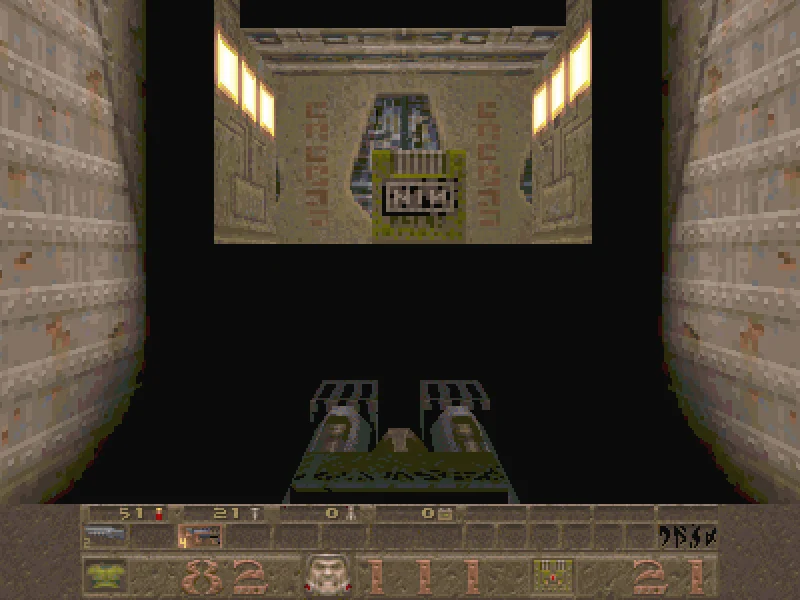
The year 1996 marked a seismic shift in the gaming landscape, not only due to the groundbreaking release of id Software’s Quake, a title that redefined the first-person shooter genre, but also because of the unprecedented collaboration that brought its chilling soundscape to life. In a move that underscored the profound camaraderie between the nascent world of digital entertainment and the burgeoning industrial rock scene, Trent Reznor and his band, Nine Inch Nails (NIN), created the game’s entire soundtrack and sound design without any financial compensation. This act of artistic goodwill, rooted in a shared passion for innovation, has since cemented the Quake soundtrack as a legendary and enduring piece of gaming history.
The genesis of this unique partnership can be traced back to the shared ethos of pushing boundaries that characterized both id Software and Nine Inch Nails during the mid-1990s. id Software, led by visionary programmers like John Carmack and John Romero, had already revolutionized PC gaming with titles such as Wolfenstein 3D and Doom. Their commitment to technological advancement and immersive gameplay was unparalleled. Simultaneously, Trent Reznor was emerging as a dominant force in the music industry, crafting a distinct sonic identity for Nine Inch Nails characterized by its dark, atmospheric, and often abrasive industrial sound. The mutual respect between these two creative powerhouses was palpable.
A Friendship Forged in Pixels and Sound
The offer from Reznor to score Quake was not a business transaction; it was an extension of a genuine friendship. In an era where game soundtracks were often composed by in-house teams or commissioned from lesser-known composers, NIN’s involvement was a radical departure. This philanthropic approach to creative collaboration was a testament to the shared belief that art, in all its forms, could transcend traditional commercial models. The understanding was simple: id Software was building a new world, and Nine Inch Nails would provide its sonic soul.
The game itself, released between late 1996 and early 1997 across various platforms, was a technical marvel. Its true 3D engine, a significant leap from the 2D sprites of its predecessors, allowed for unprecedented environmental detail and player freedom. The gameplay was a relentless, visceral experience, throwing players into a brutal, gothic-inspired dimension filled with grotesque monsters and a pervasive sense of dread. This atmosphere was precisely what Nine Inch Nails was uniquely positioned to amplify.
Crafting the Sonic Tapestry of Despair
The contribution of Nine Inch Nails to Quake extended far beyond mere background music. Reznor and his band members, including Chris Vrenna who played a crucial role in the sound design, were tasked with creating an entire audio ecosystem that would immerse players in the game’s oppressive world. This involved not only composing the iconic industrial-tinged musical score but also designing the myriad of environmental sounds, weapon effects, and creature noises that brought the horrors of Quake’s dimensions to life.
The soundtrack itself is a masterclass in atmospheric tension. Tracks like "Quake Theme," "Parallel Dimensions," and "The Hall of Souls" are characterized by their brooding synthesizers, distorted guitars, and industrial percussion. These elements were meticulously crafted to evoke feelings of isolation, fear, and the existential dread that permeates the game. The music was not just an accompaniment; it was an active participant in the player’s psychological journey, amplifying the suspense and the terror of each encounter.
Innovation in Sound Design: The Whispers of Horror
Chris Vrenna, in particular, shared insights into the innovative techniques employed to create the game’s disturbing soundscape. In a detailed interview with Bethesda, Vrenna revealed the meticulous process behind crafting the unsettling ambient sounds, particularly the use of whispers. He explained a production trick that involved layering multiple vocal performances from the band members. To avoid a muddy or monotonous effect, they strategically placed vocalists on different sides of the microphone and even utilized reversed audio files. This created a disorienting and spectral quality, making the whispers feel genuinely otherworldly.
"There’s a production trick with whispers: if you do all of it yourself, it gets all cluttered because it’s the same timbre, the same voice just on top of each other," Vrenna recounted. "We would get each one of us on one side and two others on another side (of the mic) and then we would take some of those vocals and then flip the whole audio file backwards. Man, I forgot all about that. You’re making me remember all this stuff, ha!"
This dedication to sonic detail was evident throughout the soundtrack. The guttural roars of the Shambler, the menacing clicks of the Fiend, and the chilling screams of the player character (often Trent Reznor himself at the end of the title theme) were all designed to heighten the player’s sense of vulnerability and dread. The sound design for Quake was not merely functional; it was a critical element in the game’s success, contributing significantly to its reputation as a groundbreaking horror experience.
A Legacy Reimagined: Vinyl and Modern Appreciation
While Quake was released in the mid-1990s, the appreciation for its sonic achievements has only grown over time. The recent release of the soundtrack on vinyl in 2023 by Laced Records, in collaboration with id Software and Trent Reznor, marked a significant moment for both gaming and music enthusiasts. This re-release, accompanied by expanded packaging and high-fidelity audio, provided a tangible way for fans to experience the soundtrack in a format that has seen a resurgence in popularity.
The vinyl release, while arriving decades after the game’s initial launch, underscores the enduring impact of Reznor’s work. The author of the original piece humorously notes the perceived lateness of a vinyl release for a game that debuted in the late 90s, suggesting a CD format might have been more contextually appropriate at the time. However, the modern vinyl revival has allowed for a new generation to connect with this seminal soundtrack, experiencing its raw power and atmospheric depth.
Beyond its gaming context, the Quake soundtrack has found a life of its own. It has become a go-to for individuals seeking to enhance their focus or create a specific mood, whether for demanding tasks like tax preparation or simply for personal reflection. The "survival horror" aesthetic, inherent in the music, resonates with a broader audience seeking immersive and intense sonic experiences.
The Architects of a Revolution
The creation of Quake was a monumental undertaking, driven by the collective genius of id Software’s development team. Alongside Carmack and Romero, key figures like Sandy Petersen, American McGee, and Tim Willits were instrumental in shaping the game’s design and technical foundation. Their collaborative spirit, much like that of Reznor and NIN, was a hallmark of the era’s innovation.
The success of Quake was not a singular event but a culmination of years of iterative development and a fearless approach to pushing technological and artistic boundaries. The partnership with Nine Inch Nails was a pivotal element in this success, demonstrating how cross-disciplinary collaboration could yield results far greater than the sum of its parts.
Enduring Impact and Cultural Significance
The Quake soundtrack stands as a powerful example of how music and interactive entertainment can converge to create something truly extraordinary. It demonstrated that game scores could transcend simple accompaniment and become integral components of a narrative and emotional experience. The fact that this iconic work was gifted to the gaming community, born out of friendship and a shared passion for innovation, elevates its cultural significance.
In a contemporary landscape where creative industries often face commercial pressures and where the lines between art and commerce can seem increasingly blurred, the story of Nine Inch Nails and Quake serves as an inspiring reminder of the power of artistic integrity and genuine collaboration. It highlights a time when creative endeavors could be fueled by mutual respect and a desire to contribute to something groundbreaking, without the immediate expectation of financial return.
The legacy of Quake‘s soundtrack is not confined to the annals of gaming history; it is a testament to the symbiotic relationship between different art forms and the enduring power of visionary artists to shape our cultural landscape. The sounds of Quake continue to echo, a dark and potent symphony that forever changed the way we experience virtual worlds.
Further Exploration
For those seeking a deeper dive into this remarkable collaboration, a half-hour documentary by The Yetti Den, titled "Nailing the Sound of Horror: NIN + id," offers comprehensive insights into the creation of the Quake soundtrack. This documentary provides a fascinating look at the creative process and the historical context of this groundbreaking partnership. Additionally, contemporary reviews of Quake itself continue to affirm its lasting impact, with many acknowledging its timeless gameplay and the profound influence of its audio design.
The enduring appeal of Quake also invites a look back at the broader history of id Software and its impact on the gaming industry. Forerunners like Commander Keen and the cult classic Dangerous Dave represent earlier milestones in the company’s journey, showcasing a consistent drive for innovation that ultimately led to the creation of Quake and its legendary, friendship-fueled soundtrack. This journey underscores a continuous evolution in interactive entertainment, where technological prowess and artistic vision have consistently converged to redefine the possibilities of the medium.