Nayara Elvina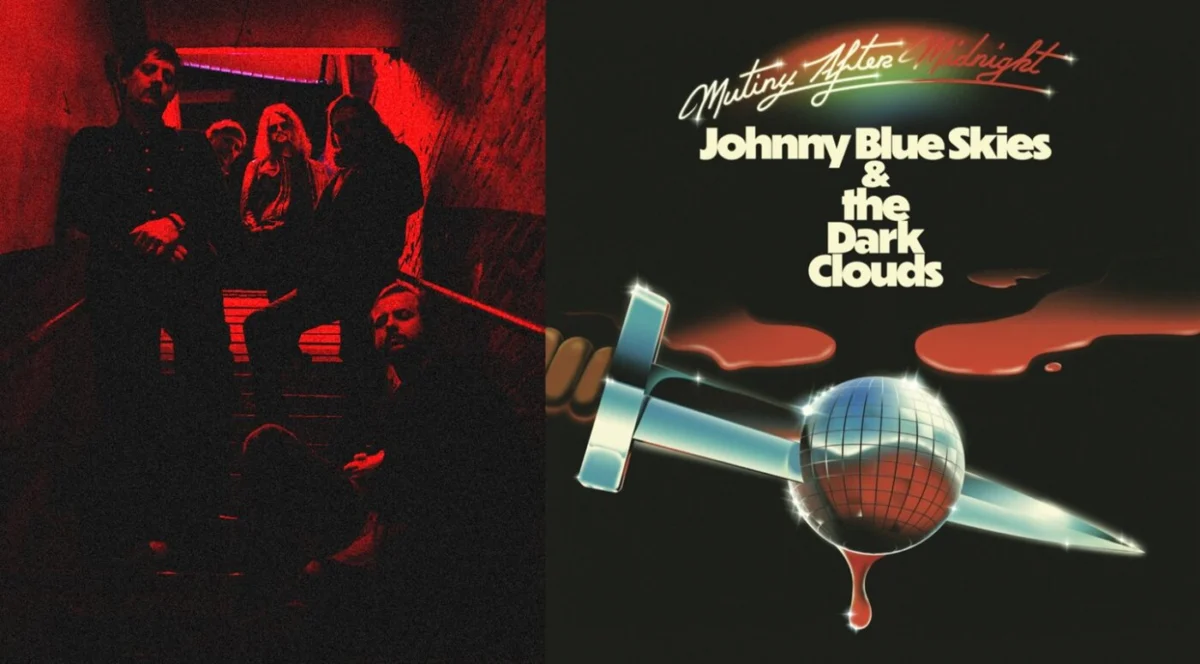
The contemporary music landscape is almost entirely defined by the ubiquity of digital streaming platforms, which dictate the success and visibility of modern artists. However, Sturgill Simpson, performing under his new pseudonym Johnny Blue Skies, has fundamentally challenged this industry standard. With the release of his latest album, Mutiny After Midnight, Simpson has secured a landmark achievement that underscores the enduring power of physical media and the loyalty of a dedicated fanbase. By eschewing an initial digital release in favor of a physical-only strategy, Simpson has not only defied market expectations but has also set a new precedent for independent and "cult hero" artists in the 21st century.
On the most recent Billboard 200 albums chart, Mutiny After Midnight debuted at the number three position, an extraordinary feat for a release that was unavailable on major streaming services like Spotify, Apple Music, or Amazon Music during its tracking week. The album moved 59,000 units in its first seven days, with every single unit attributed to physical sales, including vinyl records, compact discs, and cassette tapes. This performance marks a career high for Simpson, tying his 2016 Grammy-winning masterpiece, A Sailor’s Guide to Earth, for his highest-charting position on the all-genre Billboard 200.
A Chronology of Tactical Chaos: The Mutiny After Midnight Rollout
The path to this commercial success was marked by a series of unconventional decisions that Simpson himself described as being fueled by a "sense of immediacy" and a desire for "chaos." The rollout began on February 13, when Simpson officially announced the album’s title and its scheduled release date of March 13. The most striking element of the announcement was the declaration that the album would be released exclusively on physical media. In an era where even major pop stars rely on "pre-saves" and streaming algorithms to drive chart positions, Simpson’s decision to lock his music behind a physical paywall was viewed by industry analysts as a high-stakes gamble.
The strategy took an unexpected turn on March 1, nearly two weeks before the official release. In a move that surprised both fans and his own distribution partners, Simpson "leaked" the entirety of Mutiny After Midnight on YouTube. Accompanying the upload was a brief social media message: “Ooops…. might’ve just posted the whole fuk’n album on YouTube…. for the real ones.” For eight days, the album was available for free streaming on the platform, allowing the public to hear the work before they could purchase it. On March 9, the videos were removed, returning the album to its "physical-only" status just days before the March 13 street date.
Upon the official release, Simpson clarified the rationale behind the self-leak and the physical-only window. He explained that the decision was rooted in a desire to support independent record stores and to protect the "mystical bond" that occurs when a listener holds a tangible piece of art while experiencing it for the first time. Furthermore, the early YouTube upload was a preemptive strike against third-party leakers and "opportunists" who might have sought to profit from unauthorized digital versions of the record.
Statistical Significance and Historical Context
The commercial performance of Mutiny After Midnight is not merely a personal victory for Simpson; it is a statistical anomaly in the modern record industry. By reaching the Top 10 of the Billboard 200 without a streaming component, Simpson has joined an elite and very short list of artists. The last artist to achieve a Top 10 debut with a physical-only release was Taylor Swift in May 2023 with Folklore: The Long Pond Studio Sessions. However, Swift’s release was a Record Store Day-exclusive vinyl of a previously released live session, rather than a brand-new studio album.
Prior to Swift, the last artist to achieve this feat was country legend Garth Brooks with his box set The Anthology in 2017. When looking specifically at original, non-exclusive studio albums, Simpson’s debut at number three represents the strongest physical-only performance in over 15 years. This achievement is further magnified by the fact that Simpson operates as an independent artist through his own label structures, lacking the massive marketing budgets of the major label systems that support artists like Swift or Brooks.
In addition to its position on the Billboard 200, Mutiny After Midnight dominated several genre-specific and format-specific charts. The album debuted at number one on:
- Billboard’s Top Album Sales chart
- Top Rock & Alternative Albums chart
- Americana/Folk Albums chart
- Vinyl Albums chart
- Indie Store Album Sales chart
This "double-up" on the Rock and Americana charts highlights Simpson’s unique cross-genre appeal, while the number one spot on the Vinyl Albums chart marks the fifth time in his career he has led that specific category.
The Economic and Philosophical Protest Against Streaming
The decision to delay streaming availability is increasingly seen as a form of protest against the current economic model of the music industry. For independent artists, the payout per stream—often estimated at between $0.003 and $0.005 per play—makes it difficult to recoup production costs without millions of listeners. By focusing on physical sales, Simpson ensures a higher profit margin per unit sold, which directly benefits the artist and the independent retailers who stock the product.
In a statement released alongside the album, Simpson noted: "We had originally planned a physical only release for at least the first 4 to 6 weeks to support and show solidarity with independent record shops and to promote an increasingly bygone physical and tangible connection between music and music fans." This sentiment resonates with a growing movement of audiophiles and collectors who argue that the convenience of streaming has devalued music as an art form.
The success of Mutiny After Midnight serves as a "proof of concept" for this philosophy. It suggests that for artists with a sufficiently loyal "cult" following, the traditional retail model is still viable. Simpson’s fanbase, which has followed him through shifts from traditional country to psychedelic rock, bluegrass, and now the "Johnny Blue Skies" era, proved willing to visit physical storefronts or wait for mail-order deliveries rather than waiting for a digital upload.
Industry Implications and the "Johnny Blue Skies" Identity
The shift to the Johnny Blue Skies moniker is another layer of Simpson’s career-long commitment to reinvention. Having previously stated that he would only release five studio albums under his own name—a goal he completed with The Ballad of Dood and Juanita—the transition to Johnny Blue Skies allows him to continue his creative output without breaking his self-imposed rule. Mutiny After Midnight, characterized by its 44-minute runtime and a blend of "swampy" rock and introspective lyricism, has been met with critical acclaim that matches its commercial success.
The industry implications of this release are significant. Labels and independent artists are likely to analyze the Mutiny After Midnight rollout as a potential blueprint for future "event" releases. While the "physical-only" model may not be sustainable for pop artists reliant on viral hits and playlisting, it offers a pathway for established artists to regain control over their intellectual property and financial outcomes.
Furthermore, the surge in sales reinforces the ongoing "vinyl revival." According to RIAA data, vinyl sales have seen consistent year-over-year growth for nearly two decades, frequently outperforming CD sales in total revenue. Simpson’s ability to move 59,000 physical units—a number that many mainstream artists struggle to reach even with streaming included—highlights the market’s appetite for high-quality, collectible physical products.
Future Outlook and Digital Transition
While the initial rollout was strictly physical, Simpson has signaled that Mutiny After Midnight will eventually be made available on digital streaming platforms. This "windowing" strategy—releasing on one format before another—is common in the film industry but rare in modern music. By the time the album hits streaming services in the coming months, Simpson will have already secured his chart positions and maximized his revenue from physical sales.
Currently, only one track, "Situation," is available for official digital consumption. The song serves as a gateway for listeners who have not yet purchased the physical record, maintaining interest while the album continues to circulate through independent record stores.
Simpson’s reaction to the news of his chart success was characteristically succinct. Posting an image of the cartoon character Popeye to social media, he added the caption: "Put that in yer pipe and smoke it…" The statement reflects the artist’s long-standing friction with the Nashville establishment and his satisfaction in succeeding on his own terms. As Mutiny After Midnight continues its run, it stands as a testament to the fact that in a digital world, there is still a massive audience eager for the "almost mystical bond" of a tangible record.