Reynand Wu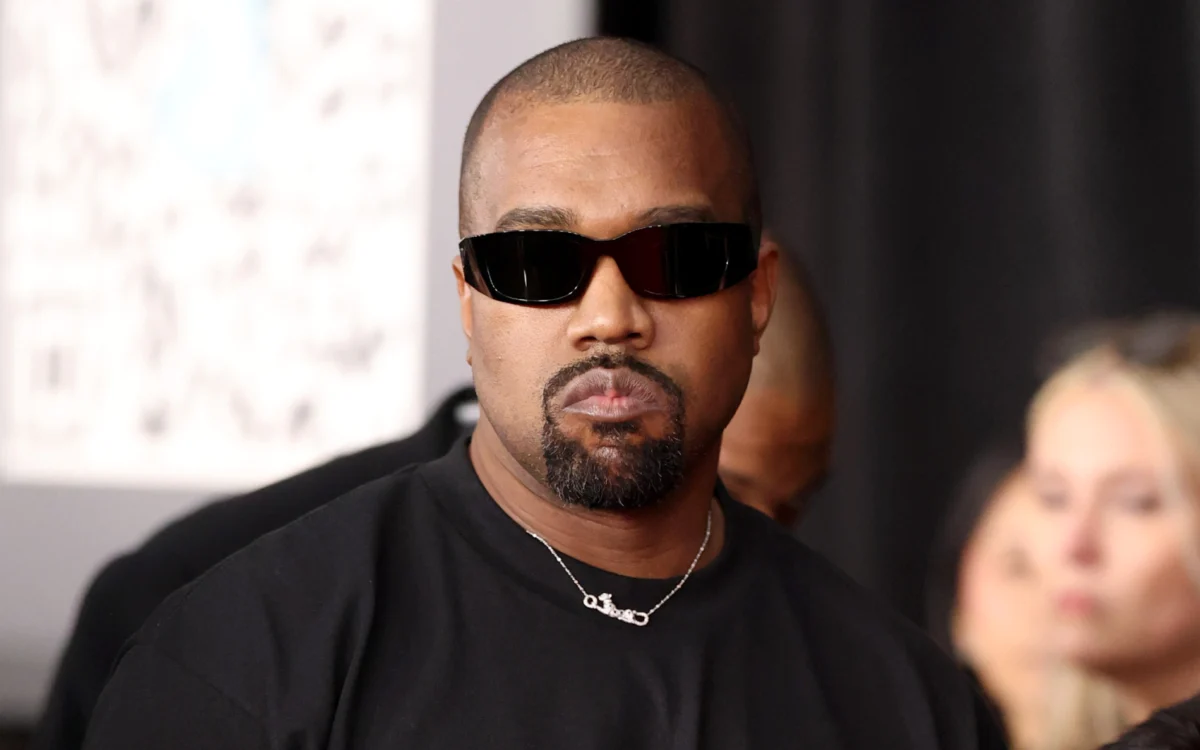
Global music icon Kanye West, also known as Ye, has officially unveiled the tracklist for his highly anticipated 12th studio album, Bully, just days before its scheduled release on Friday, March 27, 2026. The announcement, made through a rare social media post, also carried a significant clarification regarding the album’s production, directly addressing previous speculation about the use of artificial intelligence in its creation. This imminent release marks Ye’s first solo project since 2021’s Donda, arriving amidst a period of intense public scrutiny following a series of controversies and a recent public apology for antisemitic remarks.
The Anticipated Arrival of Bully
On Wednesday, March 25, 2026, Ye took to X (formerly Twitter) to share a photograph of a handwritten tracklist, confirming the long-awaited details of Bully. The image, accompanied by the definitive caption "BULLY ON THE WAY NO AI," immediately set the music world abuzz. The album, slated for release via Gamma, will feature 18 tracks, signaling a substantial body of work from the prolific artist. Among the titles revealed are "Preacher Man," "Beauty and the Beast," and "Damn," some of which have been previously heard or teased in various forms, building anticipation for their official studio versions.
While a comprehensive list of producers and guest vocalists remains under wraps, industry whispers suggest the involvement of several key collaborators. Longtime associate and renowned producer Mike Dean, celebrated for his distinctive sound engineering and synth contributions to many of Ye’s seminal works, is confirmed to be part of the project. Furthermore, rumors point to a potential feature from Travis Scott on a track titled "Father," which, if true, would reunite two of the most influential figures in contemporary hip-hop. The meticulous rollout of information, characteristic of Ye’s album cycles, has only intensified the excitement surrounding Bully, positioning it as a pivotal moment in his career.
The Shifting Narrative on AI in Music Production
One of the most striking revelations accompanying the tracklist announcement was Ye’s emphatic declaration of "NO AI." This statement directly contradicts previous pronouncements where the artist openly discussed experimenting with and potentially utilizing artificial intelligence in the creative process for his music. In a 2025 interview with Justin Laboy, Ye delved into his exploration of AI’s capabilities, particularly its application in vocal manipulation and sample separation.
During that interview, Ye showcased an AI program, stating, "It’s time for me to explain to people the power of AI in music. You can take any song and separate it — just get the vocals, the bassline, the drums. So when I send a song for a sample to my engineers, I just say, ‘JS, AI.’ Me and my engineer, John Scott, we’re speaking in, like, digital THX [language]." This earlier discourse suggested a cutting-edge, if controversial, approach to album creation, sparking debates within the music industry about authenticity, copyright, and the evolving role of technology in artistry.
The rapid advancements in AI during the mid-2020s led to significant discussions about its ethical and practical implications in music. Artists like Grimes and Holly Herndon had already experimented with AI-generated vocals or compositions, while other musicians and industry bodies raised concerns about unauthorized use of artists’ voices and intellectual property. Major labels and streaming services began implementing policies to identify and potentially restrict AI-generated content, creating a complex landscape for artists looking to innovate. Ye’s initial embrace of AI, given his history of pushing boundaries, was met with both intrigue and skepticism.
His recent "NO AI" clarification therefore marks a notable pivot. While the exact reasons for this change of heart or public statement are not fully elaborated, it could stem from a desire to reassure fans about the organic nature of his artistry, to avoid potential legal or ethical quagmires surrounding AI usage, or simply to emphasize the human element in his creative process. Despite the earlier flirtation with advanced technology, Ye also highlighted a commitment to traditional methods, stating he "chopp[ed] up all the samples by hand," reinforcing the idea of a meticulously crafted, human-driven sound. This blend of traditional sampling techniques with a consideration for modern production tools underscores Ye’s ongoing evolution as an artist.
A Deeper Look into Bully‘s Artistic Vision
Beyond the technical aspects, Ye has offered insights into the thematic and sonic direction of Bully. He described the album as a more "positive" record, a sentiment that might surprise some given the album’s confrontational title. Drawing parallels to iconic albums, he stated, "This is more the way I remember Lauryn Hill’s album. I feel like [Bully] is my Miseducation, my Gnarls Barkley album."
The comparison to Lauryn Hill’s The Miseducation of Lauryn Hill (1998) is particularly significant. Hill’s debut solo album was a critically acclaimed and commercially successful masterpiece that blended hip-hop, R&B, soul, and reggae with profound lyrical themes of love, spirituality, and social commentary. Its raw honesty, musicality, and cultural impact set a high bar for any artist making such a comparison. Similarly, Gnarls Barkley’s St. Elsewhere (2006), known for its eclectic mix of genres, retro-futuristic sound, and the breakout hit "Crazy," represented a fresh, innovative approach to popular music.
By invoking these albums, Ye appears to be signaling a return to a more soulful, introspective, and perhaps genre-bending sound, distinct from the more abrasive or experimental phases of his career. The chosen title, Bully, while seemingly contradictory to a "positive" record, is explained by Ye as a challenge to conventional perceptions. "I know the title Bully has a connotation that a lot of people are anti-bully, but we can bring it… I’m just hyper-next-level frequency right now," he articulated, suggesting a recontextualization of the term, perhaps embracing a sense of defiant confidence or a readiness to confront societal norms, rather than promoting aggression. This aligns with Ye’s long-standing artistic persona, which often challenges expectations and provokes thought through unconventional means.
Navigating Controversy: Ye’s Path to Redemption
The release of Bully is inextricably linked to the significant personal and professional challenges Ye has faced in recent years. This album marks his first major project since he issued a comprehensive apology for a pattern of antisemitic behavior that had spanned years, leading to severe repercussions. The controversies, which included inflammatory remarks made in interviews, on social media, and during public appearances, resulted in the termination of highly lucrative business partnerships with global brands like Adidas and Gap. These cancellations had a profound financial impact, eradicating his status as a billionaire and threatening to irrevocably tarnish his otherwise monumental legacy in music, fashion, and culture.
In a full-length letter published earlier in March 2026 in The Wall Street Journal, the Chicago native expressed "deep regret" for his actions. In a surprising turn, he attributed these behaviors to undiagnosed brain injuries sustained during his infamous 2002 car accident. This accident, which nearly claimed his life and inspired the song "Through the Wire," has been a recurring theme in discussions of his mental health and creative output.
In his apology, Ye wrote, "In that fractured state, I gravitated toward the most destructive symbol I could find, the swastika, and even sold T-shirts bearing it. I regret and am deeply mortified by my actions in that state, and am committed to accountability, treatment, and meaningful change. It does not excuse what I did though. I am not a Nazi or an antisemite. I love Jewish people." This public statement, coming after a protracted period of silence on the issue, was met with a mixed reception. While some viewed it as a necessary step towards reconciliation and personal growth, others remained skeptical, citing the timing ahead of an album release and the severity of his past remarks. The apology itself highlights the immense pressure and the high stakes involved in his return to the public sphere.
The impact of his controversies on his business empire was substantial. The termination of the Adidas Yeezy partnership alone, which was reportedly generating billions in annual sales, sent shockwaves through the fashion and footwear industries. Gap’s decision to end their collaboration, despite initial excitement around the Yeezy Gap line, underscored the growing intolerance for hate speech from corporate partners. These events served as a stark reminder of the power of public opinion and corporate responsibility in the modern era, demonstrating that even cultural titans are not immune to the consequences of their actions.
Commercial Strategy and Global Tour
The release of Bully is not just an album drop; it is part of a broader strategic re-entry into the global music landscape. The album will be distributed by Gamma, a relatively new media and entertainment company founded by Larry Jackson and Ike Youssef, which aims to empower artists with greater control over their intellectual property. This partnership suggests a new chapter in Ye’s commercial dealings, moving away from traditional major label structures that might have been less forgiving of his recent past.
Furthermore, Bully will be supported by an extensive global tour, signaling Ye’s intent to reconnect directly with his fanbase. The tour dates include two highly anticipated performances at Los Angeles’ SoFi Stadium on April 1 and 3, 2026, which are expected to be massive events, potentially showcasing new stage designs and visual elements. Following these domestic dates, Ye is scheduled to embark on an international leg, with concerts planned across India, Turkey, France, the Netherlands, Italy, and Spain between June and August 2026. This global reach underscores his enduring international appeal, despite the controversies that have largely been centered in Western media. The tour not only serves to promote the new album but also acts as a powerful statement of his continued presence and influence in the global music scene.
Implications for Ye’s Legacy and the Music Industry
The release of Bully carries significant implications for Ye’s long-term legacy. Historically, Ye has been celebrated as a visionary artist, producer, and fashion innovator, responsible for pushing the boundaries of hip-hop and popular culture. Albums like The College Dropout, My Beautiful Dark Twisted Fantasy, and 808s & Heartbreak are considered modern classics, influencing generations of musicians. However, his recent controversies have cast a long shadow over these achievements, prompting a reevaluation of his place in cultural history.
Bully represents a critical juncture. Its reception, both critically and commercially, will indicate the extent to which the public and the industry are willing to separate the artist from his past transgressions, or if his apology has been sufficient to begin rebuilding trust. The "NO AI" declaration, in particular, could be interpreted as a strategic move to emphasize authenticity and craftsmanship, appealing to purists and those wary of synthetic art.
Industry analysts will be closely watching Bully‘s chart performance, streaming numbers, and critical reviews. A strong showing could signify a path towards rehabilitation and a renewed focus on his artistic contributions. Conversely, a lukewarm reception could indicate that the controversies have had a more lasting impact than anticipated, making his return a more arduous journey. Beyond Ye himself, the album’s rollout and reception will also provide insights into the evolving dynamics of artist-fan relationships in an era where social media amplifies both artistic triumphs and personal failings. It will test the boundaries of cancel culture and the potential for public figures to stage a comeback after severe reputational damage.
Ultimately, Bully is more than just an album; it is a cultural event, a litmus test for redemption, and a testament to the enduring, albeit complicated, power of one of the most polarizing figures in modern entertainment. As the release date approaches, the anticipation mounts, not just for the music itself, but for the next chapter in the complex narrative of Kanye West.