Johan Budi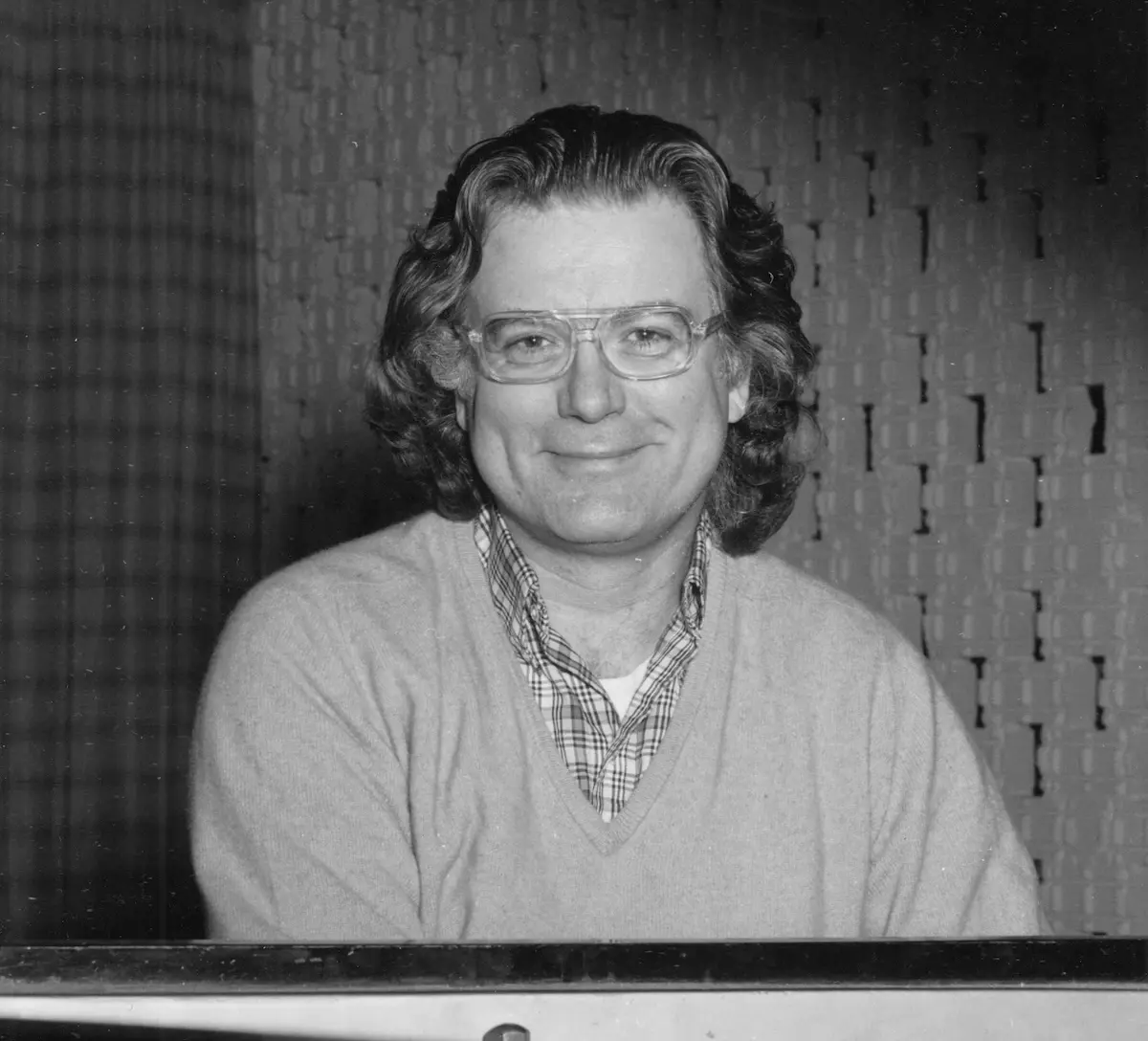
The preservation of pre-war piano traditions represents one of the most significant efforts in the contemporary jazz landscape, a task recently undertaken with remarkable skill by American pianist Dick Wellstood during a rare appearance at the Seven Dials in Shelton Street. This performance, facilitated by the Jazz Centre Society, serves as a poignant reminder of the technical and improvisational heights reached during the era of stride piano, a genre that historians widely recognize as the finest flowering of solo improvising since the days of Ludwig van Beethoven. As Wellstood navigates his wayward tour of Britain, his presence in the capital highlights the stark contrast between the sophisticated, "two-fisted" artistry of masters like Fats Waller and the diluted, often amateurish versions of the style found in modern pub environments.
The Evolution and Significance of the Stride Tradition
The stride piano style, which emerged primarily in Harlem during the 1920s, was the bridge between ragtime and the modern jazz era. It is characterized by a "striding" left hand that alternates between a bass note or a tenth on the first and third beats and a chord on the second and fourth beats. This rhythmic foundation allows the right hand to engage in complex, highly syncopated melodic improvisations. Historically, this tradition produced a lineage of virtuosos including James P. Johnson—often called the "Father of Stride Piano"—alongside Fats Waller, Earl Hines, and Art Tatum.
The technical demands of this genre are immense. Unlike the more restrained ragtime, stride allows for greater swing and a more aggressive, orchestral approach to the keyboard. James P. Johnson’s 1921 recording of "Carolina Shout" became the benchmark for the genre, a piece so difficult it served as a "test piece" for any aspiring pianist in the Harlem "rent party" scene. The subsequent rise of Fats Waller brought the style to a wider audience, blending technical brilliance with a comedic sensibility that, while popularizing the music, perhaps obscured the profound complexity of the underlying compositions.
Dick Wellstood: A Virtuoso of Individual Interpretation
In the current musical climate, Dick Wellstood stands as one of the few remaining practitioners capable of executing this repertoire with both the necessary technical "fire" and a modern, sensitive touch. During his performance at the Seven Dials, Wellstood demonstrated a vast repertoire that spans the works of Duke Ellington, Scott Joplin, Fats Waller, and James P. Johnson. His approach is notably devoid of the "musical archaeology" often found in revivalist movements; instead, he functions as a one-man repertory company, reinterpreting these classic works through a totally individual lens.
Observers of Wellstood’s performance frequently comment on his nonchalant disposition. He plays with an ease that belies the mental and physical exertion required to maintain the stride rhythm while executing lightning-fast right-hand runs. His fingers follow a mental process that is described as "thinking like lightning," ensuring that every improvisational turn is both logical and emotionally resonant. This level of mastery is increasingly rare, as the stride tradition has largely been relegated to what critics describe as the "bastardized form of pub piano," where the nuance of Waller’s artistry is replaced by ham-fisted amateurism.
The Role of the Jazz Centre Society and the Seven Dials Venue
The appearance of Dick Wellstood was made possible by the Jazz Centre Society (JCS), an organization that has remained at the forefront of promoting jazz in the United Kingdom since its inception in 1969. The JCS has been instrumental in providing platforms for both international stars and local talent, often utilizing unconventional or intimate venues to foster a closer connection between the performer and the audience.
The Seven Dials in Shelton Street provided a congenial atmosphere for such an event. Enhanced by the availability of traditional Young’s bitter beer, the venue offered a setting that mirrored the "congenial haunts" of the early 20th-century jazz scene. The success of the evening underscored the importance of dedicated jazz spaces in London, a city where the demand for high-quality, authentic performance remains high despite the fluctuating popularity of the genre in mainstream media.
Chronology of the Stride Era and its Modern Resurgence
To understand the weight of Wellstood’s performance, one must look at the timeline of the stride tradition’s development and its eventual decline:
- 1910s–1920s: The emergence of Harlem Stride. James P. Johnson perfects the style, influenced by ragtime and blues.
- 1930s: The "Golden Age." Fats Waller becomes a global superstar, and Art Tatum pushes the technical boundaries of the piano to their absolute limits, influencing both jazz and classical musicians.
- 1940s–1950s: The rise of Bebop. The focus of jazz shifts toward smaller ensembles and different rhythmic structures, leading to a decline in the popularity of solo stride piano.
- 1960s–1970s: The "Revivalist" period. Artists like Dick Wellstood and Ralph Sutton begin touring extensively, seeking to preserve and innovate within the stride framework for a new generation.
- Present Day: The performance at Seven Dials represents a critical moment in this ongoing effort to keep the tradition alive against the tide of commercial simplification.
Supporting Act: The Excellence of Bruce Turner
The evening was further enriched by the presence of the relief band led by Bruce Turner. A stalwart of the British jazz scene, Turner is often visually compared to the comedian Spike Milligan, yet his musical output is of the highest caliber. As an alto saxophonist, Turner has developed a reputation for having one of the warmest and shrewdest tones in the industry.
While his set at the Seven Dials took time to reach its peak intensity, Turner eventually found his stride, playing with a level of possession and energy that solidified his status as one of the best alto saxophonists Britain has ever produced. The synergy between Wellstood’s American stride mastery and Turner’s British swing-inflected alto provided a comprehensive overview of the transatlantic jazz exchange that has defined the genre for decades.
Broader Implications for Jazz Education and Performance
The disparity between the quality of performance offered by Wellstood and the general public’s perception of "old-fashioned" piano music raises significant questions about the state of musical education and cultural preservation. The comparison made between the popularity of Mantovani and the relative obscurity of Mozart in the public consciousness is particularly apt here. While stride piano is often dismissed as nostalgic or simplistic by the uninitiated, it represents a peak of human improvisational achievement.
If the UK were a society that prioritized artistic merit in its broadcasting, figures like Dick Wellstood would arguably be household names, appearing on television with the frequency of pop stars. Instead, his presence is limited to a "wayward tour" around Britain, accessible only to those "alerted" enough to seek him out. This scarcity highlights the precarious nature of specialized art forms; without the intervention of organizations like the Jazz Centre Society and the patronage of dedicated listeners, these traditions risk being lost to the "ham-fisted" versions that dominate the casual listener’s experience.
Analysis of the Event’s Impact
The performance at Seven Dials is more than just a concert; it is a cultural data point indicating the continued viability of pre-war jazz in a modern urban setting. Data from the Jazz Centre Society suggests that while the audience for such music is niche, it is intensely loyal and intellectually engaged. The "congenial haunt" of the Seven Dials was filled not just by casual drinkers, but by those who recognize the historical weight of the music being performed.
The implications for the future of jazz in London are twofold. First, there is a clear need for continued support of international touring artists who represent the "living history" of the genre. Second, the success of Bruce Turner’s set proves that British jazz musicians are more than capable of standing alongside their American counterparts, provided they are given the platform to develop their unique voices.
In conclusion, Dick Wellstood’s visit to London serves as a masterclass in the preservation of an art form. By reinterpreting the works of Joplin, Waller, and Ellington with a modern sensibility, he ensures that stride piano remains a living, breathing tradition rather than a museum piece. For the residents of London who missed the opportunity to witness this display of "lightning" thought and "two-fisted" artistry, the loss is significant. As Wellstood continues his tour, the message to jazz enthusiasts is clear: catch him if you can, for such displays of dedicated, nimble, and sensitive musicianship are increasingly rare in the contemporary age.