Kholidah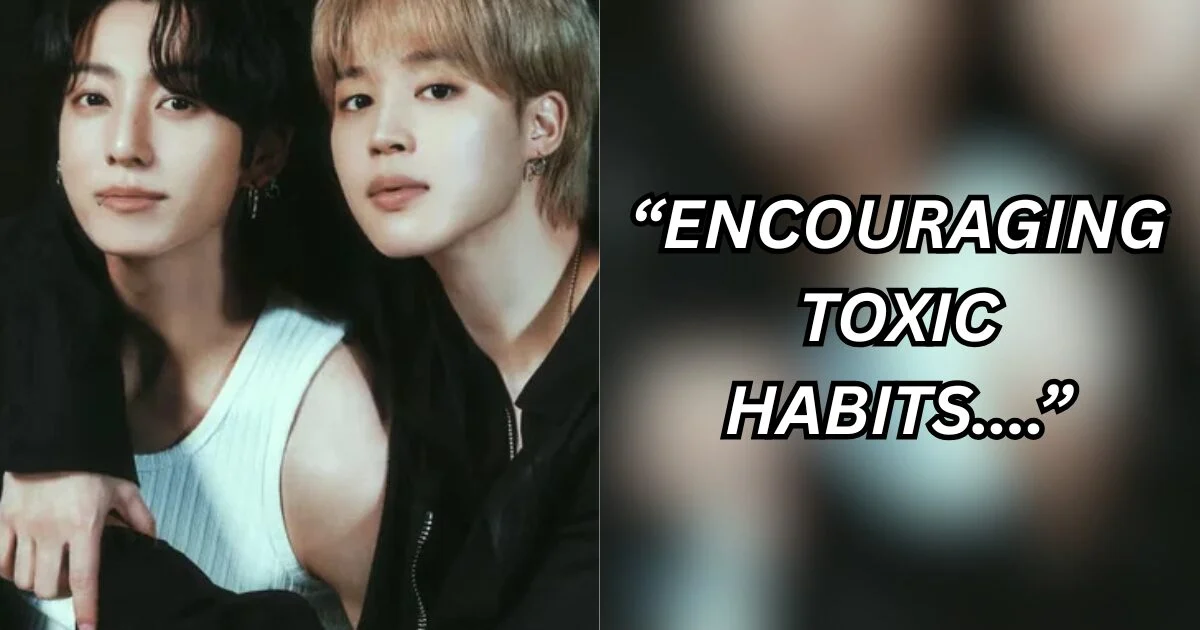
The resurgence of these comments has sparked a polarized reaction. While many fans defend the artists by citing the immense pressure of the entertainment industry, a significant portion of the public and mental health advocates have expressed alarm. The controversy is particularly poignant given BTS’s historical association with the "Love Yourself" campaign, a multi-year initiative in partnership with UNICEF aimed at promoting self-acceptance and mental well-being. The disconnect between a message of self-love and the endorsement of starvation-based weight loss has led to accusations of hypocrisy and concerns regarding the promotion of disordered eating habits.
The Origin and Context of the Controversial Remarks
The interview in question was filmed as part of the promotional cycle for Are You Sure?!, a Disney+ original series that follows Jimin and Jungkook as they travel to various locations, including New York, Jeju Island, and Sapporo. The show itself is often centered around the duo enjoying local cuisines and leisure activities, which makes the subsequent comments about extreme dieting appear jarring to many viewers. During the segment with the Japanese program Mezamashi TV, the interviewer sought to highlight the positive aspects of their recent activities.
Jimin’s admission that his weight loss was achieved through "not eating" was delivered with a degree of hesitation, yet he concluded that there was "no other answer" for those seeking to lose weight effectively. Jungkook’s contribution—advocating for running alongside fasting—reinforced the idea that extreme measures are a standard requirement for maintaining the aesthetic expectations of a global pop star. When the interviewer asked if they felt a sense of deprivation or sadness regarding these restrictions, both members suggested that such sacrifices are an "inevitable" part of their professional lives as celebrities.
Chronology of the Controversy and Social Media Resurgence
While the interview took place during the promotion of the series’ second season, the clip gained a second life in late March 2026. On March 26, several high-traffic accounts on X reposted the segment, often accompanied by translations that highlighted the specific advice given by the idols. Within 24 hours, the original post garnered millions of views and tens of thousands of quote-reposts.
The timeline of the backlash reflects a growing sensitivity toward body image in the digital age:
- Initial Broadcast: The interview airs on Japanese television, initially receiving little pushback from the domestic audience where "idol diets" are often normalized.
- Digital Translation: International fans translate the interview into English and Spanish, broadening the audience.
- Viral Resurgence (March 26, 2026): A clip focusing specifically on the "not eating" comment goes viral, triggering a wave of criticism from netizen communities concerned with eating disorder (ED) advocacy.
- Broadening Criticism (March 27-28, 2026): Discussions expand to include other members of BTS, such as RM, whose recent comments regarding member V’s weight had already sensitized the fan base to the topic of body shaming within the group.
Data and Statistics: The Influence of K-Pop on Global Health Standards
The influence of K-pop stars on global youth cannot be overstated. According to data from the International Journal of Environmental Research and Public Health, the "K-pop effect" significantly influences body image perception among adolescents worldwide. Studies have shown that fans who highly identify with idols are more likely to internalize thinness ideals, which is a documented risk factor for the development of disordered eating.
In South Korea, the standard for "idol weight" is notoriously stringent. It is common for agencies to mandate that female idols remain under 50kg (110 lbs) and for male idols to maintain extremely low body fat percentages to appear "lean" on camera. A 2021 survey of aspiring performers in Seoul revealed that over 60% had engaged in "extreme fasting" for more than three days to meet debut requirements. When global icons like Jimin and Jungkook—who command a combined social media following in the hundreds of millions—label starvation as a "success," the psychological impact on their young audience is profound.

Analysis of Public Sentiment: The "Love Yourself" Paradox
The primary criticism leveled against Jimin and Jungkook involves the perceived betrayal of the "Love Yourself" brand. Launched in 2017, the Love Yourself album trilogy and the subsequent UNICEF campaign were built on the foundation of self-care and rejecting societal pressures. RM’s 2018 speech at the United Nations, where he urged youth to "speak yourself" regardless of their appearance or background, became a cornerstone of the BTS legacy.
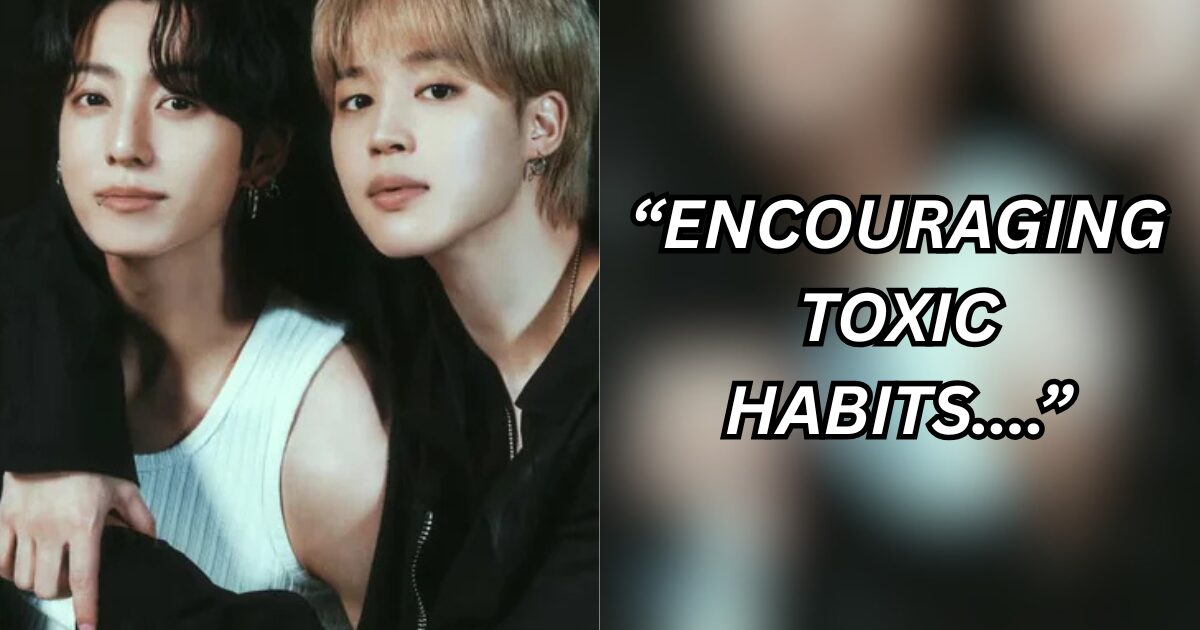
Critics argue that by promoting "not eating" as a legitimate weight-loss strategy, the members are contradicting the very values that earned them global respect. One viral post on X questioned, "How do you promote a ‘love yourself’ concept while encouraging toxic habits and promoting eating disorders?" This sentiment reflects a broader frustration with the K-pop industry’s tendency to commodify mental health themes while simultaneously subjecting its artists to grueling physical standards.
Furthermore, the controversy has highlighted a perceived gender double standard within the industry. Netizens pointed out that if a female idol from a prominent group like IVE or aespa had suggested "not eating" as a diet tip, she would likely face immediate and severe professional repercussions or public "cancellation." The fact that male idols are often praised for their "discipline" and "professionalism" when discussing the same harmful habits has sparked a debate on the intersection of gender and body image in South Korean entertainment.
Broader Impact and the Role of Corporate Responsibility
The controversy does not exist in a vacuum. It follows a series of incidents involving BTS and the topic of weight. Recently, RM (Kim Namjoon) faced criticism for comments regarding member V’s (Kim Taehyung) weight gain during his military service. While some fans interpreted these comments as "playful ribbing" common in Korean male friendships, others saw it as a reinforcement of fat-phobia.
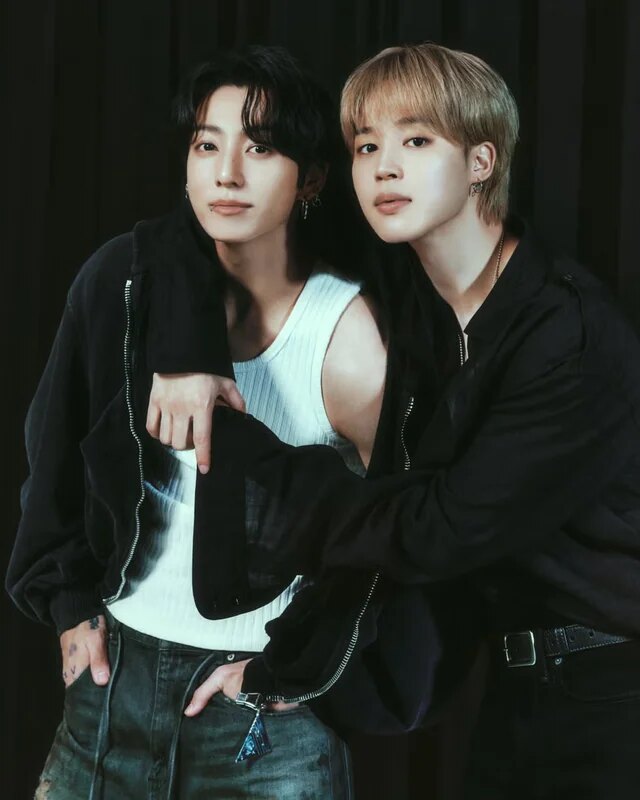
These recurring incidents suggest a systemic issue within HYBE, the parent company of BTS. Critics argue that the agency has a responsibility to provide media training that discourages the promotion of unhealthy lifestyle choices. As BTS prepares for a full group comeback in 2025/2026 following their military enlistment, the pressure to return to their "idol form" is immense. This pressure often trickles down to the artists’ public discourse, where they may inadvertently validate harmful behaviors as necessary sacrifices for their craft.
Implications for the K-Pop Industry and Fan Advocacy
The backlash serves as a critical turning point for fan-artist relations. Traditionally, "ARMY" (the BTS fan base) is known for its fierce loyalty and defensive posture. However, this incident has seen a significant portion of the fandom "calling out" the members, prioritizing health advocacy over blind support. This shift indicates a growing maturity within global fan communities, where followers are willing to hold their idols accountable for the social impact of their words.
From a journalistic perspective, the situation underscores the need for a more nuanced approach to idol health. While Jimin and Jungkook are victims of an industry that demands physical perfection, they are also influential public figures with a duty of care toward their audience. The "inevitability" they cited regarding their diet suggests a resignation to the industry’s harsh realities, but it also highlights the urgent need for structural reform in how K-pop agencies manage the physical and mental well-being of their talent.
As of this report, HYBE has not issued an official statement regarding the viral clip. However, the ongoing discussion continues to trend globally, serving as a reminder that in the era of hyper-connectivity, the words of a superstar carry weight far beyond the confines of a promotional interview. The resolution of this controversy will likely depend on whether the group chooses to address these concerns directly, potentially realigning their public persona with the messages of health and self-love they once championed.