Nana Wu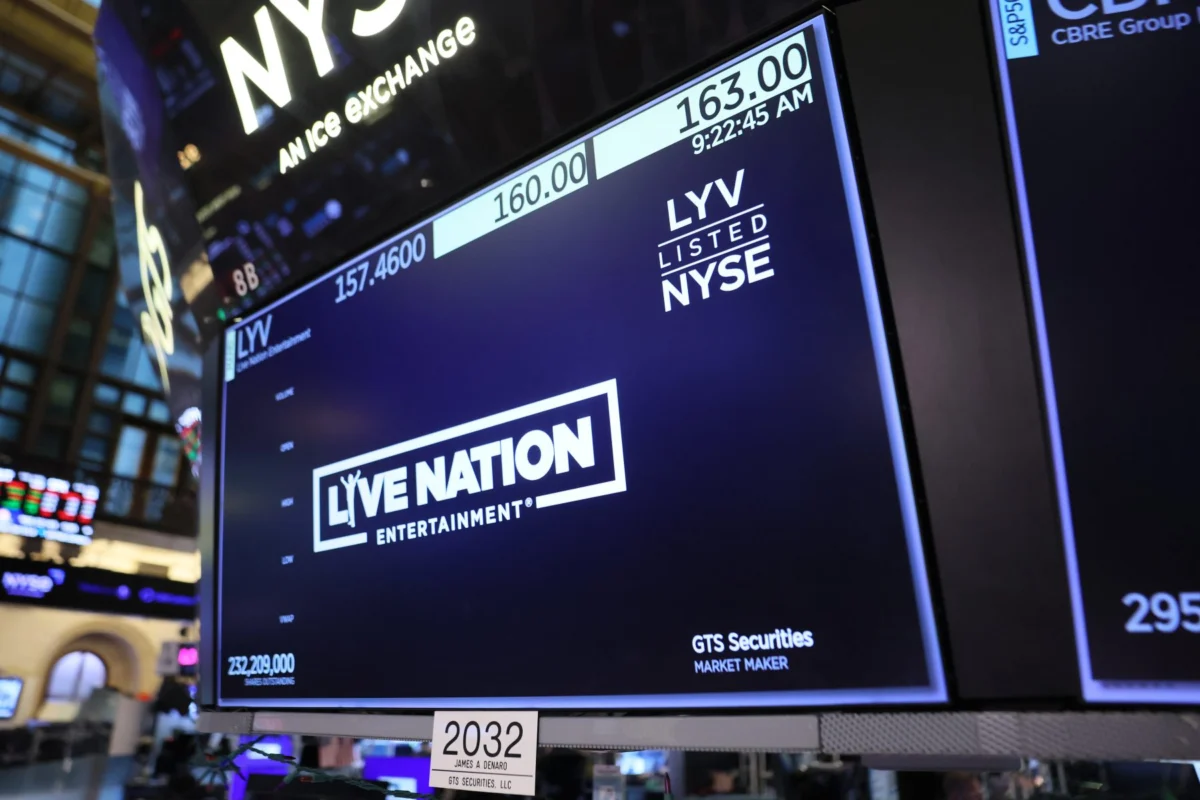
The blockbuster antitrust trial against Live Nation entered its third pivotal week, marked by compelling testimony from key industry figures that offered a deeper look into the intricate workings of the live entertainment sector. Billboard is diligently summarizing the crucial proceedings, which saw the new CEO of Oak View Group (OVG) detail a controversial client-steering arrangement with Ticketmaster, while Live Nation’s initial defense witness vigorously asserted the existence of robust competition for top touring acts. This phase of the trial is particularly significant as state attorneys general largely concluded their case-in-chief, laying the groundwork for Live Nation to present its counterarguments, including anticipated testimony from high-profile figures like Drake’s manager, Adel Nur, also known as Future the Prince. The overarching battle continues to revolve around whether Live Nation wields monopolistic power in the live events ecosystem, a question with profound implications for artists, venues, and consumers alike.
The Genesis of a Legal Battle: Unpacking the Live Nation-Ticketmaster Merger
To fully grasp the current antitrust proceedings, it’s essential to revisit the origins of Live Nation Entertainment. The company was formed in 2010 through the merger of Live Nation, a leading concert promoter, and Ticketmaster, the dominant ticketing service provider. This amalgamation immediately raised significant antitrust concerns, prompting a thorough review by the Department of Justice (DOJ). Critics argued then, as they do now, that combining the largest promoter with the largest ticket vendor would create an undeniable competitive advantage, potentially stifling competition and leading to higher prices and fewer choices for consumers.
Despite these concerns, the DOJ ultimately approved the merger, albeit with a consent decree designed to mitigate anticompetitive behavior. This decree included provisions such as Live Nation divesting its Paciolan ticketing subsidiary and licensing its software to AEG, a rival promoter. Furthermore, Live Nation was prohibited from retaliating against venues that chose competing ticketing services. For over a decade, this consent decree served as the primary regulatory framework, with the DOJ periodically monitoring compliance. However, persistent complaints from artists, venue owners, and consumers regarding exorbitant fees, limited ticketing options, and alleged strong-arm tactics continued to mount, culminating in the current renewed legal challenge. The sentiment among many in the industry was that the 2010 consent decree proved insufficient to curb Live Nation’s growing market dominance across promoting, venue management, and ticketing.

The DOJ’s Settlement and the States’ Unwavering Pursuit
A significant development preceding the third week of the trial was the Department of Justice’s decision to strike a settlement with Live Nation just one week into the proceedings. This settlement, while calling for Live Nation to modify some allegedly anticompetitive practices, notably did not demand the divestment of Ticketmaster. Reports, including one from the Wall Street Journal, indicated that President Donald Trump personally influenced this deal, reportedly on the recommendation of Endeavor CEO and former Live Nation board member Ari Emanuel.
This federal settlement, however, did not deter a coalition of states, led by New York and California, from pressing forward with their own case. These states, now effectively leading the prosecution, maintain their original goal: to break up the integrated concert giant, arguing that nothing less than a structural separation of Live Nation and Ticketmaster will restore true competition to the live events market. Their continued pursuit underscores a fundamental disagreement with the federal government’s approach, reflecting a belief that the proposed remedies in the DOJ settlement are insufficient to address the deep-seated structural issues they allege exist. The states contend that Live Nation’s multifaceted control over promoting, venue operation, and ticketing creates an insurmountable barrier for new entrants and limits choices for existing players, ultimately harming consumers through inflated ticket prices and hidden fees. This bifurcation of legal strategy means the trial proceeds with the states seeking a more drastic remedy than the federal government was willing to pursue, raising the stakes considerably.
Week Three’s Defining Testimonies: OVG and Live Nation’s Counter-Narrative
The third week saw a series of critical testimonies that illuminated the core arguments of both the prosecution and the defense.
The Oak View Group (OVG) and the Client-Steering Arrangement
A central point of contention in the states’ case has been the alleged client-steering arrangements between Live Nation’s Ticketmaster and Oak View Group (OVG), a prominent venue management and development company. Chris Granger, who recently took over as CEO of OVG following the indictment of founder Tim Leiweke on federal bid-rigging charges, was called as a government witness on Wednesday, March 25. Granger’s testimony delved into OVG’s $20 million client-steering agreement with Ticketmaster. As mandated by the terms of a non-prosecution agreement in the separate Leiweke case, Granger confirmed that OVG received payments to encourage venues to select Ticketmaster as their exclusive primary ticketing vendor. Critically, he admitted that this financial incentive arrangement was not disclosed to OVG’s clients.

While not explicitly illegal, the states argue that these undisclosed fees significantly bolstered Live Nation’s alleged anticompetitive edge, creating an unfair advantage in the ticketing market. Law360 reported Granger’s candid admission under cross-examination regarding the lack of disclosure, stating, "I don’t know why, we should have." However, Granger also offered a nuanced perspective, testifying that he would recommend Ticketmaster to venues irrespective of any incentives. His rationale was rooted in Ticketmaster’s perceived superior platform, citing its "biggest database," "best name recognition," and a "marketing halo" that aids in ticket sales, positioning it above competitors like AXS or SeatGeek in his view.
The OVG testimony carries substantial weight due to its historical connection to the antitrust allegations. In its initial 2024 complaint, the DOJ specifically characterized OVG as acting as a "pimp" and "hammer" to enforce Ticketmaster’s exclusivity arrangements, which are fundamental to the monopoly claims. The non-prosecution agreement OVG entered into stipulated to some of these facts, linking OVG’s practices directly to the broader allegations against Live Nation. Adding a layer of complexity, the criminal antitrust prosecution against Tim Leiweke, related to the construction of the Moody Center in Austin, was rendered moot when President Trump pardoned Leiweke in December. This pardon effectively scuttled the DOJ’s hopes of securing Leiweke’s testimony at the Live Nation trial, removing a potentially explosive witness from the proceedings.
Live Nation’s Defense: Emphasizing a Competitive Landscape
Live Nation commenced its defense case on Thursday, March 26, immediately challenging the monopoly narrative. Its first witness, Omar Al-joulani, Live Nation’s president of touring, served as a crucial voice in countering the states’ claims. Al-joulani testified that Live Nation operates in a highly competitive environment, particularly in the realm of concert promotion. According to Courthouse News Service, he highlighted his work with a roster of top-tier touring acts, including Coldplay, Kendrick Lamar, Drake, and Imagine Dragons. Crucially, Al-joulani asserted that Live Nation does not hold long-term contracts with these artists. Instead, he maintained that the company must continually prove its value and superiority among numerous promoters to secure their business.
"There are lots of promoter options," Al-joulani stressed, directly contradicting the prosecution’s portrayal of Live Nation as an inescapable entity. He cited instances where Live Nation had lost out on promoting tours for major artists such as Morgan Wallen and Bruce Springsteen, underscoring his point that "I can’t stress [enough] how competitive the business is." This testimony aims to dismantle the core argument that Live Nation exerts monopolistic control over concert promotion, presenting a picture of a dynamic market where artists retain significant leverage and choice. The defense intends to continue this line of argument, showcasing that even with its scale, Live Nation is subject to market forces and faces genuine competition across all segments of its business.

Other Significant Testimonies and Expert Insights
Beyond OVG’s CEO and Live Nation’s touring president, the jury also heard from other critical witnesses during the week. Nicholas Hill and Rosa M. Abrantes-Metz, two PhD economists, served as expert witnesses for the states. Their testimony likely focused on economic models and market analyses designed to demonstrate Live Nation’s alleged market power, potentially presenting data on market share, concentration ratios, and the impact of Live Nation’s practices on prices and consumer welfare. Such expert testimony is crucial in antitrust cases to translate complex economic concepts into actionable evidence for the jury.
Additionally, Ticketmaster’s global president, Mark Yovich, testified, likely defending the company’s ticketing practices, technology, and market position. His testimony would have aimed to explain Ticketmaster’s value proposition to venues and artists, address criticisms regarding fees, and perhaps highlight the investments made in technology and security. Former AEG Presents president Rick Mueller also took the stand. As a representative from a major competitor, his testimony could have provided insights into the competitive dynamics from a rival promoter’s perspective, potentially corroborating or challenging aspects of Live Nation’s defense regarding market competition.
Broader Implications and Industry Ripple Effects
The outcome of this trial carries immense implications for the entire live entertainment industry. Should the states succeed in their bid to break up Live Nation and Ticketmaster, the repercussions could be far-reaching.
Impact on Artists and Venues
For artists, a breakup could mean greater choice in promoters and ticketing services, potentially leading to more favorable deal terms, lower commissions, and increased transparency. Currently, many artists and their management teams feel compelled to work with Live Nation due to its integrated control over venues and ticketing, limiting their negotiation power. A more fragmented market might empower artists to select partners based purely on merit and service quality, rather than perceived necessity. Similarly, venues could gain more autonomy in choosing ticketing providers, fostering innovation and competition among service providers, which might lead to better technology, more flexible pricing structures, and improved customer service. This could break what many perceive as a cycle of exclusivity, where venues feel pressured to sign with Ticketmaster to secure Live Nation-promoted tours.

Consumer Experience and Ticket Pricing
Consumers are arguably the most directly impacted by the current market structure, often facing high service fees, platinum pricing, and limited access to tickets. The states allege that Live Nation’s dominance allows it to levy excessive fees without significant competitive pressure. A successful antitrust action could lead to a reduction in these fees, greater transparency in ticket pricing, and potentially more equitable access to tickets. Increased competition might also spur innovation in ticketing technology, leading to more user-friendly platforms and better anti-bot measures. However, some argue that a breakup might fragment the market in ways that could complicate the touring landscape, potentially leading to less efficient routing or higher logistical costs for artists, which could, in turn, be passed back to consumers.
The Future of Live Entertainment Market Structure
The trial also serves as a critical test case for antitrust enforcement in the digital age, especially concerning integrated giants that control multiple layers of a supply chain. If Live Nation is found to be a monopolist, it could set a precedent for how regulators approach other powerful tech and entertainment companies. The legal battle highlights the tension between the efficiencies claimed by integrated companies and the potential for anticompetitive behavior arising from concentrated market power. Regardless of the verdict, the scrutiny generated by this trial is likely to force all major players in the live entertainment industry to reassess their business practices and relationships, potentially ushering in an era of increased regulatory oversight and a renewed focus on competitive fairness. The industry could see a shift towards more diverse partnerships, new entrants, and a rebalancing of power dynamics.
The Road Ahead: What to Expect in the Coming Weeks
With the states largely concluding their presentation, the focus now shifts entirely to Live Nation’s defense. The defense case is anticipated to run for at least another week, featuring additional witnesses designed to bolster their argument that the live entertainment market is robustly competitive. The much-anticipated testimony from Drake’s manager, Adel Nur, is expected to be a highlight, offering a perspective from a high-profile artist’s camp on the choices and challenges in the touring landscape. Such testimony from an artist representative could be pivotal in demonstrating that major acts have options beyond Live Nation.
Following the presentation of both sides, the jury will deliberate on the evidence. The legal standard for proving a monopoly under Section 2 of the Sherman Act is high, requiring not only market dominance but also anticompetitive conduct. The jury’s decision will determine whether Live Nation must face remedies ranging from structural divestiture, as the states demand, to behavioral injunctions, similar to the DOJ’s settlement. Whatever the outcome, this trial is poised to reshape the landscape of the live entertainment industry for years to come, influencing how concerts are promoted, tickets are sold, and how fans experience live music. The eyes of the industry, artists, and consumers remain fixed on the courtroom as this landmark legal battle unfolds.