Indra Aziz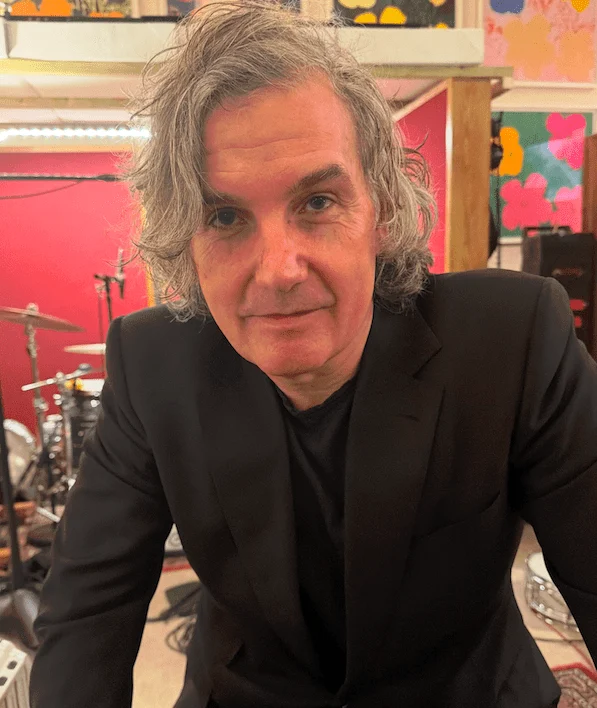
The highly anticipated cinematic conclusion to the beloved British crime drama, Peaky Blinders: The Immortal Man, has not only brought a definitive end to the saga of the Shelby family but has also marked a significant evolution in the franchise’s auditory landscape. While previous seasons of the television series were lauded for their distinctive soundtracks, heavily featuring an eclectic mix of modern rock and indie anthems that amplified the gritty, anachronistic charm of the Brummie gangsters, The Immortal Man ventures into uncharted territory with its first-ever original film score. This deliberate shift, curated by composer Antony Genn, signals a new generational narrative for the Peaky universe, blurring the lines between established nostalgia and the emergence of fresh artistic voices.
The Sonic Evolution of a Cultural Phenomenon
For over a decade, Peaky Blinders has captivated audiences with its intricate portrayal of post-World War I Birmingham, a world rife with corruption, political machinations, and the relentless pursuit of power. Central to its immersive experience was its groundbreaking use of music. The show’s creators masterfully juxtaposed the historical setting with contemporary music, creating a unique sonic signature that became as iconic as the flat caps and razor blades of its protagonists. Bands like Arctic Monkeys, Nick Cave and the Bad Seeds, PJ Harvey, and Radiohead became inextricably linked to the series, their songs providing the visceral, often melancholic, soundtrack to the Shelby family’s rise and struggles.
The transition to a feature film with The Immortal Man presented an opportunity to redefine this sonic identity. Instead of relying solely on pre-existing tracks, the decision was made to commission an original score, augmented by carefully selected contemporary songs. This approach aims to provide a more cohesive and emotionally resonant underscore, allowing the music to intimately serve the narrative’s unfolding drama and character arcs. This move signifies a mature progression for the franchise, reflecting the characters’ own evolution and the enduring legacy they are building.
Antony Genn: Architect of the New Peaky Soundscape
At the heart of this sonic metamorphosis is composer Antony Genn, a figure whose own musical journey mirrors the eclectic and deeply emotional ethos of Peaky Blinders. Genn, a Sheffield native with a background steeped in both working-class realities and the vibrant British music scene, sat down with Clash magazine to discuss his pivotal role in shaping the sound of The Immortal Man. His insights reveal a profound understanding of the series’ core themes and a thoughtful approach to translating them into music.
Genn’s formative years were marked by a profound reliance on music as an escape. Growing up in a council estate, experiencing financial hardship and family disruption, he found solace and inspiration in the records his older brother introduced him to. "It just permeates every part about who you are as a human being," Genn explained, reflecting on his working-class and Northern upbringing. "Not to be like Mr. Little Violin, but I grew up on a council estate and my dad left when I was nine, we grew up very poor and had nothing so music was a massive escape in my life." This early immersion in music, from the sophisticated scores of John Barry’s James Bond films to the raw energy of punk bands like The Sex Pistols and The Clash, instilled in him a deep appreciation for diverse musical expressions and their emotional power.
From Pulp to Film Scores: A Musical Odyssey
Genn’s own musical career began with a notable stint in the influential Britpop band Pulp. He joined the band as a bassist at the tender age of sixteen, a recruitment that stemmed from a chance encounter with frontman Jarvis Cocker. "I was playing on the fruit machine in Hallamshire Hotel on West Street in Sheffield and Jarvis came over," Genn recalled. "He was my brother’s friend, I’d probably met him when I was eleven, so from being fourteen I was friends with Jarv, and he sort of said, ‘Do you fancy playing bass in our band?’ And I said, ‘Well, I’ve never played bass,’ and he said, ‘Bass has only got four strings, we only really use two, so you’ll be fine,’ and so I joined Pulp."
While his time with Pulp was relatively brief, Genn emphasizes the collaborative and often informal nature of his involvement. He participated in tours and occasional performances, including a memorable appearance at Coachella playing "Common People." He distinguishes this experience from his current work as a film composer: "Being in bands is one thing, it’s a three-and-a-half-minute to five-minute format… When you do music for film, it’s very, very different because you’re following a story and you’re getting to characters, environment, and you know, arc of story, so it is different, yeah." This distinction highlights his evolution from the concise structures of pop music to the expansive narrative demands of film scoring.
Genn’s recent work extends beyond Peaky Blinders, including collaborations with bands like Inhaler. He views these diverse projects not as disparate endeavors but as interconnected threads in his broader musical tapestry. "It’s all very different, but it’s all music," he stated. "Inhaler are a great band, but I started working with them when they were very young, so you sort of nurture people and see what they grow into… I think Eli [Costello] has got one of the great voices out there." This appreciation for artistic growth and diverse musical expression underpins his approach to film scoring, where he seeks to capture the essence of characters and their journeys.
The Essence of Emotion: Crafting the Immortal Man Score
Genn’s philosophy on music centers on its inherent emotional core. He likens the diversity of his musical output to a varied diet: "People say to me, what kind of music do you make? And it’s like, depends on what day it is. It’s like saying, what kind of food do you eat? Well, I love really beautifully crafted sushi, I also love cheese and beans on toast… I LOVE it." This analogy underscores his belief that great music, regardless of genre, stems from genuine emotion, a principle that guided his selection of artists and the composition of the score for The Immortal Man.
The soundtrack features a compelling array of talent, carefully chosen to embody the narrative’s multifaceted emotional landscape. Genn highlights Amy Taylor and Grian Chatten as key storytellers within the musical selection. Taylor, whose powerful vocals are described as capable of "smash[ing] you round the head," brings a raw energy to her contributions, particularly in her portrayal of Duke, Tommy Shelby’s son. Chatten, the frontman of Fontaines D.C., lends his distinct voice to Tommy Shelby’s narrative arc, effectively conveying the character’s complexities.
A significant element of the soundtrack is the inclusion of two Massive Attack covers: "Angel," performed by Grian Chatten, and "Teardrop," a heartbreaking rendition by the emerging band Girl In The Year Above. Genn’s discovery of Jenny, the lead singer of Girl In The Year Above, is a testament to his serendipitous approach. He encountered her through a chance meeting and later discovered her vocal talents on Instagram. "I sent her a message and said, ‘Do you wanna come in the studio?’ and this was before I was doing Peaky… I had this idea where I wanted to do ‘Teardrop’ and asked if she’d sing it, and she did it." The resulting cover deeply impressed Cillian Murphy, who, upon hearing it, inquired, "Who is THAT singing?" Genn’s connection with Fontaines D.C. also developed organically, stemming from his interactions with Carlos O’Connell. He felt their sound was a natural fit for the project, recognizing them as powerful storytellers.
The process of selecting cover songs is described by Genn as akin to "fishing" – a trial-and-error approach where ideas are explored until they resonate with the scene and narrative. For "Teardrop," he aimed for a "pure, beautiful song" that wouldn’t overtly push sadness, a sentiment echoed by Cillian Murphy himself. The choice of Massive Attack’s "Angel" for a specific scene was more serendipitous. After struggling to find suitable music, an advertisement for a Massive Attack concert featuring the track caught his attention. Recognizing the band’s distinct sound as a departure from the typical Peaky Blinders aesthetic, Genn wondered who could deliver a "real dirty cover." His immediate thought was Grian Chatten, who ultimately "absolutely nailed it" and made the song his own.
Abbey Road and Collaboration: Pillars of the Score
The opportunity to record parts of the score at the legendary Abbey Road Studios was a profound experience for Genn, particularly given his humble beginnings. "Mind-blowing. I’m a kid off of a council estate working in the greatest studio in the world with a massive orchestra playing our music," he expressed. "What’s it like? It’s absolutely mind-blowing, is what it is. The most mind-blowing thing in the world, it was not lost on us." This moment underscores the transformative power of art and the journey from modest origins to international acclaim.
Collaboration was paramount in the creation of The Immortal Man‘s soundtrack. Genn shared a particularly honest and productive working relationship with Cillian Murphy and director Tom Harper. "He was great, it’s a very honest relationship we have, so if something’s not working, that’s just what it is," Genn said of Murphy’s involvement. He praised Harper’s directorial acumen, noting their shared commitment to refining the music until it perfectly served the narrative. "Many times Tom would call me up and say, ‘That’s not right, we’ve got to go again on that,’ same with Cillian." This iterative process, where feedback is openly exchanged and embraced, is a hallmark of successful collaborative filmmaking. Genn recognized that "film is the most collaborative art form," and this synergy between composer, director, and lead actor was crucial in achieving the desired emotional impact.
Standout Musical Moments and Enduring Themes
When asked about his favorite musical moment in the film, Genn pointed to the song "Puppet," featuring Grian Chatten and Carlos O’Connell of Fontaines D.C. This track, which forms the entirety of a significant scene for nearly four minutes with minimal dialogue, is described as the "best music scene within the whole film" and the "most magical track" they worked on. The song’s power lies in its ability to convey a complex narrative purely through music, a testament to Genn’s skill in weaving sound and story.
A particularly poignant inclusion is Nick Cave’s rearranged version of "Red Right Hand," the iconic theme song of Peaky Blinders. The script initially indicated the original song would play during a pivotal scene. However, upon review, it became clear that a slower, more nuanced interpretation was required. It was Cillian Murphy who reached out to Nick Cave and Warren Ellis, entrusting them with reimagining the track. The result is a chilling and potent rendition that perfectly captures the film’s darker, more introspective tone, showcasing the enduring power of this signature melody.
Genn also expressed his admiration for the character of Johnny Dogs, despite the character’s limited musical presence in the film. He found particular enjoyment in composing the "gentle stuff" for the film’s opening, which depicts an older, more reclusive Tommy Shelby. The "ghostly" and withdrawn nature of this music was a creative challenge that Genn relished, finding a deep satisfaction in capturing this new facet of the protagonist’s personality.
The Future of Grassroots Venues: A Sheffield Connection
Genn’s strong connection to Sheffield and his early experiences in grassroots venues like The Leadmill led him to express his deep concern over the current crisis facing these establishments. He described The Leadmill as a "legendary venue" where he "played it in Pulp when I was a young fella" and has "spent a million nights in there." He lamented the prevailing capitalist ethos that threatens these vital cultural spaces: "It’s a tragedy that in this neo-liberal nightmare, everything’s about capitalism… that there’s not more people saying ‘no, this is much more important than money, this is about the heart and soul of the city and musical identity, getting people together.’" Genn’s impassioned defense of grassroots venues underscores their indispensable role in fostering emerging talent and nurturing the cultural fabric of cities. He emphasized that "every city needs grassroots because every band that started playing started playing to nobody," highlighting the essential starting point that these venues provide for aspiring musicians.
Peaky Blinders: The Immortal Man stands as a testament to the enduring power of storytelling, both visually and sonically. Antony Genn’s masterful score, a blend of original compositions and thoughtfully curated covers, not only pays homage to the series’ rich musical heritage but also boldly charts a new course for its cinematic future. The film’s release marks not just an end, but a powerful new beginning for the world of the Peaky Blinders, resonating with the emotional depth and raw authenticity that have defined its legacy.