Jia Lissa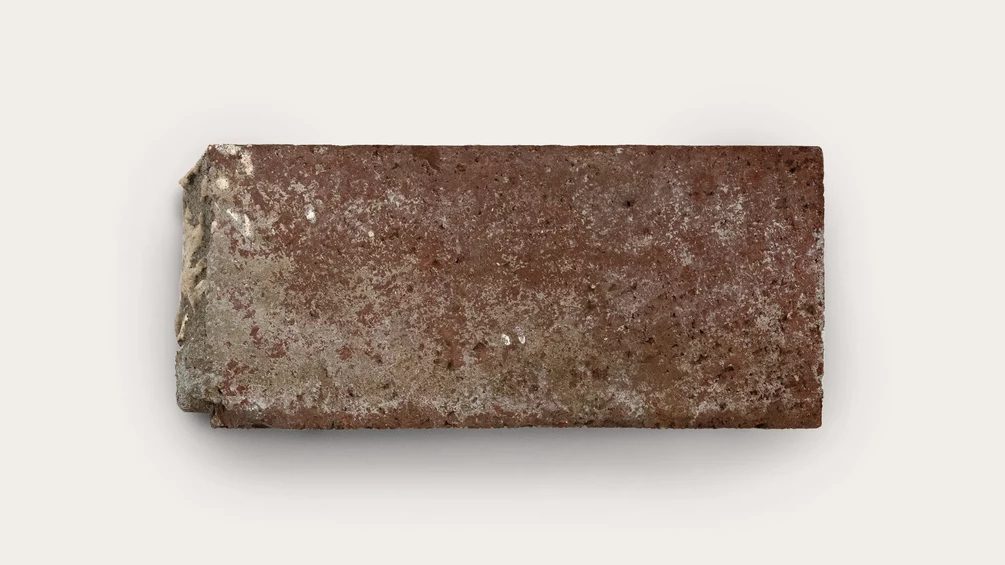
The Paradise Garage: A Relic of Dance Music History
The sale of a physical remnant from the Paradise Garage, a venue widely regarded as one of the most influential clubs in the history of dance music, underscores a burgeoning interest in preserving the tangible artifacts of ephemeral cultural movements. This particular brick, meticulously salvaged by Victor Simonelli following the complete demolition of the iconic building in 2018, now represents a poignant connection to a lost era. The listing, managed by Wax Poetics as part of Simonelli’s "NYC Club Culture & Dance Relics" collection, describes it as an "authentic physical remnant of a demolished NYC club landmark" exhibiting "visible mortar and age wear." At the time of reporting, two days remained on the sale, with the price standing at $500, a figure that reflects both its historical significance and its scarcity.
The Paradise Garage, which operated from 1977 to 1987 at 84 King Street in New York City’s SoHo neighborhood, was far more than just a nightclub. It was a crucible for musical innovation, a sanctuary for marginalized communities, and a foundational institution for what would become modern club culture. Founded by Michael Brody, the venue was designed with an uncompromising focus on sound quality and the dancer’s experience. Its legendary resident DJ, Larry Levan, became synonymous with the "Garage sound" – a transformative blend of disco, R&B, funk, gospel, and early house music, often played on reel-to-reel tapes and acetate dub plates. Levan’s marathon sets, sometimes lasting over 12 hours, cultivated an atmosphere of intense communal experience and musical exploration, influencing generations of DJs and producers worldwide.
The club was renowned for its state-of-the-art sound system, designed by Richard Long, which was widely considered the best in the world. It featured a colossal custom-built speaker array, a precise acoustic environment, and a separate DJ booth designed for optimal sound projection. This dedication to sonic excellence created an immersive experience that became the benchmark for future club designs. Beyond its musical prowess, the Paradise Garage was celebrated for its inclusive environment. It was a predominantly Black and gay club, offering a safe haven where people from diverse backgrounds could express themselves freely, fostering a sense of community that transcended societal norms of the time. The club’s "no alcohol, no cameras" policy, focusing solely on music and dance, further distinguished it from mainstream establishments, emphasizing an almost spiritual connection to the music.
The demolition of the Paradise Garage building in 2018 to make way for new residential development was met with widespread dismay from music historians and fans alike. It symbolized the ongoing erosion of New York City’s cultural landmarks, particularly those tied to its vibrant, often underground, artistic heritage. Simonelli’s act of salvaging a brick, therefore, transforms a piece of rubble into a potent symbol, a tangible anchor to an intangible legacy that continues to resonate globally.
Victor Simonelli’s Curated Collection: A Panorama of NYC Club Culture
Victor Simonelli, a pivotal figure in the evolution of East Coast house music since the late 1980s, has amassed a collection that serves as a veritable museum of New York City’s dance music history. His "NYC Club Culture & Dance Relics" collection, now being auctioned via Wax Poetics, offers a rare glimpse into the personal archives of a scene insider. Simonelli’s career began in the very clubs he now helps to immortalize, working as a DJ and producer who contributed significantly to the development of garage house, deep house, and soulful house. His personal connection to these venues and artists lends an unparalleled authenticity to the items he has chosen to share.
Among the diverse lots offered in the auction, several stand out for their historical and cultural significance:
The Mainstream and the Underground: A 1977 ‘Saturday Night Fever’ Poster
One intriguing item is a 1977 ‘Saturday Night Fever’ poster. While ‘Saturday Night Fever’ is often credited with bringing disco music into the mainstream, its relationship with the underground club scene was complex. The film, starring John Travolta, depicted a stylized, commercialized version of disco, propelling it to unprecedented global popularity. However, many within the underground scene, including those frequenting venues like the Paradise Garage and The Loft, viewed the film as simultaneously a blessing and a curse. It introduced disco to a wider audience, but also contributed to its eventual backlash and over-commercialization, leading to the infamous "Disco Demolition Night" in 1979. Simonelli’s inclusion of this poster highlights the broader cultural landscape of the era, illustrating how mainstream phenomena intersected with, and sometimes diverged from, the purer, more authentic underground movements.
The Saint: An LGBTQ+ Mecca and Architectural Marvel
Another significant lot includes a booklet of architectural floor plans and drawings for The Saint, an LGBTQ+ venue that operated in Brooklyn for eight years, from September 1980 to May 1988. Located in a former aircraft hangar at 105 Second Avenue in the East Village (not Brooklyn as stated in the original, a common confusion due to its immense size and unique location), The Saint was an extraordinary club designed by the legendary architect Charles Gwathmey. It was an ambitious project, transforming the cavernous space into a futuristic environment complete with a planetarium dome ceiling, which could project constellations and celestial scenes.
The Saint was a monumental establishment, known for its sheer scale, cutting-edge lighting, and impeccable sound system – a direct successor to the Paradise Garage in terms of sonic quality and design ambition. It served as a vital cultural and social hub for the gay community in New York City, particularly during the nascent years of the AIDS epidemic. It offered a space for celebration, solidarity, and escape, becoming a symbol of resilience and community spirit. The architectural plans offer a rare glimpse into the meticulous design and engineering that went into creating such an immersive and groundbreaking venue, showcasing the foresight and ambition of its creators to build an unparalleled experience.
Reel-to-Reel Recordings: Preserving the Ephemeral Art of DJing
The auction features several reel-to-reel tapes, which are crucial artifacts for understanding the evolution of DJing and sound preservation. These include a reel-to-reel set by Roy Thode, one of The Saint’s regular DJs, recorded from another iconic booth, Long Island’s Ice Palace, circa 1977. The Ice Palace, located in Fire Island Pines, was a legendary summer retreat for the gay community and a significant venue for disco culture. Roy Thode was known for his sophisticated mixing and eclectic taste, and this recording provides a direct sonic link to the atmosphere and musical selections of that era.
Additionally, a reel-to-reel recording of Grace Jones’s set from Fire Island in the same year is available. Grace Jones, an iconic figure in music, fashion, and film, was a frequent performer and muse within the NYC club scene. Her electrifying stage presence and genre-defying music made her a force of nature. A recording of her live set from Fire Island offers a rare auditory document of her early performances and the vibrant energy of the disco era on the island.
Reel-to-reel tapes were the primary medium for high-fidelity audio recording and playback for DJs before the widespread adoption of digital formats. They allowed for extended mixes, custom edits, and superior sound quality, making them invaluable for preserving the unique artistry of live DJ sets. These recordings are not just historical documents; they are auditory time capsules, capturing the nuanced performances and specific soundscapes of these legendary venues.
Signed Vinyl: Milestones of House Music
The collection also boasts signed copies of seminal house music records, representing different facets of the genre’s development:
- ‘Our Time Is Coming’ by Masters At Work: Masters At Work (Kenny "Dope" Gonzalez and Louie Vega) are titans of house music, renowned for their prolific output and genre-defining productions. This track exemplifies their soulful, percussive, and deeply groovy sound that became a hallmark of New York house.
- ‘The M&M Mixes’ by John Morales: John Morales is a legendary mixer and producer, celebrated for his distinctive "M&M Mixes" (Morales & Munzibai, referring to his partnership with Sergio Munzibai). His extended, re-edited versions of disco and funk tracks were instrumental in shaping the sound of early club music, emphasizing dynamics and dancefloor utility.
- ‘Right Back To You’ by Ten City: Ten City, an influential Chicago house group, brought a distinct gospel and R&B sensibility to house music. Their tracks, characterized by Byron Stingily’s soaring vocals and powerful melodies, became anthems in clubs worldwide.
These signed records are not merely pieces of vinyl; they are autographed monuments to artists who shaped the sonic landscape of dance music, offering a direct personal connection to their creative genius.
The Loft Invites: A Personal Connection to David Mancuso’s Vision
Perhaps among the most personally resonant items are a bundle of invitations to The Loft, addressed directly to Victor Simonelli from David Mancuso. The Loft, founded by David Mancuso in 1970, was the progenitor of modern dance parties and a philosophical cornerstone of club culture. Unlike commercial nightclubs, The Loft was a private, invitation-only party held in Mancuso’s own residence at 647 Broadway. Mancuso’s philosophy emphasized creating a "Love Saves The Day" environment where guests could experience music, community, and freedom without the pressures of commercialism or alcohol sales (initially).
Mancuso was a pioneer in sound system design, obsessively perfecting his audio setup to deliver an unparalleled listening experience. He was not a DJ in the traditional sense but a "record spinner" or "music host," curating a seamless flow of music that transcended genres, focusing on the emotional journey. The Loft was a direct precursor to venues like the Paradise Garage and profoundly influenced countless DJs, club owners, and party promoters globally. Simonelli’s personal invitations from Mancuso highlight his deep roots within this foundational scene and offer a rare, intimate link to the very origins of New York’s underground dance culture.
Wax Poetics: Curating Cultural Heritage Through Auctions
The "NYC Club Culture & Dance Relics" auction is facilitated by Wax Poetics, a platform that has established itself as a significant curator and auction house for unique cultural memorabilia, particularly within music. Wax Poetics, originally known for its acclaimed music magazine, has successfully transitioned into a marketplace that leverages its deep understanding of music history and culture to connect collectors with rare artifacts. Their strategy involves tapping into nostalgia, preserving cultural heritage, and recognizing the increasing economic value of such items.
Wax Poetics has a track record of successful, high-profile auctions:
- Tupac Shakur Memorabilia (February): Earlier this year, Wax Poetics hosted an auction featuring a rare collection of handwritten lyrics, birthday invites, and rare tapes belonging to the iconic rapper Tupac Shakur. This sale underscored the market’s appetite for personal artifacts of hip-hop legends, offering fans a deeper insight into the artist’s creative process and personal life. Tupac’s enduring legacy as one of the most influential and enigmatic figures in music history makes any item connected to him highly sought after.
- DāM-FunK Collection (Last Summer): The platform also auctioned off more than 100 synths, records, and other items owned by modern funk pioneer DāM-FunK. This sale appealed to both collectors of instruments and fans of DāM-FunK’s distinctive sound, showcasing the tools and influences behind his unique musical output. It highlighted the growing appreciation for contemporary artists’ personal collections.
- Louie Vega Auction (Announced for May 2025): Looking ahead, Wax Poetics has announced an upcoming auction in May 2025 featuring rare vinyl records, studio gear, and clothing from the personal collection of Louie Vega, one half of the legendary Masters At Work duo. This highly anticipated event is expected to draw significant attention from house music aficionados and collectors, given Vega’s monumental impact on the genre and his vast collection of sought-after items.
These previous auctions demonstrate Wax Poetics’ expertise in authenticating, marketing, and selling items that resonate deeply with specific cultural niches, transforming personal collections into accessible historical archives. By partnering with figures like Victor Simonelli, Wax Poetics not only facilitates transactions but also plays a crucial role in documenting and celebrating the rich tapestry of music history.
Broader Implications: Preservation, Commodification, and Legacy
The auction of Victor Simonelli’s collection, particularly the Paradise Garage brick, carries significant broader implications for cultural preservation, the commodification of history, and the enduring legacy of urban nightlife.
The Erosion of Physical Spaces: The demolition of venues like the Paradise Garage is a stark reminder of the ongoing gentrification and urban redevelopment pressures that continue to erase physical spaces vital to cultural history. New York City, in particular, has seen countless iconic clubs, music venues, and artistic hubs fall victim to rising rents, changing zoning laws, and economic shifts. While new venues emerge, the unique character and historical weight of these lost spaces can never be fully replicated. This auction, therefore, becomes a poignant exercise in memory and remembrance, a way to hold onto a piece of what is physically gone.
The Commodification of Heritage: The sale of artifacts like a brick from a demolished club raises questions about the commodification of cultural heritage. While it provides a means of financial return for the collector and allows fans to own a tangible piece of history, it also transforms shared cultural experiences into private commodities. However, in the absence of dedicated museums or public preservation efforts for these specific subcultures, private collections and auctions often become de facto archives, ensuring that these items are not simply lost to time. The value placed on these items reflects their historical importance and the collective memory they embody.
The Enduring Power of Intangible Culture: Despite the physical disappearance of many clubs, the cultural impact they fostered remains profoundly influential. The music, the fashion, the social dynamics, and the spirit of inclusivity forged in places like the Paradise Garage, The Saint, and The Loft continue to shape global club culture, fashion, and LGBTQ+ rights movements. The auction serves as a catalyst for renewed discussions about these legacies, prompting reflection on how these intangible values can be sustained and celebrated even as their original physical manifestations vanish.
The Role of Personal Archives: Victor Simonelli’s collection highlights the critical role that individuals play in preserving cultural history. Often, it is artists, DJs, and scene participants who meticulously collect and safeguard artifacts that might otherwise be discarded or forgotten. These personal archives, when brought into the public domain through platforms like Wax Poetics, offer invaluable primary sources for historians, researchers, and fans, filling gaps left by institutional neglect.
A Growing Market for Music Memorabilia: The success of such auctions indicates a growing and robust market for music memorabilia, extending beyond mainstream rock and pop to embrace the rich histories of electronic music, hip-hop, and other genres. As generations who experienced these cultural movements mature, their desire to connect with and own pieces of their past fuels this market. Furthermore, for younger generations, these artifacts offer a tangible link to a foundational past they may have only heard about.
In conclusion, the auction of Victor Simonelli’s "NYC Club Culture & Dance Relics" collection is more than just a sale; it is a significant cultural event. It provides a unique opportunity to acquire tangible fragments of New York City’s unparalleled nightlife history, from the foundational Paradise Garage to the architectural marvel of The Saint, and the personal connections to David Mancuso’s revolutionary Loft. Through these artifacts, curated by a veteran of the scene, the auction not only celebrates the vibrant past but also sparks crucial conversations about the preservation, value, and enduring legacy of a cultural movement that continues to resonate globally.