Aveline Kirana
The Finnish National Opera has officially announced its highly anticipated first new production for the 2026-27 season, a reimagining of Christoph Willibald Gluck’s seminal opera, Orfeo. This landmark production, slated to premiere on January 29, 2027, and run through February 27, 2027, promises to be a significant artistic event, featuring a stellar cast and a renowned creative team. The opera house revealed that the title role of Orfeo will be shared by two distinguished countertenors, Michał Szafarczyk and Kangmin Justin Kim, while the roles of Amor and Euridice will be portrayed by Suvi Väyrynen and Saara Rauvala respectively for Amor, and Sonja Herranen and Anna Barletta for Euridice. Leading this ambitious undertaking will be the acclaimed Finnish director and choreographer Tero Saarinen, known for his innovative and visually striking interpretations. The production’s aesthetic vision will be brought to life by the celebrated lighting designer Mikki Kunttu and costume designer Erika Turunen. The musical direction will be entrusted to Appo Hakkinen, who will conduct the assembled cast.
A Resonant Choice: Gluck’s Orfeo and its Enduring Appeal
Gluck’s Orfeo (or Orfeo ed Euridice) stands as a pivotal work in the history of opera, often credited with ushering in a new era of reform that moved away from the ornate conventions of Baroque opera towards a more naturalistic and emotionally direct style. Composed in 1762, the opera tells the timeless myth of Orpheus, the legendary musician whose lyre could charm all living things, and his descent into the underworld to retrieve his beloved wife, Eurydice, from death. The opera’s enduring appeal lies in its profound exploration of love, loss, grief, and the power of art. Gluck’s score, characterized by its lyrical beauty and dramatic intensity, has captivated audiences for centuries. The choice by the Finnish National Opera to mount a new production of this classic underscores its commitment to presenting works of historical significance while offering contemporary interpretations. The opera’s narrative arc, moving from profound sorrow to eventual, albeit bittersweet, triumph, offers fertile ground for directorial and choreographic exploration, making it an ideal vehicle for an artist like Tero Saarinen.
The Creative Powerhouse Behind the Production
Tero Saarinen, a globally recognized figure in contemporary dance and opera direction, brings a unique choreographic sensibility to his theatrical work. His productions are often lauded for their fusion of dance, visual art, and dramatic storytelling. His collaboration with Mikki Kunttu, a leading light in stage lighting design, and Erika Turunen, whose costume designs are celebrated for their artistic flair and conceptual depth, suggests a production that will be as visually arresting as it is emotionally resonant. Kunttu’s work is known for its ability to sculpt space and atmosphere, while Turunen’s designs often push the boundaries of theatrical costume, infusing them with narrative and symbolic meaning. The synergy between these three artists, coupled with the musical leadership of Appo Hakkinen, portends a production that will be a feast for the senses.
A Dual Vision for the Title Role
The casting of two prominent countertenors, Michał Szafarczyk and Kangmin Justin Kim, in the demanding title role of Orfeo is a noteworthy decision. This dual casting allows for a nuanced exploration of the character’s emotional journey, potentially showcasing different facets of Orfeo’s profound grief and his unwavering determination. Countertenors have become increasingly prominent in the performance of Baroque and early Classical opera, bringing a unique vocal timbre that is both powerful and delicate, perfectly suited to the expressive demands of Gluck’s score. The Finnish National Opera’s decision to feature multiple artists in such a central role is a testament to the depth of talent available and a strategic choice to offer audiences varied interpretations throughout the production’s run.
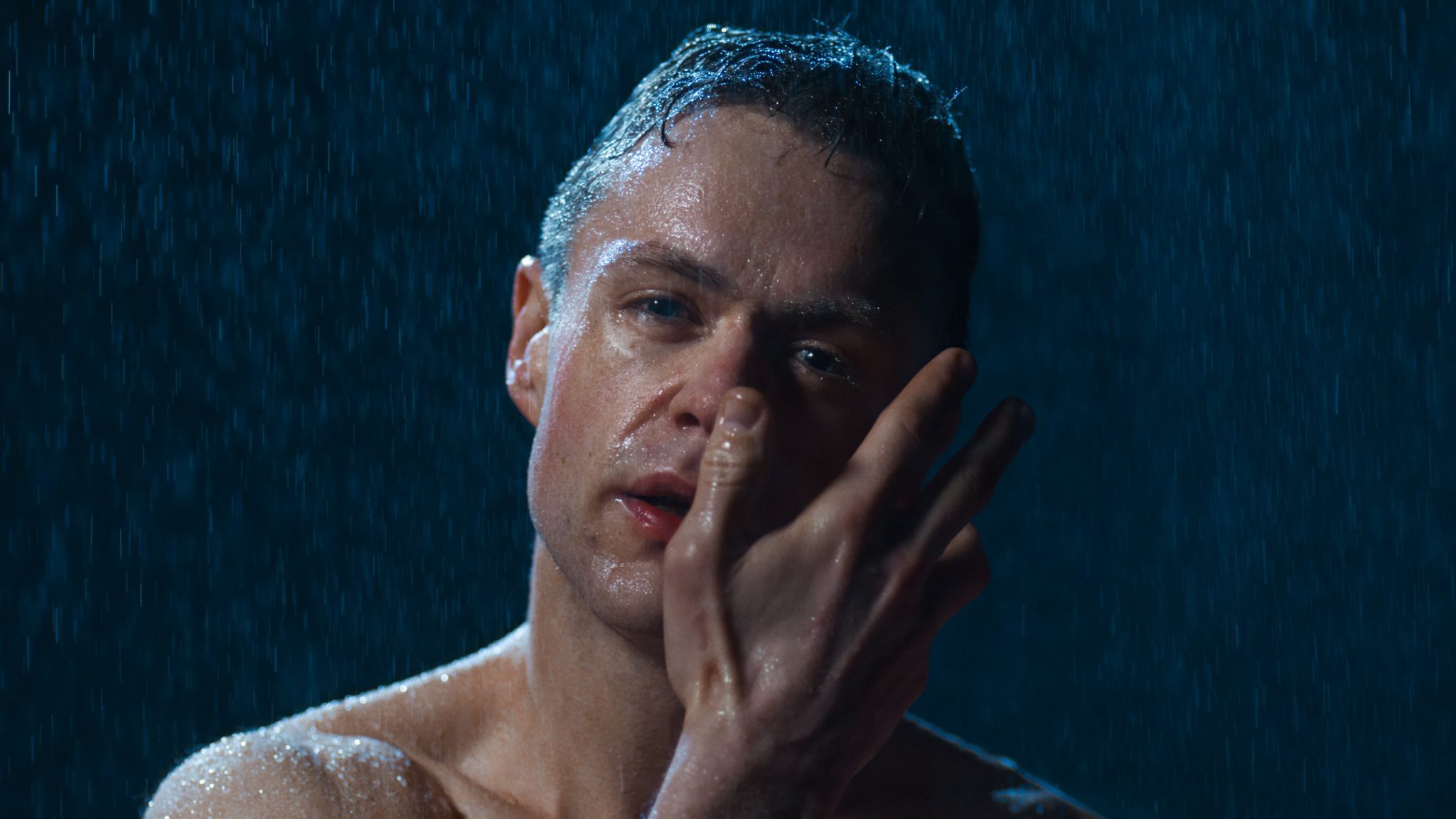
The ensemble cast, featuring Suvi Väyrynen and Saara Rauvala as the divine messenger Amor, and Sonja Herranen and Anna Barletta as the tragically lost Euridice, further solidifies the artistic caliber of this production. Amor, in particular, serves as a crucial intermediary in the narrative, and the dual casting suggests an emphasis on the character’s multifaceted role in guiding Orfeo. The performances of Herranen and Barletta as Euridice will be pivotal in conveying the profound sense of loss that drives the opera’s central conflict.
Contextualizing the Announcement within the Finnish National Opera’s Programming
This announcement of the 2026-27 season opener sets a high benchmark for the Finnish National Opera, signaling a season dedicated to significant operatic works presented with top-tier artistic talent. While full details of the entire 2026-27 season are yet to be revealed, this initial reveal of Orfeo suggests a programming strategy that balances classical repertoire with innovative artistic direction. The Finnish National Opera has a history of producing acclaimed operatic events, and this production of Gluck’s masterpiece is poised to continue that tradition. The opera house’s commitment to commissioning and presenting new productions, as well as its dedication to showcasing both established and emerging artists, has solidified its reputation on the international opera scene. The selection of Orfeo can also be seen within a broader trend in opera houses worldwide to revisit and re-examine foundational works of the operatic canon, often through the lens of contemporary artistic concerns and directorial visions.
Anticipating the Impact and Significance
The premiere of a new Orfeo production at the Finnish National Opera is expected to generate considerable interest within the international opera community. The combination of a historically significant opera, a celebrated director and choreographer, and a cast of distinguished singers and designers creates a compelling artistic proposition. Such productions often serve as benchmarks for operatic interpretation and can influence subsequent stagings of the same work. The visual and choreographic elements, under Saarinen, Kunttu, and Turunen, are anticipated to offer a fresh perspective on the ancient myth, potentially exploring themes of mortality, memory, and the enduring power of human connection in innovative ways.
The opera’s themes of overcoming adversity and the profound impact of loss resonate universally, making it a timeless narrative. Gluck’s musical genius, combined with a sensitive and insightful directorial approach, has the potential to move and inspire audiences deeply. The opera’s structure, with its focus on emotional truth and dramatic clarity, is particularly well-suited to a modern reinterpretation that can highlight its inherent theatrical power. The Finnish National Opera’s investment in such a significant production underscores its ambition and its dedication to providing culturally enriching experiences for its audiences.
Looking Ahead: The Full 2026-27 Season
While the announcement of Gluck’s Orfeo provides an exciting glimpse into the Finnish National Opera’s 2026-27 season, audiences eagerly await further details. The full season program, expected to be unveiled at a later date, will undoubtedly reveal a diverse and compelling lineup of operas, concerts, and other artistic events. The opera house’s track record suggests that the remaining announcements will likely feature a mix of beloved classics and perhaps contemporary works, all presented with the company’s hallmark artistic excellence. The anticipation for the complete season program will only grow as the premiere of Orfeo draws closer, serving as a strong indicator of the artistic direction and quality that patrons can expect from the Finnish National Opera in the seasons to come. The opera’s opening on January 29, 2027, will mark the beginning of a new chapter for the company, setting a high standard for artistic achievement and innovation.