Aveline Kirana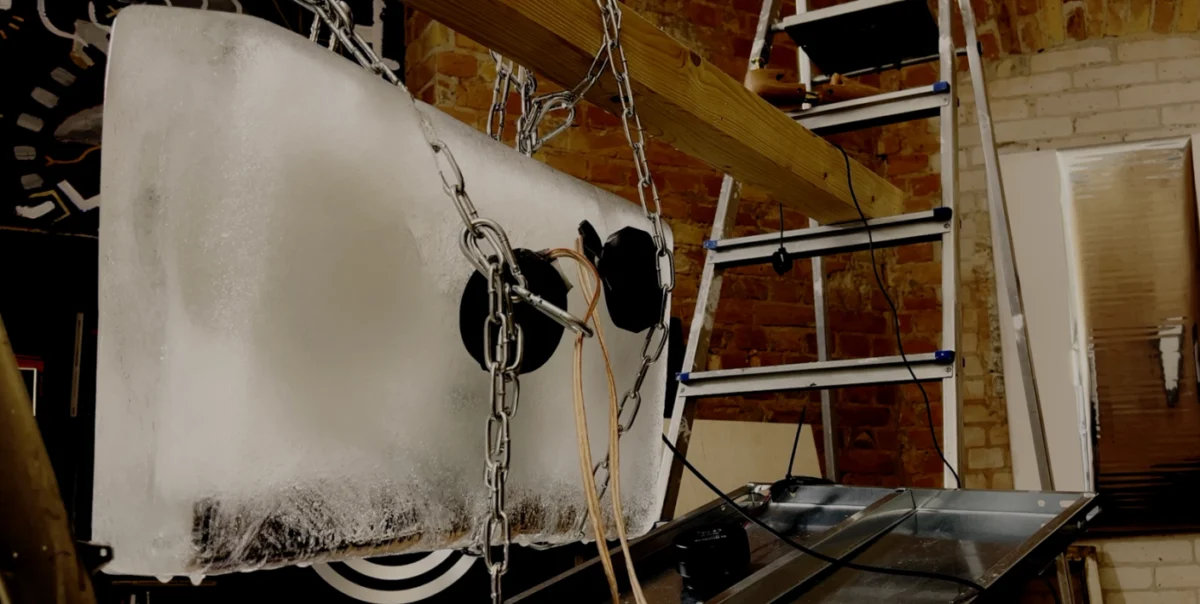
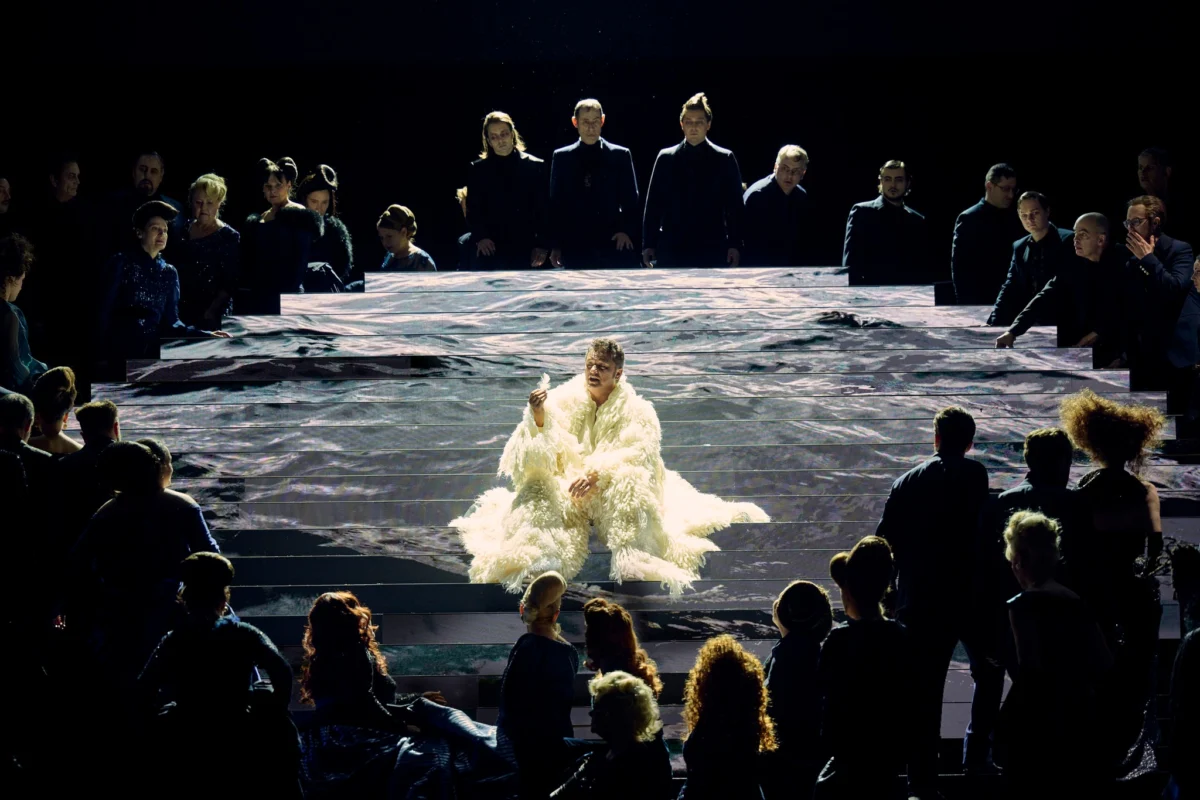
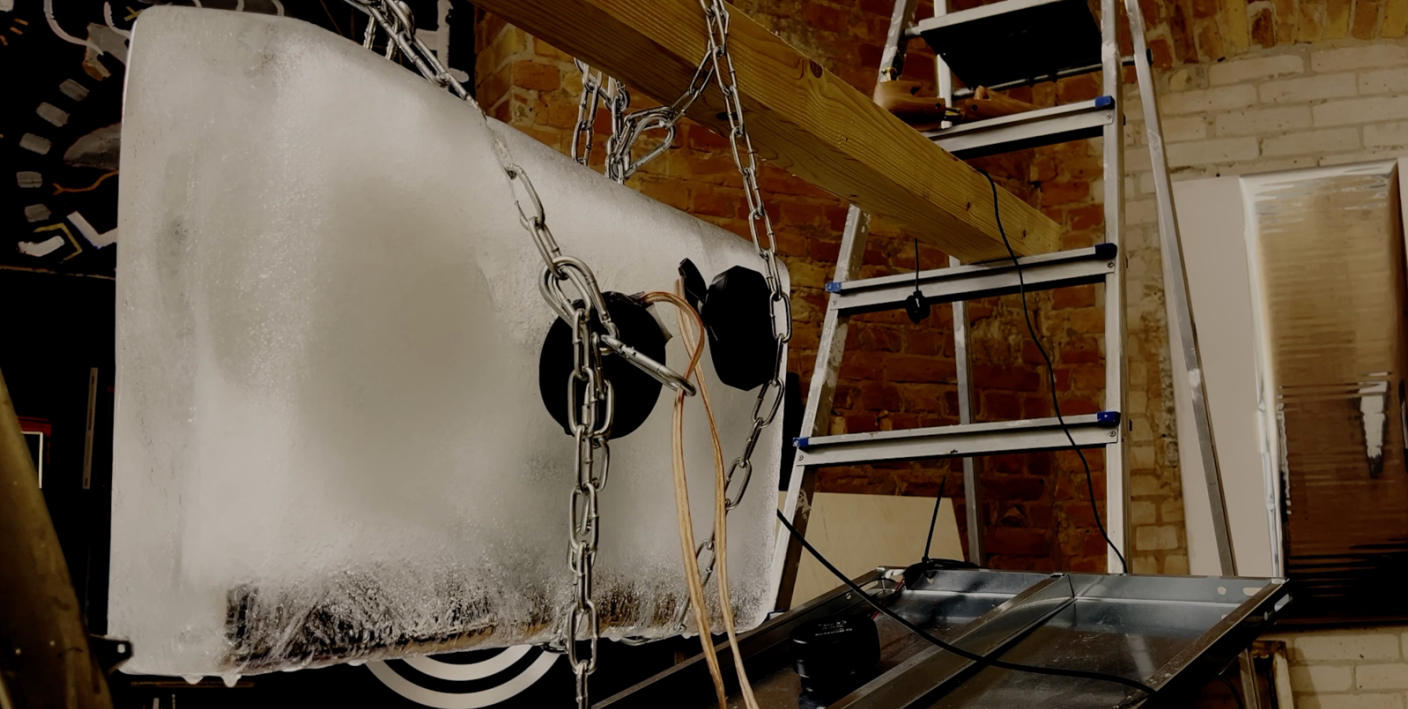
A groundbreaking interdisciplinary collaboration, known as A Circle, is set to unveil its ambitious world premiere, "postWinterreise," at the Tanglewood Linde Center on April 25, 2026. This ambitious production, presented by the Tanglewood Learning Institute, reimagines Franz Schubert’s iconic song cycle, "Winterreise," within a unique and evocative sculptural installation. The performance will feature a fragmented rendition of the beloved work, set against a backdrop of melting ice, flowing water, and resonant objects, creating a powerful, multi-sensory commentary on environmental change.
The core of "postWinterreise" lies in its innovative approach to musical performance and its direct engagement with ecological data. Bass vocalist Andrew Munn and pianist Elenora Pertz will navigate a score that has been physically altered by the very elements that underscore the work’s thematic concerns. The amount of musical material intentionally removed from Schubert’s original composition is directly dictated by data documenting the retreat of Austria’s Hallstätter Glacier. This meticulous calculation spans from 1840, the approximate period of Schubert’s composition, to 2024, a timeframe encompassing over two centuries of environmental history. This deliberate erosion of the score serves as a potent metaphor for the gradual yet profound loss experienced by ecosystems under the pressure of climate change.
The project meticulously traces two hundred years of environmental history, intertwining the deeply personal narrative of lost love and winter’s despair, as depicted in Schubert’s "Winterreise," with a profound meditation on the realities of climate change and ecological devastation. The familiar themes of heartbreak and desolation within Schubert’s cycle are recontextualized, drawing a parallel between individual emotional loss and the collective grief associated with environmental degradation. This artistic fusion aims to provoke a visceral and intellectual response in the audience, prompting reflection on humanity’s relationship with the natural world and the consequences of inaction.
The technical and artistic direction of "postWinterreise" is as layered and complex as its conceptual framework. Live electronics, crucial to shaping the sonic landscape and creating atmospheric textures, are managed by Jared Redmond and Nova Krause. The visual dimension of the performance is meticulously crafted by Daniele Lucchini through innovative video design, which will undoubtedly complement the sculptural installation and the musical narrative.
The project’s genesis and artistic direction are further enriched by the contributions of several key figures. Pianist and artistic researcher Marlene Hein, whose academic pursuits often bridge the worlds of music and science, has played a pivotal role in the musical and conceptual development of the work. She collaborates closely with interdisciplinary artist Kat Austen, whose practice is deeply rooted in integrating art, science, and philosophy. Austen’s expertise provides the project with a robust ecological framework, ensuring that the artistic expression is grounded in scientific understanding and philosophical inquiry.
Adding another layer of unique artistic contribution, Margherita Pevere, an artist renowned for her innovative work with living matter and biotechnology, has overseen the research and aesthetic consultation for the neck pieces worn by the performers. These pieces, likely designed to interact with the environment of the installation or the performers’ physiology, underscore the project’s commitment to pushing the boundaries of artistic expression and its engagement with the biological and material world. The entire endeavor is brought together under the guidance of RR Sigel, who serves as the creative producer, orchestrating the myriad elements of this complex production.
The Tanglewood premiere is part of a broader initiative focused on the intersection of art and ecology. On April 25, preceding the evening performance, a comprehensive symposium will be held from 10 a.m. to 4 p.m. This symposium will convene artists, scientists, environmentalists, and academics to discuss the role of art in addressing ecological challenges, fostering dialogue and deeper understanding of the issues explored in "postWinterreise." Following its Tanglewood debut, the production is slated for European and Asian presentations, with engagements planned at the Queen Elisabeth Music Chapel in Waterloo, Belgium, and the Shanghai Concert Hall’s DigiMuse Festival. These international presentations highlight the global relevance of the project’s themes and its aspiration to reach a diverse audience.
Andrew Munn, the bass vocalist at the heart of "postWinterreise," brings a wealth of operatic experience and a deeply ingrained commitment to ecological activism to the project. His recent operatic credits include significant roles such as Sarastro in Mozart’s "Die Zauberflöte" at the Salzburger Landestheater and his performance in Shostakovich’s "Suite on Verses by Michelangelo" at the Hungarian State Opera. These high-profile engagements demonstrate Munn’s established presence in the classical music world. However, his involvement in "postWinterreise" is particularly informed by his personal journey and activism. The project itself was developed through a series of residencies at prestigious institutions, including the Queen Elisabeth Music Chapel, Berlin Gärtnerhaus, and Feral Note Studios. This period of dedicated artistic exploration allowed Munn and his collaborators to refine the conceptual and practical aspects of the work. Crucially, Munn’s engagement with ecological themes is not merely an artistic choice but a deeply personal one, drawing on nearly a decade of community organizing against mountaintop removal coal mining in Appalachia. This background provides him with an intimate understanding of the devastating impacts of resource extraction and a profound empathy for the environmental crises at the forefront of "postWinterreise."
Background and Context of "postWinterreise"
Schubert’s "Winterreise," composed in 1827, is a cornerstone of the lied repertoire, a collection of 24 songs that trace the melancholic journey of a heartbroken traveler through a desolate winter landscape. The cycle is renowned for its raw emotional intensity, its stark portrayal of loneliness, and its masterful evocation of the bleak beauty of nature. The traveler’s physical and emotional suffering mirrors the harshness of the season, creating a profound sense of desolation that has resonated with audiences for generations.
"postWinterreise" takes this established narrative and imbues it with a contemporary urgency. The decision to use the melting of the Hallstätter Glacier as a direct influence on the musical score is a powerful statement. The Hallstätter Glacier, located in the Austrian Alps, has experienced significant and well-documented retreat in recent decades, serving as a stark indicator of global warming. Scientific data from the Austrian Alpine Club, for instance, has consistently reported accelerating ice loss across Austrian glaciers. Between 1840 and 2024, the glacier’s extent has diminished considerably, a trend mirrored by glaciers worldwide. This historical data, meticulously translated into musical excision, transforms the glacier’s fate into an audible element of the performance.
The choice of Tanglewood, a renowned center for music education and performance, as the venue for the world premiere is significant. The Tanglewood Learning Institute, which is presenting the showcase, often engages with innovative and socially relevant programming, making it an ideal platform for a work that addresses critical contemporary issues through artistic means. The Linde Center, known for its state-of-the-art facilities, will provide the necessary infrastructure to realize the complex technical and artistic demands of "postWinterreise."
Supporting Data and Ecological Framework
The scientific underpinnings of "postWinterreise" are crucial to its impact. The project directly engages with the concept of climate change, a phenomenon supported by overwhelming scientific consensus. Data from organizations such as the Intergovernmental Panel on Climate Change (IPCC) consistently highlights rising global temperatures, increasing frequency of extreme weather events, and the melting of ice masses as direct consequences of human activity. The retreat of glaciers, like the Hallstätter, is a tangible manifestation of these broader trends. For example, reports from the World Glacier Monitoring Service (WGMS) provide detailed statistics on glacier mass balance, illustrating the pervasive nature of glacial shrinkage across the globe.
The inclusion of live electronics and video design further enhances the project’s engagement with scientific and environmental themes. The use of data visualization in video design can transform abstract scientific information into compelling visual narratives, making the impact of climate change more accessible and understandable to a wider audience. The integration of soundscapes generated through live electronics can further evoke the sensory experiences of environmental change, from the subtle sounds of melting ice to the more dramatic manifestations of extreme weather.
The collaborative nature of "postWinterreise" reflects a growing trend in the arts to engage with scientific research and ecological concerns. Interdisciplinary approaches are increasingly recognized as vital for addressing complex global challenges, and this project exemplifies that paradigm shift. By bringing together musicians, visual artists, scientists, and philosophers, "postWinterreise" seeks to foster a holistic understanding of the environmental crisis and inspire meaningful dialogue.
Chronology of Development and Presentation
The development of "postWinterreise" has been a multi-year process, marked by dedicated residencies and collaborative workshops. While specific dates for the initial conceptualization are not provided, the residencies at the Queen Elisabeth Music Chapel, Berlin Gärtnerhaus, and Feral Note Studios suggest a period of intensive artistic research and development likely spanning several years leading up to the 2026 premiere. These residencies provide artists with dedicated time and resources to explore new ideas and refine their work in a supportive environment.
The Tanglewood premiere on April 25, 2026, marks the culmination of this developmental phase. This date is strategically chosen to coincide with the symposium on art and ecology, amplifying the event’s intellectual and artistic impact.
Following the Tanglewood debut, the production is scheduled for further presentations:
- Queen Elisabeth Music Chapel, Waterloo, Belgium: This engagement offers a significant European platform for "postWinterreise," allowing audiences in Belgium to experience the work. The Queen Elisabeth Music Chapel is a renowned institution for musical training and performance, known for its commitment to fostering artistic excellence.
- Shanghai Concert Hall’s DigiMuse Festival: The inclusion in the Shanghai Concert Hall’s DigiMuse Festival signifies the project’s international reach and its engagement with digital and innovative forms of artistic presentation. This engagement highlights the global nature of climate change and the universal language of art in addressing it.
This phased approach to presentation ensures that "postWinterreise" can reach diverse audiences across different cultural contexts, fostering a broader conversation about its central themes.
Potential Reactions and Broader Implications
The premiere of "postWinterreise" is poised to generate significant discussion within the artistic, scientific, and environmental communities. As an interdisciplinary work that directly confronts the realities of climate change, it has the potential to provoke strong reactions.
From an artistic perspective, critics and audiences may engage with the success of the fragmentation of Schubert’s "Winterreise" and the effectiveness of the sculptural installation in conveying the ecological narrative. The innovative use of melting ice and water as integral components of the performance could be lauded for its originality and thematic resonance, or perhaps scrutinized for its practical execution and symbolic clarity. The integration of live electronics and video design will also be a key area of critical evaluation, assessing how these elements enhance or detract from the core musical and thematic experience.
The scientific community may view "postWinterreise" as a valuable tool for public engagement and outreach. By translating complex scientific data into an accessible artistic format, the project can help to raise awareness and foster a deeper understanding of climate change among a wider public. The direct use of glacier retreat data as a compositional element could inspire further collaborations between artists and climate scientists, encouraging innovative approaches to data dissemination and interpretation.
Environmental advocates and policymakers may see "postWinterreise" as a powerful call to action. The emotional impact of experiencing the erosion of music and the visual representation of environmental loss could serve as a catalyst for increased awareness and a stronger commitment to climate mitigation and adaptation strategies. The project’s ability to connect personal narratives of loss with broader ecological concerns could resonate deeply with those already engaged in environmental activism.
The broader implications of "postWinterreise" lie in its potential to redefine how we experience and understand art’s role in addressing societal challenges. By moving beyond traditional performance formats and embracing scientific data and ecological principles, the project exemplifies a forward-thinking approach to artistic creation. It suggests that art can be a potent vehicle for not only emotional expression but also for intellectual engagement and social commentary, fostering a more nuanced and urgent understanding of our planet’s critical environmental state. The success of such ambitious interdisciplinary projects can pave the way for future artistic endeavors that tackle complex global issues with creativity, rigor, and a profound sense of purpose.